How can I advertise my painting business? A local-first playbook
how to advertise a painting business starts with one idea: make it easy for neighbors to find you and trust you. Most homeowners begin with a search or a map result, not a flyer or a TV ad. If you focus on the places people look when they need a painter—Google Maps, search, review sites, and local social feeds—you’ll turn searches into calls and calls into jobs.
This guide gives clear, practical steps you can test in 30–60 days. Expect hands-on checklists, sample ad copy, tracking tips, and simple creative ideas that don’t need a pro photographer. Read on and you’ll be able to run experiments, measure results, and choose the tactics that fill your calendar.

Who this is for: owner-operators, small crews, and managers who want predictable leads and better-priced jobs.
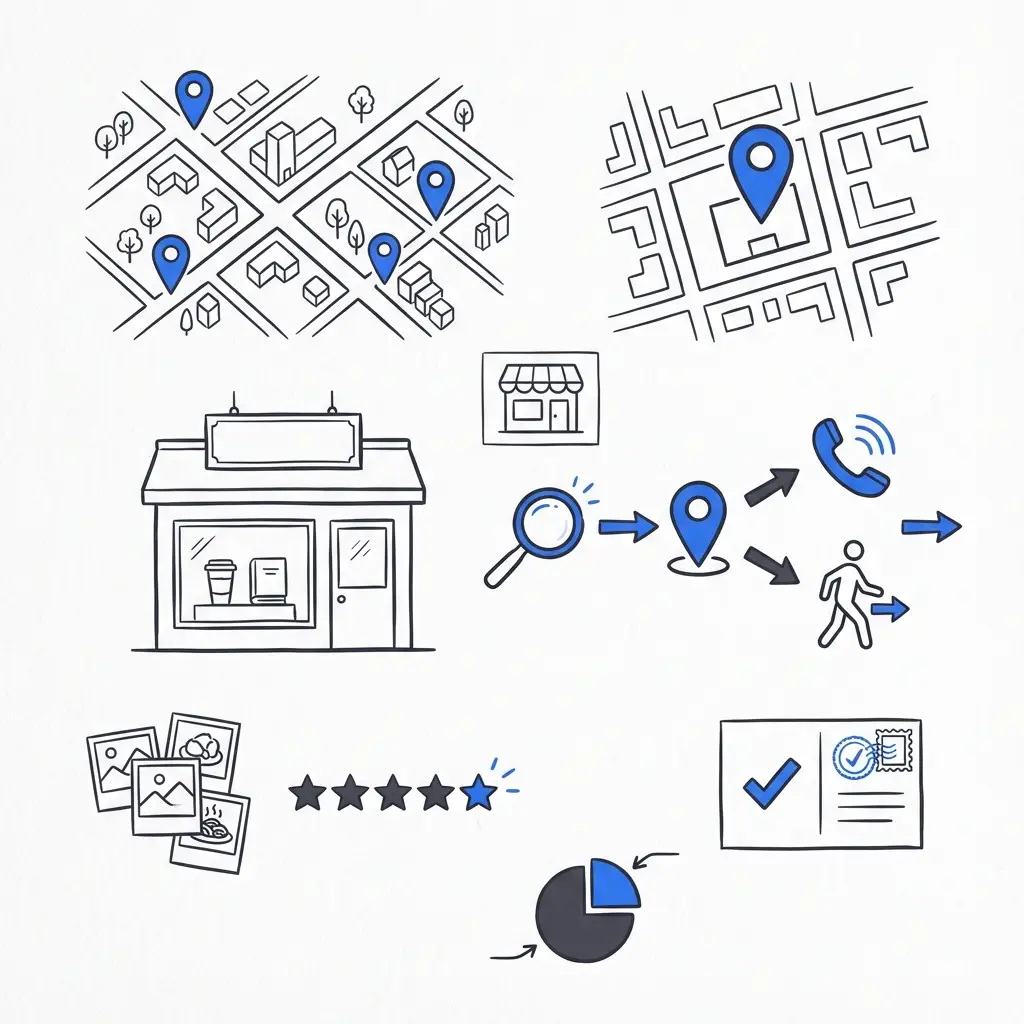
When you ask how can I advertise my painting business?, the first answer is always local search and local trust. Here are immediate actions that often move the needle in a single week. A clear agency logo is a small trust signal on local listings.
Start local: quick wins that pay
When you ask how can I advertise my painting business?, the first answer is always local search and local trust. Here are immediate actions that often move the needle in a single week:
Essential quick wins:
– Claim or update your Google Business Profile (GBP): hours, phone, services, service area.
– Add 8–12 recent photos: before/after, close-ups of trim, a clean driveway, and the crew’s neat setup.
– Ask three recent customers for reviews and respond to every review you get.
– Put a clear CTA on your site: “Request a free color consult” or “Get an estimate this week.”
If you want a fast, practical plan you can run right away, consider getting help from a local-focused agency. For a friendly, straightforward start you can contact Agency VISIBLE and ask for a visibility plan that prioritizes the channels that matter most for painters.
Why intent-driven channels come first
Not all advertising is equal. Some creates awareness; some drives booking-ready inquiries. For painters, the highest-value leads usually come from intent-driven channels—people actively searching for services. That’s why investments in Google Local Services Ads (LSAs) and Search Ads pay off: they connect you with homeowners who are ready to hire. For additional channel ideas see Marketing for Painting Contractors.
Practical takeaways:
– Run LSAs if they’re available in your area—homeowners often trust that Google-verified badge.
– Run a tightly targeted Search Ads campaign with keywords like house painters near me, exterior painting cost, or interior painting estimate. Send those clicks to a single-purpose landing page that answers common questions and invites a call.
Google Business Profile: the trust engine
Your GBP is not a brochure—it’s an active sales asset. Homeowners check photos, hours, Q&A, and reviews before they pick up the phone. Improve these areas:
GBP checklist (do these now):
– Business name and categories match your website and local citations.
– Primary phone number is clickable and tracked (use a call tracking number if practical).
– Services and short descriptions explain exact offerings (e.g., “Exterior painting: siding, trim, decks” not just “painting”).
– Upload 8–12 photos: exterior wide shot, interior before/after, close-ups of detail work, protected site (tarped floors), and a tidy crew truck.
– Ask for reviews: a short follow-up text after payment works best—include a direct review link.
Manage reviews like a pro
Reviews are trust in action. Don’t just collect stars—respond to them. A concise, empathetic reply to a negative review can reassure other homeowners that you solve problems.
Review response template:
– Thank them for feedback.
– Acknowledge specifics and offer to fix it (and include a direct number).
– Invite them to discuss offline.
Example: “Thanks for the note, Sarah. I’m sorry we missed your expectations on the trim color—can you call me at (555) 555-5555 so we can make it right? We stand behind our work.”
Paid social & visual channels: when to use them
Paid social is the place to show transformation. It’s less about immediate intent and more about stopping a scrolling homeowner with a dramatic before-and-after.
Use paid social to:
– Build a visual portfolio for your neighborhood.
– Test creative quickly: interior before/after, exterior curb appeal, deck refinishes, color consult offers.
– Drive people to a lead magnet (free color consult) or a booking page.
Marketplace and local networks
Platforms like Nextdoor, Thumbtack, and Houzz can generate volume, but leads vary in quality. If you test marketplaces, track which leads convert and at what price.
Marketplace testing tips:
– Use strict tracking: unique landing pages, coupon codes, or unique phone numbers for each platform.
– Set a lead-quality threshold and stop any source that doesn’t convert after a trial period.
Offline tactics that still work
Old-school doesn’t mean obsolete. Vehicle wraps, targeted direct mail, and well-designed door hangers work when they point people to a specific digital action.
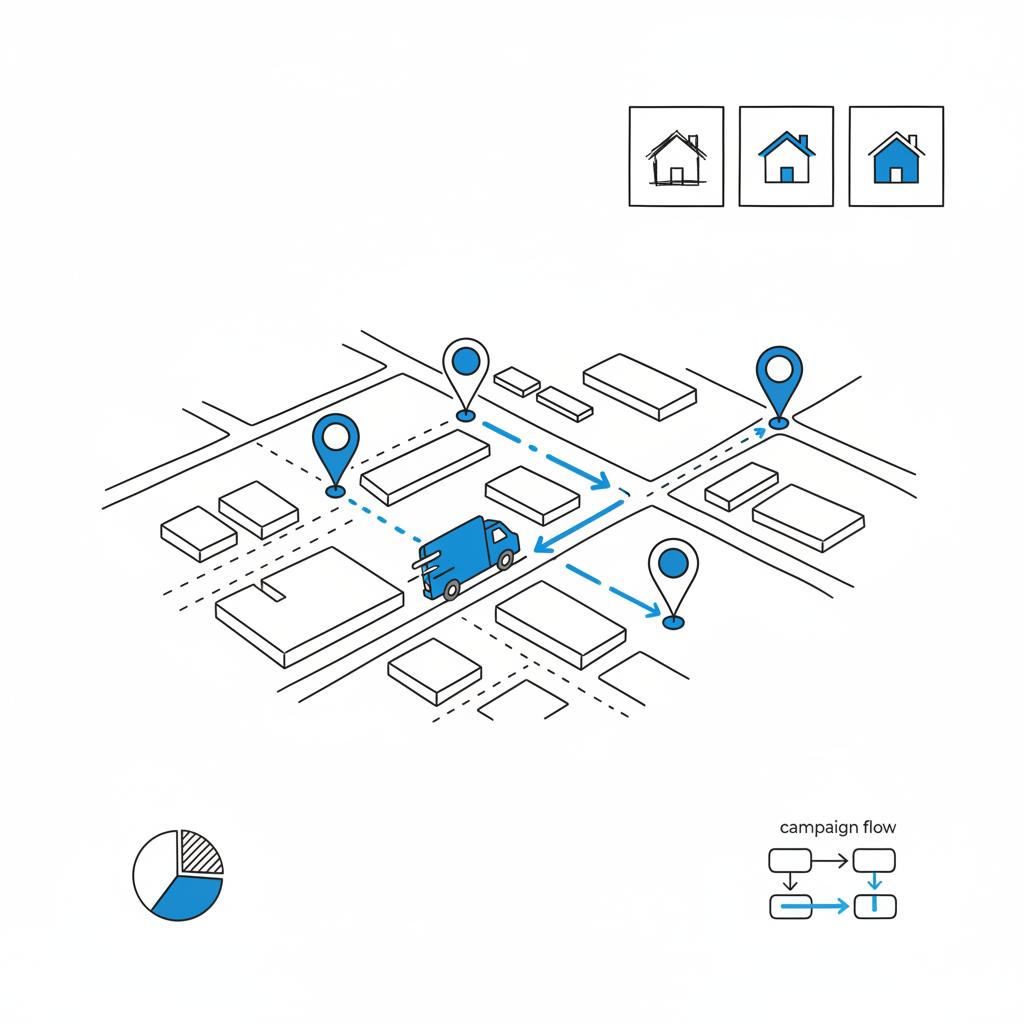
Ideas that combine offline and online:
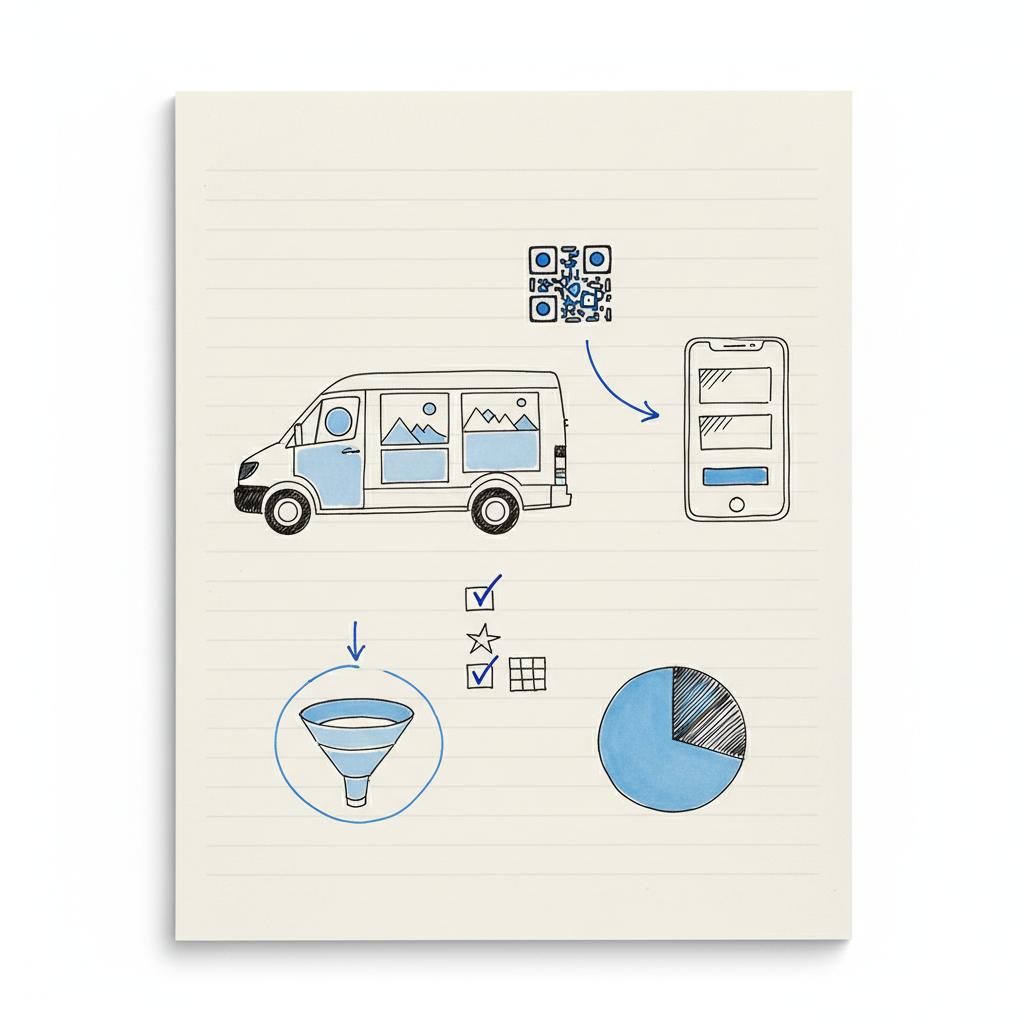
– A wrapped van with a QR code that links to a “Book a free color consult” page.
– A postcard targeted to houses built in the 1990s offering a seasonal exterior refresh coupon, with a single-use code.
– Door hangers in neighborhoods with older homes, pointing to an online gallery + booking form.
Simple tracking techniques
If you can’t implement a full CRM, these small steps will give you enough signal to act:
– Use unique phone numbers for big campaigns or tracking providers that forward to your main line.
– Add UTM parameters to links in ads and mailers so your website analytics show the source.
– Train the team to ask: “How did you hear about us?” at the first point of contact and record answers in a simple spreadsheet.
Budget guidance and a sample allocation
Many small painting firms spend 3–12% of revenue on marketing. Below is a sample allocation for a business that wants steady growth and measurable tests (adjust percentages to fit your margins):
– 30%: Local search & LSAs / Search Ads (intent-driven testing)
– 20%: Paid social & marketplace tests
– 15%: GBP, photos, small website improvements
– 20%: Offline (vehicle wrap amortized, seasonal mailers)
– 15%: Contingency & creative (photo shoots, landing page split tests)
Example budget: If your annual revenue is $500,000 and you invest 6% ($30,000/year ≈ $2,500/month), you could run modest LSAs/Search Ads ($900/month), paid social tests ($500/month), a mail drop ($400 one-off when needed), and use the remainder for creative and tracking tools.
What to measure and a sample ROI calculation
Track these core metrics:
– Leads by source
– Lead-to-job conversion rate by source
– Average job value
– Gross margin per job
Sample ROI scenario (simplified):
– Monthly ad spend: $1,500 (Search + social)
– Leads (30 days): 40 leads (20 from Search/LSA, 10 from social, 10 from marketplace)
– Conversion rate: Search 40% (8 jobs), social 20% (2 jobs), marketplace 10% (1 job)
– Average job value: $2,000
– Jobs closed: 11 → revenue $22,000
– Gross profit margin on jobs (after job costs): 35% → $7,700
– Ad spend $1,500 vs. gross profit $7,700 = profitable after ad costs (before overhead). This shows why intent channels with higher conversion rates often pay.
A 30–60 day testing plan (practical and specific)
Test structure matters. Keep changes small and measurable.
Week 1: setup
– Claim and clean up GBP; add photos and services.
– Create a single-purpose landing page for ad traffic (headline, 3 bullet FAQs, one form, clickable phone).
– Set up call tracking and UTM-tagged URLs.
Week 2–6: test
– Run LSAs (if available) and a small Search Ads campaign targeting three high-intent keywords.
– Run a local paid social campaign showing a strong before/after and offering a free color consult.
– Drop a targeted mailer or run a 2-week vehicle wrap push in a focused neighborhood.
– Log every lead in a spreadsheet with source, date, and outcome.
Week 7–8: evaluate and scale
– Calculate CPL by channel, lead-to-job conversion, and average job value.
– Stop or reduce spend on channels with poor conversion and increase spend on channels that delivered profitable jobs.
Attribution: be realistic
Don’t expect perfect attribution. Homeowners interact with multiple touchpoints before they call. Use a blended approach—ask “How did you hear about us?”, use tracking numbers, and compare web analytics. If multiple channels touch a customer, consider the combination valuable rather than assigning blame to a single source.
No—what you need is a clear, fast landing page that answers the homeowner's main concerns and makes it easy to call or request a quote. Improve design over time, but prioritize trust signals: photos, reviews, and a simple contact form.
Creative that actually converts
Creative must be honest and specific. Homeowners want to see evidence you care about details.
Creative checklist:
– Use real before/after photos with consistent framing.
– Show protected interiors: taped windows, covered floors—this signals professionalism.
– Short caption formula: Problem → Solution → Social proof → CTA (e.g., “Peeling trim? We sand, prime, and paint for a lasting finish. 5-star reviews in your neighborhood. Book a free color consult.”)
Sample ad copy snippets
Search ad headline: “Trusted House Painters Near You — Free Estimate”
Search ad description: “Local painters. Fast quotes, clean teams, 5-star reviews. Book a free color consult today.”
Facebook primary text: “Transform your home in a weekend — see before/after photos and request a free color consult. Local crew, licensed & insured.”
Landing page wireframe (must-haves)
– Headline: local + service + benefit (e.g., “Local House Painters — Clean, Fast, Trusted”)
– Subhead: short sentence of reassurance (insurance, warranty, years of experience)
– 3 photos (before/after, detail, clean site)
– 3 bullets answering top homeowner concerns (timeline, protection, warranty)
– CTA: phone number and a short form (name, address, project type, preferred contact time)
Sample scripts: capturing reviews and referrals
After-job review request (text): “Hi [Name], thanks for choosing us. If you’re happy with the paint job, would you mind leaving a quick review? Here’s the link: [short link]. It helps local businesses like ours—thank you!”
Referral ask in person: “If you know a neighbor who’s thinking about painting, we do a free color consult. I’d be grateful if you passed our card along—happy to leave a few extras.”
Referral program example
– Offer: $50 gift card or $100 service credit for a verified referral that becomes a job over $500.
– How to track: referral code or name captured at booking.
Common mistakes painters make (and how to fix them)
– Mistake: Broad social campaigns with no tracking. Fix: narrow to service areas and use UTM links and unique landing pages.
– Mistake: Not recording lead source. Fix: ask and log immediately, train the team.
– Mistake: Chasing volume instead of quality. Fix: set CPL and conversion goals and pause low-converting sources.
Real-life example, expanded
One two-person crew swapped a broad Facebook spend for a focused local search test and a vehicle wrap with a QR code. Their total leads fell, but qualified leads doubled and average job value rose because inquiries were local and ready to hire. They spent less on follow-up and won more profitable work. The lesson: fewer, better leads beat many low-quality ones.
Scaling what works
When a channel proves profitable:
– Increase budget incrementally (20–30% at a time) and monitor CPL.
– Duplicate the creative that works in the next nearby ZIP code.
– Document the process so a new hire or partner can replicate it.
Long-term visibility strategies
Once you have reliable lead sources, invest in long-term assets:
– A robust website with a project portfolio and FAQs.
– A disciplined review gathering process.
– Local partnerships with realtors and property managers.
– Seasonal campaigns timed to when your services are most needed.
Templates & tools you can copy
Templates & tools you can copy
Simple lead tracker structure:
– Columns: Date, Name, Phone, Source, Ad Campaign, Job Type, Quote Amount, Job Won (Y/N), Revenue, Notes
Use Google Sheets and share with your team. If you prefer a free CRM, options like HubSpot Free or Airtable work well for small teams.
Free resources to learn from
– Google’s Local Services Ads help center
– Digital marketing case study: Painting Contractors
When to bring in outside help
If you don’t have time to run tests or need help setting up reliable tracking, an agency can save months of trial and error. Check Agency VISIBLE for examples of focused local work, and look for partners who understand local search, have transparent reporting, and ask for measurable KPIs rather than vanity metrics.
Final practical steps to begin this week
– Claim/update your GBP and add recent photos.
– Ask three recent customers for reviews.
– Launch a 30–45 day test for LSAs or Search with a modest budget and a single-purpose landing page.
– Pair one offline touch (vehicle wrap, flyer, or postcard) with a tracked landing page or QR code.
Next moves and experimentation checklist
– Week 1: GBP + photos + review asks.
– Week 2: Landing page + tracking numbers.
– Week 2–6: Run intent ads + social creative + mailer/vehicle push.
– Week 7: Review results, reallocate budget, and scale what’s profitable.
How many times did we answer the question? Plenty—because advertising a painting business is about making the local homeowner’s decision simple and low-friction. Start small, measure, and repeat.
Get a visibility review and plan for local growth
Ready to get visible and book better jobs? If you’d like help turning this guide into a working plan, get a short, honest visibility review and next steps from a team that knows how local marketing for contractors performs.
Resources & next steps
If you want a simple spreadsheet template to track leads, conversions, and margins while you test, reply and I’ll provide one tailored to a painting business. Running small, disciplined tests will give you clarity faster than a high-budget guess.
The fastest ways are intent-driven channels and trust signals: 1) Claim and optimize your Google Business Profile with photos and reviews; 2) Run Local Services Ads or a small Google Search campaign targeting "house painters near me"; and 3) Use visible, local offline tactics like a wrapped van or a targeted postcard that point to a tracked landing page. Track every lead and measure lead-to-job conversion to focus on what actually pays.
Most small to mid-sized painting firms allocate between 3% and 12% of revenue to marketing depending on growth goals. For steady growth, 4–6% is common; aggressive growth can push toward 8–12%. Start small: run a 30–60 day test on intent channels (LSAs/Search) with a modest monthly budget, measure CPL and conversion, then scale the channels that deliver profitable jobs.
Yes—Agency VISIBLE specializes in local visibility for contractors. They can help set up tracking, optimize your Google Business Profile, run targeted ad tests, and create simple landing pages that convert. If you want hands-on help to implement the practical steps in this guide, contacting Agency VISIBLE for a visibility review is a smart next step.
References
- https://agencyvisible.com/
- https://agencyvisible.com/projects/
- https://agencyvisible.com/contact/
- https://www.servicetitan.com/blog/marketing-for-painting-contractors
- https://www.performancefinancialllc.com/blog-posts/the-painters-growth-blueprint-7-marketing-strategies-to-scale-your-business
- https://elevatedmarketing.solutions/digital-marketing-painting-contractors/