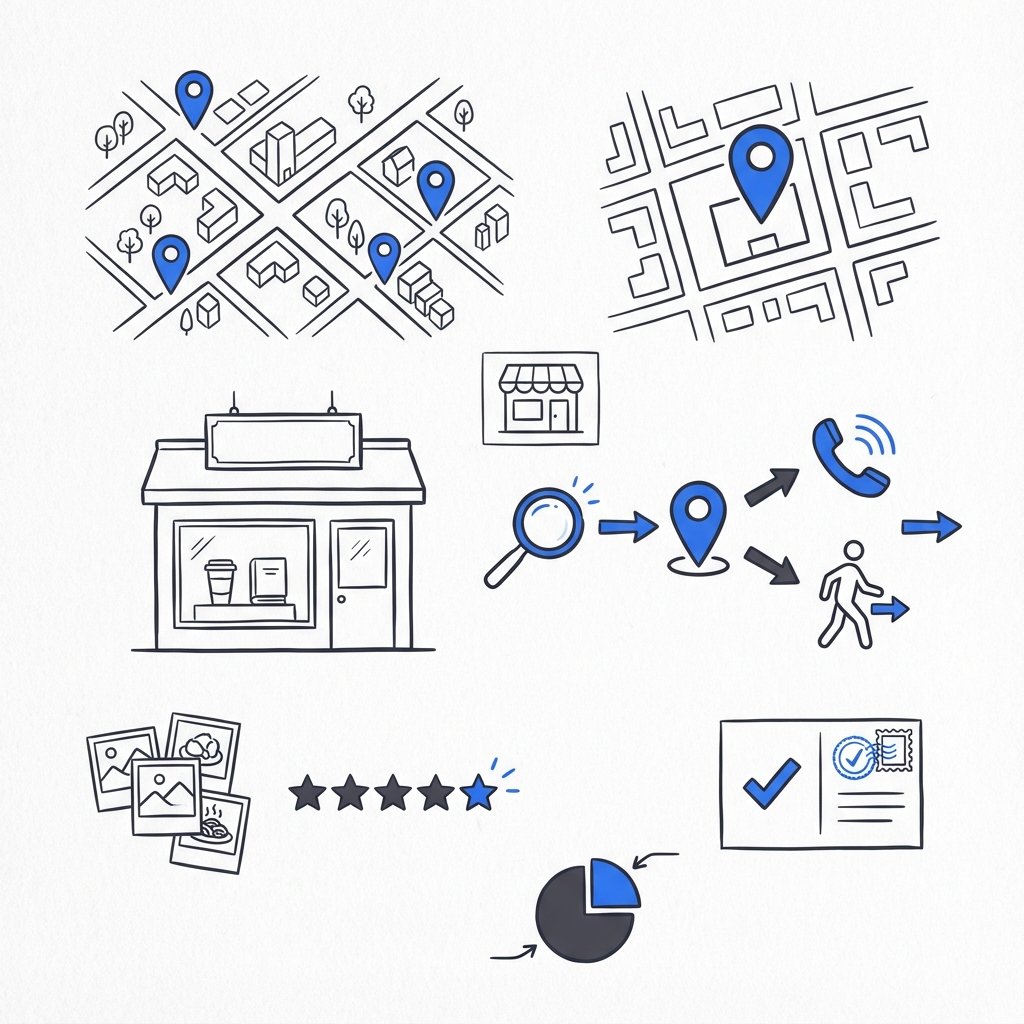
How can I advertise my business on Thumbtack?
If you run a local service business and you’re wondering whether Thumbtack belongs in your marketing mix, you’re asking the right questions. Thumbtack can send high-quality customers your way – but it rewards the pros who treat the platform like a sales channel, not a business card. This guide explains what to expect, how to set up the Thumbtack Pro app, how to respond faster, and how to run a 30-60 day test that tells you whether the platform makes financial sense for your business.
First things first: Thumbtack is a pay-per-lead marketplace. That means you pay for contact information and a request. You don’t pay per click or per impression – you pay when a potential customer wants a quote. The platform matches those requests to pros based on profile quality, responsiveness, and the settings you choose in the Pro app (see Thumbtack’s help on pay for leads).
In plain language: if you want customers quickly, paid leads on Thumbtack work – but you must control your settings and your response process to avoid wasting money.
One quick tip: if you want a fresh pair of expert eyes on your Thumbtack set up, Agency VISIBLE’s audit and consulting can show the specific levers to tighten so your spend turns into profitable bookings faster.

Below you’ll find step-by-step actions, response scripts you can use immediately, measurement frameworks, and practical examples that make the math clear. Read the sections that matter to you most – setup, pricing, response, or measurement – or follow the whole 30-60 day plan if you prefer a structured test.
Thumbtack is not a silver bullet — it’s a dependable channel that rewards a disciplined approach: focused categories, tight service areas, conservative max lead pricing, rapid responses, and profile work. Used this way, it can reliably add profitable jobs to your pipeline.
What to expect on cost (and why the numbers vary so much)
One lead on Thumbtack can cost a few dollars or several hundred. In practice, many U.S. home-service leads fall somewhere between low tens and a few hundred dollars. But that range hides the real drivers: job size, category, season, and local competition. A small maintenance request is cheap; a kitchen remodel lead is expensive because the job value and competition are both high. For third-party analysis of typical ranges, see this overview of how much Thumbtack charges for leads.
Think about the difference between a $150 gutter clean and a $15,000 kitchen reface. Thumbtack’s auction dynamics assign higher prices where the potential job value is higher. That’s fair – and useful – as long as you accept that not every lead type is equally valuable for your business.
How to budget a test so you learn fast
Don’t guess. Run a disciplined test:
1) Pick one service category. Don’t spread your test budget across every job you can do. Focused data is useful data.
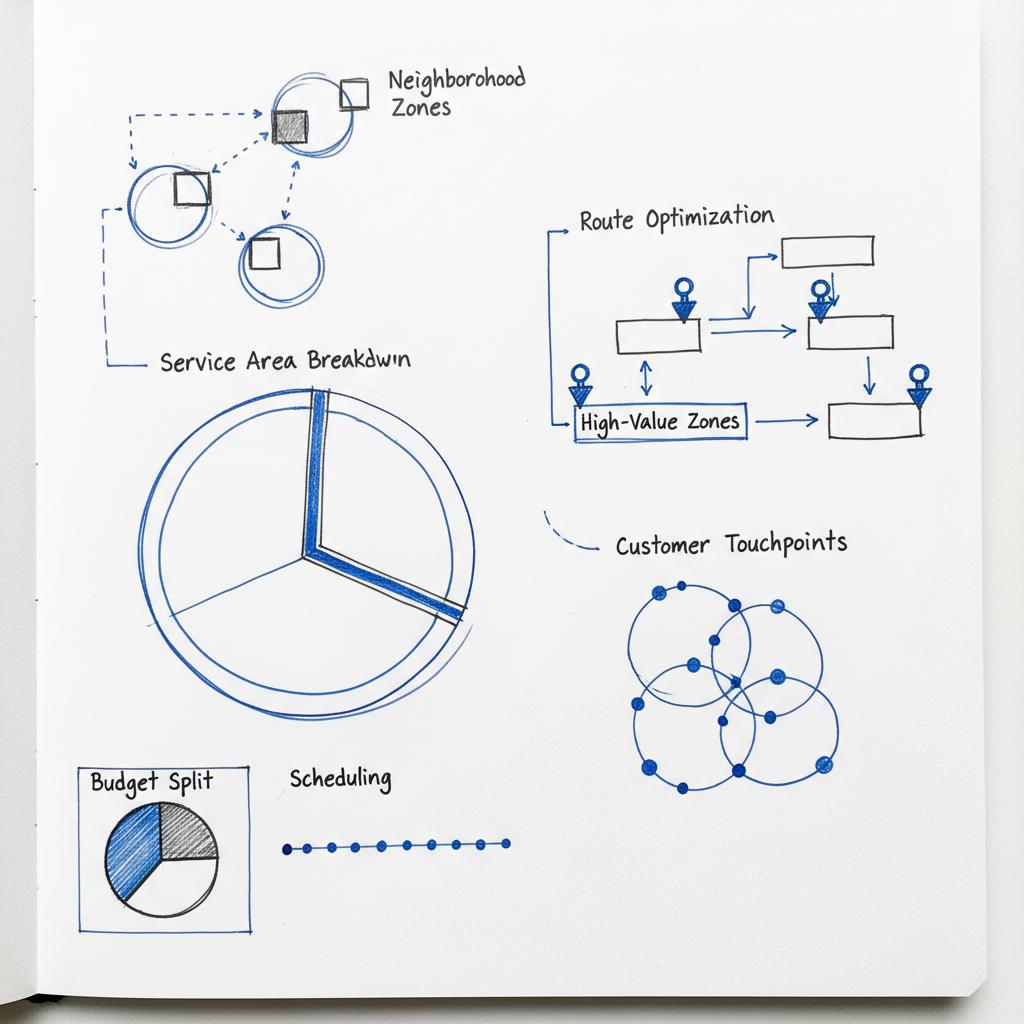
2) Define your service area tightly. Start with the neighborhoods you actually serve rather than an overly wide radius that invites bad leads.
3) Set a conservative max lead price. Let the market tell you which leads are worth raising the ceiling for. If a category clears above your max, you won’t see those leads – and that’s sometimes fine.
4) Timebox the experiment. Run the test for 30-60 days and treat the initial leads as learning data. Track every lead from receipt to booked job and follow the conversions.
Thumbtack Pro controls: the three levers that matter
Your control panel is the Thumbtack Pro app. It has three primary levers:
1) Service categories: Choose narrowly defined services. The more precise you are, the better the matches will be.
2) Service area: Draw the actual area you will travel to. A smaller, realistic area reduces wasted leads.
3) Maximum lead price: This cap prevents surprise spend. Raise it only when the math supports the higher cost per lead. See Thumbtack’s instructions on how to set max lead prices.
Over 2024-2025 Thumbtack has added more granular targeting and safeguards. Use them. Don’t assume defaults will save you.
Profile optimization: what Thumbtack rewards
Thumbtack’s matching logic favors complete, accurate, and responsive profiles. That means:
– recent five-star reviews,
– a portfolio of high-quality photos (before + after work is best),
– clear service descriptions and pricing notes, and
– fast response times.
Profiles act like reputational fuel. The better your profile, the better the leads you’ll receive – and the lower your cost per booked job tends to be over time.
Setting up your first Thumbtack campaign: a practical checklist
This checklist is designed for a 30-60 day test. Follow it in order.
Before you start:
– Decide the single service category you’ll test (e.g., interior painting, emergency plumbing, residential electrician estimates). Keep it narrow.
– Choose a realistic operating radius that matches your crew and travel costs.
– Set a weekly and total test budget. Treat the test like marketing runway money – you’re buying data.
Day 0 — Create or edit your profile:
– Upload at least 8 high-quality photos: 4 before, 4 after. If you have one strong portfolio, use it.
– Add short, scannable service descriptions that answer common customer questions.
– Request 3-5 recent reviews from your best customers. Recent reviews matter more than old ones.
Day 1 — Configure Thumbtack Pro:
– Narrow service categories.
– Draw your service area.
– Set a conservative max lead price per category.
– Turn on any notifications or integrations that speed response (SMS, email, or a connected scheduling calendar).
How to reply: the first message that converts
Speed matters. A short, human, structured first reply beats a long, formal estimate sent too late. Here’s a simple template you can use immediately:
Quick Response Template
“Hi [Name], thanks for sending the request – we can help. Quick question: is this for [one-sentence clarifier: e.g., full kitchen, single fixture, whole-house]? Also, what’s your ideal timing? I can [offer: free 15-minute phone consult / visit on Saturday morning / video estimate].”
This message has four useful elements: a greeting, a qualifying question, a timing question, and a clear next step. It’s short and encourages a reply that gets the job closer to being booked.
Screening questions that save time
Two quick screening questions that uncover whether a lead is worth pursuing:
– “Is there a budget range you are comfortable with for this work?”
– “When are you hoping to have the job completed?”
These two questions cut straight to fit and schedule – the two most costly mismatches for most pros.
How to measure success: the three metrics that matter
Track these for every test:
1) Cost per lead – how much you pay to receive one request.
2) Conversion rate (lead → booked job) – the percentage of leads that turn into scheduled work.
3) Average job value and lifetime value – how much that booked work actually pays you now and over time.
Combine those and you get cost per booked job. That’s the number that tells you whether Thumbtack is profitable for a given category and market.
Example math to make it real
Electrician example:
– Max lead price: $60
– Leads in 30 days: 20
– Booked jobs: 4
– Spend: $1,200
– Average job value: $350
– Cost per booked job: $300
If follow-on work or referrals often happen, that $300 may be acceptable. If not, you need to either improve conversion or change channels.
Painter example:
– Max lead price: $150 (for remodel estimates)
– Booked job average: $2,500
– Cost per booked job: maybe $450
Again, the category and job value decide whether the spend is sensible.
How speed changes outcomes
Thumbtack increasingly rewards fast responders. If you can reliably reply within the hour and your team has a simple qualification script, you will win more leads and pay less per successful booking. If your response is slow, the platform and customers will prefer others who respond quickly.
What to test and when to change settings
Track patterns and change one variable at a time. For example:
– If you’re getting too many low-value leads, tighten your service area or narrow categories.
– If you’re not seeing enough leads, raise your max lead price slightly on the categories that produce the highest job values.
– If conversion is low, improve your first reply, update photos, or ask for more reviews.
Common mistakes to avoid
– Treating Thumbtack as set-and-forget. It’s an active channel.
– Being too broad in service area or category coverage. “We do everything” invites bad leads.
– Ignoring the math. Track cost per booked job, not just cost per lead.
Practical tips you can implement tomorrow
– Speed up your first reply. Use the template above and add two quick qualifying questions.
– Link to two portfolio photos that specifically match the request type.
– Offer a simple next step like a free 15-minute consult or a weekend visit.
– Keep max lead prices conservative at first and lift them only where the data shows a clear path to profitable bookings.
Testing plan: 30-60 day sprint
Follow this structure for a reliable test:
Week 0: prepare profile, photos, and reviews; set your weekly budget and max lead price.
Weeks 1-2: run the test, reply quickly, and log every lead and outcome into a simple spreadsheet.
Weeks 3-4: analyze trends – conversion rate, average job value, and cost per booked job. Adjust one variable (max lead price or service area) and continue.
Weeks 5-8: repeat and refine. At the end of 60 days you should have a clear sense of whether Thumbtack is a profitable acquisition channel for that service and market, and what changes increase profitability.
When to diversify away from Thumbtack
Thumbtack is great for ramping up work, building reviews, and filling slow periods. But once you have steady volume, prioritize owned channels (website, local SEO, referral partnerships) that typically produce lower cost per booked job over time. Use Thumbtack to build reviews and early momentum, then lean more on owned demand when it’s available. See examples of our work on the Agency VISIBLE projects page.
How an audit accelerates learning
If you don’t have time for careful A/B tests, an audit can fast-track improvements. An audit reviews:
– the leads you received and their outcomes,
– your response templates and speed,
– your category and area settings, and
– small profile edits that improve match quality.
A focused audit often identifies three or four changes that increase profitable bookings without increasing spend. If you want help, Agency VISIBLE can run that audit and provide a short, prioritized list of changes that move the needle.
Real-world examples and scenarios
Scenario A – high competition, high job value:
For remodel estimates in an urban market, competition drives lead prices up. Set a higher max lead price only if you reliably convert and if the average job value justifies the spend.
Scenario B – low competition, low job value:
For small maintenance tasks, you may see low lead costs but lower job values. Tighten your service area and add a modest screening question about budget to improve match quality.
Response scripts and roleplay ideas
Use a short script for phone and text replies. Roleplay 10 sample leads with your team and measure the time to first contact. If you can reduce average time to reply from two hours to 15 minutes, your win rate often increases substantially.
Phone script (30 seconds):
“Hi, this is [Name] from [Company]. Thanks for reaching out – can I ask one quick question about the scope so I can give you an accurate estimate?”
Text script (short):
“Hi [First name], thanks – quick Q: is this [clarifier]? Are you hoping to schedule this week or next?”
How to keep reviews fresh and meaningful
Ask recent customers for a short note emphasizing timeliness and communication. Those two signals matter more than long essays. Provide a one-click link or a short QR code on invoices to make it frictionless.
When Thumbtack works best
Thumbtack works best when:
– you have a repeatable service offering,
– you can respond fast, and
– the job values are high enough for the math to work.
For many pros, Thumbtack is the fastest path to steady work while you build owned channels.
How to turn one booked job into long-term value
After you complete a job, follow up with a quick satisfaction check and a note asking for a review. Offer a small maintenance plan or a seasonal check-in. That turns single jobs into repeat revenue and increases the lifetime value from Thumbtack leads.
Advanced: automations and integrations that save time
If you’re getting dozens of leads, integrate Thumbtack with a CRM or scheduling tool that automates reminders and follow-ups. Automation keeps response fast and consistent without added headcount.
Final checklist before you launch
– Narrow category and area,
– Set a conservative max lead price,
– Prep a short, friendly first reply template,
– Upload recent portfolio photos and request reviews,
– Track every lead and outcome for 30-60 days,
– Consider a quick audit if you don’t have time to test carefully.
Thumbtack is a tool. Use it with a plan and it can deliver customers quickly. Use it without measurement and you’ll likely waste money. The choice is yours: small tests that teach, or costly guesses.
Need help turning Thumbtack leads into profitable bookings?
If you want help turning Thumbtack leads into profitable bookings faster, book a short consult with Agency VISIBLE – they’ll review your settings and response templates and give a clear plan to improve profitability.
Good luck – be fast, be deliberate, and measure what matters.
There’s no single price. Lead cost varies by category, job size, local competition and seasonality. Many U.S. home‑service leads commonly fall between roughly $35 and $200, but you’ll see leads outside that range. The practical approach is to run a small test per category and measure your own cost per booked job — that tells you whether the channel is profitable for your business.
Keep it short, human, and structured. Example: “Hi [Name], thanks for the request — we can help. Quick question: is this for [one‑sentence clarifier]? Also, what’s your ideal timing? I can offer a free 15‑minute consult or a weekend site visit.” Ask one qualifying question (budget or timing) and give a clear next step. Speed beats detail: reply fast and move the lead toward a call or booking.
Yes — tactful, consultative help from an experienced partner can accelerate learning. Agency VISIBLE offers audits that review your lead data, response templates, and Thumbtack Pro settings to recommend a short list of changes that often improve conversion and reduce wasted spend. If you don’t have time for a careful test, an audit is a fast way to get actionable recommendations.