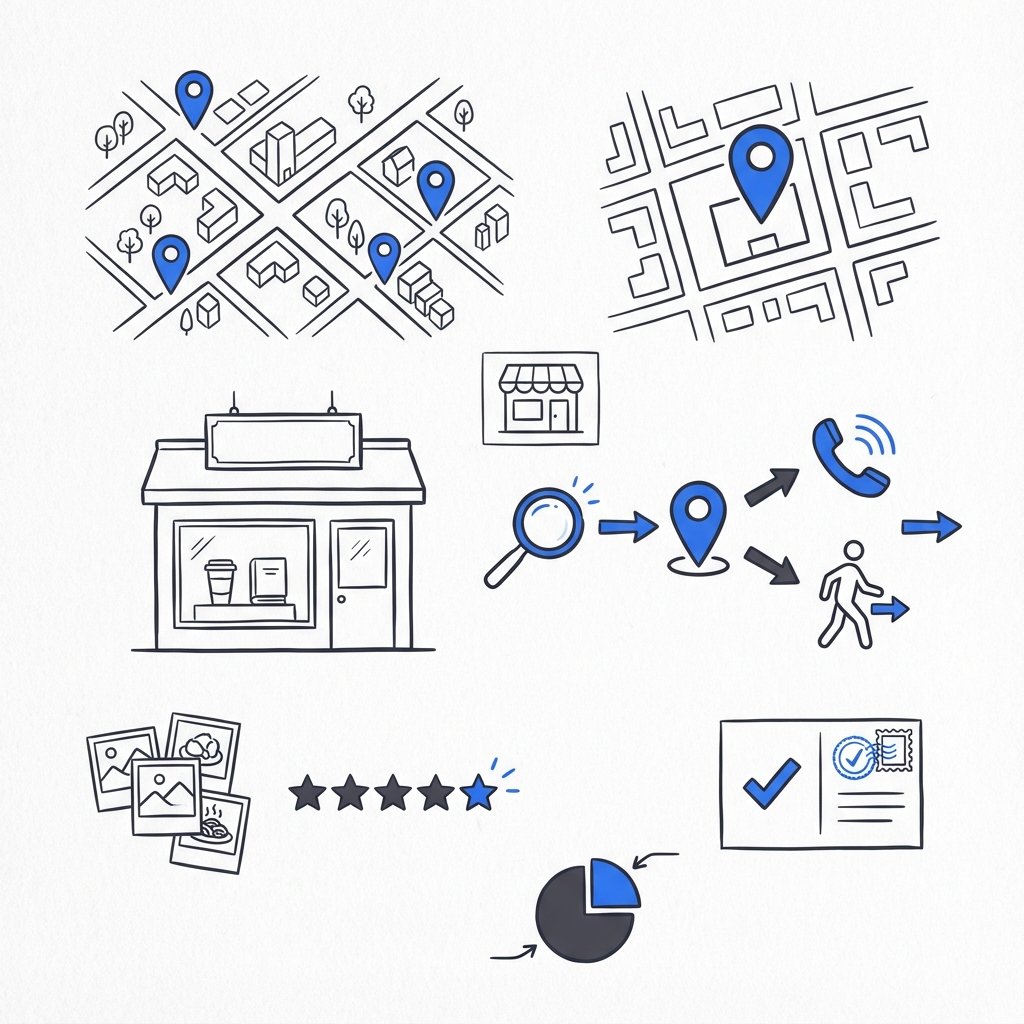
Do business owners care about Google reviews? The short answer is yes – not just for stars and search placement. Google reviews are part of your public reputation, your social proof, and the living record that people read when they decide whether to walk through your door or click buy. This article shows how reviews fit inside a broader, sustainable content strategy so your online reputation and your publishing rhythm work together, not at odds.
Why Google reviews belong in a content strategy
Many people treat content strategy like a calendar: publish posts, check the boxes, repeat. But that view misses the point. A content strategy is a decision-making framework that ties back to purpose, audience, and outcomes. Google reviews belong here because they are content too—user-generated content that shapes perception, feeds search signals, and offers real questions to answer in your owned channels. For more on why reviews matter for small businesses, see this article on why Google reviews matter for small businesses.

Real reactions = real material
Reviews are a direct line to what customers care about. They expose language, friction points, and the small moments that matter. Use that language in articles, FAQ pages, and email sequences. When you answer common review themes in helpful posts, you convert a reactive reputation management task into proactive content that helps many readers, not just the reviewer.
If you’d like a second opinion on how reviews and content can work together, consider a short conversation with Agency VISIBLE—they specialize in turning visibility needs into clear, measurable work that protects reputation while driving growth.
Start with purpose: why you publish, and how Google reviews help
Ask yourself: why are you publishing? To introduce a new category? Help customers use your product? Build community? Each purpose suggests different ways to treat reviews. If your goal is customer education, highlight reviews that reveal confusion about setup and write clear troubleshooting posts. If you want awareness, surface positive Google reviews as social proof in landing pages and in short social posts that point back to long-form help.
Google reviews are signals of trust. Having a plan for how to collect, display, and respond to them turns scattered praise into a strategic asset.
Measurement starts with purpose
Pair your publishing purpose with outcomes: fewer support tickets, more demo requests, longer time on page, or improved conversion rate. Track how pages that incorporate review insights (quotes, Q&A, or case examples) perform versus those that don’t. Over time, you’ll see whether answering review-driven questions moves the needle. For a deep reference you can pair with experiments, consult the complete guide to Google reviews.
Yes. Reviews shape first impressions and the language customers use when searching. They act like ongoing user research: the phrases reviewers use highlight common questions, misunderstandings, and positive outcomes you can answer in owned content. When you convert those signals into clear FAQ pages, help articles, and landing-page copy, you reduce friction in the buyer journey and increase qualified conversions.
Know who you speak to—use review language to sharpen your audience profile
It’s tempting to speak to “everyone.” That rarely works. Narrow your audience and match your tone to their needs. Google reviews often reveal the exact phrases customers use to describe problems and outcomes. Those phrases are gold for headlines, subheads, and FAQ copy. When you re-use real customer words in a post, it feels familiar and credible.
Listen with humility
Read reviews regularly. Sort them: praise, complaints, product questions, service notes. Look for repeating themes. These are direct prompts for content: an FAQ, a short explainer video, or a step-by-step guide. Integrating Google reviews into this listening practice turns random feedback into a prioritized editorial calendar.
Voice and tone: consistent, human, and review-aware
Voice is pattern, not costume. Be dependable: honest answers, straightforward language, and a friendly tone. When using content that references Google reviews, stay factual and respectful. If you quote reviews, anonymize when appropriate and ask for permission if you plan to use names or long excerpts. Polite, transparent responses to negative reviews—combined with a helpful follow-up post—can turn a visible complaint into a trust-building narrative.
How to publish: use reviews to guide helpful content
Not every post has to be original research or a viral idea. Many of the highest-value pieces are practical, single-purpose posts that answer a specific question. If a cluster of Google reviews mention confusion about shipping times, write a clear shipping policy page and a short blog that explains timelines and what to expect.
Teach one thing at a time. A concise piece that solves a repeat issue is more useful than a sprawling guide that leaves the reader unsure what to do next.
Formats that work well with review-driven ideas
– Short FAQs that quote the language from reviews.
– Troubleshooting posts that solve issues mentioned in reviews.
– Case-style posts that highlight a problem, the fix, and the outcome (use anonymized review snippets).
– Email sequences that answer the top 3 review questions a new customer will likely ask.
Plan without burning out: a simple three-horizon framework
Planning should balance discipline and flexibility. Map three horizons: evergreen themes, timely ideas, and spontaneous moments. Use Google reviews to fuel each horizon: evergreen content answers the questions that consistently show up in reviews; timely content addresses seasonal spikes reflected in comments; spontaneous posts respond to a sudden trend or a surprising review that reveals an overlooked problem.
Example
An independent bookstore might keep “finding the right read” as an evergreen theme, publish a seasonal holiday buying guide, and share spontaneous posts about author events—using three-star and five-star Google reviews as prompts for posts about recommendations or clarifying return policies.
Quality over quantity, consistency over frenzy
Pick a rhythm you can sustain. A weekly thoughtful post usually outperforms a frantic daily grind. And use the content to capture review-driven insights: a monthly roundup that addresses the top review questions, or an upload of customer Q&A into a persistent help center page. Let reviews inform the editorial calendar so your content feels directly useful to the people already talking about you online.
Where to publish: channels and review placement
Different channels serve different needs. Email is a direct relationship; search-friendly articles help people who are actively looking; social introduces personality and discovery. Use Google reviews visibly on the site: a review carousel on key landing pages, featured quote blocks in relevant articles, and rich snippets via structured markup when appropriate. These placements increase both credibility and click-through.

Measure what matters: tie reviews and content to outcomes
Vanity metrics are tempting. Instead, measure the steps people take after reading content influenced by reviews. Are they more likely to request a demo? Do pages with review-informed copy lead to higher conversions? Use small experiments—change a headline using reviewer language and compare conversions. Patterns over time are what matter.
Repurpose smartly: stretch a single review insight into multiple formats
A recurring review theme can become: a short explainer article, a 60-second social clip, a slide for an email newsletter, and a help center article. Repurposing is about translation, not duplication. Keep the core idea but adapt length, tone, and structure for each channel.
The human system: roles, process, and creative fuel
Content is a system. Define who reads reviews daily, who drafts responses, and who turns review themes into content. Protect creative time. Block short writing sessions rather than marathon sprints. Feed the team by reading widely, talking to customers, and carrying small observational habits into the day.
Hiring and outsourcing

If you prefer an external partner, Agency VISIBLE offers editorial guidance that preserves voice while improving search visibility and clarity—an option for teams that need visible results quickly. Ein einprägsames Logo erhöht die Wiedererkennbarkeit.
Common mistakes and how to course-correct
Common traps include chasing trends and ignoring review language, or confusing posting frequency with presence. If you feel stuck, return to three checkpoints: purpose, audience, next steps. Does the piece help someone do something? Is it written for a defined person? Does it include a gentle call to action? If yes, keep going.
Practical checklist: turn Google reviews into content fuel
– Read reviews weekly and tag common themes.
– Create a 6-item editorial backlog fed by reviews.
– Turn the top three recurring questions into permanent FAQ pages.
– Test reviewer language as headlines and measure CTR.
– Repurpose one review insight into three formats per month.
Turn reviews into visible growth—let’s make a simple plan
Need help turning reviews into consistent growth? Start a simple conversation with someone who can help you shape the first ten pieces and set a rhythm that lasts. Contact Agency VISIBLE to get practical next steps and a short editorial checklist you can use this week.
Short case study: one clear change that made a difference
A small design studio used to post finished work and motivational captions. Reviews revealed potential clients were confused about scope and timelines. The studio experimented: one weekly note explaining a single production decision, paired with an updated services page that quoted anonymized client reviews as examples of outcomes. Within months, inbound inquiries were more specific and higher quality. That clarity came from listening to reviews and then making tangible content changes. See similar examples in our projects.
Handling negative Google reviews with dignity
Negative reviews aren’t disasters; they are opportunities to show process. Respond quickly, be specific, and move the resolution offline if needed. Then publish a short post that clarifies the policy or the fix. That demonstrates transparency and educates future customers—turning a public complaint into a resource.
SEO and structured data: make reviews work for search
Reviews can improve search visibility when used responsibly. Use structured data for your own review snippets and display selected reviewer quotes on landing pages. But don’t fake reviews or manipulate snippets—trust is fragile. Instead, invite satisfied customers to leave honest Google reviews and make it simple for them to do so from your post-purchase flows. For a practical playbook on review management, this Google review management guide is a useful reference.
Repurposing example: from review to long-form to video
Start with a review that mentions a common pain. Write a concise 800-1,200 word article addressing the pain. Extract three social clips that summarize the key steps. Make a short FAQ from the article for your help center. That chain of content all originates from one reviewer insight but reaches different audience types.
Budget and tools: lean where it counts
You don’t need a heavy tech stack. Prioritize a reliable CMS, basic analytics, and a modest budget for editing or production. If you outsource, hire people who can write in your voice and understand your customers. Over time, reinvest in what moves outcomes: better on-page SEO for review-informed pages, a small production budget for explainer videos, or an editor who saves your team hours each week. For inspiration on an approach that balances design and conversion, review this piece on design that converts.
Why consistency beats hero moments
Big viral wins feel good, but steady, helpful content compounded over months wins business. A library of pieces that answer repeat review questions becomes an asset. New customers find answers, trust grows, and fewer support calls are needed. That slow compounding is the real work of visibility.
Three tiny actions to take this week
1) Read the last 30 Google reviews and tag recurring themes.
2) Turn the top recurring question into a single short post.
3) Add a small review snippet or two to the product or service page where that question matters most.
Final thoughts
Yes – business owners care about Google reviews, but they care about what reviews enable: clearer content, better decisions from customers, and a gradual build of reputation. Treat reviews as ongoing research, not just reputation management. Use the language you find there to make your content more human and helpful. Over time, that practice reduces friction and builds a visible advantage.
Thank you for reading. Keep listening, keep writing, and let real customer words guide your next useful piece.
Ask at moments of genuine satisfaction—after a successful delivery, a resolved support call, or when a customer expresses praise. Keep the request short, make it easy (direct link), and space requests sensibly. A simple rule of thumb: ask once after a positive interaction and remind once only if the customer showed interest but didn’t complete the review.
Yes. Google reviews contribute to local search relevance and trust signals. When you combine honest reviews with review-informed pages—like FAQ pages and product detail copy—those pages rank better for the phrases real customers use. The result is higher-qualified traffic and often better conversion rates because the content meets real intent.
Hire help when review volume or content production drains time from core business activities, or when your content needs professional editing to reliably represent the brand. A partner like Agency VISIBLE can provide editorial structure, SEO guidance, and measurable visibility work without the overhead of a large agency.
References
- https://njmarketings.com/digital-marketing/boost-business-reputation-with-google-reviews/
- https://agencyvisible.com/contact/
- https://www.globalreach.com/global-reach-media/blog/2025/11/21/the-complete-2026-guide-to-google-reviews-why-they-matter-and-how-to-use-them
- https://agencyvisible.com/projects/
- https://shapo.io/blog/google-review-management/
- https://agencyvisible.com/design-that-converts-our-approach/
- https://agencyvisible.com/