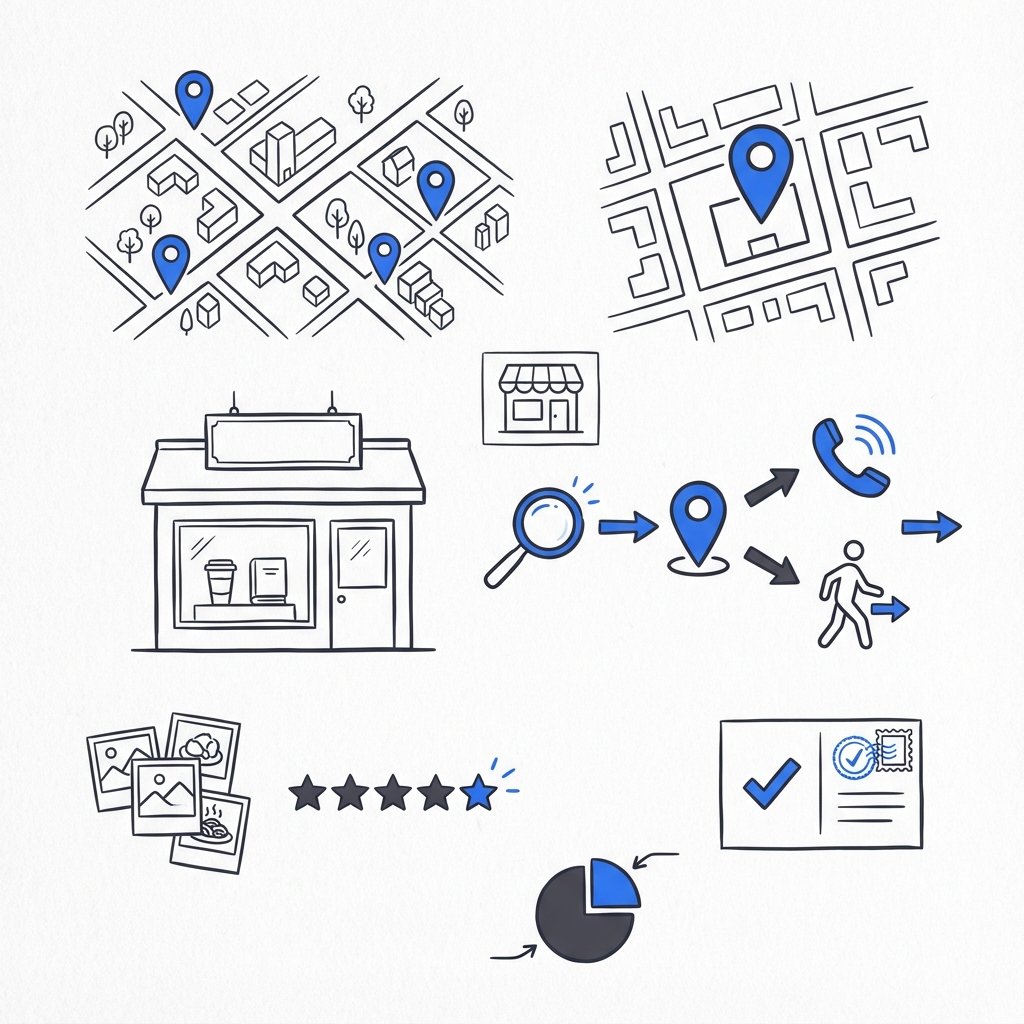
Quick reality check: Google Local Services Ads run on a pay-per-lead system, and understanding Google LSA pricing is the first step toward a predictable local lead program.
Understanding Google LSA pricing
Google LSA pricing isn’t a fixed fee you can look up in a single chart. Instead, it changes by market, category, lead type and how you configure your account. At its core the platform charges when a lead passes Google’s validation rules — you pay for contact, not for impressions or clicks. That sounds clean, but the details matter for your profit and your patience.
Ready to test LSAs without guesswork?
Want a quick sanity check on whether LSAs will work for your shop? Book a short consult with Agency VISIBLE and we’ll sketch a ZIP-code test plan you can run this month.
Because this guide is practical, we’ll move step-by-step: what you pay for, why prices swing, how to forecast costs, and specific actions you can take to keep spend under control while still getting good leads.

What you are actually paying for
With standard search ads you pay when someone clicks. With LSAs you pay when a lead — usually a phone call, text, message, or booking — is counted as valid by Google. That per-lead model makes Google LSA pricing feel more performance-driven, but it also means you must judge lead quality, dispute bad leads, and understand validation rules.
Typical ranges reported by agencies in 2024–2025 sit roughly between $15 and $200+ per lead. Common home-service categories (plumbing, electrical, HVAC, cleaning) often fall in the $20–$100 band. High-value work (roofing, major HVAC replacements) tends to cost more per lead. Urban ZIP codes and affluent areas often push prices up because more providers compete there. For a broader cost breakdown see WebFX’s LSA cost guide.
How billing works – the mechanics
You set an average weekly budget and Google paces delivery based on it. Instead of bidding in real-time auctions for each click, you’re competing for placement in the LSA panel and paying when a lead is validated. Charges show on your Google billing account and can be disputed if the lead fails Google’s criteria.
Google LSA pricing appears in your billing as per-lead charges. You can pause campaigns anytime to stop delivery and billing, and Google supplies basic reporting on leads, status, and dispute outcomes.
Why per-lead prices vary so much
Several predictable forces move the needle on Google LSA pricing:
- Competition: More active advertisers in a ZIP code generally mean higher prices.
- Service value: High-ticket services justify higher per-lead spend because the lifetime value or single-job revenue is larger.
- Lead type & filters: Booked appointments and verified jobs cost more than simple information calls.
- Location: Dense, affluent markets cost more per lead than rural areas.
- Seasonality: Demand spikes (e.g., summer for AC or winter for heating) push costs up during peak months.
Every time you tighten filters for quality — for example, requiring licenses, certain service types, or only booked appointments — you shrink lead volume and raise Google LSA pricing on average.
Lead validation and disputes
Google screens for valid leads. If a contact is spam, duplicated, outside your service area, or otherwise invalid, you can dispute it. Successful disputes can yield a refund or credit. The process requires documentation — call logs, timestamps, notes, or proof of duplication — so tracking and discipline matter.
Tip: Keep a simple log that matches LSA leads to your CRM entries. If you don’t dispute clear invalid leads, small refunds add up to real dollars left on the table.
Setup time, verification and hidden costs
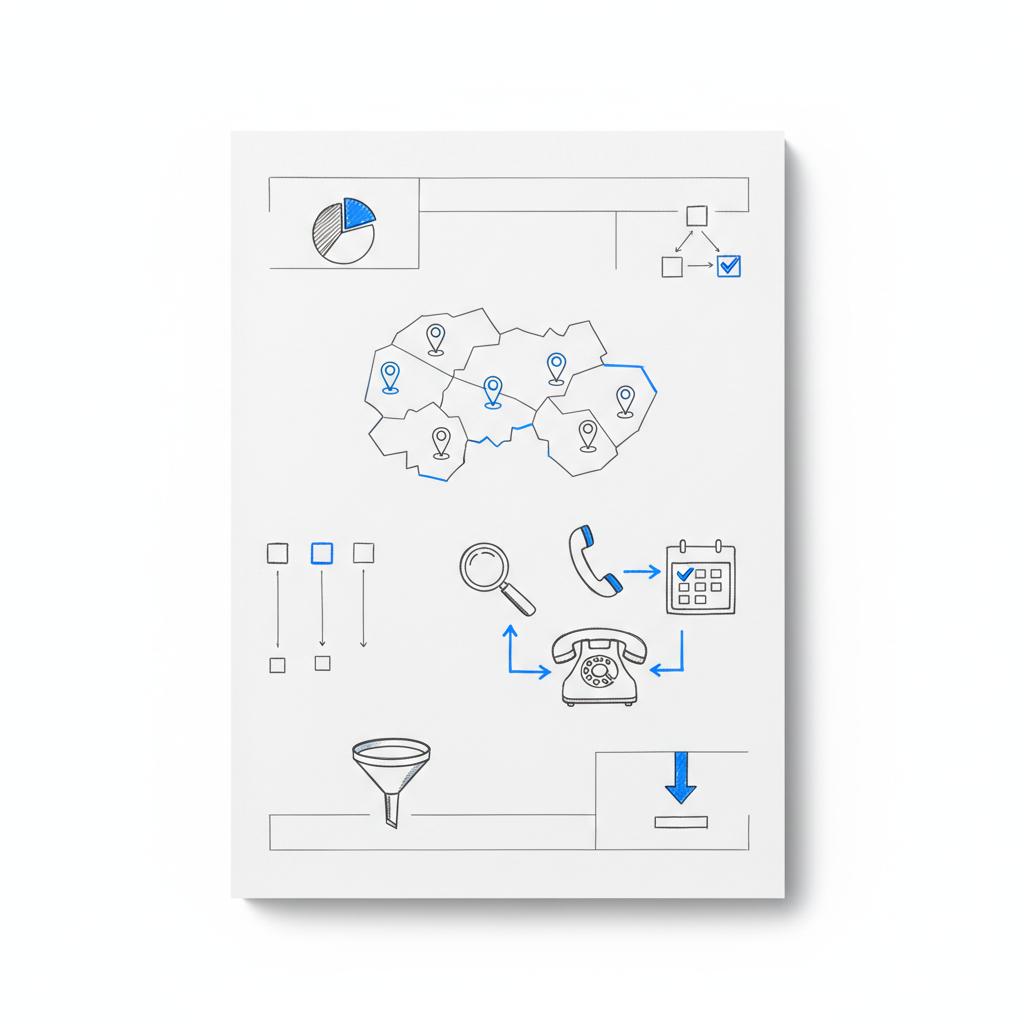
LSAs require business verification, background checks for owners or technicians, and proof of licenses and insurance where applicable. Approval can take a few days to a few weeks. That ramp time should be part of your go-live plan. For details on how Google describes the program see the Local Service Ads page.
Also budget internal costs: someone must answer calls quickly, follow up, and log outcomes. Phone staffing, after-hours call services, and lead-management tools all feed into your effective cost per new customer.
Google LSAs charge per validated lead, and what counts as a lead depends on your configuration. By default, basic information calls, messages and booking requests can trigger charges. If you restrict leads to only booked appointments, your cost-per-lead typically becomes higher but the leads are more likely to convert. Define what ‘lead’ means for your business before testing so you can evaluate the true cost and conversion rate.
How to estimate costs for your ZIP code and vertical
If you want a precise number for Google LSA pricing in your market, the truth is: testing is necessary. Benchmarks and agency data give ranges, but local conditions matter. A simple, reliable approach is to run a short test with a modest weekly budget to collect real leads and measure conversion rates from lead to booked job.
Another sensible path is to use anonymized benchmarks from experienced partners. At Agency VISIBLE we often share guidance: plumbing in mid-sized metros might see $30–$70 per lead, roofing often falls in the $80–$200+ band. Those numbers are directional, not guaranteed.
Design a low-risk test
To forecast Google LSA pricing for your business, follow a short test design:
- Pick one or two ZIP codes where you already get organic calls.
- Set a conservative average weekly budget for 3–6 weeks.
- Define what you count as a quality lead before starting.
- Track every lead with a CRM or spreadsheet: source, outcome, job value, and whether you disputed it.
- Measure conversion rate from lead to booked job, average job value, and gross margin to compute ROI.
From that test you can compute realistic Google LSA pricing and decide whether to scale or refine targeting and filters.
Controlling spend without killing lead flow
Keeping Google LSA pricing predictable means using tools and rules, not hoping delivery behaves. Here are practical levers:
1. Budget pacing
Set a weekly budget you can comfortably afford. Google paces delivery across the week; start conservative and increase if returns look good.
2. Lead filters
Tighten filters if you want only booked appointments or licensed pros. Expect higher per-lead costs. Loosen them to lower per-lead cost but increase volume and screening work.
3. Scheduling and seasonality
Pause campaigns in slow months or when your team can’t handle extra calls. This is blunt but effective for avoiding wasted spend.
4. Dispute invalid leads
Document and dispute clearly invalid leads promptly. It’s surprising how many businesses lose money by not using the dispute system.
5. Use lead data to refine targeting
Keep notes on which leads convert. Over time, you’ll learn the profile of a profitable LSA lead for your business and can tweak filters and budgets accordingly.
Real numbers: a simple example
Let’s walk through a realistic scenario so Google LSA pricing stops being abstract.
Imagine a small HVAC company with a $500 weekly budget (≈ $2,000 monthly). If cost per lead averages $80, that’s about 25 leads per month. If 20% of leads become booked jobs, you land five jobs. At $1,200 average ticket and 40% gross margin, you get $2,400 gross profit minus $2,000 ad spend = $400 net – before overhead. That’s tight. But if conversion rises to 40% and average ticket to $1,500, the numbers look far better.
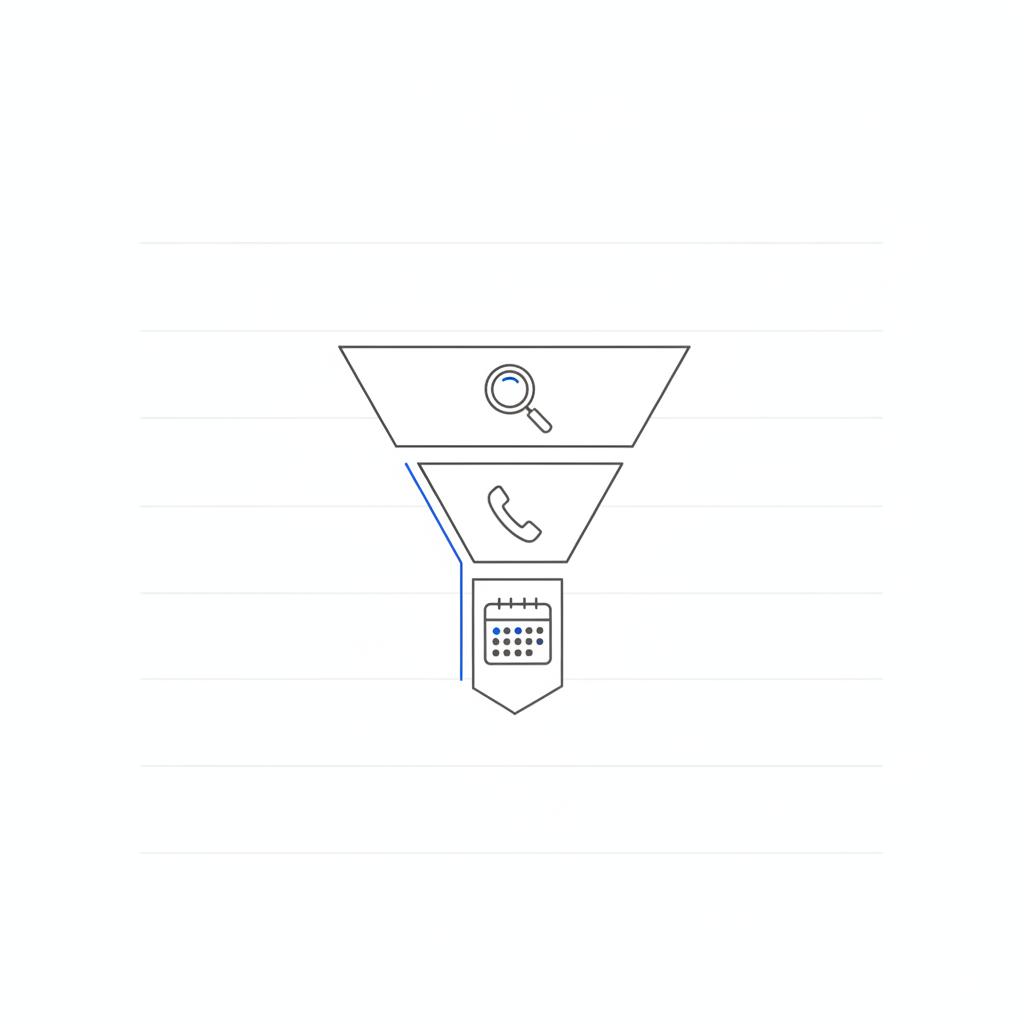
The lesson: Google LSA pricing must be viewed alongside conversion rate, job value, and lifetime value to understand whether spend is sensible.
Comparing LSAs to other channels
LSAs capture high-intent, local searchers right when they need help — that’s their strongest advantage. They don’t replace long-term organic work, referrals, or reputation building. Instead, they often complement those channels by providing immediate calls. Industry metrics also show LSAs can outperform other paid options in user preference – see recent LSA statistics at The Media Captain.
When comparing channels, consider that LSAs charge for legitimate contact, not clicks — which can make attribution simpler. If you need fast calls, LSAs are often more direct than organic SEO. If you need long-term brand equity and cheaper acquisition over time, invest in SEO, content, and referrals too; you can visit our homepage for more on combining channels.
For a practical combination of tactics — short LSA pilots plus local SEO to lower long-term acquisition cost — many businesses choose to work with a partner. If you’d like a test plan tuned to your ZIP code, contact Agency VISIBLE for a short pilot and growth plan.
Common pitfalls and how to avoid them
People often fall into these traps when they first run LSAs and face unexpected Google LSA pricing results:
- Expecting immediate profit without tracking conversions and follow-up.
- Not documenting disputed leads or missing the dispute window.
- Focusing on per-lead cost alone without measuring lead quality.
- Underestimating internal costs (staff, phone handling, follow-up).
- Not planning for verification time and approvals.
Fixes are straightforward: define leads, track outcomes, answer calls quickly, keep clear records, and run short tests.
Practical field tips that work
Here are short, actionable practices that repeatedly improve results with LSAs:
- Answer fast: Immediate response increases conversion sharply.
- Single owner for first contact: One person or a small team should own the initial reach-out.
- Simple scripts: A short intake script helps qualify calls quickly and consistently.
- Track outcomes: Use a CRM or spreadsheet to link leads to jobs, values and disputes.
- Short tests: Run quick pilots in one or two ZIP codes to learn before scaling.
Measuring long-term value
Cost per lead is only one piece. Lifetime value (LTV) and repeat business turn LSA spend into a profitable investment. Build a simple LTV model using average job value, repeat frequency, and margin. If a customer generates $4,000 over three years, paying $150 for the initial lead may be a reasonable choice.
Keep LTV conservative at first. If your numbers improve with better service and follow-up, LTV increases and your willingness to spend per lead should rise accordingly. That’s how a smart program scales.
Case story: a plumber who learned to tune LSAs
A small plumbing business started with a conservative weekly budget in one ZIP code. Week one brought a mix of low-value calls and a couple of strong leads. The owner disputed two spammy calls and got credits. They tightened filters by week three to prioritize booked appointments. Cost per lead rose, but conversion improved. By month two they had reliable bookable leads and doubled their close rate with faster response and a brief onboarding script. Their ability to manage volume made Google LSA pricing worth the investment.
When LSAs are a good fit — and when they’re not
LSAs fit businesses that:
- Provide local, on-demand services (plumbing, electrical, HVAC, roofing, cleaning).
- Can answer phones fast and perform timely follow-up.
- Have margins or lifetime value to justify per-lead spend.
LSAs may be a poor fit if you have very low ticket sizes, long sales cycles, or if you can’t staff calls. In those cases prioritize referrals, local SEO, and other lower-cost channels while testing LSAs on a narrow basis.
Final checklist before you start
Before you launch, confirm these items to keep Google LSA pricing predictable:
- Documents for verification and background checks are ready.
- Someone owns first-call response and logging.
- A clear definition of a qualified lead exists.
- A modest weekly budget for a 3–6 week test is allocated.
- You have a dispute process and record-keeping in place.
Wrap-up: practical next steps
LSAs are not free. They are a pay-for-contact channel that can deliver high-intent local leads quickly if run with discipline. Learn the platform, test with small budgets, measure conversion and lifetime value, and tune filters and staffing to control Google LSA pricing.
Over time, combine LSAs with local SEO and referral efforts to lower long-term acquisition costs and maximize lifetime customer value.
Want help building a simple ZIP-code test or running conversion math for your shop? Agency VISIBLE offers light-touch pilots that help you see real per-lead costs before you scale — saving time and money.
Key takeaways: Pay attention to verification, staffing, disputes and conversion tracking. Use a test-first approach and adjust filters to balance volume vs. quality.
Thanks for reading — invest a little testing time and you’ll know if LSAs earn their keep for your business.
No. Google Local Services Ads are not free. They operate on a pay-per-lead model, meaning you are charged when Google validates a lead (phone call, message, or booking). You can set budgets, dispute invalid leads, and pause campaigns, but the platform itself charges per valid contact.
Cost per lead varies widely by industry, location, and lead type. Benchmarks for 2024–2025 show a broad range, roughly $15 to $200+ per lead. Many home-service categories land in the $20–$100 range; high-ticket services like roofing often sit at $80–$200+ depending on competition and ZIP code.
Yes. You control spend with an average weekly budget, lead filters, scheduling and by pausing campaigns. Disputing invalid leads and refining filters also helps reduce wasted spend. Running short tests and tracking conversion rates will help you set an efficient budget.