Paying attention to advertising budgets matters in real estate. Start with realistic expectations and a plan that maps spend to results. In the paragraphs below you’ll find clear, practical steps and specific numbers so you can decide how to run and scale campaigns that work.
Why the question matters: Real estate is local, competitive, and often seasonal. That means the answer to “Google Ads for real estate” is not a single number – it is a set of choices that shape cost, volume, and return.

Understanding the basics: cost drivers for Google Ads for real estate
There are three big things that determine how much Google Ads for real estate will cost you: the bidding model, your target market, and the competition for the keywords you care about. Click-through costs and the total monthly spend follow from those choices. Let’s break each down.
Bidding models and what they mean
Google offers several ways to pay. The most common for local real estate is cost-per-click (CPC), where you pay each time someone clicks your ad. Another option is cost-per-thousand impressions (CPM), sometimes used for brand awareness, and less common for direct lead generation. There’s also cost-per-acquisition (CPA), which you can set as a target in automated bidding when you have conversion data. Each model changes expectations: CPC gives you control over per-click cost, while CPA focuses on the price of a converted lead.
Why location and competition change prices
Markets with higher property values and more agents typically have higher bids. If you run ads in a dense, high-value market, the cost-per-click will rise. Rural or less-competitive areas usually have lower CPCs. This is why a campaign in a small town can cost a fraction of one in a big metro area.
Keywords: the single biggest driver
Keywords like “homes for sale” or “buy condo” are broad and competitive. Long-tail keywords such as “3-bed houses under 500k in [town]” are cheaper and often convert better. For that reason, focusing on more specific queries helps both cost and relevance.
Typical price ranges (real-world guidance)
To answer how much are Google Ads for real estate in practical terms, we look at ranges rather than absolutes. Expect variation, but these ranges reflect what many agents and small brokerages see.
Per-click estimates: In many U.S. metro areas, cost-per-click for real estate search queries commonly falls between $1.50 and $6.00 for moderately competitive keywords. In highly competitive premium markets, CPCs can rise to $10-$30 on top keywords. In smaller markets, CPCs of $0.50-$1.50 are not unusual.
Monthly budgets: A common starting budget for an individual agent is $500-$1,500 per month. For small brokerages looking for a steady flow of leads, budgets often land in the $2,000-$8,000 monthly range. Larger brokerages or teams in hot markets might spend $10,000+ per month to dominate local search.
Those numbers answer the direct cost question, but you should always link spend to outcomes: how many calls, form fills, or booked showings resulted from that spend. For broader benchmark context you can compare with reports such as WordStream’s 2025 Google Ads benchmarks and detailed collections like Storegrowers’ Google Ads benchmarks and the AgencyAnalytics’ cost report.
How much are Google Ads for real estate when measured by results
Cost is one thing; cost per meaningful action is another. Focus on cost per lead and cost per closed deal. When you know these, you can tell whether ads are profitable.
Cost per lead: Depending on how you track leads and the quality of your landing pages, cost per lead for real estate tends to fall between $20 and $250. Lower costs often indicate broad, low-intent traffic; higher costs can still be fine if those leads close at a much higher rate.
Cost per closed deal: This varies wildly by market and price point. If your average commission per closed sale is $10,000 and your cost per lead is $200 with a 1-in-10 close rate, your cost per closed deal is $2,000 – which might be profitable. That math is why tracking conversion rates matters.
Example scenarios
Scenario A: A solo agent in a mid-sized city sets a $1,000 monthly budget. With a $4 average CPC, they get about 250 clicks. If 10% become leads (25 leads) and 20% of those close (5 deals), the agent can calculate whether the spend makes sense.
Scenario B: A small brokerage spends $6,000 monthly in a competitive market. With an average CPC of $8, they receive 750 clicks. If 5% convert to leads (37 leads) and 10% of those close (3-4 deals), the brokerage must check if the commission per deal and overall lifetime value justify the expense.
How to plan a first-month budget
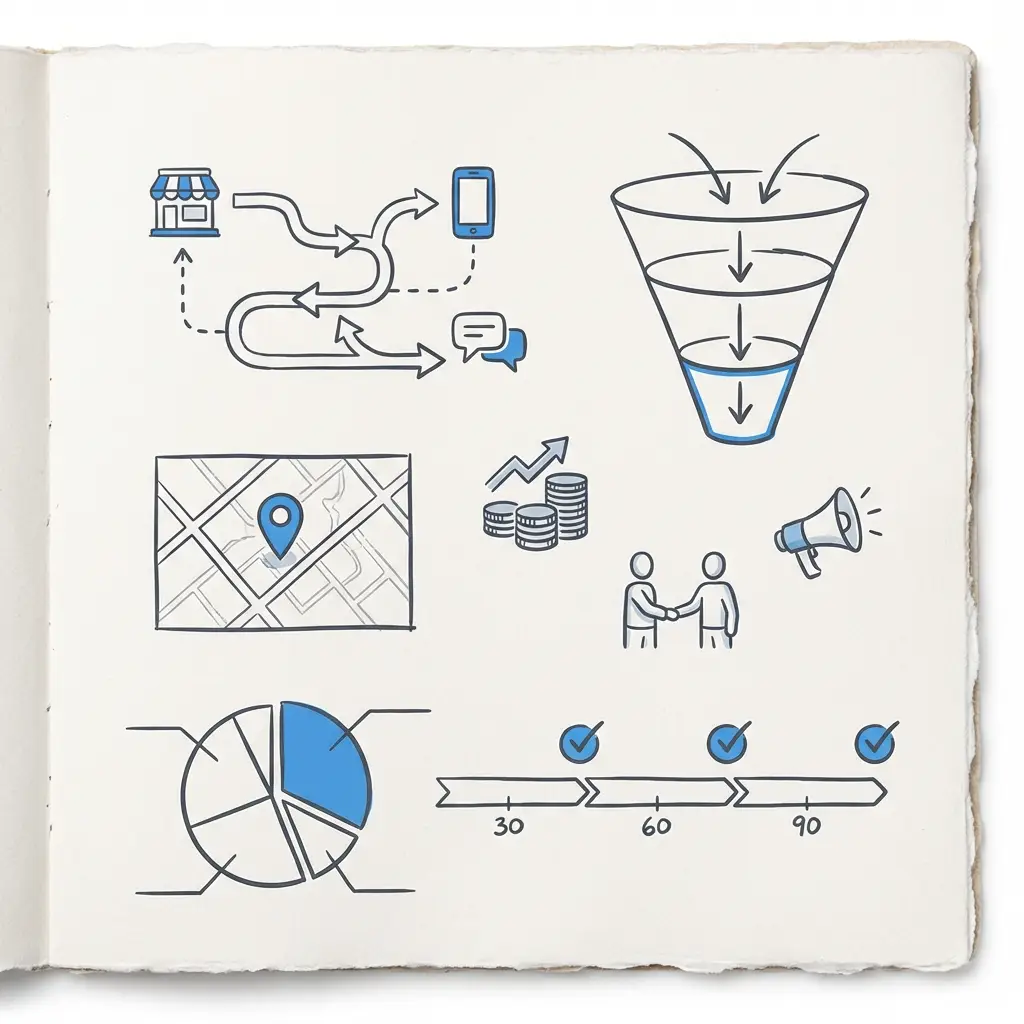
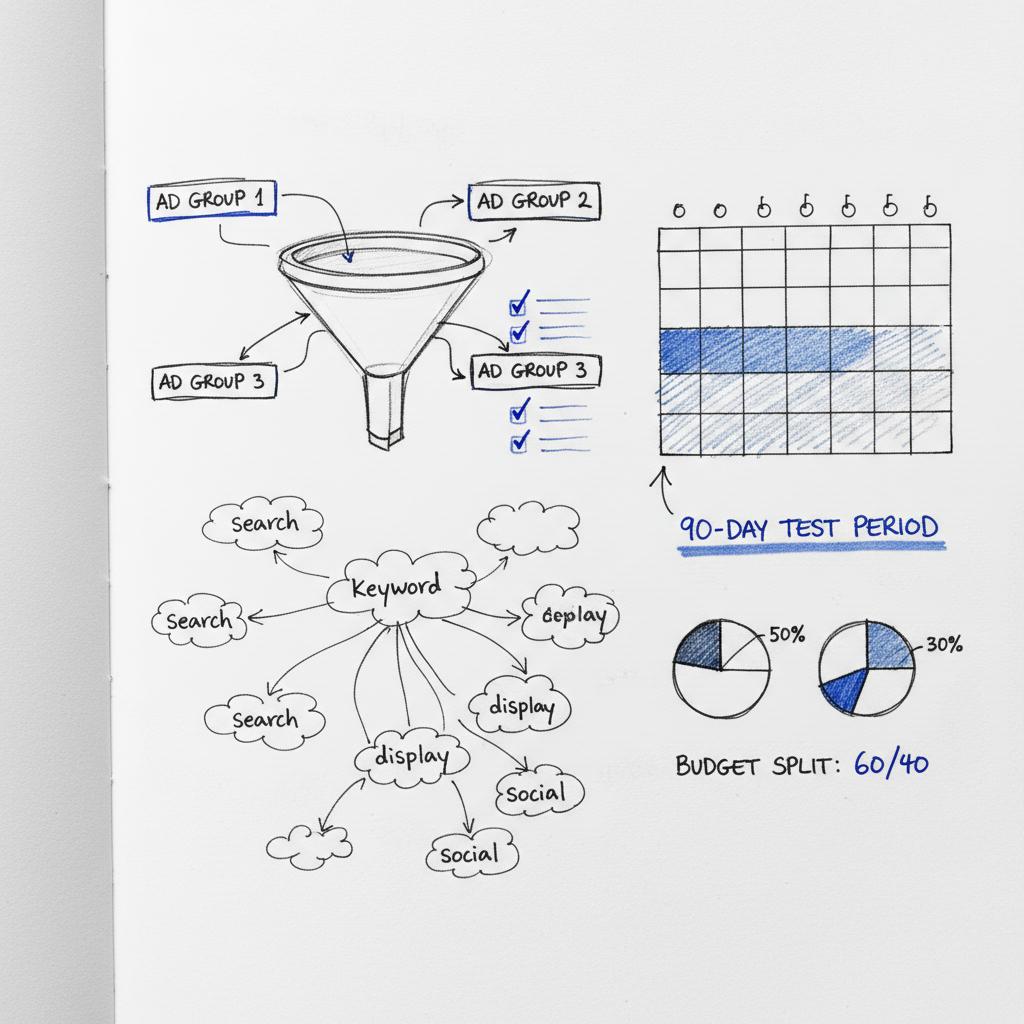
Start small, test quickly, and scale what works. A 90-day window is the minimum to gather meaningful data. Here’s a simple plan:
Month 1: Explore
Set a modest budget: $500-$1,500 depending on your market. Test 4-6 keyword themes, 2-3 ad variations, and a single landing page per offer. Let campaigns run for at least two to three weeks before making major changes.
Month 2: Learn
Analyze which keywords and ads produce the best click-through and lead rates. Optimize landing pages and add negative keywords. Increase budget on high-performing themes by 20-50%.
Month 3: Scale
Shift spend to the best-performing keywords and ad groups. Introduce remarketing to recapture visitors and expand location targeting if performance holds. By the end of 90 days you should have clear cost-per-lead benchmarks.
Targeting that makes spend efficient
Precise targeting reduces wasted spend. Use these tactics to get better value from Google Ads for real estate campaigns.
Geographic targeting
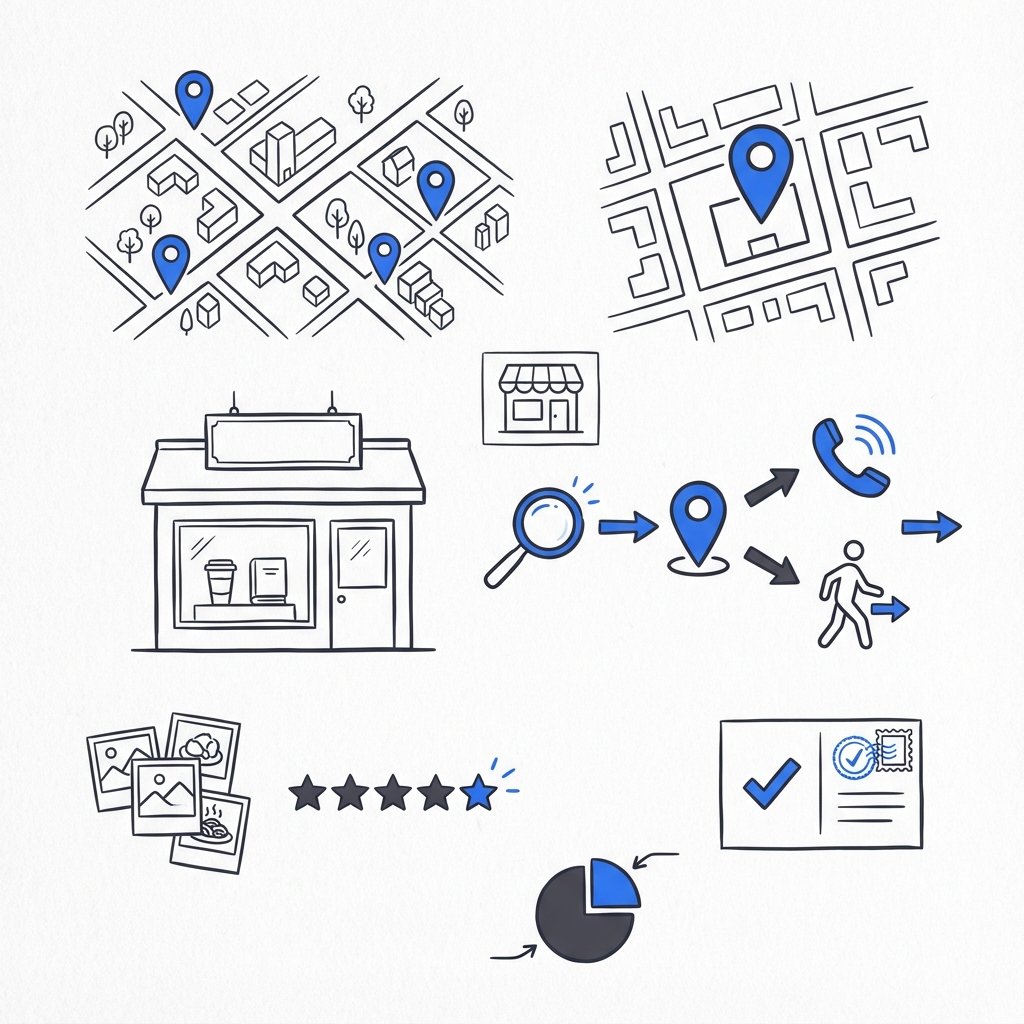
Limit ads to specific ZIP codes, neighborhoods, or a radius around listings. This prevents clicks from users outside your service area and helps keep CPCs lower.
Audience signals and remarketing
Layer audience signals to show ads to people who already visited your site or searched similar queries. Remarketing lists often have lower CPCs and higher conversion rates because the audience is already familiar with your brand.
Ad schedule and device targeting
Analyze when leads happen. If most conversions happen during business hours, reduce bids at night. If mobile leads convert at a lower rate, test different mobile-specific landing pages before increasing mobile bids.
Creative and landing page tips that lower costs
Better ads and clearer landing pages improve quality scores and lower CPCs. Quality Score is Google’s estimate of how relevant and useful your ad and landing page are to the person seeing it. Higher quality scores often lead to lower costs.
Write useful ad copy
Match ad copy to search intent. If someone searches “buy home in [neighborhood],” include the neighborhood in your headline and the specific benefit in the description. Clear, direct copy leads to higher click-through rates and more qualified traffic.
Design landing pages for intent
Keep landing pages focused: one offer, one clear action. Use short forms or click-to-call buttons. Show immediate proof: recent sold properties, a short testimonial, or an example price range. Faster answers reduce friction and raise conversion rates.
Measuring and attributing leads
Set up simple conversion tracking from the start. Track form submissions, phone calls from ads, and requests for showings. Use UTM tags so you know which campaigns and keywords drive which leads. That data tells you whether Google Ads for real estate are producing value.
Tip: Track phone calls as conversions by using call tracking or Google’s call forwarding. Many agents underestimate calls that come directly from search and never tie them to campaigns.
Common mistakes that raise costs
Knowing what not to do saves budget. Avoid these mistakes which commonly push costs up:
1. Bidding on too-broad keywords
Broad keywords attract low-intent clicks. Replace them with more focused, location-specific searches.
2. Not using negative keywords
Negative keywords stop irrelevant queries. Without them, you pay for clicks that will never convert.
3. Sending clicks to generic pages
Generic pages convert poorly. Use targeted landing pages that match the ad copy and user intent.
When to hire help
Not everyone needs an agency. But if you’re spending hundreds or thousands per month and not seeing consistent leads, a partner can help optimize faster. A good partner brings strategy, quicker tests, and polished creative. See examples of work on our projects page or learn more on our homepage.
Tip: If you want a quick review of your current campaigns and a clear plan for improvement, consider getting a short consultation from Agency VISIBLE’s contact page to discuss real-world steps you can test in 30 days.
Advanced levers to control cost
For more experienced advertisers, these strategies help control or reduce spend while maintaining lead volume.
Smart bidding with conversion data
Smart bidding strategies such as Target CPA or Maximize Conversions can lower cost per acquisition once you have a steady stream of conversion data. They take some time to learn, so give automated bidding a month or more to stabilize.
Local inventory ads and listing extensions
For teams that manage many properties, use listing extensions and local inventory features to show specific properties directly in search. That increases relevance and often improves click and conversion rates.
Use of video and display for awareness
Video and display campaigns can be cheaper per view and useful for building awareness, but they convert at lower rates for immediate leads. Use them to complement search campaigns and to feed remarketing audiences.
Budget allocation: search vs. remarketing vs. display
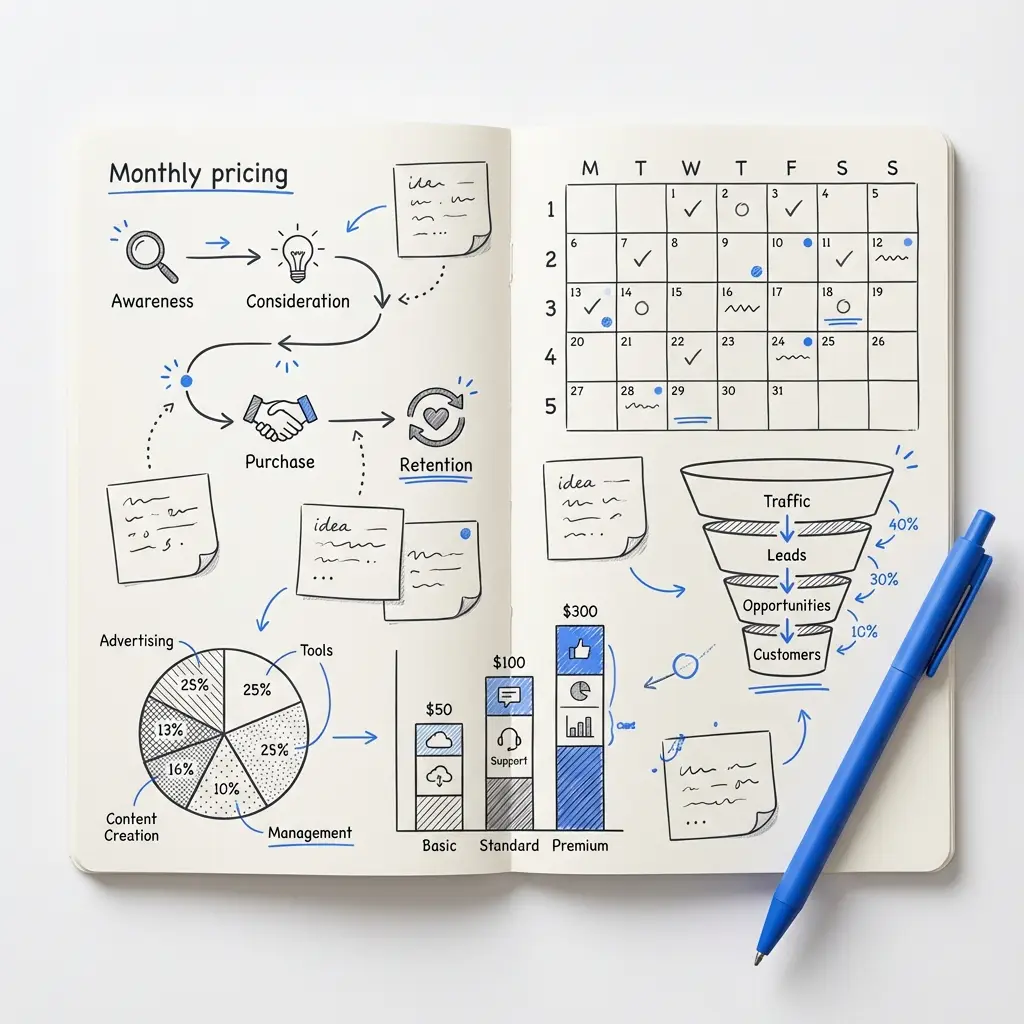
A healthy mix often looks like this for lead-focused campaigns: 60-80% search, 10-25% remarketing, 5-15% display/video for awareness. Shift percentages based on how your funnel behaves – if remarketing converts strongly, increase that slice.
Seasonality and market cycles
Real estate has seasonal highs and lows. Expect more searches in spring and early summer. Use historical data to raise bids in peak months and reduce spend in slow months, or use slower months to test new keywords and creatives with lower CPCs.
How much are Google Ads for real estate: a checklist to set your numbers
Use this checklist to pick a starting budget and plan measurement:
1. Define your target area and property types. Narrow geography lowers waste.
2. Choose focused keyword groups (3-6 per campaign).
3. Set a conservative monthly budget for 90 days you can afford to test.
4. Build focused landing pages and track conversions.
5. Measure cost per lead and cost per closed deal, and compare to your commission.
Real example: small agent test
An agent in a suburban market launched search ads with a $750 monthly budget. They targeted three neighborhoods, used five long-tail keywords, and ran two ad variations. Their average CPC was $2.40 and they recorded 312 clicks in 30 days. That produced 28 leads and ultimately 3 listings, yielding a positive ROI. The key was geographic precision and a landing page with a short contact form.
Scaling safely
When you find a combination of keywords and landing pages that work, scale in small steps. Increase budgets by 20-30% and watch lead quality. Scaling too fast risks increasing costs because you’ll begin reaching lower-intent audiences.
Testing ideas that often improve performance
Try these small experiments:
– Replace broad match with phrase or exact match for key terms and monitor clicks and leads.
– Create a property-specific landing page for a high-value listing and run a targeted campaign to its market.
– Add call-only campaigns during peak call hours to capture immediate interest.
Reporting: what to track weekly vs. monthly
Weekly reports should track clicks, CPC, impressions, and click-through-rate (CTR). Monthly reports should summarize leads, cost per lead, closed deals attributed to ads, and cost per closed deal. Over time, these numbers form the basis of budget decisions.
Commonly asked practical questions
Below are quick answers to frequent, practical questions about investing in Google Ads for real estate – short, clear, and actionable.
Start with a modest, testable budget (typically $500–$1,500/month for an agent). Run focused campaigns on 3–6 keyword themes, use 2–3 ad variations, and a dedicated landing page. Track cost per lead weekly and cost per closed deal monthly. After 90 days, keep what’s profitable and increase budgets by 20–30% on winning campaigns.
Should I pause ads if leads drop? Not immediately. Check whether the drop is due to seasonal shifts, budget exhaustion, or changes in impression share. Run diagnostics before pausing and try small optimizations first.
Is it better to focus on Facebook or Google? For direct intent (people actively searching for homes), Google search ads are usually more effective. Facebook is strong for awareness and remarketing. Use both if budget allows, with Google focused on high-intent searchers.
How many keywords should I target? Start with focused groups: 30-100 keywords split across targeted ad groups. Too many keywords in one ad group dilute relevance.
How to estimate ROI quickly
To estimate ROI, take your average commission per sale, multiply by expected close rate from ad leads, and subtract ad spend. Example: if commission is $8,000, expected close rate from ad leads is 10%, then average revenue per lead is $800. If your cost per lead is $200, you net $600 per lead before other costs. This quick math helps you decide how much to spend to scale.
When a cheaper channel is actually worse
Low CPCs can be tempting but not always beneficial. If a cheaper channel delivers low-quality leads, you’ll pay more downstream in time and effort. That’s why measuring cost per closed deal matters more than raw CPC. Don’t equate cheap clicks with cheap customers.
Wrap-up guidance
So, how much are Google Ads for real estate? They can cost as little as a few hundred dollars a month in modest markets or tens of thousands in highly competitive areas. The smarter question is: how much should you spend to earn a profitable client? Start with a test budget, track cost per lead and closed deal, and scale what produces profitable outcomes.
Ready to see what works for your market?
Ready to see what works for your market? Book a quick review and get a 30-day plan that ties budget to realistic lead targets — simple, measurable, and actionable.
Remember: precise targeting, focused landing pages, and careful measurement are the fastest ways to make your ad dollars work harder and reduce wasted clicks.
Use the checklist, run a 90-day test, and make small, data-driven changes. Over time, your ads will become more efficient, predictable, and profitable.
Good luck – and may your next listing get the attention it deserves.
A solo agent should start with $500–$1,500 per month for the first 90 days. This budget allows you to test several keyword themes, run 2–3 ad variations, and collect enough data to understand cost per lead. After 90 days, evaluate cost per lead and cost per closed deal and scale the budget on what works.
Yes, in many markets a $500 monthly budget can produce quality leads if your targeting is narrow, you use long-tail keywords, and your landing page is focused. Lower budgets require very specific geographic and keyword targeting to avoid wasted clicks.
Start with manual or conservative automated bidding until you gather conversion data. Once you have consistent conversion history (usually several dozen conversions), smart bidding strategies like Target CPA can improve efficiency. Automated bidding needs time to learn, so avoid major changes while it stabilizes.