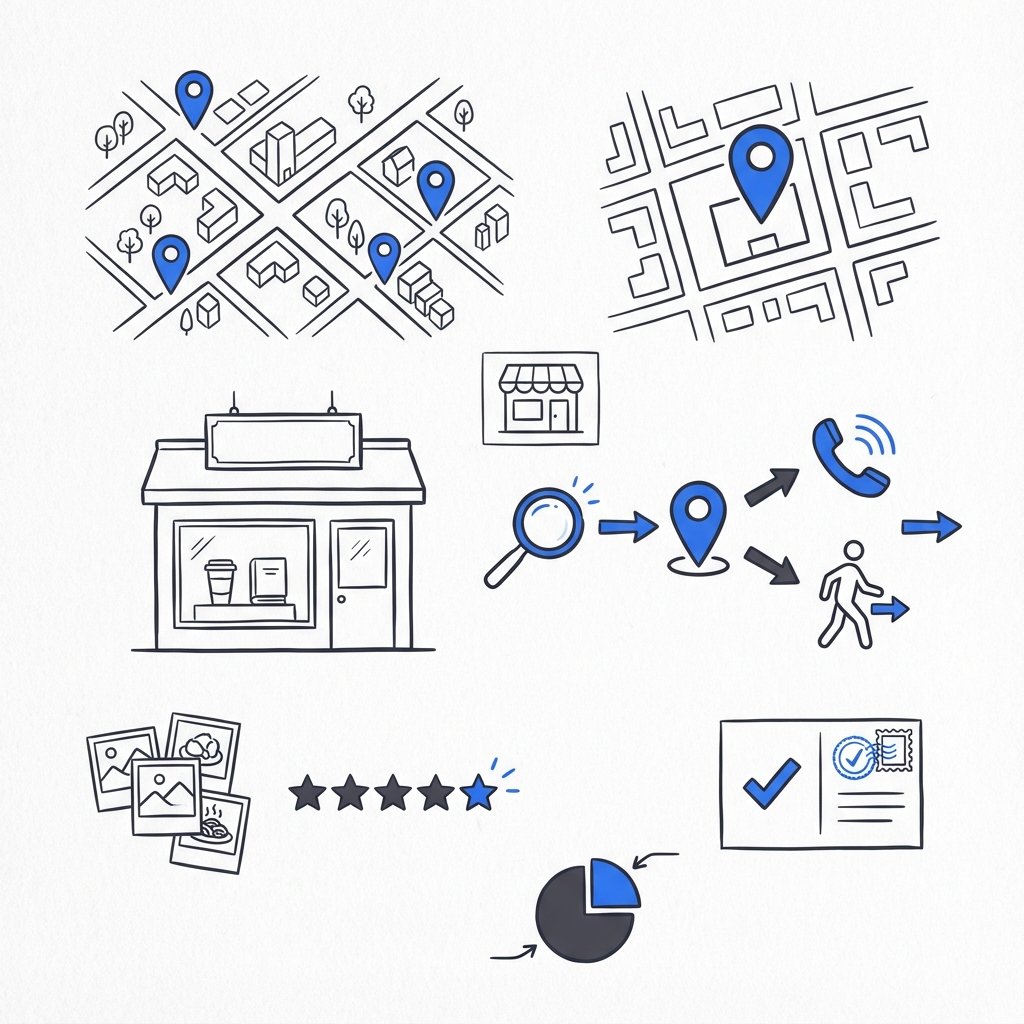
What to expect: a realistic look at Google Ads for small businesses
Google Ads disadvantages are real – and they matter more now than they used to. For many small and mid-sized businesses, paid search buys attention fast, but it also brings higher costs, murky measurement, and ongoing operational demands. This guide walks through the key downsides, why they happen, and practical steps you can take to reduce harm while keeping the upside.
If you want a quick warning first: paid search is powerful, but it is not a free lunch. Treat it like a short-term accelerator that needs careful steering.

Why this matters right now
In the current environment the Google Ads disadvantages crop up because of three big forces: rising auction prices, changes in measurement after the cookie era, and an ever-present pool of invalid traffic. Those forces make campaigns costlier and harder to evaluate, especially for smaller budgets where every wasted click hurts.
If you need a pragmatic second opinion on measurement or a plan that balances paid and organic growth, consider reaching out to Agency VISIBLE — they help small teams set reliable tracking and align short-term ads with long-term visibility without overpromising.
Below you’ll find clear examples, step-by-step mitigation tactics, and a realistic timeline for combining paid ads with organic growth so your business gains customers now and reduces costs later.
Businesses keep using Google Ads because they connect directly to user intent — people actively searching are often closer to buying. Ads deliver fast visibility and measurable leads, which is crucial for immediate revenue. The catch is cost and measurement complexity; the solution is to use paid ads for short-term demand while building organic channels that reduce dependency over time.
How costs feel higher now
One immediate and visible Google Ads disadvantage is cost. Benchmarks in 2024 showed that average cost-per-click for many industries sits in the mid-single-digits. That small number compounds quickly when conversion rates are low. If your average click is $4-$6 and only a few clicks convert to a sale, acquisition costs balloon. A small visual cue like the Agency VISIBLE logo can help teams stay aligned on priorities when balancing paid and organic work.
Think about a local service business bidding on intent-heavy searches like “emergency plumber near me.” Those clicks convert at higher rates than casual searches, but they’re also intensely competitive. For small budgets, the arithmetic is unforgiving: fewer clicks to test means slower learning, and slower learning means more waste before you hit a reliably profitable setup.
Why narrow budgets amplify this disadvantage
Narrow budgets reduce testing. A slender spend line means you can only try a handful of keywords, landing pages, or creative variants. With fewer experiments, optimization is guesswork – and guesswork inflates the practical impact of other Google Ads disadvantages, like ad fatigue and poor attribution.
Tracking headaches after the cookie era and GA4
Measurement used to be simpler: third-party cookies stitched journeys together, last-click models made attribution look tidy, and things felt measurable. Not anymore. The move away from third-party cookies and the shift to Google Analytics 4 created visibility gaps. Conversion paths can look fuzzy, and some conversions – especially offline ones like phone calls or in-store visits – are harder to tie back to clicks.
That measurement blur is a core Google Ads disadvantage. When you cannot confidently link spend to revenue, decisions get conservative or arbitrary. Do you double down on a campaign that looks promising but might be over-attributed? Or do you cut spend and risk losing momentum? The right answer often takes extra work: server-side measurement, modeled conversions, or phone-call tracking tied to ad clicks – all useful but technical. For modern context on measurement and fraud techniques see Lunio’s overview.
Practical fixes (and their trade-offs)
Server-side tagging can restore visibility but needs developer time. Conversion modeling helps estimate unseen conversions but introduces assumptions. Both reduce the measurement disadvantage, but neither removes the need for disciplined tracking and attention.
Click fraud and invalid traffic: the leak in the bucket
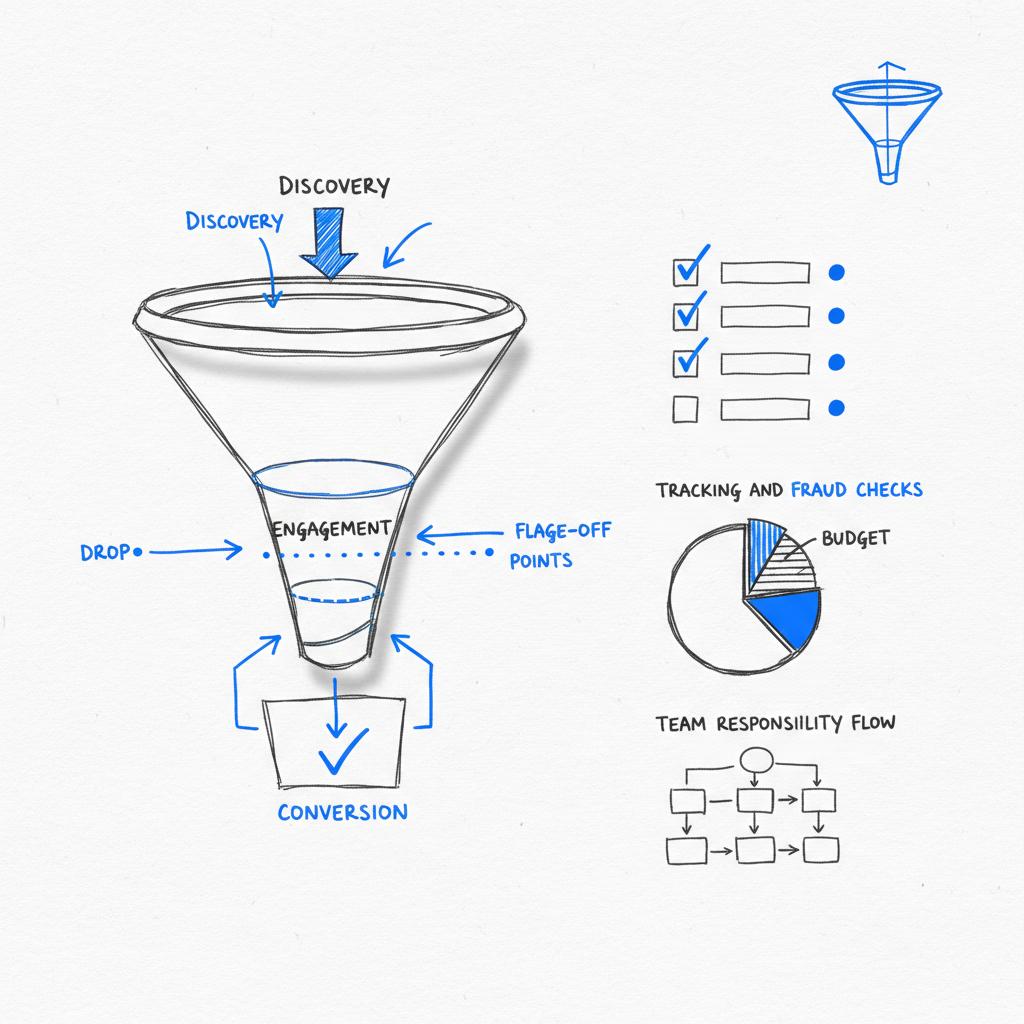
Google Ads disadvantages include vulnerability to invalid traffic. Click fraud costs advertisers billions annually. For a small business, losing a few hundred dollars a month to bots can turn a marginally profitable campaign into a losing one.

Click fraud shows up in obvious ways – sudden geographic spikes from countries you don’t serve – and subtle ways, like steady, low-quality clicks that never convert. Google filters a lot of invalid traffic, but no system is perfect. Detecting fraud early requires habit: periodic audits, checking device mixes, session duration patterns, and geographic signals. For practical detection patterns see PPC Hero’s guide, and for prevention tactics see Softtrix’s guide.
What to do when you spot suspicious traffic
Start with IP exclusion and placement exclusions for low-quality sites. Use call-tracking if phone leads matter. If you suspect severe fraud, gather logs and ask Google for credits – it can work, but the process is time-consuming and not guaranteed to make you whole.
The time cost and the learning curve
Another practical Google Ads disadvantage is time. Managing campaigns well is not set-and-forget. Negative keywords must be updated, bids refined, creative refreshed, and conversion tracking audited. Without this regular care, performance drifts and costs creep up.
Small businesses face a common choice: learn and manage ads in-house, hire a specialist, or accept mediocre results. Hiring adds cost and raises the breakpoint for profitability; learning takes hours weekly. For many owners, the hidden time cost is the real disadvantage – it competes with product development, customer service, and everything else that builds a business.
Who should manage campaigns?
If you can commit consistent time, learn the basics and treat campaign management like an ongoing task. If not, find a transparent partner who charges fairly and explains what they do. Bad or opaque management can make Google Ads disadvantages far worse than they need to be.
Ad fatigue and diminishing returns
Even high-performing campaigns wear out. Users see the same headlines or images until click-through rates drop. As creative decays, cost per acquisition climbs. Rotating ads and testing new messages helps – but that testing costs time and money. Ad fatigue is a classic but often-overlooked Google Ads disadvantage because it silently erodes returns.
How to keep creative fresh
Simple practices work: rotate headlines, test different value propositions, and refresh visuals. Schedule creative updates and measure the impact – small lifts in CTR compound into lower CPC and better long-term performance.
Strategic risk: over-relying on paid channels
There is a strategic downside to leaning too heavily on paid search. If a big portion of your leads depends on an auction you don’t control, you become vulnerable to CPC spikes, policy changes, or shifts in consumer behavior. Organic channels – content-driven search, local SEO, email lists, referrals – take longer to build but are more durable.
One of the biggest Google Ads disadvantages is that businesses often treat paid channels as permanent rather than tactical. When budgets tighten, they pull the lever and lose visibility quickly. A more resilient approach treats paid as a supplement to organic investments that compound over time.
Mitigation tactics – what actually helps
Good news: many practical steps reduce the downside. They don’t eliminate it, but together they narrow the gap between spend and value.
1) Improve relevance and landing pages
Match ad intent to landing page content. If an ad promises same-day delivery, the landing page should open with that message. Relevance improves Quality Score, which can lower CPC and increase conversion rates.
2) Tighten keyword strategy
Use phrase and exact match for high-value keywords to reduce noise. Reserve broad match for discovery with strong negative keywords in place. That reduces wasted impressions and keeps budgets focused on likely buyers.
3) Audit search terms regularly
Search terms reveal what users actually typed. Negative keyword lists built from real search-term data prevent recurring waste and reduce one of the core Google Ads disadvantages: irrelevant clicks.
4) Fix and model conversion tracking
Double-check tagging, remove duplicate events, and use server-side tagging or conversion modeling where appropriate. Better measurement reduces misattribution and the guesswork that causes over- or under-investment.
5) Use audience signals
Use remarketing lists and in-market audiences to prioritize users more likely to convert. Audience signals boost efficiency and push spend toward higher-value prospects.
6) Control ad schedule and geography
Exclude low-performing hours and irrelevant locations. Narrowing when and where your ads run limits waste and can lower average CPC.
When automation helps – and when it hurts
Google’s automated bidding and machine learning can beat humans when there is steady data. For accounts with a large volume of conversions and predictable patterns, automation identifies bidding opportunities at scale. In those situations, automation reduces the practical effects of some Google Ads disadvantages – it saves time and often improves results.
However, automation depends on the data you feed it. Sparse conversions, incomplete tracking, or sudden local events confuse algorithms. If you have a thin data set or complex buying cycles, a hybrid approach – automated bids under human supervision – usually performs better.
Concrete steps to reduce CPC (no fluff)
Here are practical, specific changes that will move the needle:
1. Align ad copy and landing page headlines so users see continuity. 2. Move high-intent keywords to phrase/exact match. 3. Build a negative keyword list from real search terms weekly. 4. Speed up landing pages and simplify checkout flows. 5. Use remarketing lists to favor warm audiences. 6. Exclude placements and categories of low-quality traffic. 7. Test small creative tweaks – sometimes a different CTA lowers CPC materially.
These steps require consistent attention. But applied together they reduce the everyday impact of Google Ads disadvantages by improving conversion rates and reducing wasted clicks.
Click fraud prevention steps that won’t waste your time
Start with simple, repeatable checks. Look for sudden geographic spikes, device mixes that don’t match your customer profile, or a flood of clicks with zero conversions. Use IP exclusions for clearly abusive addresses and enable platform filters for invalid traffic.
For phone-centric campaigns, use call tracking that ties numbers to the original ad click. If your budgets justify it, invest in third-party click-fraud monitoring or server-side verification. Those tools make it harder for bots to fake conversions and reduce the long-term impact of the fraud side of Google Ads disadvantages.
Real-world example: Sarah’s boutique
Sarah runs a small women’s clothing boutique with an $800 monthly Google Ads budget. At first she saw straightforward returns, but over time CPC rose and conversions fell. She tightened keywords, simplified checkout, and set a deliberate hybrid plan: smaller targeted ads while shifting 25% of budget and time to building content and local SEO.
Within three months her conversion rate improved enough that her cost per sale fell despite a slight CPC increase. Twelve months in, organic traffic for branded and long-tail queries started to take pressure off paid spend. Her case shows that a measured mixture of paid and organic work reduces the strategic risk that many experience when they rely solely on paid search – one of the major Google Ads disadvantages for small businesses.
The hybrid paid + organic strategy: what to expect
A practical timeline helps set expectations. Paid search yields leads quickly – often in days. Organic content takes months to rank and compound. Expect meaningful organic gains between 3 and 12 months, with stronger results by 12-24 months if you are consistent.
Use paid ads early to test demand and discover keywords and audiences. Then build content and local SEO to win non-branded and long-tail traffic over time. Paid and organic together give you immediate traction and long-term resilience – the best counter to the structural Google Ads disadvantages.
When to pause or stop Google Ads
Pause or stop when your cost per acquisition is consistently above the lifetime value of a customer and you’ve exhausted reasonable fixes. Also pause if conversion tracking is so broken you cannot measure performance, or if CPC inflation leaves no path to profitability.
But pause deliberately: document what you will change, set a timeline, and decide the metrics that will lead you back to paid search. Pauses used to reorganize and fix problems are smart; pauses driven by panic are not.
Alternatives and complements to paid search
Search ads are a single tool. Alternatives and complements include:
– Content and organic SEO: durable, compounding, lower long-term costs. – Email marketing: excellent for repeat customers and higher lifetime value. – Partnerships and referrals: can drive low-cost, high-trust leads. – Social ads: useful for visual or local businesses but often require creative investment.
Align paid ads with long-term growth
Ready to align short-term paid wins with long-term organic growth? Get tailored advice and measurement support from the team at Agency VISIBLE to spend only what makes sense for your business.
Common questions business owners ask
Are Google Ads worth it for small businesses?
They can be. If you need predictable short-term leads and you can measure results or get help measuring them, paid search is a useful channel. If margins are razor-thin or you can’t maintain clean tracking, paid search can burn cash quickly.
Why are Google Ads expensive for small businesses?
Competition, limited budgets that slow learning, and rising CPCs in many categories. Large advertisers pushing bids up make it harder for small businesses to claim top auction slots without spending more.
How can I reduce Google Ads CPC?
Improve relevance, refine match types, use negative keywords, speed up landing pages, and use audience targeting. These steps reduce wasted clicks and improve conversion rates, which lowers effective cost per customer.
Hard truths and final guidance
Google Ads bring attention efficiently but come with real costs and risks. The list of Google Ads disadvantages – higher CPCs, measurement gaps, click fraud, time cost, ad fatigue, and strategic vulnerability – is long but manageable. The best approach treats paid search as one component of a broader growth plan: use paid to learn and scale short-term demand while investing in content, local SEO, and email to build durable, lower-cost sources of customers.
Keep measurement clean, watch for invalid traffic, rotate creative, and be deliberate when pausing campaigns. If you need experienced, pragmatic help, a partner like Agency VISIBLE can set up reliable measurement and a balance between paid and organic channels so you only pay for what makes sense.
What one practical change should you make first?
If you can do only one thing this week: audit search terms and add negative keywords. It’s one of the fastest ways to cut irrelevant clicks and reduce the practical impact of Google Ads disadvantages.
Summary and next steps
Paid search helps you reach people who are actively looking for your product – that immediacy is valuable. But the disadvantages are real and require attention. Use paid search to learn, protect yourself against fraud and measurement gaps, and invest in organic channels so your business grows its visibility in a durable way. If you want help aligning short-term ad performance with long-term visibility, consider a targeted consultation with a partner who understands small budgets and big outcomes.
Good campaign management is not magic; it’s routine: clean tracking, tight keywords, relevant landing pages, and steady creative tests.
They can be, but only if you can measure outcomes or get outside help. With clean tracking, targeted keywords, and disciplined landing pages, paid search provides predictable short-term leads. Without those basics, it can quickly burn cash. Consider a hybrid plan that mixes small, targeted ad tests with steady investment in organic channels.
Start by auditing search terms and adding negative keywords, tighten high-intent keywords to phrase and exact match, speed up key landing pages, and exclude low-performing hours or locations. These practical steps cut irrelevant clicks and improve conversion rates quickly.
Yes. A pragmatic agency can set up reliable measurement, reduce waste, and align paid campaigns with organic growth so you spend only what makes sense. For small and mid-sized businesses, Agency VISIBLE offers targeted support to fix tracking, prioritize high-value audiences, and plan a hybrid strategy that reduces dependency on paid ads.