Is $1000 enough for Google Ads? A practical look at trust, visibility, and smart spending
There is a quiet power in trust. For many small business owners the real question is not just whether Google Ads will drive clicks, but whether those clicks will turn into long-term relationships. Ask yourself: if someone lands on your page from a Google Ads click, will they trust what they see? If not, the ad spend – whether $1000 or $10,000 – will feel like flushing money down the drain.
In this long-form guide we’ll walk through how to create an online presence people trust, practical steps to make pages that convert, and how a modest paid budget (like $1000) can work for you when paired with clarity and consistency. Along the way we’ll explain how to run small experiments, measure what matters, and choose when to invest in search ads such as Google Ads.

Start with clarity: who you are and why it matters
Trust starts with clarity. If your site and messaging are vague, paid traffic from Google Ads only brings confused visitors. Think of your brand message as a two-sentence answer to “What do you do?” Practice saying it until it sounds natural: who you serve, the problem you solve, and the concrete outcome.
Concrete language matters when you run campaigns. A headline on a landing page needs to align with the keywords you bid on in Google Ads. If the ad promises “same-day bike tune-ups” the landing page should very clearly explain how to book and what “same-day” means. Specificity reduces friction and increases the chance a click translates into a call, booking, or sale.
Write like a human — and make your ad copy match
Ad copy and landing pages should feel like they’re written for a neighbor. Avoid marketing-speak that confuses more than it clarifies. Use stories and short examples: a simple, one-sentence customer scenario can lift trust fast. That same warm, plain language should appear in your Google Ads descriptions and on the linked page.
Here’s a quick rule: if your ad mentions a price range or a promise, the landing page should show that number and explain exceptions. Honest alignment between ad and page prevents disappointed visitors and improves your Google Ads Quality Score – which can lower cost-per-click and stretch a $1000 budget further.
Make your process visible
People trust people they can see. When using Google Ads to bring visitors to your site, show how you work with short case-style descriptions. Explain the customer’s problem, the steps you took, the outcome, and what changed for the people involved. Those human details make results believable.
Consider adding a simple project timeline or a short behind-the-scenes photo sequence. Authentic visuals paired with ad-driven visitors (from Google Ads) create continuity: ad -> promise -> proof.
Use evidence—but keep it readable
Proof matters: a clear testimonial or a before-and-after image gives confidence. But avoid drowning the reader in data. If you reference a stat in an ad or a landing page, explain what it means in plain language. For example, if you claim “average turnaround of 48 hours,” add the context: “Most first-time alterations are ready in two days; complex jobs may take longer.” That clarity keeps ad-driven visitors comfortable.
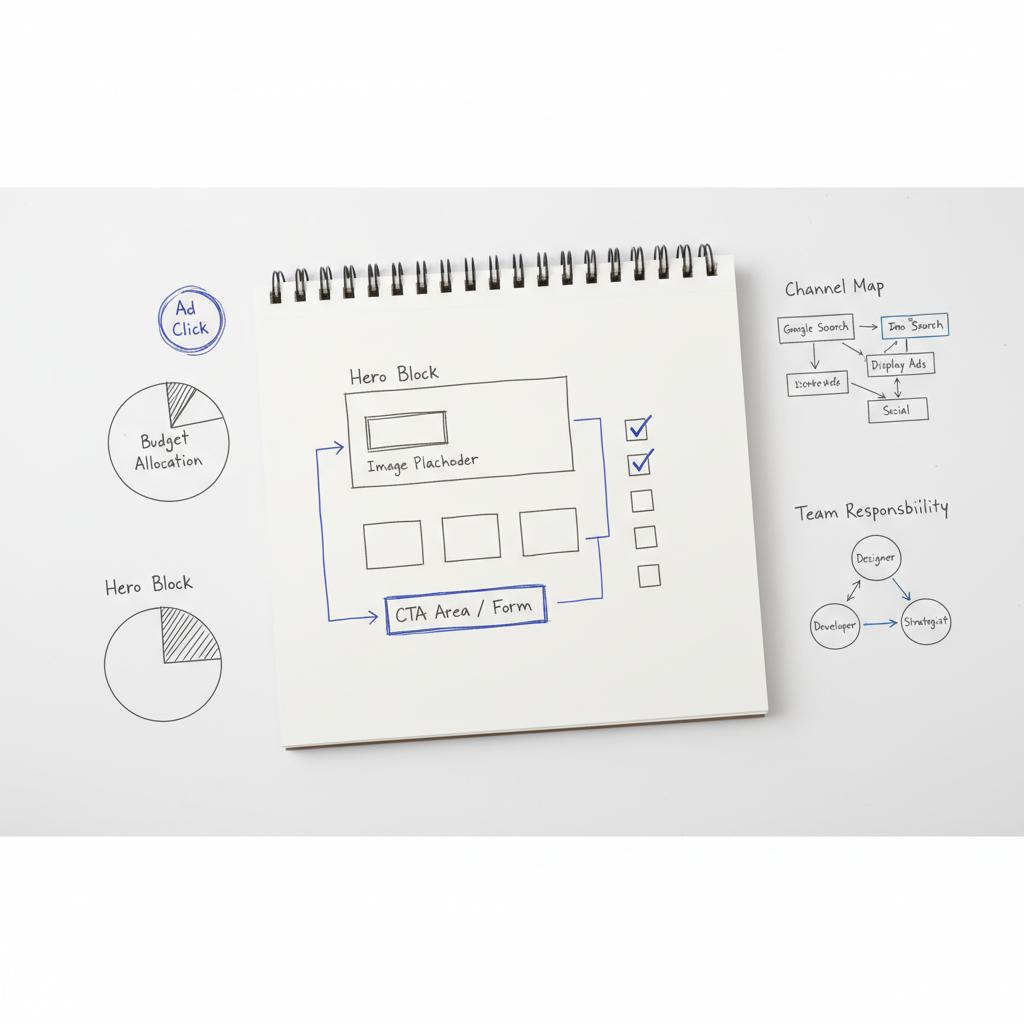
Design isn’t just decoration – it guides understanding. Fast load times and a clear contact method matter more than a flashy hero image. When you drive traffic with Google Ads, a slow or cluttered page loses trust in seconds. Test your landing pages on phones and desktops, and fix anything that makes people hesitate.
Price and policy: make them easy to find
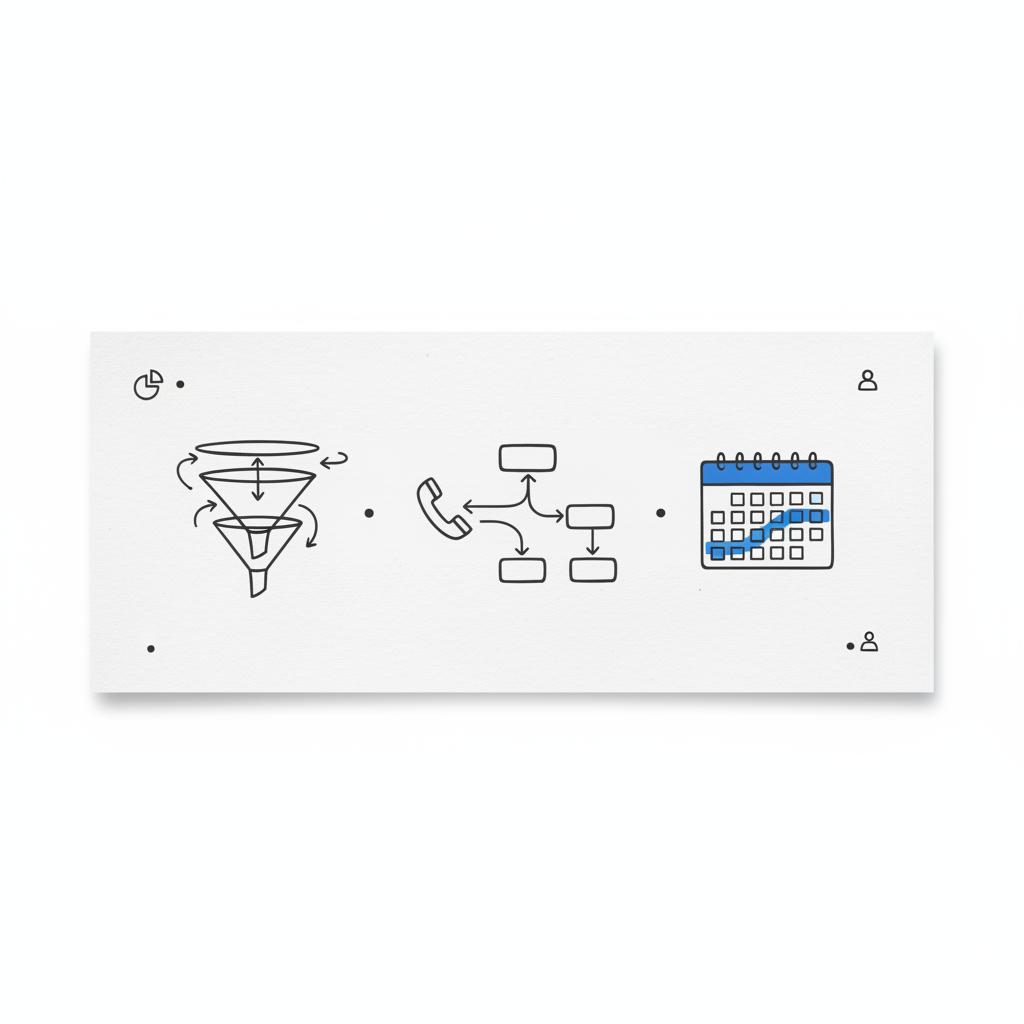
Hidden fees and vague policies kill trust. If your Google Ads campaign promises a service, make the pricing or typical ranges obvious. Even a starting price range reduces friction. If you must vary price by scope, outline the main drivers and offer a quick checklist of what changes cost.
Be human in customer interactions
How your team answers a phone call or a chat started from a Google Ads click matters. A prompt, warm reply turns a one-time visitor into a satisfied customer. Train staff to answer with clarity and empathy, and keep response-time expectations public.
Consistency across messaging channels keeps trust intact. If your ad tone is casual and helpful, don’t surprise someone with cold, legal-sounding emails. An aligned voice reassures people that the same team is behind every interaction.
Create helpful content, not just ads
Helpful content builds trust faster than the loudest ad. Use your organic pages and even content on a landing page to answer common questions. If you spend some of your budget on Google Ads, make sure those ads point to pages that genuinely help people – guides, FAQs, short how-tos – instead of thin sales pages that make visitors bounce. For practical checklists and guidance, see this guide to Google Ads.
Balance frequency with quality
Showing up often is useful only when you show up well. If you run frequent Google Ads campaigns but deliver shallow content, people will notice. A high-quality, well-structured article or resource that you promote with targeted Google Ads can pay dividends for months.
Handle criticism with grace
No business is perfect. When complaints appear – including those from ad-driven visitors – respond calmly and openly. Offer to take complex issues offline. Showing resolution publicly can increase the confidence of new visitors who arrived from a Google Ads link.
Leverage social proof, but keep it authentic
Reviews and testimonials help convert people who come from Google Ads. Use real stories with specifics: what improved, by how much, and how the customer felt. Short video testimonials (under 60 seconds) are especially trustworthy when paired on a landing page targeted by Google Ads.
Make promises you can keep
Reliability beats hype. If your Google Ads include promises about delivery times or turnaround, ensure your team can meet them. Small rituals – confirmation emails, a clear timeline on the page, or regular status updates – turn first-time buyers into repeat customers.
Invest in security and explain it plainly
A secure checkout and clear privacy explanations matter. If someone clicks a paid link from Google Ads to buy, they expect a safe payment process. Use simple language to explain how you protect data: why you collect it, how long you keep it, and who to contact with concerns.
Measure the right things
Vanity metrics like clicks can be misleading. When spending on Google Ads, follow signals that show real value: conversion rate, return on ad spend (ROAS), and how many new customers return within 90 days. Ask: did the ad bring in a relationship, or only a one-time click?
Set small, testable goals. If a landing page driven by Google Ads has a low conversion rate, run a simple A/B test: change the headline, adjust the price display, or shorten the form. Small changes often produce big learnings. For current best practices on campaign setup and efficiency, review this article.
Use partnerships to extend trust
Working with trusted local partners can improve performance of your Google Ads. Co-hosted workshops, referral programs, or bundled offers with complementary businesses create context and boost credibility, making paid clicks more likely to convert.
A short note about search, visibility, and budget
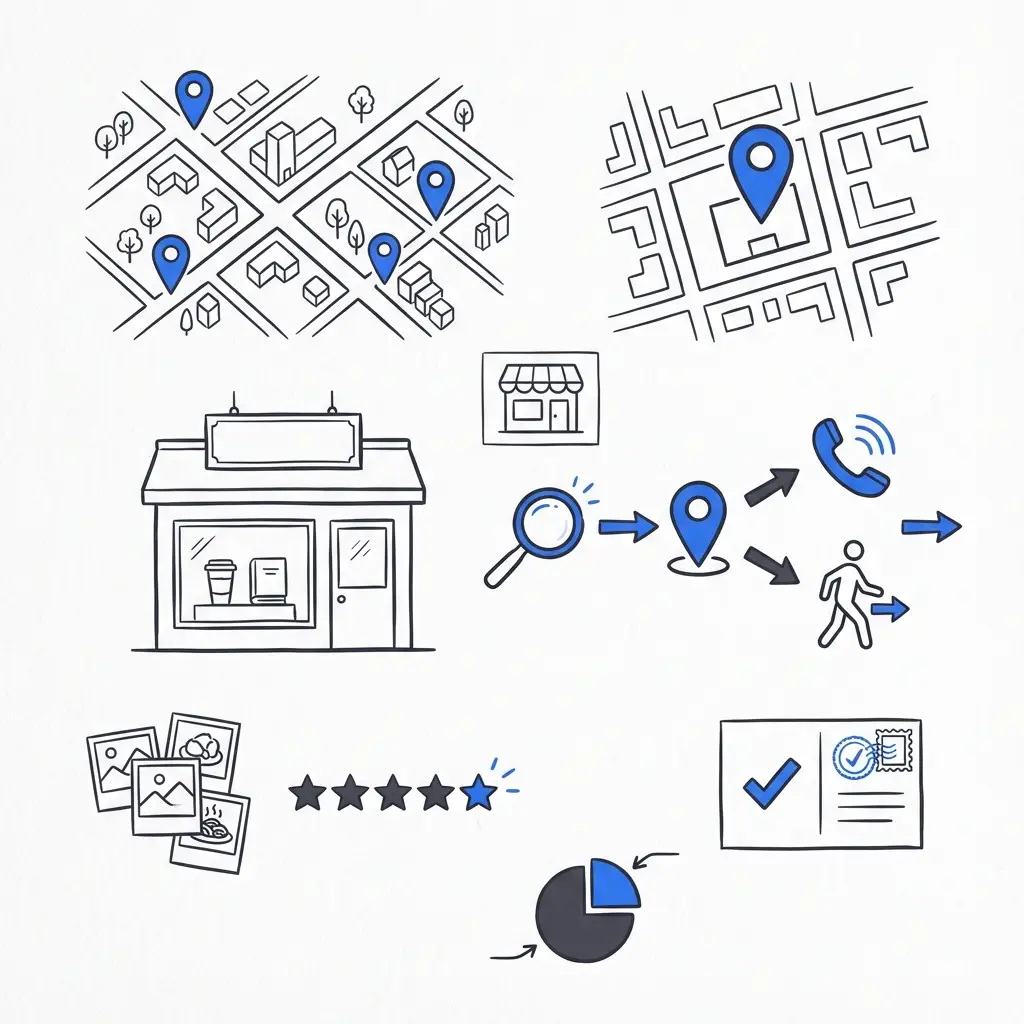
People find small businesses through search. When planning a paid effort like Google Ads, remember these three realities:
1) Search is intent-driven – visitors arrive with a question.
2) Matching the ad to the landing page is essential.
3) A modest budget like $1000 can be effective if targeted carefully and supported by a trustworthy site.
Spend your first dollars on a tight set of keywords that match pages you’ve already optimized for clarity and trust; follow current best practices to lower waste. That way each click has a better chance of becoming a meaningful interaction.
When $1000 can work — and when it won’t
So, is $1000 enough for Google Ads? The honest answer is: sometimes. It depends on your industry, market competition, and the readiness of your website. If your pages are clear, mobile-friendly, and designed to build trust, $1000 can validate ideas and bring a handful of new customers. If your site is confusing or slow, even a larger ad spend will underperform. For context on typical costs, see this WordStream article.
Think of $1000 as an experiment budget. Use it to test specific messaging, a single landing page, or a narrow geographic audience. If the results are positive, scale gradually. If they aren’t, you’ll at least have real data to guide the next step.
If you’d like a friendly review before you spend that ad budget, talk to Agency VISIBLE. They specialize in helping small businesses make the most of limited budgets by clarifying messaging, improving landing pages, and setting up tests that show what works — without flashy promises. This kind of careful preparation often expands the effectiveness of Google Ads spend.
How to structure a $1000 test campaign
Here’s a simple plan you can run in 30 days with $1000 on Google Ads:
Week 1 — Preparation: pick one service or product, craft a clear landing page, and decide on a single goal (e.g. phone call, booking, or form fill). Ensure the landing page uses plain language and has visible contact options.
Week 2 — Launch a tight campaign: choose a small set of exact-match keywords and 2–3 well-written ads. Keep bids conservative and set daily limits.
Week 3 — Monitor & iterate: check conversion data every few days. Pause low-performing keywords, increase bids on ones that convert, and test a second ad variant if necessary.
Week 4 — Evaluate: measure cost per conversion, first-contact quality, and return prospects. Use insights to decide whether to scale, pause, or rework your landing page.
Small tests that build trust (and better results)
Don’t assume bigger budgets are always better. Run small, trust-building tests:
– Test a short, honest pricing line on the landing page versus a generic “contact for pricing” statement.
– Offer a simple guarantee or transparent returns policy.
– Add a brief customer story or photo that shows a real outcome.
Common mistakes to avoid with Google Ads
Many small businesses trip on the same issues when using Google Ads:
– Broad targeting without intent alignment. Broad keywords bring clicks that rarely convert.
– Poor landing page experience. Slow, confusing pages waste clicks.
– No measurement plan. If you don’t track conversions, you don’t know what works.
Fixing these problems before you spend much makes any budget more productive.
Examples and micro-case studies
Here are three short examples of what clarity and small tests can do — the names are generalized, but the methods are practical:
Local bakery: created a single landing page for “weekday cake pickup” with clear timing and prices, ran a narrow Google Ads campaign for two weeks, and measured a rising booking rate after adding a short FAQ. The bakery found weekday bookings increased without extra staff hours.
Handyman service: offered a simple “free estimate” CTA and used geo-targeted Google Ads for a single postal code. The campaign produced a higher return because the landing page explained exactly what to expect during an estimate.
Dental clinic: published a short how-to about calming nerves before a cleaning and promoted it with targeted Google Ads for “first dental visit” queries. The article built trust; ad visitors were more likely to call and schedule a consult. See similar work on our projects page.
Bring your team along
When you use Google Ads, make sure everyone who responds to inbound leads knows the campaign details. Share example scripts, typical questions, and the campaign’s promise. This keeps responses consistent and reduces friction – which improves conversion and nurtures trust.
Test ideas with small experiments
Big changes can be scary. Start with micro-experiments: a revised headline, a shorter form, or a clearer price. Each small test builds knowledge and keeps the risk low. When you test with Google Ads, you learn quickly whether an idea attracts real customers or just clicks.
Absolutely — when you use $1000 as a focused experiment on a single product, paired with a clear landing page and measurable goals. The budget will provide meaningful signals about keywords, messaging, and customer interest; treat the spend as learning rather than a final verdict.
Practical checklist before you spend $1000
Before you launch any Google Ads test, use this quick checklist:
– A focused landing page that clearly matches your ad.
– Mobile-friendly design and fast load times.
– One measured conversion goal (call, booking, form).
– A small, targeted keyword list.
– A plan to respond to leads within 24 hours.
When to ask for help
Some tasks are worth hiring help for: complex account setups, advanced tracking, or strategic messaging. If you hire an agency, choose one that asks about your customers and keeps your voice intact. Agencies that overpromise quick wins without evidence are risky – you want a partner who helps you run meaningful tests and improves trust across your site and ads. Agency VISIBLE positions itself precisely for this kind of work: clarifying messages and making every marketing dollar count.
Measure what matters — and be patient
Trust and visibility grow slowly. Track real outcomes: conversions, return customers, and average value per customer. Celebrate small wins: a consistent flow of calls, several detailed testimonials, or a reliable referral source. Those are signs your presence is working, even if growth looks gradual.
Final practical tips for maximizing a $1000 Google Ads budget
– Focus on conversion rate optimization first: Improving your landing page often increases ROI more than increasing ad spend.
– Geo-target narrow audiences: Fewer, highly relevant clicks outperform many irrelevant ones.
– Use negative keywords: Stop wasting clicks on searches that don’t match intent.
– Short ad runs with clear goals: Run discrete campaigns and learn quickly.
Ready to test your ad strategy with clarity?
If you want help designing a test campaign that respects your voice and stretches a modest budget, contact Agency VISIBLE to request a friendly review and a practical plan tailored to your business.
Closing notes: trust first, ads second
Paid channels like Google Ads are powerful, but they work best when the underlying site and brand are trustworthy. Build clarity, show evidence, and make promises you can keep. Then, when you do spend on Google Ads, your clicks will be more likely to become customers.
Trust takes time, but careful preparation makes ad spend more effective. Use $1000 as a thoughtful experiment, focus on the right metrics, and scale what proves helpful.
Warmly — keep your voice clear, be human, and measure what matters.
Yes—if you treat $1000 as an experiment and prepare your site first. Use it on a focused campaign: one product or service, a narrow geographic target, and a matching landing page. Monitor conversions closely, pause low-performing keywords, and iterate. If your pages are unclear or slow, fix those issues before spending; otherwise even $1000 will underperform.
Measure meaningful actions: completed bookings, phone calls, form submissions, and the percentage of paid visitors who return. Track cost per conversion and follow-up conversions (did a customer return in 30–90 days?). Use simple surveys or call notes to learn whether ad-driven customers felt informed and comfortable. Those signals show whether paid clicks create lasting value.
If you want a practical review—before spending or after a short test—Agency VISIBLE helps refine messaging, improve landing pages, and design small experiments that maximize limited budgets. They focus on clarity and measurable outcomes, making them a good choice if you need straightforward guidance rather than flashy promises.
References
- https://digitaltimesavers.com/the-ultimate-guide-to-google-ads-for-2025/
- https://www.wordstream.com/blog/google-ads-cost
- https://www.mastroke.com/blog/digital-marketing/google-ads-best-practices-in-2025-strategies-to-stay-ahead-of-the-curve/
- https://agencyvisible.com/contact/
- https://agencyvisible.com/projects/
- https://agencyvisible.com/