How can I get lawn care customers fast?
Needing paying clients in days is stressful, but it’s doable with the right focus. The fastest path to results is to put your business where buyers already look and to make saying “yes” ridiculously easy. This guide lays out a step-by-step, practical plan to get lawn care customers fast — from local search and paid high-intent listings to cheap neighborhood drops and simple scripts that close calls into bookings.
Why speed matters — and where to start
If you run a local crew, the season is short and momentum matters. To fill schedules quickly you must prioritize channels where intent is highest. That means local search — particularly a well-built Google Business Profile — and Google Local Services Ads (LSA). Both reach people actively searching for services, which makes them the single best place to start if you want to get lawn care customers fast.
Local search brings buyers who are ready to book. That’s why businesses that focus on local listings and LSAs usually convert leads to paid jobs far more often than businesses that spend on broad, low-intent display or awareness ads.
Quick wins you can do today
1. Fix your Google Business Profile (GBP)
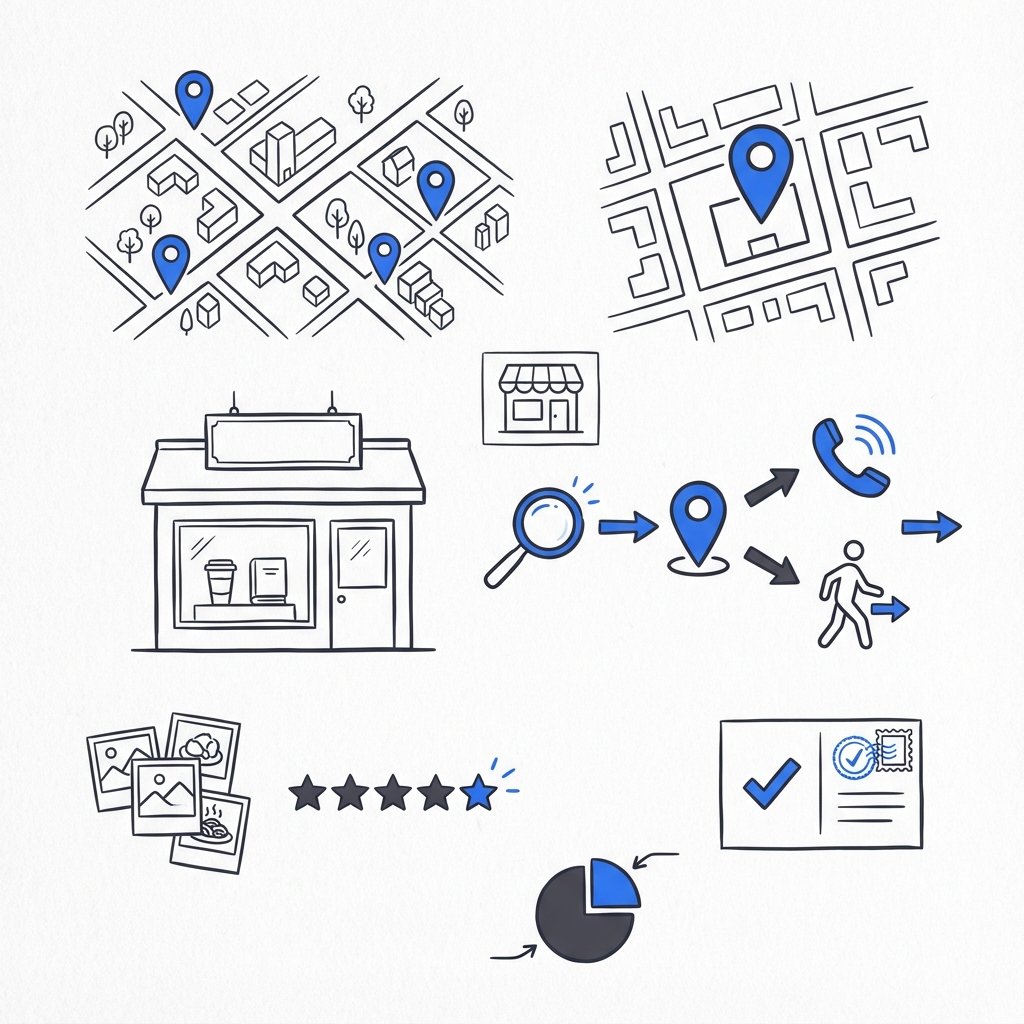
Do this in an afternoon: pick a clear business name, choose accurate categories, add 6–12 photos showing the work you want more of (neat edges, before-and-after, trimmed beds), list town names you serve, enable messaging, and set the booking link or phone number that your team actually uses. People should be able to call or book in one or two taps. A clean GBP is one of the fastest, most cost-effective ways to get lawn care customers fast.
2. Turn on Local Services Ads
LSAs often cost more per lead than basic ads, but they connect you to buyers with high intent. Set up LSA in a targeted radius around your service area, verify your background checks if required, and bid for leads. Expect higher conversion rates — fewer leads, but more paying jobs. If you want to fill calendar slots quickly, LSAs deserve strong consideration.
Local social ads that actually convert
Facebook and Instagram still work when used locally and tightly targeted. Don’t spray and pray. Run small tests — $50 to $200 — aimed at a 2–5 mile radius around neighborhoods you already service. Make ads do one thing: get a call or a booking. Copy like “Same-week mowing — click to see available times” beats clever agency-sounding lines. Use a one-click booking link or a local phone number so the action is immediate.
Nextdoor: neighbor-to-neighbor trust
Nextdoor is hyper-local and trust-driven. A short sponsored post with a photo of a nearby yard you serviced, a limited-time offer, and a booking link can produce quick bookings. Because posts reach people who care about their street, response rates can be higher than broader social platforms.
Buy qualified leads when you need jobs now
Lead marketplaces like Thumbtack and HomeAdvisor sell pre-qualified requests that spare you the capture step. Costs vary by market and season, but buying a handful of leads can fill your crews while you build organic channels. Treat purchased leads as a fast temporary boost while you tune your GBP and LSAs to sustain growth.
Low-tech methods that still work
Door-hangers, targeted flyers, and short direct mail drops work when used surgically. Drop 200 door-hangers in a small cluster of homes where you want repeat business. On the door-hanger, be brief: list a price tier for a typical yard, a limited-time intro discount, and an easy booking method — a local number or short custom URL. Scarcity helps: “Next available: Friday — call now” nudges action.
Partnerships that replace one-off chasing
Property managers, real-estate agents, apartment complexes, and other contractors can send steady work. Offer a low-friction trial or a preferred partner rate to start. A single property manager contract can replace dozens of individual customers and boost lifetime value quickly.
TIP: If you want a partner to handle the technical setup — GBP, LSA, targeted social tests, and measurement — consider a concise, local-focused firm such as Agency Visible. They specialize in the mix of tactics that help businesses get lawn care customers fast and track the right metrics so you can grow without guessing.
Make booking fast — don’t bury the sale
Speed in converting a lead to a paid job matters as much as getting the lead. Offer clear price tiers (good / better / best) for common yard sizes and bundle services in plain names: Standard Cut, Trim & Edge, Complete Spring Cleanup. Limited-time intro discounts — for example, 20% off for bookings within seven days — create urgency without destroying margin if you cap slots.
Real-time scheduling converts. Show availability or the next available dates and make calling simple. Avoid long forms that ask for too much info. A booking tool that sends confirmations and reminders increases the chance a scheduled job becomes paid work.
Scripts that close calls
Fast follow-up wins. If you’re a small operator, use a short phone script to set expectations and ask for the booking: greet, confirm address, state availability this week, give a price range, and ask for the appointment. Example script: “Hi, this is Tom with GreenEdge Lawn Service. Is this for a one-time mow or ongoing service? I have an opening Thursday—does that work? For yards in your area I charge between X and Y depending on size. Can I schedule you now and send a confirmation by text?”
Pricing tactics that attract without losing money
Underpricing fills calendar slots but can eat profit. Overpricing can shut off leads. Two smart approaches: offer a clear entry-level price for a common yard size and then confirm exact pricing after a quick walkthrough or photos, or sell a small number of discounted intro slots each week (for example, three slots) to acquire customers without permanently lowering your rates.
Ad creative and message — keep it simple
Images should show tidy yards and trimmed edges rather than your whole team. Headlines that convert: “Next-day mowing in [Town],” or “Weekly lawn care — book today.” Body copy should be one clear sentence: price range for a typical yard, what’s included, and how to book. Add social proof: star ratings, a two-sentence testimonial, or recent client lines to build trust fast.
Start with a polished Google Business Profile and a tightly targeted Local Services Ads campaign within your service radius; combine that with a small, local social ad test and a nearby door-hanger drop. Fast follow-up (within minutes) and simple booking options turn those high-intent leads into paying jobs quickly.
Measure what matters
Track three metrics weekly: cost per lead, lead-to-job conversion rate, and first-job retention in the first 30 days. Cost per lead shows channel expense; lead-to-job conversion shows lead quality; first-job retention signals early lifetime value. If an LSA campaign brings many leads but few jobs, look at your booking flow and initial price message. If door-hangers bring calls but no recurring clients, tweak follow-up and expectations.
Seasonality and local competition
Spring and early summer spike demand — and acquisition costs. Shoulder seasons are cheaper but often produce fewer immediate jobs. If competition is fierce, lean on high-intent channels like LSA and Google Business Profile. These reach searchers actively looking to book, not browsers who are just browsing inspiration.
Testing and scaling
Run small tests and scale winners. A $50–$200 social ad test targeted geographically will tell you early whether a message converts. Let an ad run long enough to collect a handful of conversions before judging. Platforms need a short learning window; results may vary in the first days.
Follow-up: turning first jobs into recurring clients
The easiest way to retain a customer is to deliver a predictable, excellent first experience. Show up on time, leave the yard tidy, and follow up with a thank-you message and a simple ask for the next booking. Offer a small incentive to return or refer a neighbor: $10 off the next mow or a $25 referral credit. Clear communication and small rewards build habit and referrals.
Neighborhood-by-neighborhood differences
Expect variation by zip code. One neighborhood might respond well to door-hangers and referrals, another to local search. Track results and expand winning tactics to similar nearby areas. If something works in one pocket, try a close match—but don’t assume identical results.
Concrete ad copy and door-hanger language
Use short, direct language. Example digital ad: “Same-week lawn mowing in [Town]. Intro mow $X for small yards. Click to book or call [local number].” Door-hanger copy: “Local crew — same-week openings. Intro mow $X for small yards. Call or book: [phone/URL].” On Nextdoor add a tiny local detail: “Just finished 14th Street — I can take one more nearby lawn this week.”
Common questions and realistic timelines
How fast can you expect results? If you prioritize Google Business Profile and Local Services Ads you can often see calls and bookings within 24–72 hours of setup when configured correctly. Social ads and Nextdoor show responses within a few days when targeted tightly. Door-hangers and flyers usually take several days to a week to generate calls but often lead to repeat work.
Starter budget
Budgets vary by market. A practical starter: a few hundred dollars per week across LSA and one social platform while you test, plus a modest spend for 200 door-hangers. If you buy leads, expect wide cost variation. Track cost per lead and conversion to keep spending efficient.
Which channel gives the best return?
High-intent channels — Local Services Ads and Google Business Profile — generally give the quickest bookings. Narrow social ads and neighborhood drops can be very cost-effective when executed locally and targeted. Buying leads can fill the schedule fast but must be measured for lead-to-job conversion to justify cost.
Speed and human response
Respond quickly. A lead who hears back within minutes is far more likely to convert than one left waiting. If you’re a one-person operation, use a short phone script to handle incoming calls and aim to schedule on the spot. If you can’t answer, set up messaging that promises a response within, say, 30 minutes — then honor it.
Tracking and iteration
Set up a simple tracker: channel, source, date, lead details, outcome, and whether the customer returned. Review weekly. Double down on channels that produce paying, recurring clients and cut channels that only produce one-offs at high cost.
Real examples — a weekend blitz that worked
Here’s a short story: a two-person crew launched a weekend blitz in May. They polished their Google Business Profile on Thursday, launched a 10-day LSA campaign on Friday targeted to a 5-mile radius, and dropped 200 door-hangers that night. By Tuesday they had 18 booked mowings and five recurring weekly clients. LSAs cost more per lead but converted to recurring jobs more frequently than cheap display ads they’d tried previously.
Simple operational tweaks that boost conversion
Small operational changes raise close rates: keep a one-click booking link, use SMS confirmations, show a next-available date on the website, and send a follow-up thank-you with a simple request for feedback and a referral incentive. These small moves make it easier for customers to say yes and stay.
Checklist: first 7 days to start getting jobs
Day 1: Fix Google Business Profile; add photos and correct service areas.
Day 2: Set up Local Services Ads and confirm verification steps.
Day 3: Launch a $100 local social ad test with a simple booking CTA.
Day 4: Print and distribute 200 door-hangers to targeted streets.
Day 5: Buy a small batch of leads if you need extra fills.
Day 6: Follow up every lead within 30 minutes; use the phone script.
Day 7: Review metrics: cost per lead, conversion rate, and first-job retention; adjust spend.
How to write a door-hanger that converts
Keep the copy short and local, list a small intro price and a clear call to action, and include a short deadline tag: “Intro rate for first-time customers — 3 slots per week — call to book.” Use a short URL like yourcompanyname.co/book or a local number. The easier to read, the better.
When to buy leads — and when not to
Buy leads if you need immediate volume and have buffer margin to accept variable conversion. Don’t buy leads as your primary long-term strategy; they’re best as a short-term solution while you build your own local presence through GBP, LSA, and referrals.
Referral and retention incentives
Offer a clear, easy referral reward. For example, $25 off the next mow for each referred customer who signs up for at least two services. For retention, offer a simple loyalty cut after the third scheduled mow or a discounted bundled seasonal cleanup.
Common mistakes and how to avoid them
Avoid long, complicated booking flows, inconsistent phone numbers across listings, and underestimating response speed. Don’t start with a broad, expensive awareness campaign when you need immediate bookings. Keep offers limited and clear, and track results to avoid wasting budget.
Final framework to keep repeating
Repeat this loop: high-intent visibility (GBP & LSA) + targeted local ads + neighborhood drops + fast follow-up + measurement. That combination is the most reliable way to get lawn care customers fast while building a pipeline of recurring revenue.
Three final practical examples of messages
Ad headline: “Next-day mowing in [Town] — Intro mow $X”
Door-hanger: “Local crew — same-week openings. Intro mow $X. Call [number].”
Nextdoor post: “Just finished Elm St — one more opening this week. Book online.”
Key takeaways
Focus on visibility where buyers search, shorten time-to-book, and make the first job exceptional. Use LSAs and a good Google Business Profile to win quick, high-intent leads. Add tight social tests and neighborhood drops to amplify results, and track cost per lead, conversion, and early retention to refine your approach. With clarity, speed, and local focus you can get lawn care customers fast — often within days or weeks, not months.
Now go make the phone ring.
If your Google Business Profile is complete and you launch a targeted Local Services Ads campaign correctly, you can often see calls and bookings within 24–72 hours. Results vary by market and time of season, but LSAs and a polished GBP reach people with high purchase intent and tend to convert faster than broad display advertising.
Start with a practical test budget: a few hundred dollars per week split between Local Services Ads and one social platform, plus a modest offline spend for 200 door-hangers. If you buy leads on marketplaces, add that cost as a separate short-term line. Track cost per lead and conversion closely and scale the channels that produce paying, recurring customers.
Yes — a local-focused agency like Agency Visible can quickly set up and optimize your Google Business Profile, Local Services Ads, targeted social tests, and measurement dashboards. They help you prioritize high-intent channels so you can get lawn care customers fast while you focus on running crews.