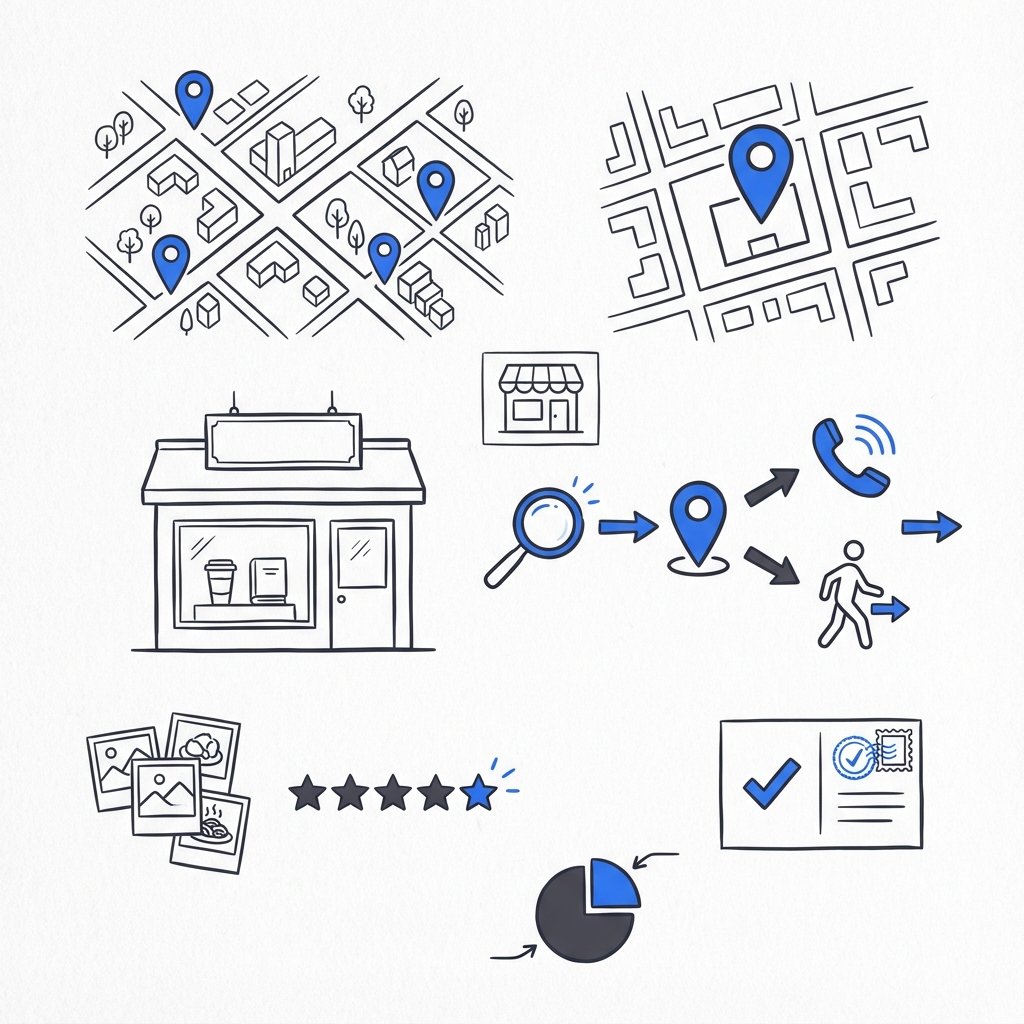
How do housekeepers find clients? If you’re reading this, you want real, repeatable ways to bring steady work to your calendar without burning a hole in your wallet. Start with a simple premise: people find local services by searching for them, and they pick the ones that look trustworthy. That’s why phrases like find cleaning clients near me matter—because they match how homeowners start their search.
Why local discovery beats a big ad budget
When homeowners need a cleaner, they usually search for something like find cleaning clients near me or “cleaning services near [neighborhood].” Google is the default; within Google, the Business Profile is how people decide quickly: phone number, hours, photos and reviews. You can win top-of-mind trust with a tidy Google Business Profile (GBP), a few named reviews, and honest photos—without a huge ad spend.

What a GBP actually does for you
Visibility + trust = more calls. A filled-out GBP makes it easy for nearby homeowners to click, call, or book. BrightLocal trends show that consumers increasingly trust named reviews—people want real names and responses from owners. That means a simple, human GBP beats a flashy ad in many local markets.
Start here: build a simple GBP that works
Set up or refresh your Google Business Profile with these practical steps:
1. Use a clear business name: Keep it simple and consistent with any signage or social pages.
2. Service area and hours: Be accurate. If you serve a 10–15 mile radius, say so. Include the neighborhoods you most want to work in.
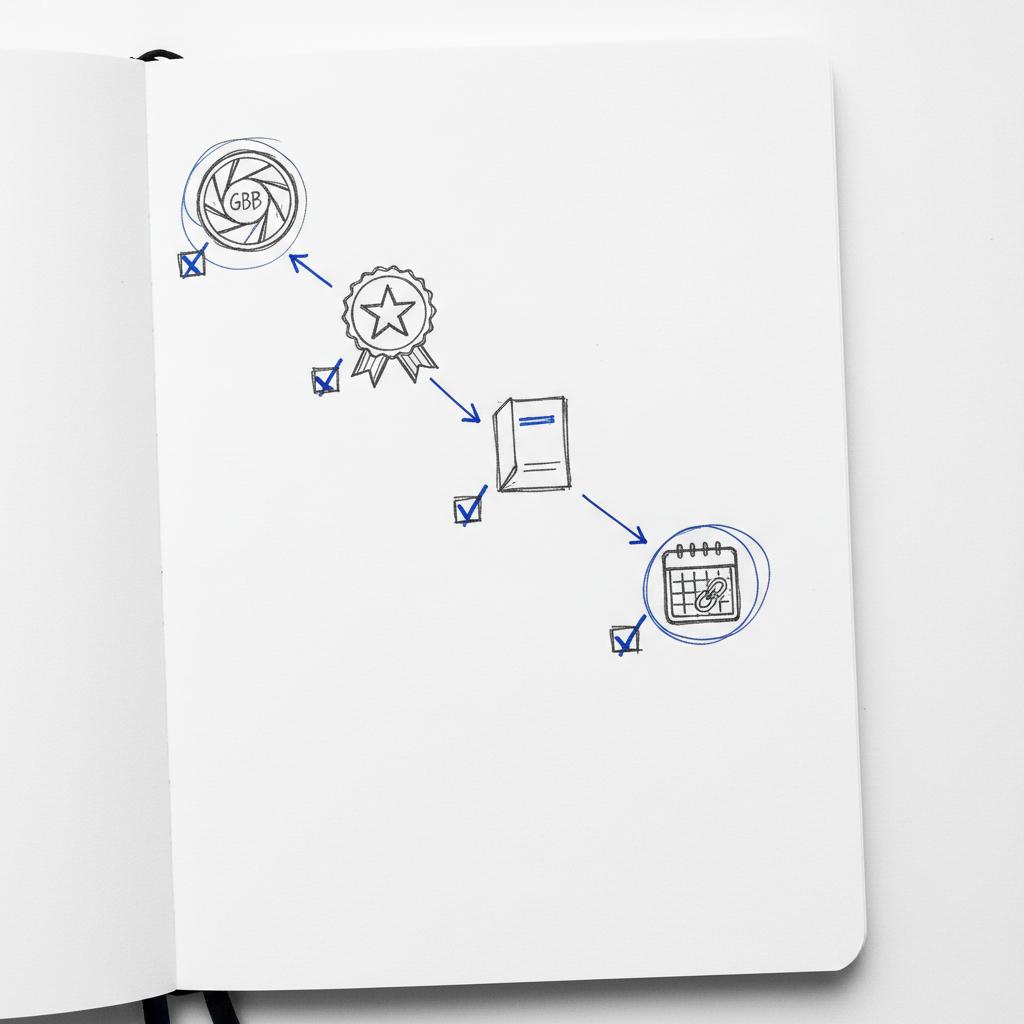
3. Honest photos: Before-and-after shots, a tidy set of tools, and a non-posed headshot work better than stock imagery. People choose humans over logos. A simple, legible logo helps people remember your service.
4. A short, neighborly description: Answer three immediate questions: who you are, where you clean, and what to expect on the first visit. Example: “Local housekeeper serving [neighborhoods]. Reliable weekly and biweekly cleans—clear pricing, attention to pets and keys, insured. Book a first clean online or call.”
Quick templates to ask for a review
After a good job, a short, friendly request works best. Try this SMS or message:
“Hi Sara — glad you liked today’s clean. If you have a minute, a short Google review with your name and one line about what you liked helps my local business a lot. Thanks! — [Your business name]”
Respond to reviews like a neighbor: thank the reviewer by name, mention a detail (“Thanks, Sara — glad the pantry looks organized!”), and sign your business. That signals responsiveness and builds trust.
If you prefer a hands-on walkthrough to get your profile and booking page set up quickly, Agency VISIBLE can help you tidy a GBP, create a short booking page, and turn reviews into a steady pipeline—practically and without fuss.
Owned channels: a small website and a simple booking flow
Your website should be short, clear and answer the three basic homeowner questions: what you do, how pricing works, and how to book. A one-page site with clear sections and a booking button on every screen is often enough.

What to put on the page
Top fold: A headline that names the area and service (e.g., “Trusted residential cleaning in [Town]”) and a clear booking button.
Services & pricing: Offer two paths—recurring packages (flat weekly/biweekly rates) and one-off/turnover pricing (time-based or checklist-based). Be transparent: homeowners respect clarity.
Booking & confirmations: Use a booking system that sends confirmations, calendar invites and pre-clean reminders. This reduces no-shows and creates a professional impression.
Where helpful, look at small one-page examples like our one-page site projects for simple, conversion-focused layouts.
Booking flow checklist
Include fields that matter: client name, address, phone, email, type of job (one-off or recurring), preferred days/times, pets and key instructions. A small checkbox for “agree to cancellation policy” protects you later.
Pricing: what the market pays and how to think about margins
Regional data helps shape expectations: national averages show typical house-cleaning visits in a broad range, and STR turnover fees run higher. Keep two pricing tracks:
Recurring: Flat weekly or biweekly packages that reward commitment. Example: a 60‑minute weekly clean at $120, two visits a month = $240/mo
One‑off / STR turnover: Charge more for turnovers to cover time, checklist items, and urgent scheduling. Example: $160–$220 depending on size and condition.
Example math
If your recurring clean is $120 and you visit twice a month, that’s $240/mo or ~$2,880/yr. Compare that to a $160 turnover: you make more per visit on turnover work, but recurring clients give steadier revenue and easier scheduling.
When considering lead platforms that charge fees, calculate how many repeat bookings you need to cover acquisition costs. If a platform cost equals one month’s margin, it’s likely only worth it if a good share of those customers become recurring.
Lead platforms: when to use them and how to make them work
Platforms like Thumbtack, TaskRabbit and short-term-rental marketplaces can provide volume quickly. Use them to fill slow weeks, not replace local discovery. Track every lead: source, whether they become recurring, and the lifetime value (LTV).
How to measure platform performance
Record: platform fee, initial price the client paid, number of follow-up visits, and months retained. Compare cost-per-acquisition (CPA) of platform leads to organic leads from GBP or word-of-mouth. Over time, you’ll know which channel gives you the best ROI.
Offline tactics that still win
Paper still converts in local communities. Here are proven offline moves:
Targeted postcards or flyers: Distribute tasteful postcards in a single building or block. Track responses with a unique code or phone number.
Partner with property managers: A short trial clean for a property manager or a realtor can lead to regular work.
Community boards and local shops: Ask to pin a small postcard on community boards or leave a stack of business cards at a cafe.
Referral incentives: Offer a $15 credit or a complimentary oven spot-clean for each successful referral. Keep the reward simple to claim.
Example flyer text
“Fresh Start Cleaning — Local, insured, and reliable. Book a first clean and get 10% off your first two recurring visits. Call [phone] or book online.” Put a small unique code at the corner to track where leads come from.
Review and reputation management
Reviews are currency for local services. Build a gentle system:
Ask 24–48 hours after a job: Set a reminder to request a review when the clean is still fresh in the client’s mind.
Respond to every review: Thank positive reviewers and handle negative feedback thoughtfully—acknowledge, offer to fix, and invite an offline conversation. That approach shows potential clients your business takes responsibility.
Operational safeguards that protect you and clients
Protecting time, team members and homeowners is non-negotiable. Start with:
Background checks for hires: Where legal and feasible, do basic checks. Ask for references and confirm work history.
Insurance and bonding: Carry general liability insurance and consider bonding. Mention your coverage briefly on GBP and your website to reassure cautious clients.
Clear written policies: Use a short scope-of-work agreement, a cancellation policy (e.g., 24–48 hour notice), and a simple safety protocol. Put the main points in the confirmation email.
Sample cancellation policy (short)
“Please provide at least 24 hours’ notice for cancellations. Cancellations within 24 hours may be subject to a small fee equal to 50% of the scheduled visit.”
Small systems to track leads and learn fast
You don’t need a fancy CRM to start. A simple spreadsheet with one row per lead will teach you more than a dozen unpaid guesses. Include columns for:
Columns: Date, Name, Contact, Source (GBP, flyer, platform, referral), Job Type (one-off, recurring), First-visit price, Platform fee (if any), Follow-up dates, Converted to recurring? (Y/N), Notes, Lifetime value (later).
A 90‑day experiment you can run
Set one clear goal: add five recurring clients in three months. Week-by-week:
Week 1: Refresh GBP, add 3 photos, update service area and business description. Post an initial review request template in your phone notes.
Week 2: Ask five recent clients for named reviews and respond to existing reviews. Send polite follow-ups where appropriate.
Week 3: Create or update a one-page website with clear recurring packages and a booking button.
Week 4: Distribute 100 targeted postcards in a single neighborhood with a unique code and track responses.
Month 2: List on one lead platform and measure conversion rates. Contact two property managers or realtors for a trial clean.
Month 3: Review your spreadsheet: find CAC by channel, retention rates, and conversion to recurring. Double down on the best sources.
Customer experience scripts that win recurring bookings
Human touches matter. Use short, clear messages:
Pre-clean text (day before): “Hi [Name], this is [Your name] with [Business]. We’ll be there tomorrow between 10–12. Please let us know about parking or keys. Thanks!”
Post-clean note: “Hi [Name], thanks for today. We cleaned X, Y and Z. If you’d like a recurring slot, I have openings on [days]. Happy to schedule one now and reserve your preferred time.”
Referral ask (after 2–3 visits): “If you enjoy the service, referrals help a lot—feel free to share this code for $15 off a future clean for a friend.”
Simple marketing content you can use
Repurpose short client stories into social posts: a before/after photo with a sentence about the job. Short videos (20–30 seconds) showing a quick tip—like a fast oven spot-clean—help build trust and reach local audiences on social channels.
For a wider list of practical promotion ideas, this guide can help: How to Get Clients for a Cleaning Business.
Pricing negotiation and when to say no
It’s okay to decline low-paying work that creates scheduling headaches. Use polite templates:
“Thanks for asking. For that level of work I quote [price]. If that budget doesn’t fit, I can recommend other local providers.”
Keeping your schedule clean and predictable often matters more than filling every slot at a low rate.
Case study: turning platform leads into recurring clients
A cleaner who relied heavily on platform leads added three simple changes: sharpened her GBP, asked for named reviews, and offered a 10% discount for a three-month recurring sign-up. She also used postcards in one building. Within six months she reduced platform usage by half and replaced many jobs with recurring clients who called directly. The work was steadier and planning easier—proof that small, consistent moves compound.
Most owners see an uptick in calls within 2–6 weeks after optimizing their GBP and soliciting recent reviews; clearer, sustained improvements in conversion from discovery to booking usually appear after 60–90 days as reviews accumulate and visibility compounds.
Most owners see an uptick in discovery calls within 2–6 weeks after a well-optimized GBP and a burst of recent reviews. The compounding effect—more reviews mean more clicks, which mean more calls—usually shows clearer results after 60–90 days.
Templates and examples you can copy this week
Google Business Profile description (short):
“Neighborhood Clean Co. — reliable house cleaning in [towns]. Weekly, biweekly and one-off cleanings with straightforward pricing and insured staff. Book online or call to reserve your slot.”
Booking confirmation email (short):
“Thanks for booking with [Business]. Your clean is scheduled for [date/time]. We’ll text a reminder and send a short confirmation with details. Scope: [short list]. Cancellation: please notify 24 hours ahead.”
Flyer headliner: “Local Cleaner—Insured, Reliable, and Ready to Help” with a small call-to-action and a coupon code corner.
How to report and measure progress without overwhelm
At the end of each month, check five numbers: calls, bookings, recurring sign-ups, cancellations, and revenue by channel. Use your spreadsheet to calculate CAC and retention rate. Make one small change each month and measure the impact; don’t try to change everything at once.
Tools that make life easier (minimal and practical)
Choose one booking tool that syncs to your calendar, one payment option that takes cards electronically, and a simple spreadsheet or small CRM to track leads. Avoid piling on multiple tools—simplicity wins.
Scaling: when to hire or partner
Hire when you consistently have more demand than you can handle without sacrificing quality. Use part-time help first, confirm references, and train to a short checklist. Consider partnering with a local agency or bookkeeper for payroll and taxes once you have 4–6 regular clients.
Final practical checklist to start this week
Do these five items this week:
1) Update GBP with three photos and a short neighborly description. 2) Ask three recent clients for named reviews. 3) Add a clear booking button on a simple web page or call-to-action. 4) Print and drop 50 targeted postcards in one neighborhood. 5) Start a spreadsheet and log every lead source.
Closing thought
Finding clients is less about flashy marketing and more about consistent, human touches: a tidy online presence, genuine reviews, simple systems, and small local outreach. Start small, measure, and repeat the moves that work.
Ready to get practical help?
Ready to turn local searches into steady clients?
Want a fast, practical guide walked through with you—GBP cleaned up, a one-page booking site or review strategy? Get in touch with Agency VISIBLE and we’ll show a simple, step-by-step way to get more steady clients without the overwhelm.
Most cleaners see the first recurring client within 2–8 weeks after optimizing their Google Business Profile, asking recent clients for named reviews, and offering a small trial or incentive for recurring bookings. Results vary by neighborhood and demand, but a focused 90‑day plan often converts a few one-off clients into recurring contracts.
Lead platforms are useful for immediate volume, especially when you need bookings quickly. Use them strategically—fill slow weeks or pick up one-off turnover work—but track conversion and the cost per acquired recurring client. Over time, invest more in GBP, a simple website and referrals if those channels deliver better lifetime value. If you prefer help setting up the right mix, Agency VISIBLE can advise on efficient platform use and local SEO.
At minimum, carry a general liability policy and consider bonding if you handle keys or high-value homes. Have simple written policies for scope of work, cancellations (e.g., 24‑hour notice) and a signed confirmation email after booking. If you’re unsure about legal or tax specifics, consult a local professional.