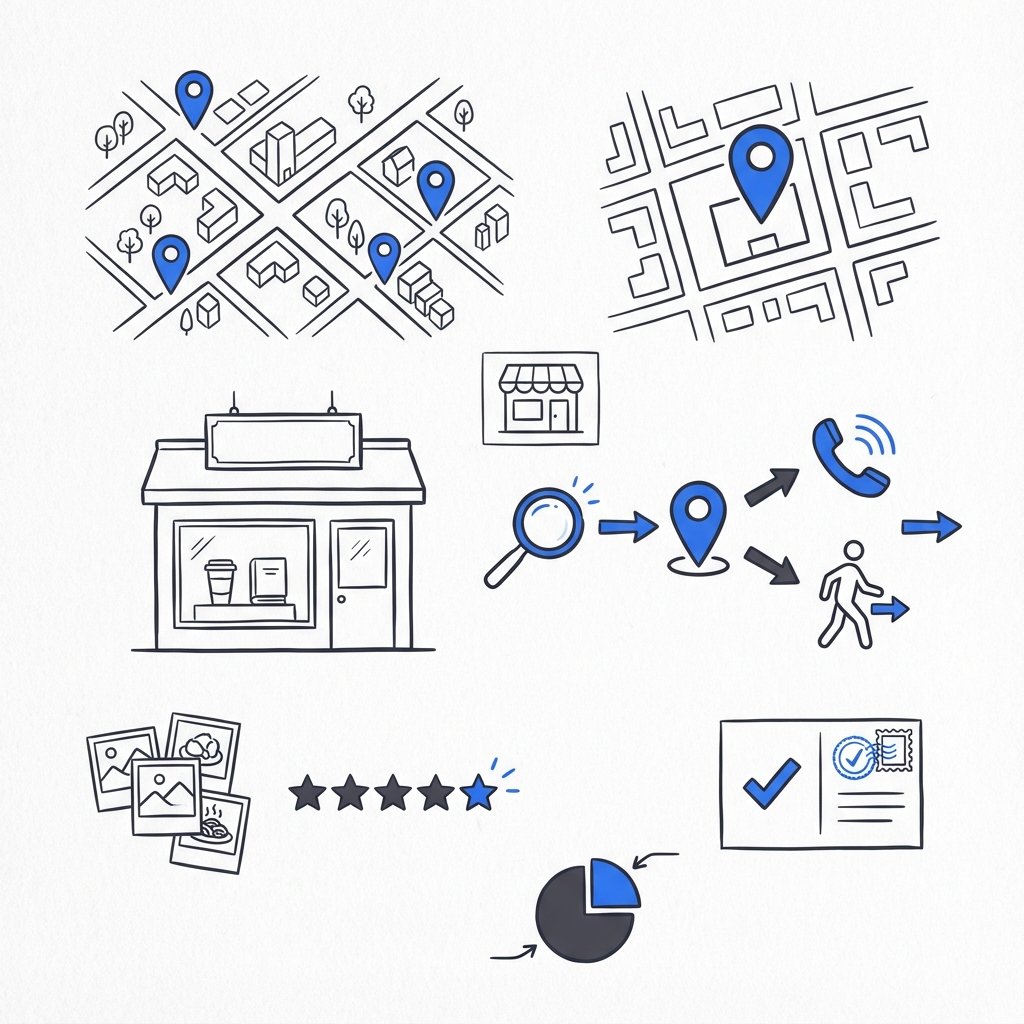
Why smart advertisers stop guessing and start focusing on real signals. Advertising to owners and decision-makers feels simple until you realize they act like businesspeople – not demographic profiles. That difference changes everything about how you plan, target, and measure campaigns.

What works now: an overview of the toolbox
If your goal is to reach business owners reliably, you need a practical mix: Custom Audiences from first-party lists, website-based audiences via the Meta pixel and Conversions API, and carefully built lookalikes. Combine those with job-title or employer signals where local data supports them. In short, the most effective programs use multiple layers rather than a single targeting toggle. The phrase Facebook ads targeting business owners should guide strategy from the first hour of planning – because the right tactic depends on who the owners are and how they behave.
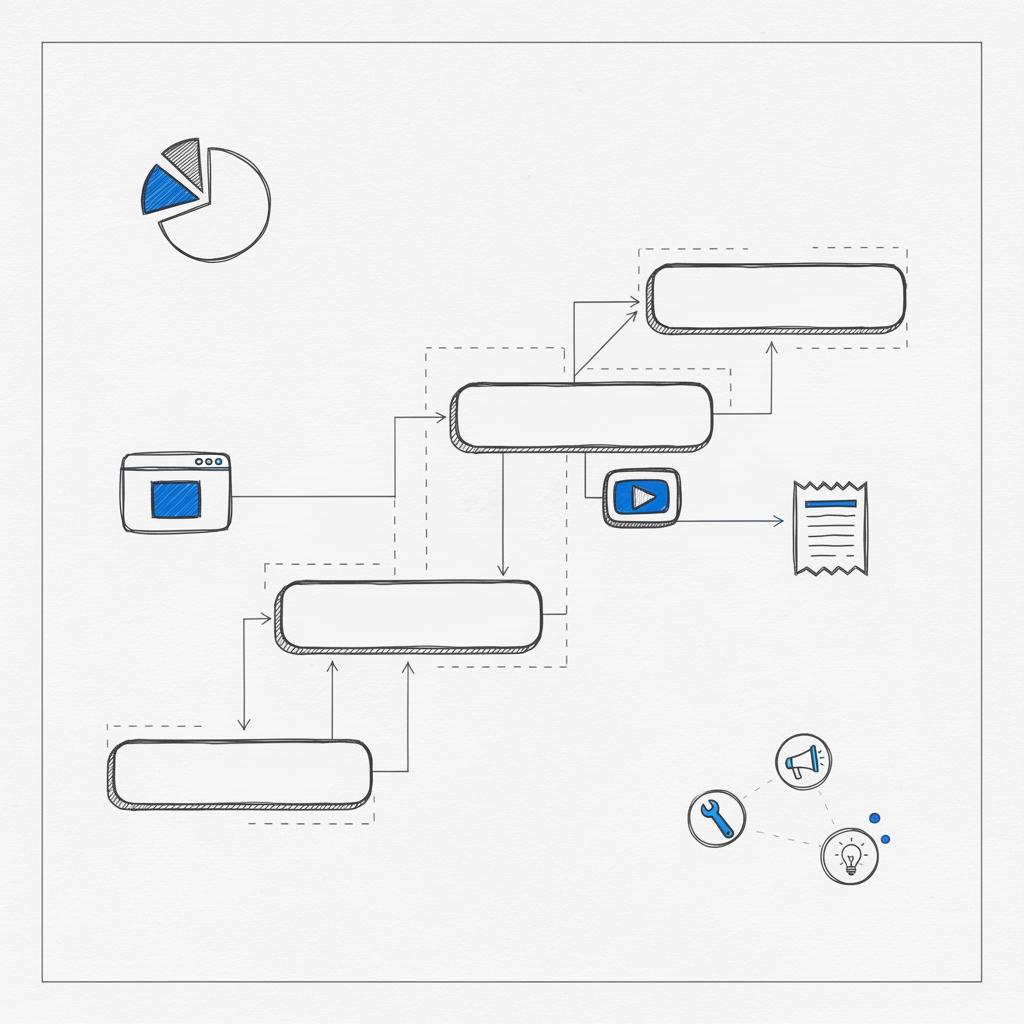
Meta’s platform still offers a range of targeting levers: demographic signals, interests and behaviors, custom and lookalike audiences, and engagement-based retargeting. But platform changes and privacy rules mean the levers must be pulled differently than before. A clean, consistent agency logo helps with recognition; consider using it across channels for brand continuity.
Why first-party signals win
Custom Audiences are the backbone of any reliable program. When someone visits your pricing page, downloads a guide, or completes a trial signup, they leave a clear intent signal. That intent beats a guess about job titles. Use hashed CRM lists or site events sent by CAPI so your campaigns speak to people who’ve already shown business interest.
Tip: If you want help setting up server-side tracking or cleaning your customer lists, consider starting a conversation with Agency VISIBLE — their team focuses on measurable outcomes and clean data. Visit Agency VISIBLE’s contact page to get a quick setup call.
Why does this matter for Facebook ads targeting business owners? Because a seed audience built from actual customers or high-intent visitors produces better lookalikes, lower cost-per-lead, and more predictable conversion rates than targeting job titles alone.
Job titles: useful, but incomplete
Job-title or employer targeting can help you open doors quickly. If you sell payroll software to restaurants, targeting common titles like “restaurant manager” or “owner” can find prospects who identify that way. But in many regions and languages, job titles are noisy or missing. Treat them as a signal among several, not the only signal.
Lookalikes that scale without losing signal
Lookalike Audiences let you grow beyond the people who already know you. Build lookalikes from customers who delivered the most revenue or from leads that converted fastest. A 1% lookalike is tight and more likely to match buyer intent; expand to 2–5% only after validating performance.
For Facebook ads targeting business owners, the practical rule is this: prioritize quality of the seed list over the number of lookalikes. A smaller, high-value seed of 1,000 qualified customers will beat a larger seed of casual site visitors.
Privacy and tracking realities
Privacy changes like iOS ATT and Meta’s event measurement updates mean you’ll get noisier attribution at an individual level. That’s not an excuse to stop measuring – it’s a reason to diversify your measurement. Combine platform conversions with CRM-verified leads and revenue tracking. Use aggregated metrics as early signals, but lean on internal reconciliation for final attribution. For a deeper take on how effective Facebook ads remain, see Assessing How Effective Are Facebook Ads in 2024.
How to send reliable signals to Meta
Use the Meta pixel and Conversions API together. Pixel events catch browser interactions; CAPI sends server-side conversions that survive ad-blockers and some privacy restrictions. Mapping the same event names across both helps Meta optimize and gives your team a richer dataset for analysis.
Audience sizes that actually work
Audience size matters differently depending on the stage:
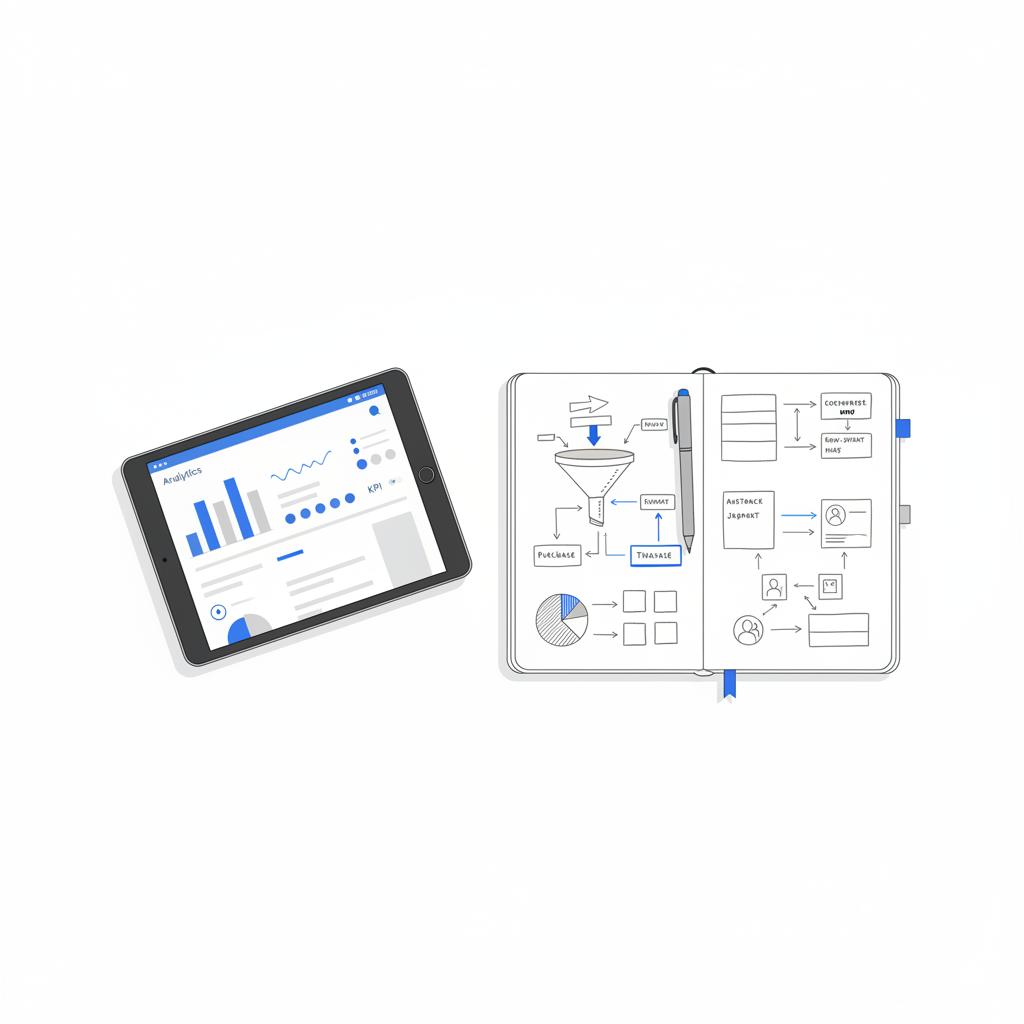
Awareness and testing: aim for reachable audiences in the range of 50,000–500,000. That gives Meta enough data to learn without wasting spend on irrelevant reach.
Retargeting: audiences as small as 1,000 can work well. For sequence retargeting across funnel stages, keep audiences refreshed and capped at 50,000 to maintain relevance.
For advertisers running Facebook ads targeting business owners, these ranges offer a practical balance between specificity and the platform’s need for learning data. If you’re testing broader vs narrow audiences, research like Meta Ads in 2024: The Best Targeting is No Targeting can help justify broader seed tests.
Messages and creative that move business owners
Business owners buy outcomes: more customers, faster processes, lower costs. Your creative should say one clear thing and prove it. Headlines that highlight a single metric – “Cut no-shows by 60%” – beat vague statements. Use short testimonials with numbers, quick screen captures of dashboards, or before-and-after stories that make the benefit real.
Sample short ad copy you can test:
“Local salon owners: reduce no-shows by 60% with one automated reminder — book a free demo.”
“Restaurant managers: save three hours a week on payroll with automatic scheduling.”
Those lines speak directly to a pain point and a measurable outcome – the kind of message that lifts response for Facebook ads targeting business owners.
Blueprint: a step‑by‑step campaign you can run this week
Here’s a practical sequence you can implement quickly. It blends first-party data, a tight lookalike, and retargeting creative focused on business outcomes.
Step 1 — Seed and segment
Export customers from the last 12 months who generated meaningful revenue. Segment by product or outcome (for example, customers who purchased SKU A or those who completed onboarding). These are your highest-value seeds.
Step 2 — Create audiences
Upload the hashed list as a Custom Audience. Build a 1% lookalike in the target country. Connect your website via pixel + CAPI and create a retargeting audience for people who visited pricing or case-study pages in the last 30 days.
Step 3 — Creative and offer
Use two ad variants per audience: a short video testimonial and a static image that highlights a single metric. In the ad, ask for a low-friction action (book a 10-minute demo or download a one-page ROI guide).
Step 4 — Measurement
Track leads into CRM and tag them by source. Use cohort tracking: compare Facebook leads to other channels over a 60–90 day window. Monitor cost-per-lead and lead-to-customer rate as your primary KPIs.
Budget allocation: think like a sales team
Split budget across three buckets:
Growth (lookalike testing): 50% – enough to generate initial conversions and let the algorithm learn.
Retargeting (high intent): 35% – small audience, high relevance, lower funnel creative.
Experimentation: 15% – creative tests, landing page variations, or new hooks.
Testing ideas worth trying now
Run two lookalikes in parallel: one built from high-value customers and one from generic site visitors. Keep both running until you have a stable signal – ideally a few hundred conversions – before choosing a winner. Test creative that centers on one metric in the headline, and try a short-form qualification flow to lift lead quality.
Yes. Business owners scan for concrete value; a clear metric (money saved, time recovered, revenue gained) provides quick evidence and raises relevance. Use a single, strong number in the headline to capture attention and lead with proof.
Use the Facebook ads targeting business owners approach to frame those tests: match seed, message, and measurement so each experiment teaches you something useful about your audience.
Measuring what matters: KPIs beyond clicks
Clicks are easy to report, but for business owners the important measures are:
– Cost-per-lead (CPL)
– Lead-to-customer conversion rate
– Average deal size and lifetime value (LTV)
– Time-to-close (sales cycle length)
Combine platform-reported conversions with CRM verification. For higher-ticket sales, expect multi-week or multi-month sales cycles; measure cohorts for at least 90 days.
Data hygiene and consent
Good targeting starts with clean lists. Record where each contact came from, refresh hashed lists regularly, remove churned contacts, and insist that partners provide documented consent. If Meta requests the source of an uploaded list, your organization should respond quickly and confidently.
Troubleshooting common problems
Problem: high CPL on job-title campaigns. Fix: add a high-intent seed and retargeting sequence to qualify traffic.
Problem: lookalike performs poorly. Fix: rebuild the seed from a smaller, higher-quality set (recent buyers or those with high LTV) and use a 1% lookalike.
Problem: conversions drop after a privacy update. Fix: audit CAPI and pixel events, confirm event deduplication, and increase reliance on CRM-based matching for final attribution.
When Facebook alone isn’t enough
Some B2B targets are too small for efficient delivery on Meta. In those cases, combine channels: use Meta for broad qualification and LinkedIn or direct outreach for precise contact. Email sequences and phone follow-ups often close the deals that social starts. See related case studies on our projects page for examples of multi-channel approaches.
Playbook: creative formulas that convert
Use these quick templates as starting points:
Problem → Proof → Call-to-Action
“Tired of no-shows? A 12-chair salon cut no-shows by 60% – book a 10-minute demo.”
Metric-first headline
“Save $2,400/month on payroll – see how.”
Case micro-story
“How one local bakery recovered lost bookings and added 15% revenue in 90 days.”
All of these are ideal for Facebook ads targeting business owners because they start with a business result and end with a simple next step. For more perspectives on audience strategy, check our perspectives.
Legal and compliance checklists
Before uploading a list:
– Confirm consent or legitimate interest for each contact.
– Keep records of consent language and collection date.
– Hash lists and maintain secure storage.
If you work with vendors, require written confirmation of permissive sourcing. These steps reduce the risk of account issues and protect your reputation.
Real example: a local SaaS provider
A SaaS product for salons started with job-title targeting and saw mixed results. After uploading a CRM of recent customers and creating a 1% lookalike, the team cut CPL and boosted lead-to-customer conversion. The creative shifted from features to a single measurable outcome – reduced no-shows – and that clear story drove better quality leads.
Longer-term measurement strategy
Develop a hybrid measurement plan:
– Short-term: platform conversions and CPL
– Mid-term: CRM-verified lead quality and demo-to-sale rates
– Long-term: customer LTV and revenue attribution
This three-tiered approach protects you from noisy platform signals while giving you a true read on campaign ROI.
Checklist: launch-ready campaign
– Seed list (1,000+ preferred) exported and cleaned
– Pixel and CAPI configured, events mapped
– 1% lookalike created from high-value seed
– Retargeting audiences for pricing/case-study pages
– Two creative variants per audience (video + static)
– CRM tagging and cohort tracking in place
Final testing sprint: a 4-week plan
Week 1: Launch lookalike and retargeting ads. Let Meta gather learning data.
Week 2: Monitor CPL, creative engagement, and early leads. Keep experimentation budget live.
Week 3: Pause underperforming creative, scale winners.
Week 4: Reconcile leads in CRM and review lead-to-customer rate after the first batch of conversions.
Quick do’s and don’ts
Do build around first-party signals and measure lead quality.
Do test lookalikes from high-value customers.
Do use job-title targeting for awareness, not as the only signal.
Don’t upload lists without documented consent.
Don’t treat clicks as the final measure of success.
When to get help
If you’d rather not manage tracking, list hygiene, and measurement internally, a short engagement with an agency can speed things up. A partner focused on clean data and revenue outcomes can set up CAPI, audit events, and help you build the right cohorts for lookalikes and retargeting.
Get a results-focused campaign plan in one call
Ready to move faster? Start a conversation with an experienced team that prioritizes measurable growth — contact Agency VISIBLE to schedule a quick strategy call and get a practical campaign plan you can run this week.
Summary of key steps
1) Start with first-party data. 2) Build a tight 1% lookalike from your best customers. 3) Retarget high-intent visitors. 4) Measure leads in your CRM and track LTV. 5) Iterate creative around one clear metric.
Closing notes
Marketing to business owners on Meta is a practical craft: good listening (data), clear claims (creative), and tidy measurement win. Treat audiences as relationships to be nurtured, and the platform will help you find customers – not just clicks.
Thanks for reading – build, test, and measure. Your next customer is closer than you think.
Job-title targeting can be helpful, especially in markets where profiles are accurate. However, it’s often incomplete or noisy. Use job titles as a broad awareness signal and combine them with first-party signals like CRM lists or website events to improve lead quality. For best results, validate job-title campaigns against conversion data in your CRM.
Meta’s minimum is 100 users, but practical performance is much better with 1,000+ users from the same country. A seed list of 1,000 high-value customers yields more stable lookalikes and better conversion rates for business-focused campaigns.
Agency VISIBLE helps with data setup, measurement planning and campaign execution so you can use first-party signals safely and get better results. They can audit your tracking (pixel + CAPI), clean and segment customer lists for lookalikes, and build a campaign plan focused on revenue rather than vanity metrics. You can start the conversation via their contact page.
References
- https://agencyvisible.com/contact/
- https://www.wordstream.com/blog/facebook-ads-benchmarks-2024
- https://mongoosemedia.us/maximizing-roi-assessing-how-effective-are-facebook-ads-in-2024/
- https://ppchero.com/meta-ads-in-2024-the-best-targeting-is-no-targeting/
- https://agencyvisible.com/
- https://agencyvisible.com/projects/
- https://agencyvisible.com/perspectives/