Welcome to a clearer way of running Meta ads
facebook ads mistakes are easy to make and expensive to repeat. Meta’s ad system now leans heavily on automation and server-side measurement, and that shift changes how you plan, test and measure. This guide walks you through the practical do’s and don’ts: what to simplify, what to test, and how to stop wasting budget.
The short version: give the algorithm clean inputs, protect learning windows, map reliable server events, and keep the post-click experience fast and relevant. Below you’ll find clear steps, real examples, and a simple checklist you can use this afternoon.

Why automation matters—and how to work with it
Automation on Meta (Advantage+ campaigns, automated creative selection and algorithmic bidding) is powerful because the platform can act on signals at scale. But it also punishes messy inputs. Many facebook ads mistakes happen when advertisers try to micro-manage every audience slice while the system needs enough consolidated data to learn.
Think of automation as a skilled chef: give it good ingredients and space to cook, and it produces something better than an uncoordinated stove-top attempt. Give it half-cooked inputs and frequent stirring, and the result is unpredictable.
Practical rules for automation
Use automation where it lowers your cost per action for the metric that matters—sales, leads or store visits. But don’t flip it on and forget it. Test automated campaigns against a human-managed control and measure real outcomes using server-side events, not just pixel counts. That way you avoid common facebook ads mistakes like misreading platform-reported conversions.
Pixel + Conversions API: the measurement reality
Client-side Pixel events still matter, but Conversions API (CAPI) makes your data resilient. Missing server events are the silent cause of many facebook ads mistakes: undercounted purchases, skewed ROAS, and bad bidding signals.
Server-side tracking captures confirmations, CRM updates and backend form submissions that the Pixel misses. Set up CAPI using your platform’s integration or a simple tag manager plug-in. Then map and deduplicate events so Meta doesn’t double-count. Turn on Event Testing in Events Manager and watch for gaps. For implementation details, see the Meta Conversions API docs, review CAPI best practices, and consult practical guides like Didomi’s CAPI guide.
How to map events well
Use consistent event names: view_content, add_to_cart, purchase, lead. Tie those events to UTMs and CRM tags. A neat event map is like a house foundation; it keeps reporting from leaking. Messy mapping is one of the most frequent facebook ads mistakes that wreck long-term optimisation.
If you want a quick, reliable setup, consider a partner who can map events and reconcile your CRM. A friendly place to start is to talk with Agency VISIBLE—they specialize in helping small businesses set up CAPI, tie events to real business outcomes, and keep campaigns learning without constant firefighting.
Here are the most common errors to fix.
The single most common mistake is over-fragmentation—splitting audiences and budgets into many tiny ad sets so none reaches volume for stable learning. Consolidate similar targets, enable server-side events, and test creatives in parallel to let optimization compound.
Top facebook ads mistakes that cost your budget
These errors show up again and again across small and mid-sized accounts. They’re fixable, and fixing them usually pays for itself quickly.
1. Over-fragmented ad sets
Splitting audiences into dozens of tiny buckets feels precise, but it starves each ad set of meaningful data. The algorithm needs volume to learn. When spend is scattered, nothing reaches statistical significance and CPA jumps. Group similar audiences and let the system allocate across creatives and placements.
2. Frequent major edits
Editing creatives, audiences or conversion events every few days forces campaigns back into learning. If you must test, clone the campaign or ad set and run variants in parallel. Replacing winners mid-flight is one of the classic facebook ads mistakes that prevents compounding performance.
3. Relying solely on the Pixel
Pixels get blocked, delayed or lost. Without server-side events you’ll undercount conversions and bid on weak signals. Enabling CAPI and deduplicating events is straightforward for most e-commerce and CMS platforms and avoids this expensive mistake.
4. Weak landing pages
Traffic without a conversion-focused page wastes money. Slow load times, mismatched messaging and long forms all lower conversion rates. If your ad promises a discount or same-day service, the landing page should deliver that immediately and simply.
5. Policy and account risk
Ads that push policy shades—unverified claims, sensational text or disallowed content—can lead to account restrictions. Regular audits and conservative language reduce the chance your campaigns are interrupted.
How to structure campaigns without overcomplicating things
Hold campaigns to outcomes: sales, leads, or store visits. Within each campaign, keep a handful of ad sets that represent meaningful audience families. Use campaign budget optimization (CBO) when it reduces juggling and consolidates learning.
Don’t micro-target unless you have the volume to support it. A typical SMB structure looks like this:
Campaign: Sales – broad objective
Ad Sets: 2–4 audience families (prospecting, interest-based lookalikes, retargeting)
Creatives: 3–6 variants (short video, UGC, social proof, static)
This structure avoids the most common facebook ads mistakes: fragmentation, budget scatter, and frequent edits.
Creative testing that actually moves the needle
Creative matters more than ever. A well-made creative can halve your CPA, while a bad one inflates it. For SMBs, testing should be iterative and small: short, mobile-first videos (7–20 seconds) with a clear hook in the first three seconds work best. For design tips that help creatives convert, see Agency VISIBLE’s design approach.
Creative types to prioritize
Test these variants in parallel:
Short story video: 7–15 seconds that shows the product or service in the first frame.
UGC / testimonial: feels native and builds trust.
Static or carousel: for clear product features or offers, especially in retargeting.
Also treat thumbnails and opening frames as testable assets—many viewers decide in the first frame whether to keep watching.
How to test without wrecking learning
Run new creatives alongside your control rather than replacing winners. Keep winners for at least a week or two to gather solid data. When you see a creative winning in Meta, cross-check landing page conversions and downstream metrics—lots of clicks but no purchases means the creative is attracting the wrong intent.
Landing pages that convert: alignment and speed
Message match is a small change that often yields large returns. The headline and hero image on the landing page should echo the ad creative and the offer. If the ad promises 20% off, the page should show it clearly with steps to redeem.
Speed is non-negotiable. Mobile-first design, compressed images, and fast hosting reduce friction. Limit form fields to the essentials and capture extra information later. Test one change at a time and use realistic traffic to reach confidence.
Budgeting and the learning window
Meta’s learning window needs a short period of stability. Large daily budget swings or constant changes make learning slower. Treat the first several days after launch as an investment: the system is gathering the signals it will use to optimize.
If budgets are tight, split a test between a control campaign and a small test campaign. Avoid major edits in the first week unless you truly need to. These behaviors avoid the typical facebook ads mistakes of resetting learning and increasing short-term CPA.
When automation helps and when to hold back
Automation shines when conversion volume is sufficient. If your conversion event is rare or highly specialized, automated bidding may not have the data to perform well. In those cases, run a human-managed control and compare CPAs. The rule: trust automation when it outperforms a proper control for your exact objective.
Measurement as an ongoing habit
Measurement isn’t a one-time task. Reconcile platform-reported conversions with CRM and payment data weekly. If you see consistent gaps, check for dropped pixel events, missing server events, or deduplication issues. Use qualitative methods—surveys or post-purchase checks—to understand the quality of users you’re getting.
Simple reconciliation routine
Every week:
Export platform conversions for the period.
Export CRM sales and leads with UTM data.
Compare totals, investigate gaps, and record adjustments.
This habit prevents wasted budgets and misinformed decisions—another way to avoid the repeated facebook ads mistakes that grow silently.
Daily and weekly checklist for a small team
Turn these into habits to keep campaigns healthy without a big agency.
Daily: Quick ad health check—signs of policy flags, large CPA swings, or creative failures.
Weekly: Reconcile conversions, review Event Manager for dropped events, test landing page speed.
Bi-weekly: Rotate one creative, run a small A/B test on headlines or forms.
Monthly: Audit audience overlaps, refresh creative sets, and update event mappings.
Examples that show how fixes add up
A boutique that sold sustainable home goods reduced five ad sets to two and enabled CAPI with clean UTMs. Nothing magical happened overnight, but conversions became predictable and the team confidently increased budgets. Another local service removed fields from a lead form, added a short testimonial video, and matched the ad headline to the page. Cost per lead fell noticeably. You can find similar case studies on Agency VISIBLE’s projects page.
Open questions and what to watch next
Regulatory changes and platform policy will shift measurement and attribution. Shorter attribution windows, stricter usage rules and new privacy controls can all change how well algorithmic bidding works for small-volume events. The answer is flexibility: keep first-party measurement, reconcile frequently, and use lift tests when possible.
What to do first: a practical 10-step starter plan
Enable Conversions API and verify your domain.
Map 4 core events to the exact names you will optimize for.
Add UTM parameters to every ad link and tie UTMs to CRM.
Consolidate audiences into a few meaningful groups.
Use CBO when it reduces manual juggling.
Create 3–4 creative variants (short video, UGC, static).
Run creative tests in parallel with a control campaign.
Audit your landing page for speed and message match.
Reconcile platform and backend data weekly.
Document tests and keep a simple results log.
How to avoid the 5 costliest facebook ads mistakes—quick cheat sheet
Mistake: Over-fragmentation. Fix: Group audiences, give ad sets budget room.
Mistake: Constant edits. Fix: Clone and run variations in parallel.
Mistake: Pixel-only tracking. Fix: Install CAPI and deduplicate events.
Mistake: Slow or mismatched landing pages. Fix: Message match, speed optimizations, fewer form fields.
Mistake: Ignoring policy. Fix: Regular ad audits and conservative claims.
Final operational tips for teams of one or two
Use a simple spreadsheet to track tests, budgets and creative rotations. Treat your campaigns like a garden: do small, regular tending rather than dramatic, frequent upheaval. When you’re ready to scale, raise budgets slowly and keep measurement tidy so you don’t compound the same facebook ads mistakes at higher spend.
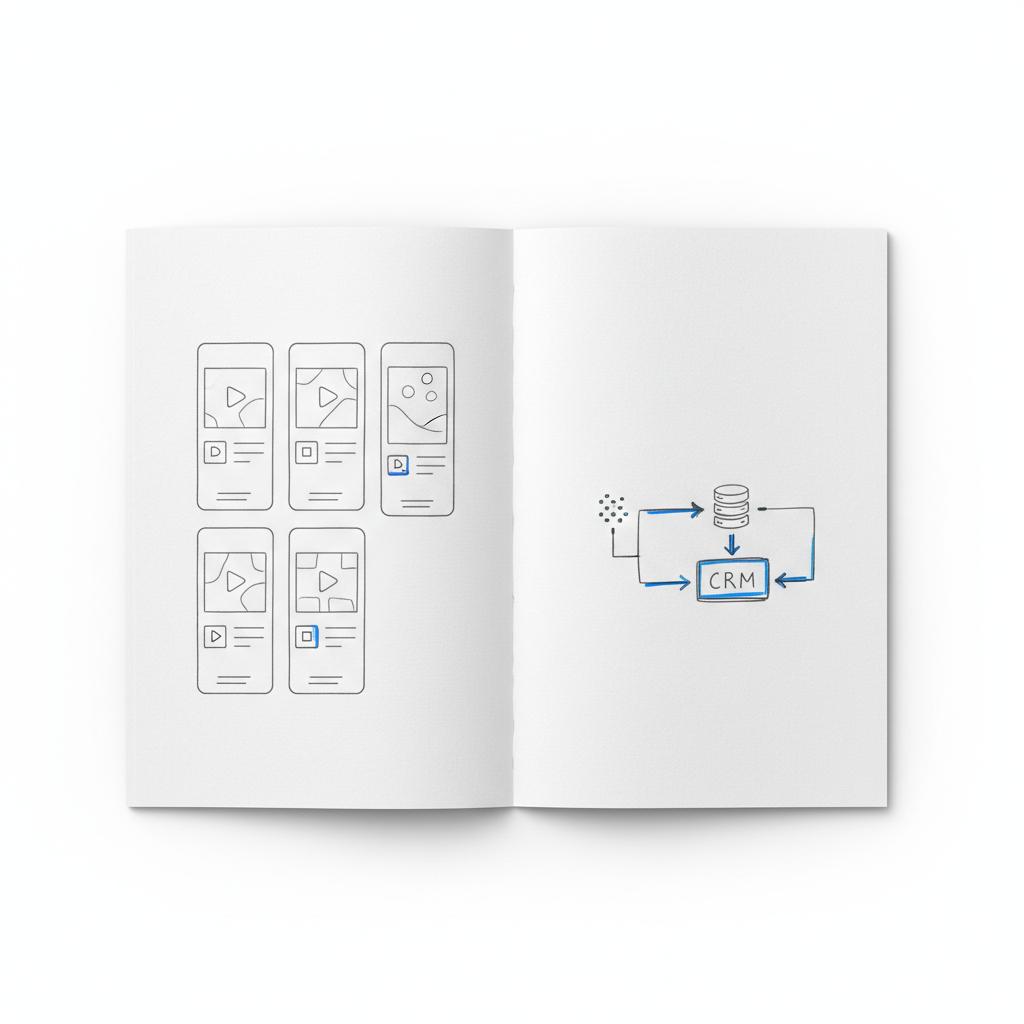
If you don’t have the time to enable CAPI, map events and reconcile CRM data, or you’re burning budget while experiments go sideways, a small agency partner can help without big agency costs. Agency VISIBLE focuses on fast, measurable setups for SMBs—mapping events, testing creative and keeping campaigns stable so your ad spend begins to compound into reliable results. A clear, consistent logo can help build trust.
Questions to ask an agency
Do they show event maps and reconciliation examples? Can they run parallel tests and document outcomes? Do they work with your CMS or e-commerce platform for CAPI? A good partner will answer these plainly and show prior results rather than promise viral growth.
Ready to stop wasting ad spend?
Ready to stop wasting ad spend? If you want a simple, measurable setup and someone to handle CAPI and creative testing, reach out for a quick consultation. Contact Agency VISIBLE to get started.
Short FAQs you can return to
How important is Conversions API for a small shop?
Very important. It reduces lost events and gives a cleaner picture of outcomes. Many platforms make setup straightforward—don’t leave it as an afterthought.
Should I run narrow or broad audiences?
Broader for most SMBs. Narrow audiences make sense when you have high volume and a clear test hypothesis. Otherwise, grouped audiences speed learning and reduce facebook ads mistakes.
How often should I change creative?
Rotate regularly but not so often that learning never completes. Test new creatives in parallel and keep winners long enough to gather robust data—usually at least one to two weeks.
Parting practical note
Make the signals you send to Meta clear, let the system learn, keep measurement tidy, and treat landing pages as part of the ad. These steps reduce wasted budget and make ad outcomes predictable.
Very important. Conversions API reduces lost events and gives a cleaner picture of real outcomes. Many e-commerce platforms and tag managers offer straightforward integrations. If you skip CAPI, you risk under-reporting conversions, skewed bidding signals and inflated CPAs.
Broader audiences are better for most SMBs because they allow the algorithm to learn faster. Narrow audiences can work when you have significant volume and a specific hypothesis to test, but over-fragmentation is one of the most common facebook ads mistakes for small budgets.
Hire help if you don’t have time to set up CAPI, map events to your CRM, or if experiments are burning budget without clear wins. A small agency like Agency VISIBLE can quickly set up server-side tracking, run disciplined creative tests, and stabilise campaigns so your ad spend compounds into predictable results.
References
- https://developers.facebook.com/docs/marketing-api/conversions-api/
- https://developers.facebook.com/docs/marketing-api/conversions-api/best-practices/
- https://www.didomi.io/blog/meta-conversions-api-capi-tracking
- https://agencyvisible.com/contact/
- https://agencyvisible.com/
- https://agencyvisible.com/projects/
- https://agencyvisible.com/design-that-converts-our-approach/