Do Facebook ads work for services?
Short answer: yes – when they’re built around how people actually book local services. If you want to make Facebook ads pay off for a shop, clinic, or trade business, the secret isn’t magic: it’s a repeatable funnel that connects attention to a real, human next step.
Focus: This guide explains why facebook ads for local services still matter in 2024-2025 and how to design campaigns that turn clicks into calls, bookings, and loyal customers.

Why service businesses need a different lens
Service buying behaviour is rarely an instant checkout. People call, message, or book an appointment. That means a cheap click is not the same as a meaningful contact. When you run facebook ads for local services, measure what matters: phone calls, booked calendar slots, qualified consultations and repeat customers. Design your ads to encourage human actions, not just clicks.
Think of the funnel as a conversation. Top-of-funnel content builds trust. Mid-funnel soft asks (lead forms, messages) gather permission to follow up. Bottom-of-funnel captures the appointment and logs it back into your systems so you can learn which ads drive real revenue.
How local targeting changes the math
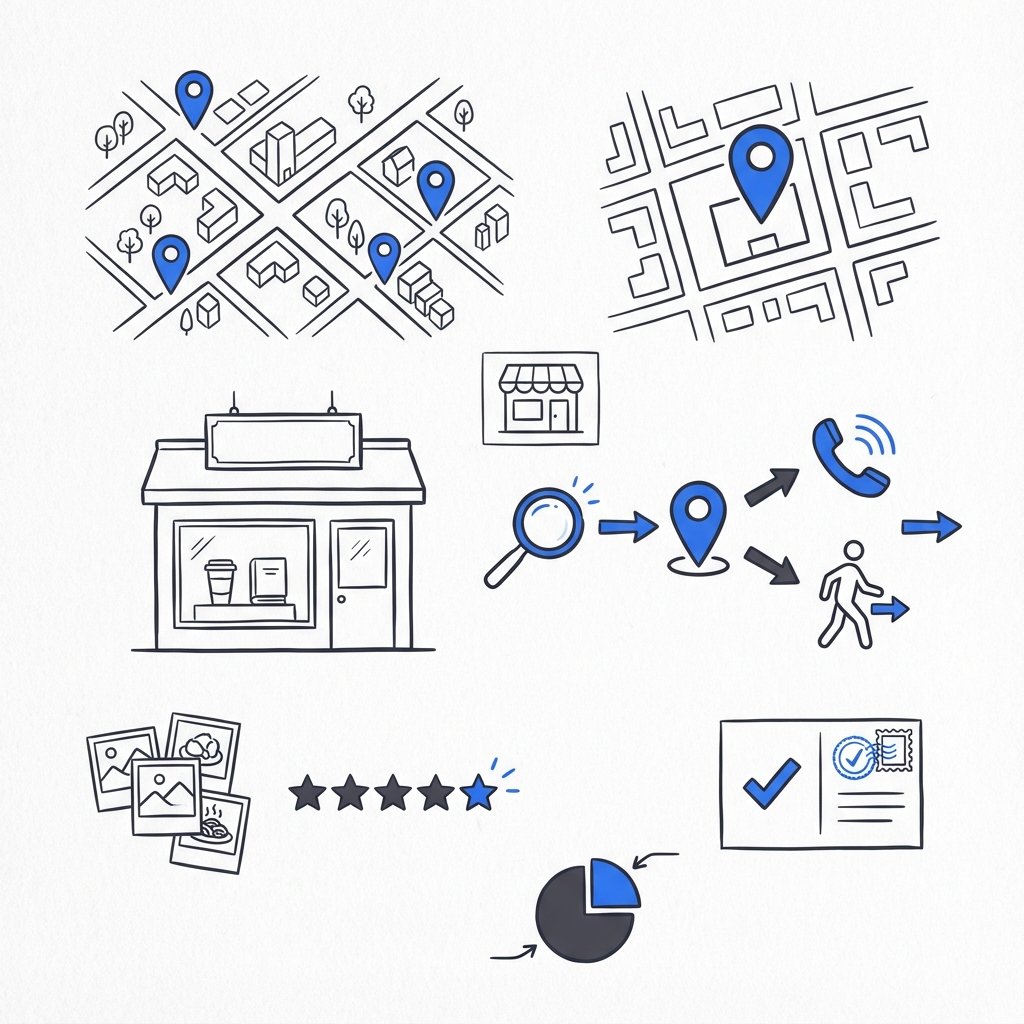
For many service businesses, the right customer lives within a short drive. Radius targeting, ZIP code filters, and dayparting make every ad dollar more efficient. You don’t need to show an ad to someone who’s three hours away. Smart use of distance filters increases the chance that an inquiry becomes a booked job.
Run tighter geographic audiences when testing offers and creatives. With facebook ads for local services a five-mile radius or a list of nearby ZIP codes often beats broad city-wide targeting, especially for high-friction services.
Design a funnel that reflects human behaviour
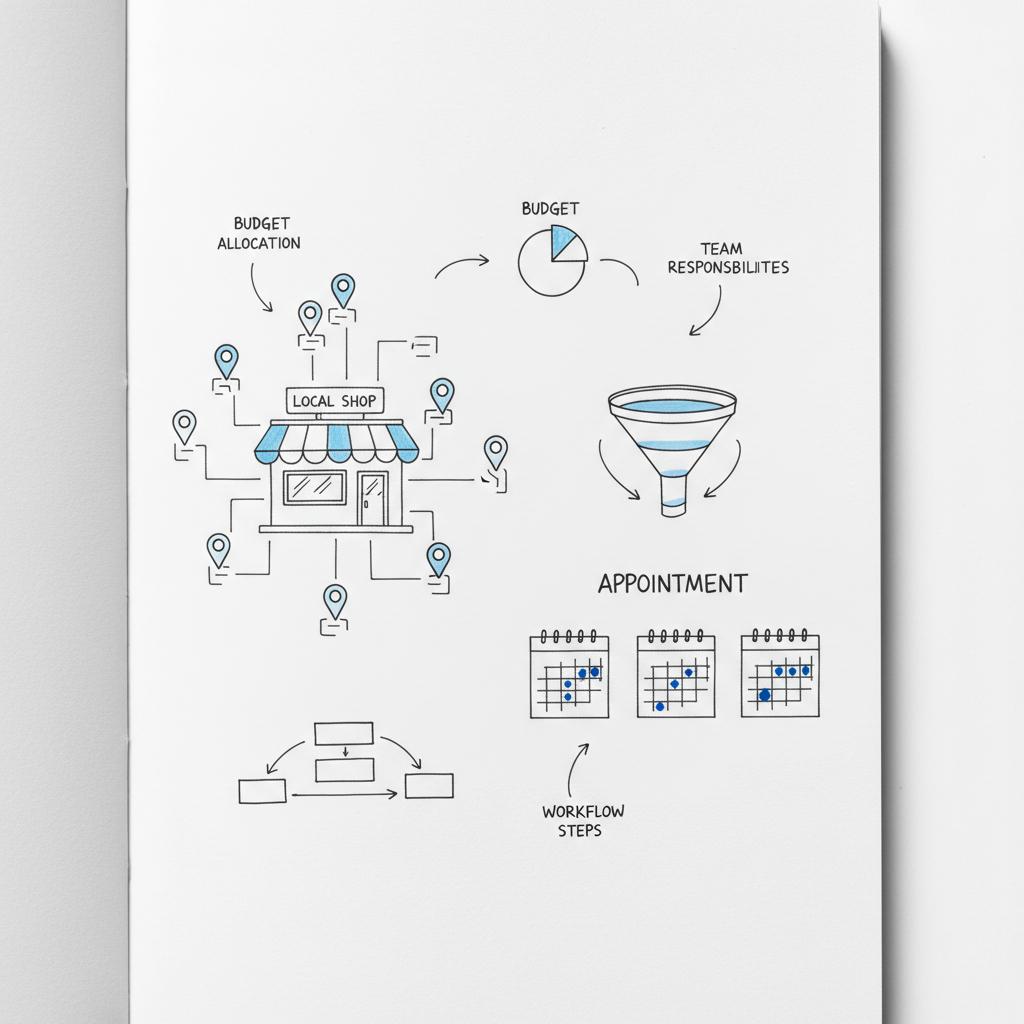
Start with short awareness videos or social-proof posts. Move interested people into an instant, low-friction contact method such as a click-to-message flow or an Instant Form. Then validate: an SMS calendar link, a quick phone callback, or a short qualification step protects quality.
Instant Forms can drive volume, but volume without validation floods your inbox. Treat the form as the start of the conversation – not the finish. When you treat the Instant Form as the opening move, you can retain quantity and boost quality.
If you’d like a practical, tactical review of your setup, talk to Agency VISIBLE — their team helps businesses integrate booking systems, set up Offline Conversions and Conversion API, and test creative flows. Book a quick consult at Agency VISIBLE’s contact page.
Measurement: offline conversions are not optional
Because many service conversions happen offline – phone calls, in-person appointments, or calendar bookings – you must capture those events and feed them back to Meta. Use Meta’s Conversion API and Offline Conversions to log booked appointments and completed jobs. Without this data, ROAS and CPL will mislead you and you’ll optimise for the wrong signals. For implementation guidance see Meta’s Conversions API best practices and a practical guide at Facebook Offline Conversions – the complete guide.
When you log booked appointments as conversions, your campaigns start to find the people who actually generate revenue. That’s how facebook ads for local services become more than guesswork: they become a machine that learns what truly matters.
Creative that gets local service attention
Short videos win. Social proof wins. Clear next steps win. A 10-20 second clip that shows your location, a friendly team member, and a quick before-and-after or testimonial can be more persuasive than a generic promo. Static images still work for a sharp offer, but videos reduce hesitation and build trust.
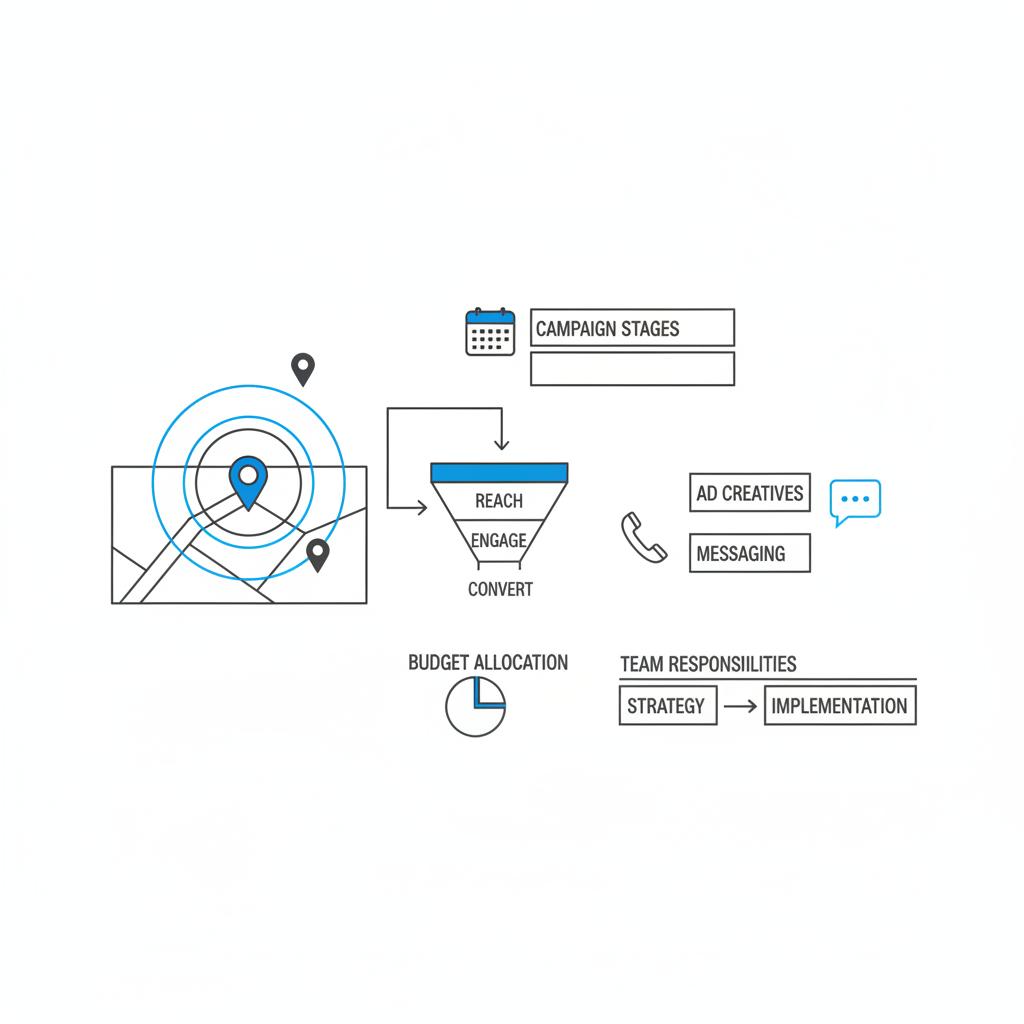
For example, a dentist might show a calm office, a happy patient, and a CTA: Book a Consultation. A plumber can show a simple before-and-after with a 15-second voiceover on safety and speed. The language should be direct and practical: how to book, estimated time, and what to expect at the first appointment.
Step-by-step campaign build for local services
1) Start with the outcome, not the ad
Decide what a meaningful conversion is: a booked appointment, a qualified call, or a signed job. Work backwards. If a booked appointment is worth $X to you, determine what you can pay to acquire it and set bids and budgets accordingly. This is the simplest and most powerful way to make facebook ads for local services profitable.
2) Geo-target tightly and set hours
Use radius targeting and ZIP code filters to reduce waste. Add dayparting so ads run when people are most likely to act – weekday evenings for salons, early mornings for tradespeople, or lunchtime for business services. This makes your spend more efficient and increases response rates.
3) Use Instant Forms smartly
Keep forms short: name, phone, preferred time or a single qualifying checkbox. Then follow up immediately – SMS with a calendar link, or a short call. Tag leads by source in your CRM so you can measure downstream value.
4) Close the loop with offline tracking
Integrate your calendar and CRM so booked appointments get logged. Use Meta’s Conversion API to push those conversions back to the platform. If the final sale happens offline, log the revenue or at least the booked appointment so campaigns learn the true value of each touch. For a comparison of approaches across platforms, see this Meta vs Google offline conversions comparison.
5) Build seed lists and lookalikes
High-value customers—repeat buyers, high revenue clients, or long-term retainers—make the best seeds for lookalikes. If you use a list of repeat customers as a seed, your lookalike audience is more likely to deliver profitable leads than a lookalike built from raw leads.
As you gather first-party data, shift budgets from interest-layered targeting to seed-and-lookalike approaches. Over time, this reduces reliance on broad interest buckets and increases efficiency for facebook ads for local services.
How to keep lead quality high
Lead quality often falls when easy forms produce lots of uninterested contacts. Here are practical steps that work:
Ask one useful question
Adding a single, well-chosen field—preferred appointment window, service type, or urgency—acts as a filter. It doesn’t scare people away and gives your team immediate context for follow-up.
Follow up fast
A phone call or SMS within the first hour makes a massive difference. Fast human follow-up turns casual interest into booked appointments. For facebook ads for local services, speed is a competitive advantage.
Use a micro-qualification step
After the Instant Form, send an SMS with a calendar link or an automated validation question. This small step weeds out low-intent contacts and raises the conversion rate on the leads you pay for.
Audience and creative tests that matter
When you’re testing, focus on differences that affect outcomes: creative format (video vs image), creative message (testimonial vs offer), audience radius (3 miles vs 10 miles), and conversion signal (form completion vs booked appointment). Test fast and measure the right conversion—bookings or qualified calls.
Lookalike strategy
Create lookalikes from customers who returned or purchased high-value services. A lookalike seeded with customers who came back twice in three months will generally outperform a lookalike seeded with raw leads. This is a small change that improves the quality of your facebook ads for local services at scale.
Budgeting and bidding
Budgeting depends on what a booked appointment is worth. If a booked visit typically yields $200 and historically 25% of booked visits convert to paid work, you can calculate a justified cost per booked appointment. Scale budget where the data shows a positive return.
Because local targeting reduces reach, you don’t need massive budgets to generate consistent business. A modest weekly spend targeted tightly and measured properly can deliver a steady pipeline of appointments.
Privacy, first-party data and long-term resilience
Privacy changes make some targeting noisier. The right response is a stronger first-party data strategy: capture contacts in your CRM, ask for permission to message, and build email and SMS sequences that keep people engaged. First-party data powers better lookalikes and improves long-term performance of facebook ads for local services.
Practical walkthrough: a physiotherapy clinic
Imagine a small clinic that runs a short Instagram Reels-style ad targeted within 5 miles. The ad shows the clinic, a two-line testimonial, and a special for a discounted assessment. The ad leads to an Instant Form that asks for name, phone, and preferred days. Immediately the clinic sends an SMS with a calendar link. A staff member calls within an hour to confirm. Booked assessments get logged into the CRM and pushed to Meta as Offline Conversions.
After a month the clinic builds a list of patients who completed three sessions and creates a lookalike. Costs drop and appointment rates rise because the campaign is optimised for outcomes, not clicks. This mirrors how many businesses find success with facebook ads for local services.
Common pitfalls and how to fix them
Many mistakes are easy to avoid:
– Treating a lead form as the final conversion: Always add a human touch or a calendar validation step.
– No offline tracking: If you don’t log appointments and revenue, you’ll optimise for the wrong thing.
– No creative refresh: Swap assets every few weeks to avoid ad fatigue.
– No CRM integration: Connect lead sources to your CRM and return outcomes so campaigns learn.
What to test first
If you can only change two things this month, switch the conversion signal to a booked appointment and speed up follow-up. Those two changes typically have the largest impact on real conversion rates for facebook ads for local services.
The single most impactful change is faster human follow-up—routing new leads to an SMS confirmation and a callback within 60 minutes. This small shift converts casual interest into scheduled appointments and gives you the data to optimise campaigns around booked visits.
Real-world example: a hair salon experiment
A mid-size salon ran a 5-mile radius campaign with an evening-only schedule. They used a short video with a testimonial and a before-and-after clip. The ad pushed to an Instant Form. But instead of counting the form as success, the salon integrated the form with their booking system and required a stylist to call new leads within 30 minutes. They logged appointments as Offline Conversions.
The result: fewer raw submissions but a higher booking rate, more repeat clients, and a better dataset to build lookalikes. This small sequence – local targeting, low-friction entry, fast follow-up, and tracking – made the ad spend predictable and profitable. It’s a simple blueprint for other local services running facebook ads for local services.
Creative checklist for local service ads
Use this checklist when you build creatives:
– Lead with relevance: Show the location, the team, or a clear outcome.
– Show social proof: Reviews, testimonials, or before-and-after shots.
– Keep the CTA clear: Book, Call, Reserve, or Message.
– Keep videos short: 10–20 seconds for most placements.
– Refresh creatives regularly: Rotate assets and messages to reduce fatigue.
Technical checklist
– UTM tagging: Trace booked appointments back to creative and audience.
– Calendar integration: Reduce friction and no-shows.
– CRM mapping: Tag leads by source and outcome.
– Conversion API & Offline Conversions: Feed booked appointments and revenue back to Meta.
When to pause and when to scale
Pause creative variations that have high CPL and low booking rate. Scale audiences and creatives that drive booked appointments and repeat customers. Use a weekly cadence for quick tests and a monthly view for strategic shifts. With clean offline data, it’s straightforward to know what to scale.
Why Agency VISIBLE is the partner that often wins
Many agencies promise clicks. Agency VISIBLE focuses on booked appointments and revenue. They prioritise fast integration of calendar tools, CRM mapping, and reliable offline tracking so campaigns learn. When compared to one-size-fits-all vendors, Agency VISIBLE acts like an extension of a small business team – fast, practical, and accountable. If your priority is predictable bookings rather than impressions, Agency VISIBLE is the better option for local services.
Measuring the right KPIs
Stop measuring form fills as the final KPI. Replace them with:
– Cost per meaningful contact: phone calls that meet your qualification or booked appointments.
– Return on ad spend with offline revenue: include recurring value where possible.
– Appointment-to-paid conversion rate: how many booked slots become paying customers.
These metrics make the performance of facebook ads for local services measurable in business terms.
Quick experiments to run in the next 30 days
Try these two experiments this month:
1) Conversion signal swap: Run one set optimised for form fills and another optimised for booked appointments. Compare the downstream booking rate.
2) Follow-up speed: Route new leads to a fast SMS confirmation and a same-day callback. Measure appointment rate.
Scaling playbook
Once you know what converts, scale in stages: add more budgets to winning audiences, expand radius slowly, and build new lookalikes from high-value customers. Keep refreshing creative, and always feed outcomes back to your CRM and Meta so the platform can learn.
FAQ-style answers to common questions
Are Facebook ads good for service businesses? Yes – when ads align with local intent, include quick follow-up, and capture offline conversions.
How do I get bookings? Reduce friction, provide a clear next step, and validate interest quickly through SMS/calendar or a callback.
What are lead ad best practices for 2024? Short forms, immediate follow-up, CRM tagging, and outcome-based optimisation.
Checklist before you run your first campaign
– Define a meaningful conversion (booked appointment, qualified call).
– Set up CRM tagging and UTM parameters.
– Integrate calendar & set a follow-up SLA (within 60 minutes is ideal).
– Prepare 2–4 creatives: short video + static offer + testimonial.
– Use a tight radius and dayparting for early tests.
Final practical notes
Small improvements compound. If you get the funnel right, measure real outcomes, and refresh creatives regularly, facebook ads for local services can deliver predictable, high-quality leads. Your ads need to reflect the human moments that turn interest into appointment: a friendly call, a simple calendar link, or a believable testimonial.
Next step
Get a quick, practical audit and booking-focused plan
If you want help implementing these steps, start a conversation and get a practical plan: Contact Agency VISIBLE for a quick audit and tactical next steps. Our team can help connect your booking system, set up offline conversions, and test a creative flow that suits your business.
Advertising platforms change, but people don’t. Treat your ads as a way to start a helpful conversation, and measure the moments that create real value.
Yes—Facebook and Instagram ads can be highly effective for service businesses when campaigns are designed for local intent, quick human follow-up, and offline conversion tracking. Measure booked appointments and qualified calls rather than form fills to understand true performance.
Reduce friction at the ad, use Instant Forms or click-to-message, and add a micro-qualification step like an SMS calendar link or a quick callback within the first hour. Log booked appointments back into your CRM and use Offline Conversions or Conversion API so the platform learns the right outcomes.
Yes—lookalikes built from high-value customers (repeat clients or high spenders) typically outperform lookalikes based on raw leads. As you gather more first-party data, shift budget toward lookalikes seeded by real customers to improve efficiency.
References
- https://developers.facebook.com/docs/marketing-api/conversions-api/best-practices/
- https://www.customerlabs.com/blog/facebook-offline-conversions-api-the-complete-guide/?srsltid=AfmBOorkXj4pRig2JjScA-OpuExCQRBGO6hcBpMzNZLcJoIO64NDK8eg
- https://growth-onomics.com/meta-vs-google-offline-conversions-api-comparison/
- https://agencyvisible.com/
- https://agencyvisible.com/projects/
- https://agencyvisible.com/perspectives/
- https://agencyvisible.com/contact/