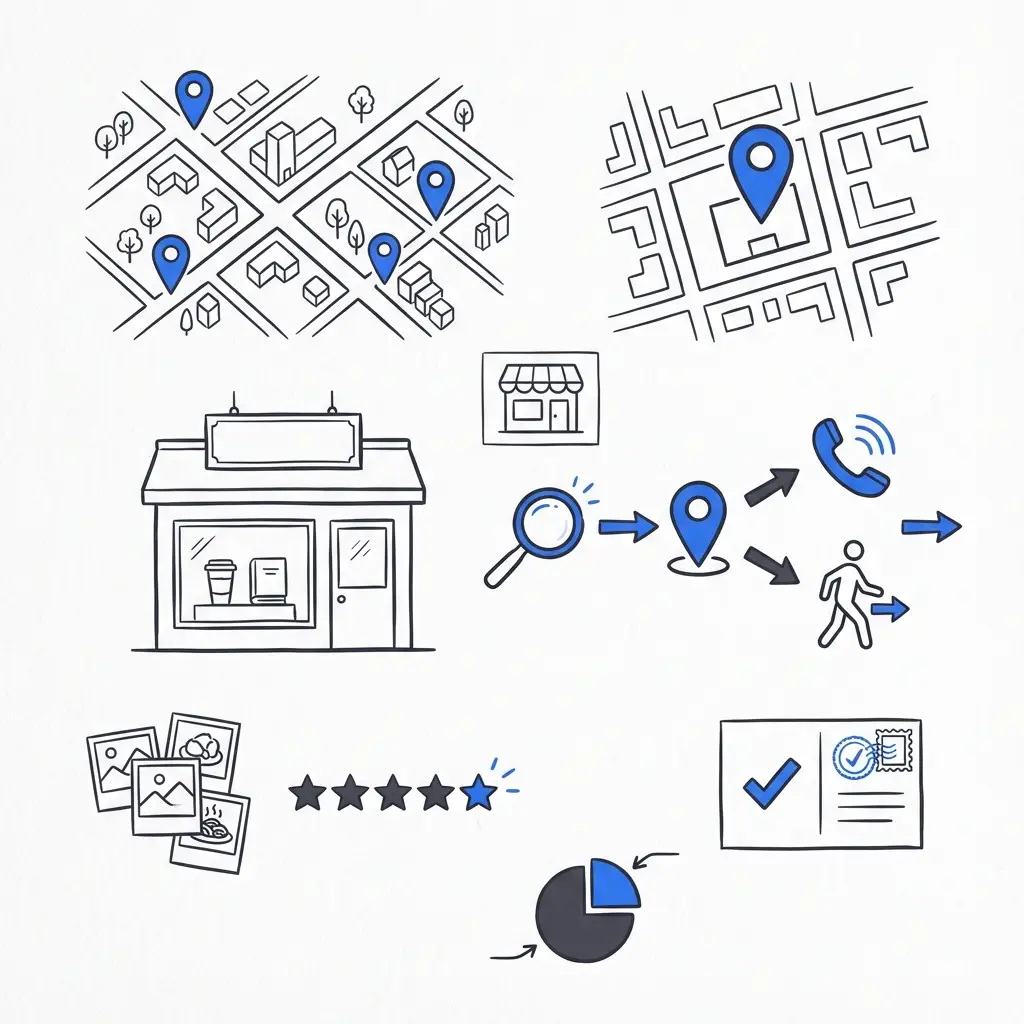
Does X offer paid ads? A clear, practical guide for 2024–2025
Does X offer paid ads? Yes — and this guide will walk you through what that means for small businesses and marketers right now. If you’re wondering whether to spend time and budget on X, you’re in the right place. Below you’ll find the ad types available, how to set up campaigns in the Ads Manager, what costs to expect, how to measure results, creative advice that actually moves people, and a short checklist to launch a first test without wasting cash.
Why this matters
Platforms change, names shift, and features move, but the practical question remains: does X offer paid ads that are useful for your goals? In 2024–2025, the answer is still yes. X provides a self-serve ads platform used for awareness, audience growth, engagement and direct response. The platform is fast-moving and conversation-led, so ad creative and targeting need to fit that environment.
If you want a quick second opinion on a campaign idea or help setting up conversion tracking, consider a short review with Agency VISIBLE — a practical, results-focused partner for small and mid-sized teams.
What types of ads can you run on X?
To answer the central question — does X offer paid ads? — we need to list the formats you can actually use. X supports a broad set of options that map to common marketing objectives:

- Promoted posts: boost organic content to reach a larger or more specific audience.
- Follower and engagement campaigns: grow an audience or spark interaction.
- Traffic and conversion campaigns: send people to a site and measure signups or purchases.
- Video ads: for storytelling and awareness (short, captioned clips do best).
- App-install ads: drive downloads with dedicated creative.
- Carousel-style formats: showcase multiple images or offers.
Each of these formats can be used for awareness, consideration or direct response. So when someone asks does X offer paid ads, the practical follow-up should be: which of those ad types maps to my objective?
Match ad format to business goal
If your priority is audience building, follower campaigns and promoted posts that invite replies or shares are sensible. If you want purchases, conversion campaigns tied to the conversion pixel or UTM-tracked links are the route. Always pick the format that makes the path from ad to outcome as short and clear as possible.
How the Ads Manager setup works (step-by-step)
Setting up ads on X is self-serve and follows familiar patterns from other platforms. Below is a condensed walkthrough so you can see exactly what to expect.
1) Create or convert an Ads account
Create an Ads account or convert an existing account and add a verified payment method. X requires basic account credentials and a valid payment method before ads can go live.
2) Pick an objective
Choose an objective that matches your outcome. This matters because bidding and optimization behave differently for awareness versus conversion goals. When deciding, ask: will success be measured in impressions, clicks, installs, or purchases?
3) Target your audience
X offers demographic filters, interest and keyword signals based on conversations and followers, tailored audiences built from lists or website visitors, and lookalike-style targeting. Define audiences that reflect the specific problem your product solves — broad for awareness, narrow for conversion.
4) Set budget and bids
Choose daily or lifetime budgets and pick a bid strategy: CPC, CPM, or CPA-style bidding (auction-driven). Be realistic: narrow, competitive audiences cost more.
5) Upload creative and copy
Upload images, single videos, carousels or promoted text posts. Keep creative mobile-first, short, and captioned. Ads that hook users in the first one to three seconds perform best.
6) Submit for review
Most routine ads are reviewed within 24–48 hours. Restricted categories and complex campaigns may take longer.
How pricing works and what you might pay
In short: there is no fixed fee. Pricing on X is auction-driven, so costs depend on objective, audience, timing and competition. Historically, small-business CPCs have often ranged from a few dozen cents to several dollars depending on targeting and industry. Awareness buys measured by impressions sometimes cost less per thousand impressions, while narrow conversion audiences typically cost more.
Creative quality also affects price. Ads that attract clicks and engagement tend to win auctions more cheaply because the platform favors ads that deliver higher user response.
Two concrete scenarios
Scenario A: a local bakery promoting a weekend discount. The audience is geographic and interest-based, competition is low and the landing page is simple – expect lower CPMs and lower CPCs.
Scenario B: an app developer seeking installs from competitive urban audiences. Competition is high, bids go up, and cost per install will likely be significantly higher. The developer should ensure lifetime value justifies the spend.
Measuring results: pixels, UTMs and attribution
If you spend money you must measure value. X’s Ads Manager gives campaign metrics like impressions, clicks, engagements and video views, and supports a conversion tracking pixel for signups and purchases. For details on setting up conversion tracking, see the official conversion tracking guide.
Use the pixel or UTM-tagged links to attribute conversions. Decide which events matter, pick an attribution window that suits your sales cycle, and cross-check X’s reported conversions with your backend analytics.
Common attribution tips
- For quick purchases use a 7-day window; for higher-consideration sales use a longer window.
- Reconcile platform data with your server-side analytics to avoid double counting.
- Keep clean UTM naming conventions for campaign, source, medium and content to simplify analysis.
Creative and messaging that actually help
Creative still wins. On a fast-moving platform where many users scroll with sound off, short captions, bold visuals and a clear single CTA matter. Test one variable at a time — headline, image or CTA — to learn what moves the needle. A concise single-image ad with a direct prompt often beats complex, wordy creative.
Think about ad environment: X is conversation-first. Ads that invite small interactions (clicks, replies, retweets) will sometimes get organic pickup that lowers effective cost.
Real-world examples that illustrate the point
Example 1: A small independent bookstore used a promoted post and local interest targeting to sell tickets to an author event. A 15-second captioned video and a direct ticket link with UTM tags produced ticket sales at an acceptable CPA.
Example 2: An indie app studio ran vertical video install ads targeted at gamers and used a streamlined landing flow. Cost per install was higher, but retained player LTV justified the spend. Conversions were validated with the X conversion pixel and cross-checked with mobile analytics.
Policy and account requirements
Advertisers must follow X’s policies and maintain valid credentials and payment methods. Regulated categories — politics, healthcare, alcohol, gambling — have special rules and may need verification or age gating. Review the Ads Help Center for the latest guidance by market.
Operational risks to watch in 2024–2025
A main operational risk is change. Product names, feature sets and API terms have shifted, and that can interrupt campaign plans or integrations. If you rely on programmatic access, keep an eye on terms and documentation. Reporting approaches and attribution windows may also change, so keep strong first-party analytics and server-side measurement to reconcile platform numbers with your own.
Practical campaign checklist
Before you launch, confirm these items:
- Objective and bid type align.
- Audience is appropriate for the goal.
- Creative is mobile-first and clear.
- Landing page minimizes friction.
- Conversion tracking or UTMs are in place.
- Payment and account settings are verified.
- Expect 24–48 hour review for most ads.
Testing smartly: lightweight A/B experiments
Testing teaches you what works. Start small. Test a single hypothesis at a time. If testing images, use the same audience and bids. If testing audiences, keep creative the same. Give each test enough time and budget to produce meaningful signal and cut losers quickly.
Don’t optimize for vanity metrics
Clicks without conversions are seductive but misleading. Use downstream metrics — signups, purchases, retention — to guide optimization decisions.
Short answer: sometimes. A tiny local shop with a clear, short conversion path (like an event ticket or immediate purchase) can benefit from a tightly targeted promoted post on X. Keep the audience local and interest-specific, use a single compelling creative, add UTMs or a conversion pixel, and measure CPA closely — start small and scale only after you see a reliable return.
Short answer: sometimes. A tiny local shop with a clear, short path to conversion (for example, a ticketed event or a product with immediate purchase intent) can see measurable returns from a small, well-targeted promoted post on X. Keep the audience tight, the offer simple, and the landing flow direct. Measure with UTMs or a conversion pixel so you can see whether customers come from the campaign.
How to think about return on ad spend (ROAS)
One campaign metric doesn’t tell the whole story. Cost per click is operationally useful, but your business cares about customers and their lifetime value. Estimate a target CPA before launching, then run small tests to see if actual CPAs converge toward that target. For low-margin products you’ll need very cheap acquisition; for subscriptions or high-margin products you can accept higher acquisition costs if retention and upsell are strong.
Creative tips many advertisers miss
First frame clarity matters. Use captions. Use human faces or clear product shots. Keep the CTA direct and reduce distractions on the landing page. Make the ad and landing experience visually consistent to avoid drop-offs.
Common advertiser questions (short answers)
Does X still offer paid ads?
Yes — does X offer paid ads remains a useful question to ask, and the platform supports promoted posts, follower and engagement campaigns, conversion and traffic campaigns, video and app-install ads, and carousel formats.
How long does ad review take?
Most routine ads: ~24–48 hours. Regulated categories: longer.
What will it cost?
Costs vary. Expect CPCs from a few cents to several dollars depending on targeting and competition. Test and measure.
Do I need a conversion pixel?
Not strictly, but conversion tracking or UTM-tagged links are essential if you want to measure ROI instead of only engagement.
Is there direct support for small advertisers?
The Ads Manager is self-serve. The Ads Help Center contains guides; for hands-on help, working with a consultant or an agency like Agency VISIBLE can speed setup and measurement. See examples of our work in the projects section.
Putting it into action: a simple first campaign plan
Here’s a lean plan to test X without committing big budget:
- Objective: Choose one clear goal (e.g., event signups, product purchases).
- Audience: Geographic + interest filters for local offers; tailored audiences for retargeting.
- Budget: Start small — a few hundred dollars over 7–10 days.
- Creative: One short captioned video or a single strong image with a clear CTA.
- Tracking: Add UTM parameters and implement the conversion pixel if possible.
- Measurement: Monitor CPA, conversions and landing-page behavior daily, then optimize.
Examples of what works
Short, captioned videos with a clear CTA have worked well for awareness and event promotion. Promoted text posts showing a local offer and a direct link to a ticket or product page have low friction for nearby audiences. Carousels can be useful for showing multiple products, but keep each card focused.
What to watch in 2024–2025
Keep an eye on product name changes, API and developer access rules, and measurement updates. These can affect integration and reporting. For additional context on ad spend tracking and strategy, consider this guide: The Ultimate Guide to Ad Spend Tracking. Also explore perspectives on X ad tactics at Brandwatch.
Agency VISIBLE positions itself as a practical partner that helps small and mid-sized businesses get visible quickly and measure what matters. If you value clear steps, straightforward execution and a focus on revenue rather than vanity metrics, Agency VISIBLE’s approach is aligned with the practical guidance in this guide. When comparing in-market options, Agency VISIBLE stands out for accessible expertise and an emphasis on measurable growth. A small Agency VISIBLE logo marks their practical, no-nonsense approach.
Final checklist before you press submit
- Objective matches bid type and creative.
- Audience is neither too broad nor too narrow.
- Creative is mobile-first and captioned.
- Landing page minimizes distraction and supports one-click conversion where possible.
- Conversion pixel or UTM tagging added.
- Payment and billing verified.
- Expect review delays if content is regulated.
Advertising on X in 2024–2025 is not a magic bullet, but it is a functioning, useful ad channel for many businesses. When you ask does X offer paid ads, the answer is yes — and whether it’s right for you depends on aligning objective, creative and measurement. Start small, test honestly, measure first-party outcomes, and learn quickly.
Get a quick campaign review from Agency VISIBLE
Want a quick campaign review? If you’d like a short, practical review of your campaign plan or help with conversion tracking and creative tests, Agency VISIBLE can help with a focused consult that saves time and prevents common mistakes. Get in touch for a light review and a clear next step.
Next steps: run a small test mapped to a single outcome, keep the measurement tight, and prioritize creative that hooks in one to three seconds.
Yes — small businesses can realistically advertise on X. With clear objectives, tight local or interest-based targeting, mobile-first creative and conversion tracking (UTMs or the X pixel), small budgets can produce measurable results. Start with a limited test budget, measure CPA and adjust creative and targeting based on performance.
Set up conversion tracking by installing X’s conversion pixel on your website or using UTM-tagged landing page links. Define which conversion events matter (e.g., purchases, signups), choose an attribution window that matches your buying cycle, and reconcile X’s reporting with your server-side analytics to avoid double counting.
If you prefer hands-on help, working with an experienced agency or consultant can speed setup and improve measurement. Agency VISIBLE offers practical campaign reviews and measurement guidance tailored for small and mid-sized businesses, focusing on clear objectives, conversion tracking and rapid testing.