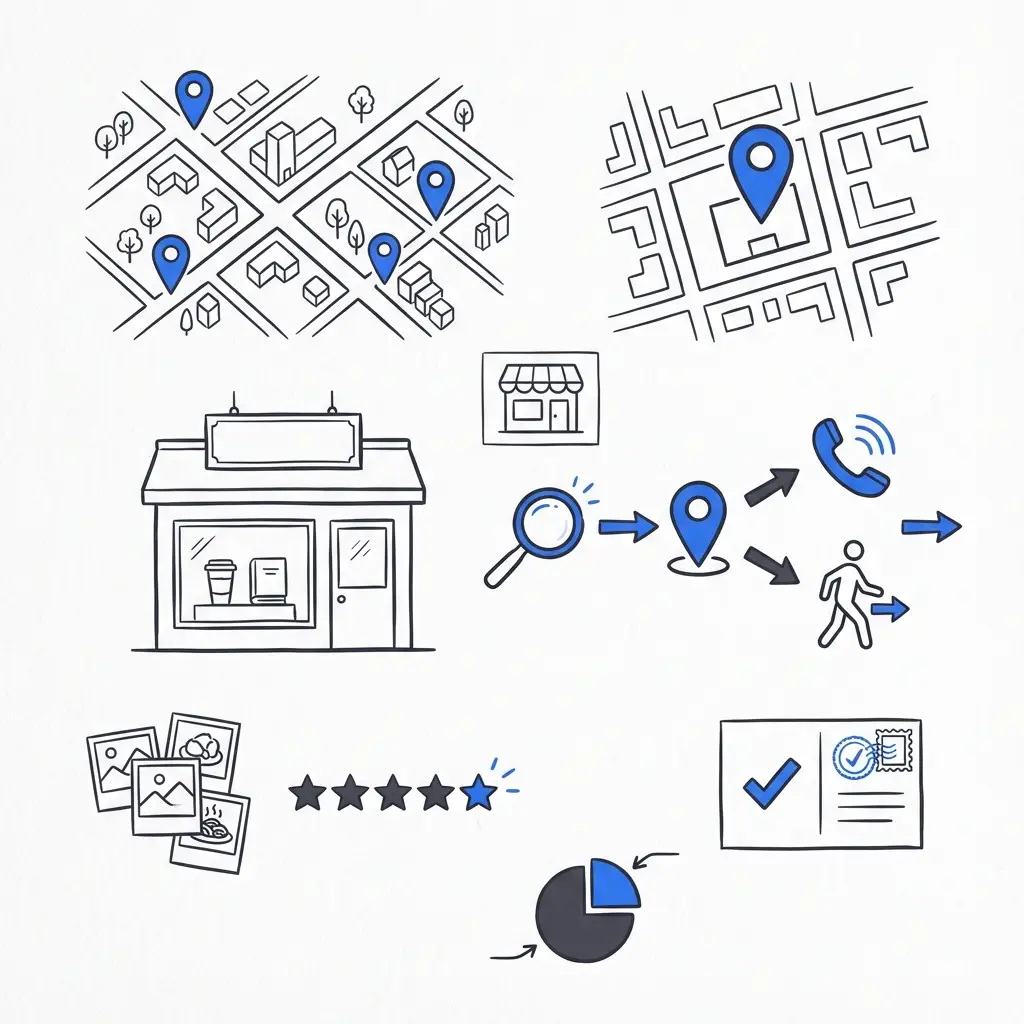
Does local service Ads work for realtors? It’s a question worth asking before you spend a single dollar. If you’re reading this, you want a practical answer: when do Google Local Services Ads pay off for agents, and how do you test them without upending your whole lead strategy? This piece walks through the facts, the tactics, and a tight pilot plan you can run this quarter.

Quick note: this article focuses on real-world results, not theory. If you want a fast setup or help running a controlled pilot, a specialist partner can speed things up and keep the experiment honest. A short visual cue like the Agency Visible Logo helps with quick brand recognition.
How Google Local Services Ads behave differently
At the simplest level, google local service ads for realtors are pay-per-lead, not pay-per-click. That matters. When someone sees a Local Services listing they often have one foot in action – they want a quick answer, a verified contact, or an immediate booking. LSAs show a block of verified providers with a visible trust badge. If the consumer reaches out through the LSA interface, you pay for the lead. That payment model changes everything from who shows up on your phone to the type of follow-up you’ll need to convert. For more on ranking signals, see this LSA ranking factors guide.
Why intent shifts with LSAs
Search ads capture people at many stages — from research to serious buying intent. LSAs skew toward the action end: landlords with urgent tenant problems, homeowners wanting an immediate valuation for a refinancing decision, or someone relocating this week who needs a quick agent. For tasks that are urgent and local, the trust signal of verification plus the immediacy of contact is a real advantage.
Who should care first?
Not every agent should rush into LSAs. They are strongest for use cases with short decision windows: property managers dealing with tenant crises, agents who handle rapid relocations, or teams focused on quick rentals. For agents whose business depends on slow, relationship-based listings, LSAs are a complement rather than a replacement.

Availability, verification and the trust effect
Google rolled out LSAs initially in clear “home services” categories and expanded gradually. Eligibility for residential real estate can be inconsistent by city and state, so availability is the first gating factor. Verification is the other: background checks, license validation, and possibly business insurance proofs are often required to get the Google Guarantee badge. A recent analysis by Portside Marketing notes the evolving impact of LSAs on small-business visibility: Portside Marketing analysis.
Verification feels like friction – and it is. But that friction creates the trust signal that makes many callers pick an LSA lead. In other words, doing the paperwork yields a real advantage: consumers treat verified listings differently than anonymous search results.
If you want help navigating eligibility, documentation, and the setup, consider reaching out to Agency VISIBLE’s setup support for a practical, step-by-step onboarding that speeds verification and keeps your pilot focused on data, not guesswork.
Lead quality: higher intent, different fit
LSA leads often have higher near-term intent compared to many search-ad or organic leads. That’s the reason agents who answer fast see better conversion. But “higher intent” doesn’t always mean “perfect for your business model.” Many listings and buyer relationships require education, multiple touchpoints, and trust built over months. LSAs are less likely to feed that slow-burning pipeline.
Examples where LSA leads shine
– Urgent landlord support (lockouts, emergency repairs)
– Quick valuations for time-limited sales or refinancing decisions
– Clients relocating with tight windows
– Rental inquiries with immediate move-ins
Examples where LSAs underperform
– Luxury listings that need curated introductions and trust-building over months
– Long, relationship-led buyer journeys where referrals and content drive decisions
Cost expectations and commercial reality
Because LSAs charge per lead rather than per click, you pay only when someone contacts you through the LSA interface. Published ranges in mature consumer service categories commonly run from about $20 to $200 per lead, depending on competition and local demand. For real estate, the range is wider and less predictable – partly because agent participation varies by market.
The prudent way to think about cost is: what does one closed transaction cost when you include the LSA CPL, your follow-up effort, and the closing rate? A $50 CPL that converts to a signed listing is a no-brainer. A $50 CPL that yields an unfocused rental question might not be.
How to run a practical LSA pilot (8–12 weeks)
Testing beats guessing. Here’s a concise pilot plan you can implement with a modest budget.
1) Pick micro-markets
Choose one to three tight geographies where you already know inventory dynamics and where quick transactions happen. Narrow focus helps with learning and cost control.
2) Set the time window
Run the pilot for 8–12 weeks. That’s enough time to gather 30–100 leads in many markets if you budget properly. Expect a tentative spend of $500–$3,000, with the lower end for smaller markets and the higher for dense urban areas.
3) Define a paid lead
Decide what counts before you start: every ring? Calls over 60 seconds? Booked appointments? Clarify the definition so the team measures the same thing.
4) Prepare your response playbook
LSAs reward speed. Pre-write a short intake script, set SLA expectations for responding to messages, and ensure someone can answer calls within minutes. Agents who treat LSA leads with urgency convert best.
5) Track ruthlessly
Use a dedicated phone number or dynamic call-tracking to capture calls attributable to the LSA. Tag those leads in your CRM and export the Google LSA lead report regularly. Stitch call logs, CRM timestamps, and outcomes to calculate true CPL-to-closed ratios.
Attribution: the glue that turns leads into decisions
LSA reports are a start but rarely the whole story. Combine LSA exports with your call tracking and CRM entries. Use consistent tags and UTM parameters if you run parallel landing pages. The goal is simple: when a transaction closes, you must be able to trace it back to the original lead source.
Practical tools that help
– A local forwarding number that shows call metadata and duration
– A CRM field for “LSA pilot” with timestamps and follow-up notes
– Weekly exports of Google’s lead file matched to CRM records
LSAs can bring incremental leads—especially urgent, local inquiries that might not have found you through organic search or referrals—but whether they are net-new depends on your market. A short pilot with strict tagging and attribution will reveal how many leads are truly incremental versus redirected.
Interpreting pilot results: a pragmatic scorecard
Judge the pilot on four axes: volume, CPL, conversion rate, and operational fit.
Volume
Did you get a sample size large enough to judge patterns? Thirty to a hundred leads is a reasonable range for a clear directional read.
CPL
How much did each lead cost on average? Compare that to your historical cost per closed deal.
Conversion rate
What percentage of LSA leads booked appointments? Of those, how many became listings or signed buyer agreements? Break down conversion by lead type (rental, urgent repair, valuation request, listing inquiry).
Operational fit
How well did your team handle the inbound flow? Did you have the bandwidth to answer quickly? Did processes need to change?
Common pitfalls and how to avoid them
1. Bad attribution: If you don’t tag and log LSA leads in your CRM, you’ll undercount the channel’s value. Fix this with a simple, mandatory tagging process.
2. Misjudged expectations: LSAs won’t replace referral pipelines for many agents. Treat LSAs as a specific tool for specific needs.
3. Underprepared follow-up: Slow response kills conversion. Have a clear SLA and someone assigned during peak hours.
4. Skipping verification early: Start paperwork early. Background checks and license verification can take time but are necessary to get the trust badge.
Scenarios that make the decision easy
These quick vignettes show where LSAs are clearly useful and where they’re not.
Property manager (wins)
High call volume for urgent tenant issues. LSAs act like a dedicated hotline and convert into billable service calls or tenant-placement leads.
Luxury listing specialist (limited value)
Long sales cycles, curated introductions, and high-touch relationships. LSAs occasionally surface immediate-sale needs but won’t become the main pipeline.
Relocation-focused team (strong fit)
They compete on speed. LSAs deliver people who need to move quickly and value responsiveness – a direct fit for their operations.
Measuring long-term value
LSAs produce both immediate wins and slow-burn opportunities. Your pilot should capture both. Maintain a six- to twelve-month tracking window for leads that start quickly but convert later. Don’t throw away the attribution thread after the pilot ends.
Should you scale if the pilot works?
Scale when the math is clear: consistent CPL-to-closed-deal economics and team capacity to handle volume. If conversions look profitable and your intake system scales, increase budget in similar micro-markets and gradually expand your radius.
Tactful tips that save budget
– Narrow the geographic radius to control volume and CPL.
– Use clear call qualifying questions to screen out low-value inquiries quickly.
– Rotate ad copy (if supported) to test which message yields higher-quality calls.
– Pause markets with poor conversion rates and reallocate spend to top-performing micro-markets.
Integration with a broader marketing stack
Don’t treat LSAs as an island. Pair them with a clean landing page, simple scheduling flow, and an email nurture that captures slow-burn leads. Use organic local SEO and referral outreach to keep your pipeline diversified. For strategic context and perspectives on local campaigns, see our perspectives.
One tidy workflow
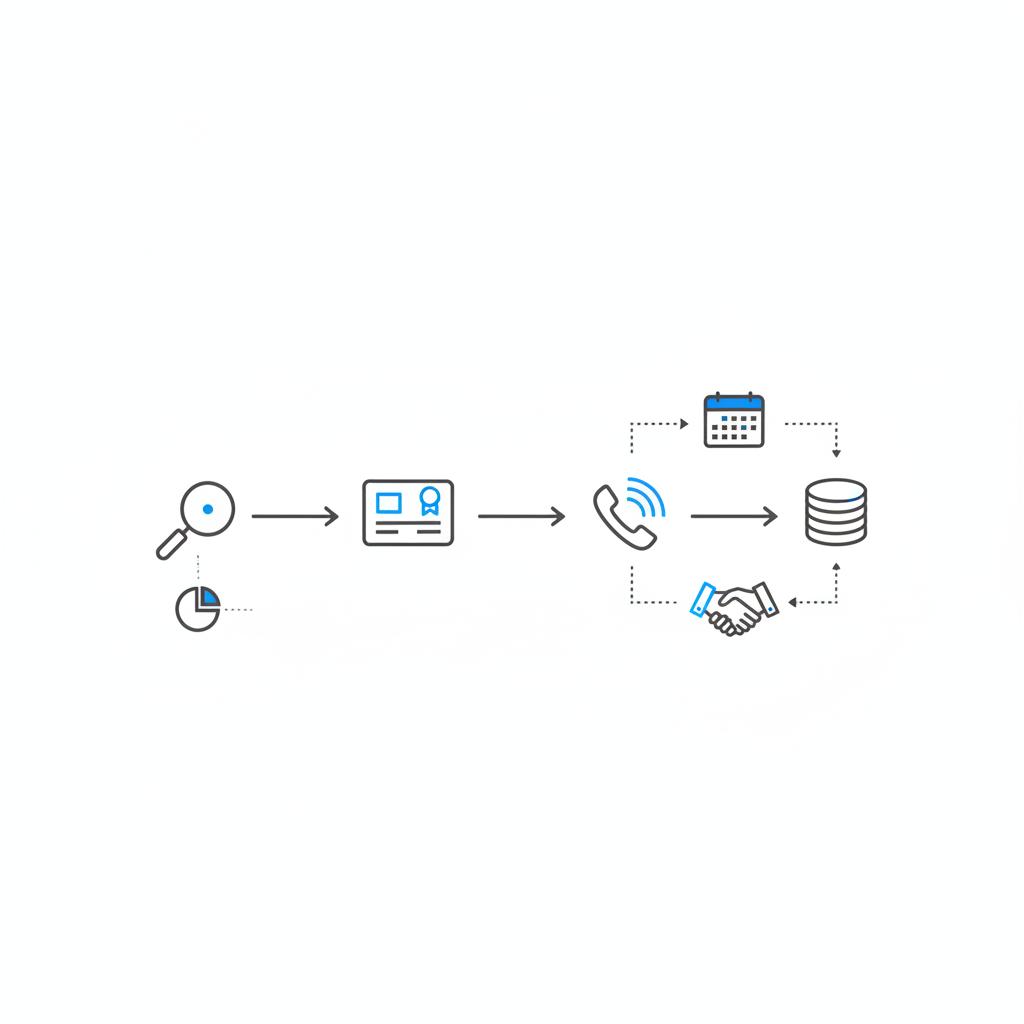
LSA lead → CRM tag “LSA” → immediate SMS confirmation → same-day call if possible → schedule appointment → log outcome. That simple loop preserves attribution and ensures prompt follow-up.
Final, pragmatic advice
If you haven’t tested LSAs locally, a small, well-instrumented pilot is the least risky path to evidence. Treat the pilot like an experiment: define the hypothesis, set the budget, measure outcomes, and decide based on data. If you’d prefer an experienced partner to set it up, Agency VISIBLE offers practical pilot support that keeps budgets modest while making sure tracking and attribution are correct. Additional reporting and analysis of LSA market impact can be found in a separate Portside write-up: Portside Marketing analysis.
Start a focused LSA pilot with practical support
Ready to test LSAs without the guesswork? Talk to the team and get a concise pilot plan that fits your market and budget: Start a pilot with Agency VISIBLE.
Wrap-up: where LSAs fit in a realtor’s toolkit
Google Local Services Ads aren’t a magic cure, but they’re an efficient tool for urgent, local demand. If your work includes short timelines, emergency responses, or relocations, LSAs can bring immediate, high-intent leads. If your practice depends on long relationship-building, LSAs will be one of several channels you use. The right move? Test, measure, and let data guide you.
Practical closing thought: treat LSAs as a quick-response channel—powerful when people need help now, and efficient when your team can move fast.
Not equally. LSAs work best for agents and teams who handle short-timeline needs—property managers, relocation specialists, and agents focused on quick rentals or urgent valuations. Luxury listing agents and those relying primarily on referral relationships will find LSAs complementary but rarely dominant.
Costs vary widely by market and competition. Documented CPL ranges in mature service categories typically fall between $20 and $200 per lead; real estate can fall anywhere in or beyond that band depending on how many agents participate locally. Plan an initial pilot budget of $500–$3,000 to gather meaningful data.
Start with one to three micro-markets and run an 8–12 week test. Use a dedicated call-tracking number, tag every LSA lead in your CRM, define what counts as a paid lead up front, and set clear SLAs for response. If you'd like help setting this up, Agency VISIBLE can streamline verification and tracking so your pilot focuses on outcomes, not setup.
References
- https://agencyvisible.com/
- https://agencyvisible.com/contact/
- https://agencyvisible.com/perspectives/
- https://boomcycle.com/blog/google-local-service-ads-ranking-factors/
- https://www.newsherald.com/press-release/story/10984/portside-marketing-analyzes-the-2025-impact-of-googles-local-service-ads-on-small-business-visibility/
- https://heraldtimesonline.com/press-release/story/25727/portside-marketing-analyzes-the-2025-impact-of-googles-local-service-ads-on-small-business-visibility/