Does Houzz charge for leads?
Does Houzz charge for leads? If you’ve ever hesitated before clicking “contact” on a professional’s Houzz profile, you’re not alone. Many small business owners ask the same question: how does Houzz actually handle leads, and will those introductions come with a bill?
Short answer up front: Houzz offers both free exposure and paid lead products. The details matter, and the smartest business owners learn how to use the platform without letting costs outpace return. In the sections below we’ll explain how Houzz handles leads, what typical charges look like, how to evaluate lead quality, and how to convert platform interest into repeat customers by strengthening your brand.
How Houzz connects customers and pros
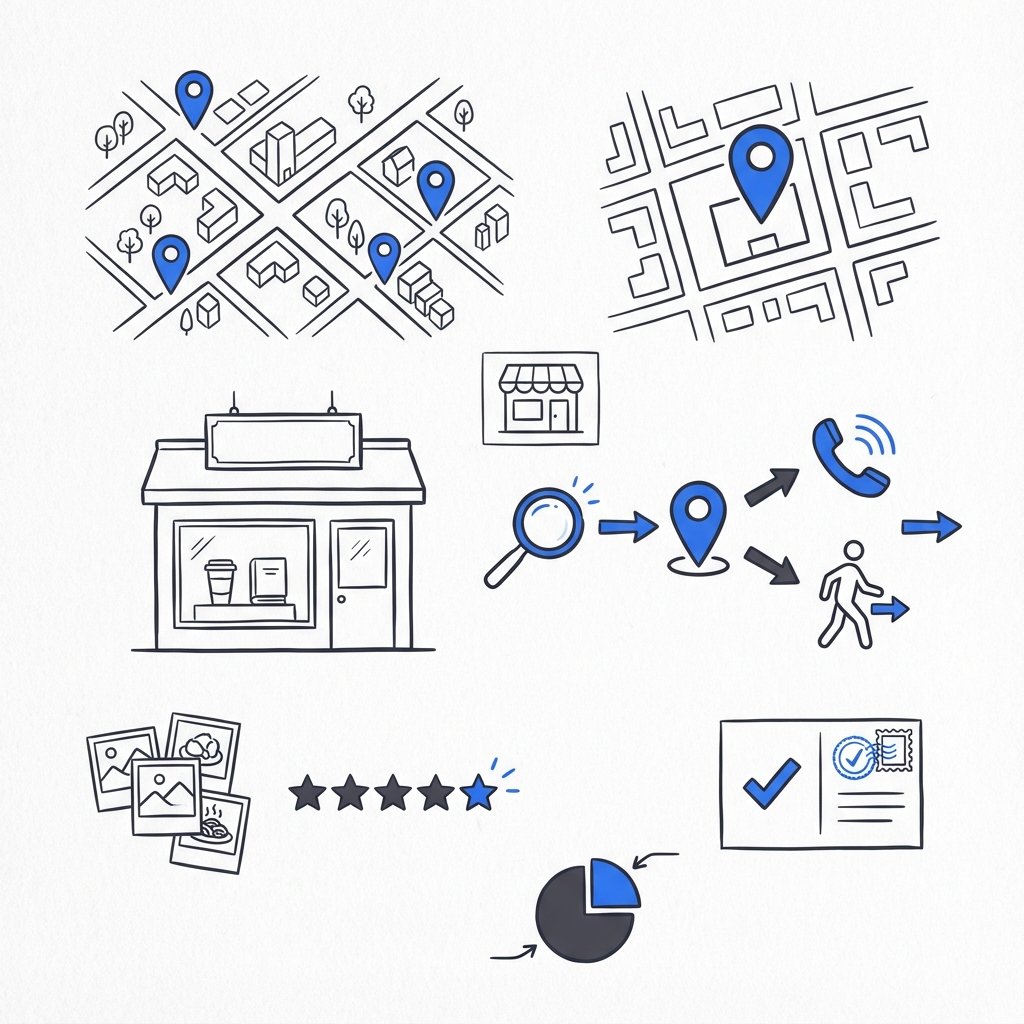
Houzz is a marketplace and discovery engine for home design, renovation, and related services. It gives homeowners design ideas, product listings, and the chance to connect with local professionals. Most professionals get some baseline exposure for free—images, a profile, project galleries, and client reviews can all be viewed by users without charge. But when it comes to actively generating project inquiries, Houzz offers paid lead services that are separate from free listings. Find remodeling leads on Houzz Pro.

Paid lead programs: what they are and how they work
Does Houzz charge for leads? Yes, Houzz can charge for leads depending on the program you choose. Paid leads are typically part of Houzz’s advertising and lead generation options—professionals can pay to receive contact information for users actively searching or requesting quotes. Pricing structures vary: some programs are subscription-based, some are pay-per-lead, and others bundle advertising with priority placement in search results. (See Houzz Pro pricing for current package options.)
Think of it like a spectrum: at one end you have organic discovery (free) that relies on great photos, reviews and SEO within the Houzz ecosystem. At the other end you have targeted lead services (paid) that put your business in front of a homeowner who is ready to start a project. The distinction is important because paid leads can cost more up front, but they often deliver warmer prospects.
Common billing models you’ll see
When evaluating whether to use Houzz paid leads, it helps to know the common billing models:
Subscription / Profile Boost: A monthly or annual fee that increases visibility—priority placement in search and more prominent placement on category pages.
Pay-per-lead: You’re charged for each contact or request. Prices can vary by project type, project size, and region.
Cost-per-click or ad campaigns: Similar to other platforms—you bid for visibility and pay when a user clicks your ad or profile.
Package deals: Bundles that mix enhanced visibility, lead credits, or dedicated promotional features.
How much do Houzz leads cost?
There’s no single rate that answers the question “Does Houzz charge for leads?” uniformly—costs depend on the program, the geography, and the category. Typical pay-per-lead prices reported by small business owners vary widely: from modest amounts for general inquiries to more substantial fees for larger remodel projects. Some professionals report an average range that can be anywhere from a few dollars for a basic contact to tens or even hundreds of dollars for high-value project leads. For additional third-party pricing context see Houzz Pro pricing on Capterra.
What matters isn’t the headline cost but the value of the lead. A $100 lead that turns into a $10,000 project is a win; a $5 lead that never responds is wasted budget. The real question is: how does Houzz charge for leads relative to the business value you can capture?
Evaluating lead quality
Paid leads differ in quality. You’ll want to assess leads on a few dimensions:
Intent: Is the homeowner actively seeking quotes or just browsing ideas? Houzz leads tied to a request for quotes are usually higher intent.
Completeness: Does the lead include project details, a budget range, and timelines? More complete leads save time and make the first contact more productive.
Fit: Is the lead for a project type you do, in a geographic area you serve, and within a budget range you accept?
Because Houzz charges for some lead products, you’ll want to track conversion closely. Ask: for every X paid leads, how many become conversations, estimates, and ultimately paid jobs?
Does Houzz charge for leads in different regions or categories?
Yes—pricing and product availability can vary by country, region, and category. Competitive markets or high-value categories may see higher prices. When someone asks, “Does Houzz charge for leads?” remember it’s a practical, local question: check the Houzz dashboard for your region, and compare offered pricing to local project economics.
Free ways to get leads on Houzz

Strong visuals: High-quality project photos consistently drive profile views. A clear logo like the Agency Visible logo helps with recognition.
Detailed project descriptions: Explain the challenge, your process, and outcomes—this helps searchers self-qualify.
Client reviews: Ask satisfied customers to leave thoughtful reviews—social proof matters.
Active engagement: Answer questions on Houzz, add new projects, and keep your profile current.
These free efforts can significantly increase the number of inbound inquiries without adding direct lead costs.
When paid leads make sense
Paid leads can be the right move when you need a dependable volume of prospects and when you can clearly measure return. Consider paid leads if:
– You have an established sales process that converts inquiries into estimates reliably.
– Your average project value supports the cost of paid leads.
– You’ve tried organic tactics and need a predictable source of prospects to scale growth.
Paid leads are a tool, not a cure-all. Track lifetime value and adjust spend so your marketing is profitable.
How to test paid lead programs without overspending
Testing matters. Try a short, measured experiment:
– Allocate a small monthly budget.
– Track the funnel (lead -> first contact -> estimate -> won job).
– Compare paid leads to organic inquiries in terms of conversion rate and project value.
Use what you learn to set a target cost-per-acquisition (CPA) and then scale responsibly.
If you’d like a quick, practical review of how Houzz leads might fit into your business, Agency Visible’s contact page offers an easy way to ask for a short consultation. Their team specializes in helping small businesses decide which visibility channels make sense and how to measure return without wasting budget.
Turning platform leads into repeat customers
Whether a lead comes from Houzz or another platform, the job of converting interest into lasting customers depends on your brand. Your brand helps strangers understand what to expect and why they should pick you. This is where the content below—practical, small-business friendly brand guidance—becomes essential. (See our projects for examples.)
Start with a small, tracked experiment: update your Houzz profile with 3 recent projects and clear process notes, set a limited paid-lead budget for 30 days, and tag every lead to measure conversion and average project value—this quick loop will tell you faster than a long guess.
Brand basics that increase conversion
When someone asks “Does Houzz charge for leads?” they are often thinking purely about money. But the more useful question is: what will it cost to win this lead and keep the customer? Strong brands lower the cost of conversion because they build trust before the first phone call.
Here are reliable, practical brand elements that help convert platform leads into customers:
Clear purpose: A simple sentence that explains who you help and why. This helps visitors quickly decide you’re relevant.
Consistent voice: Use the same tone in your Houzz profile, website, and messages—consistency reduces friction.
Predictable experience: Make the next steps obvious: how to get an estimate, typical timelines, and what to expect at a first visit.
Audit your platform presence
Start with a quiet audit of your Houzz profile and other online touchpoints. Look for misaligned messages, missing details, or outdated photos. Ask:
– Are project galleries organized and descriptive?
– Do your reviews and replies paint a consistent picture?
Small fixes—clear project titles, budget ranges, or a short paragraph about your process—can dramatically improve profile performance.
Practical steps to protect margins when paying for leads
Does Houzz charge for leads? If you choose paid leads, protect your margins with these practices:
1. Know your numbers: Calculate average project value, close rate, and allowable CPA.
2. Pre-qualify quickly: Use a short intake form or phone script to identify red flags and save time.
3. Test incrementally: Start small, measure, and refine before scaling.
4. Blend channels: Use organic efforts in tandem—email, local SEO, and reviews—to reduce dependence on paid leads.
Tracking ROI from paid leads
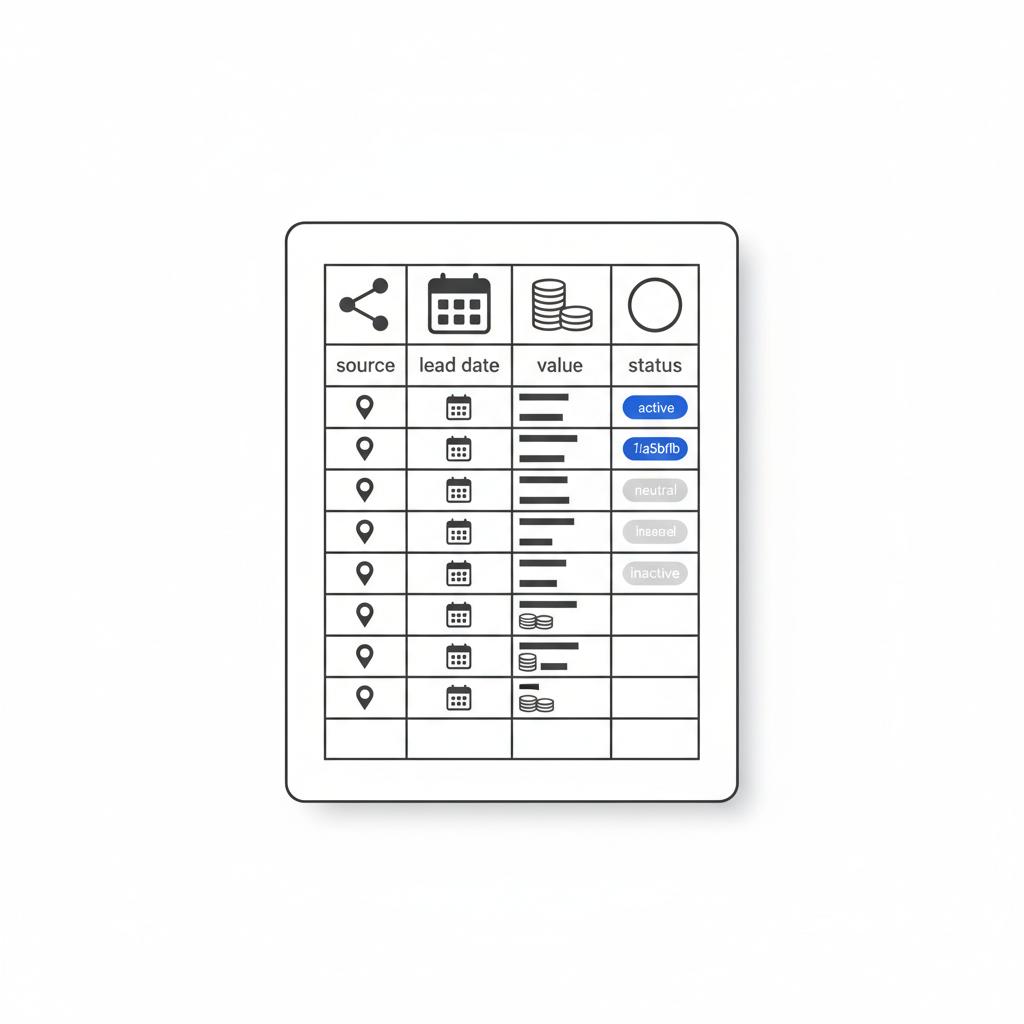
Close the loop. Tag the origin of each lead, track outcomes, and compute ROI. If Houzz charges for leads, you should be able to calculate exactly how much revenue a paid lead produces over time. Report monthly and ask: is the channel sustainable?
Alternatives to paid leads
If the answer to “Does Houzz charge for leads?” makes paid options unattractive, consider alternatives:
– Local SEO and Google Business Profile optimization
– Referral programs with past customers
– Targeted social ads aimed at similar demographics
– Partnering with complementary local businesses for cross-referrals
Often, a blended approach outperforms reliance on a single paid channel.
Preparing your team to handle leads well
A paid lead program only succeeds if your team converts interest into trust. Train staff to:
– Respond quickly and warmly
– Use a brief intake script that aligns with brand voice
– Offer predictable next steps and timelines
Speed and clarity increase conversion and lower cost per win—especially when Houzz charges for leads and you’re paying per contact.
Real examples and a short case study
To make this practical, imagine a contractor in a mid-sized city. They try Houzz’s pay-per-lead program for 60 days with a limited budget. During the test they receive 25 paid leads, of which 6 become estimates and 3 convert to paid jobs worth an average of $8,000 each. They calculate the CPA and find the channel profitable because their close rate was high and project value supported the expense.
Contrast that with a small designer who buys low-cost leads but sees poor detail in the inquiries—many are ideas without timelines or budgets. That designer shifts to organic content and targeted email outreach instead, saving marketing dollars and improving lead fit.
Is Houzz the best choice for your business?
“Does Houzz charge for leads?” is only part of the decision. The bigger decision is whether Houzz’s audience and lead quality match your business. For many small businesses Houzz is a useful channel—especially for remodeling, architecture, and specialty trades. For others, local referrals and niche platforms may be better. The smart approach is to test, measure, and align spend to value.
Brand rules that improve paid lead performance
Paid leads convert better when your brand signals competence and fit at a glance. Follow these brand rules:
Rule 1: Use clear, candid pricing ranges where possible – transparency speeds trust.
Rule 2: Show process, not just end results—people want to know how you’ll work.
Rule 3: Use consistent imagery and short captions to explain the challenge and outcome.
When to walk away from paid lead programs
There’s no shame in stopping a program. If you find that Houzz charges for leads but the leads consistently miss your audience or drain time, repurpose that budget into channels that fit your business model better. Marketing is as much about subtraction as addition.
Practical checklist: 30-day plan if you’re testing Houzz leads
Week 1: Update profile, add recent projects, ask two customers for reviews.
Week 2: Run a small paid-lead test budget with clear tracking.
Week 3: Measure responses, refine intake scripts, and pre-qualify faster.
Week 4: Compare paid leads to organic inquiries and decide whether to scale.
Common FAQs seen on Houzz and beyond
Below are common questions business owners ask about the platform and paying for leads.
Pricing transparency: what to ask Houzz support
Before committing, ask Houzz these questions: How are leads qualified? Can I see sample lead details? Are there caps or limits on monthly charges? What reporting will I receive? These answers help you predict cost and manage risk.
How to use Houzz without paying for leads
If you decide not to pay, treat Houzz like a content and discovery channel—post thoughtfully, respond to comments, and measure visits that turn into contacts. Over time you can build a steady stream of organic inquiries that require no per-lead spend.
Is Houzz worth it for small shops and sole proprietors?
Many sole proprietors prefer building reputation locally and investing in referral programs. Others find Houzz helpful for specific project types. The best choice depends on your capacity to follow up and your average project value.
Three small experiments to try this month
1) Add a project with a candid before/after and include a short sentence about the timeline and budget range.
2) Test a one-week paid boosting option and track only high-intent leads.
3) Ask three recent customers for detailed reviews and post them on Houzz and your website.
Measuring results and iterating
Measure outcomes that matter: estimate conversion, average project value, and lifetime value of customers. Track which platform produced the lead and compare cost per win. If Houzz charges for leads, that fee should be offset by measurable revenue gains.
How Agency Visible can help (a gentle suggestion)
Aligning paid platforms like Houzz with a consistent brand and measurable funnel can be tricky. If you want a discreet, practical review of whether to test Houzz lead products, consider asking for help.
Agency Visible is built to help small businesses get visible fast and measure what matters. They focus on practical moves—not flashy promises—and can help you test channels, track ROI, and tighten your brand so paid leads convert better.
Final practical tips
– If Houzz charges for leads, don’t panic—treat it like any marketing spend: test, measure, and optimize.
– Use brand clarity and fast response times to increase conversion.
– Combine organic and paid tactics so you don’t overpay for volume when quality matters more.
– Keep an eye on local alternatives—sometimes a referral will outshine any platform.
Next steps
Set a small test, measure results, and refine. Whether Houzz charges for leads or not, the platform can be a useful piece of a diversified visibility strategy—if you take care to protect margins and build a brand that closes more of the leads it receives.
Decide fast: test Houzz leads with a practical plan
Ready to decide whether Houzz paid leads are right for your business? Request a short, practical review from the team at Agency Visible and get an actionable plan you can test in 30 days. Start a discreet consultation and keep your marketing efficient.
Resources and tools to log results
Use a simple spreadsheet or a CRM to tag lead sources (Houzz-paid, Houzz-organic, referral, Google). Record date, project type, estimated value, and outcome. Review monthly and adjust spend to fit profitable channels.
Closing thought
When you ask, Does Houzz charge for leads? the right follow-up is: if they do, how will I make sure each paid lead moves my business forward? The combination of careful testing, clear brand signals, and consistent follow-up will tell you whether a paid program is an expense or an investment.
Houzz uses multiple models: free organic profiles, subscription/profile boost options, pay-per-lead programs, and ad-based cost-per-click campaigns. Fees and availability vary by region and category. Always review the exact terms in your Houzz dashboard and track conversion to measure value.
Measure lead quality and conversion: tag leads by source, record estimate and win rates, and calculate cost per acquisition (CPA). Compare CPA to your average project value and lifetime value. Run a short test budget, track outcomes, and scale only if paid leads reliably produce profitable jobs.
Yes. Agency Visible offers practical, discreet consultations that assess whether platforms like Houzz fit your business model. They’ll help you test lead products, set measurable goals, and tighten your brand so paid leads convert better. You can start by requesting a short review via their contact page.