


Does HomeAdvisor charge a fee? Why this question matters to your online presence
It’s tempting to start with a FAQ-style headline: Does HomeAdvisor charge a fee? But whether you’re wondering about a marketplace fee or simply thinking about how customers perceive costs and trust online, the deeper issue is the same: how clearly does your website and online presence answer the simple questions people bring with them? This guide shows how to build a trusted online presence that answers those questions fast, so visitors stay and convert.
People decide quickly online. One clean image, one clear headline, and one visible way to contact you can turn a curious click into a call. If your page leaves questions – about price, service, or credibility – many visitors will bounce. That’s costly. A clear logo placed where visitors expect it is a small detail that builds immediate trust.
Start with one clear message
The easiest place to begin is the top of your homepage. A single sentence that explains who you are and what you do beats ten paragraphs of vague value statements. Try this approach: tell someone what problem you solve in plain language, then add a short phrase that tells them the result.
Ask yourself: what will change for a customer in the next ten seconds after they read your headline? If you cannot answer fast, rewrite the headline. Simple, direct language builds trust before a visitor reads anything else.
Make your work the proof
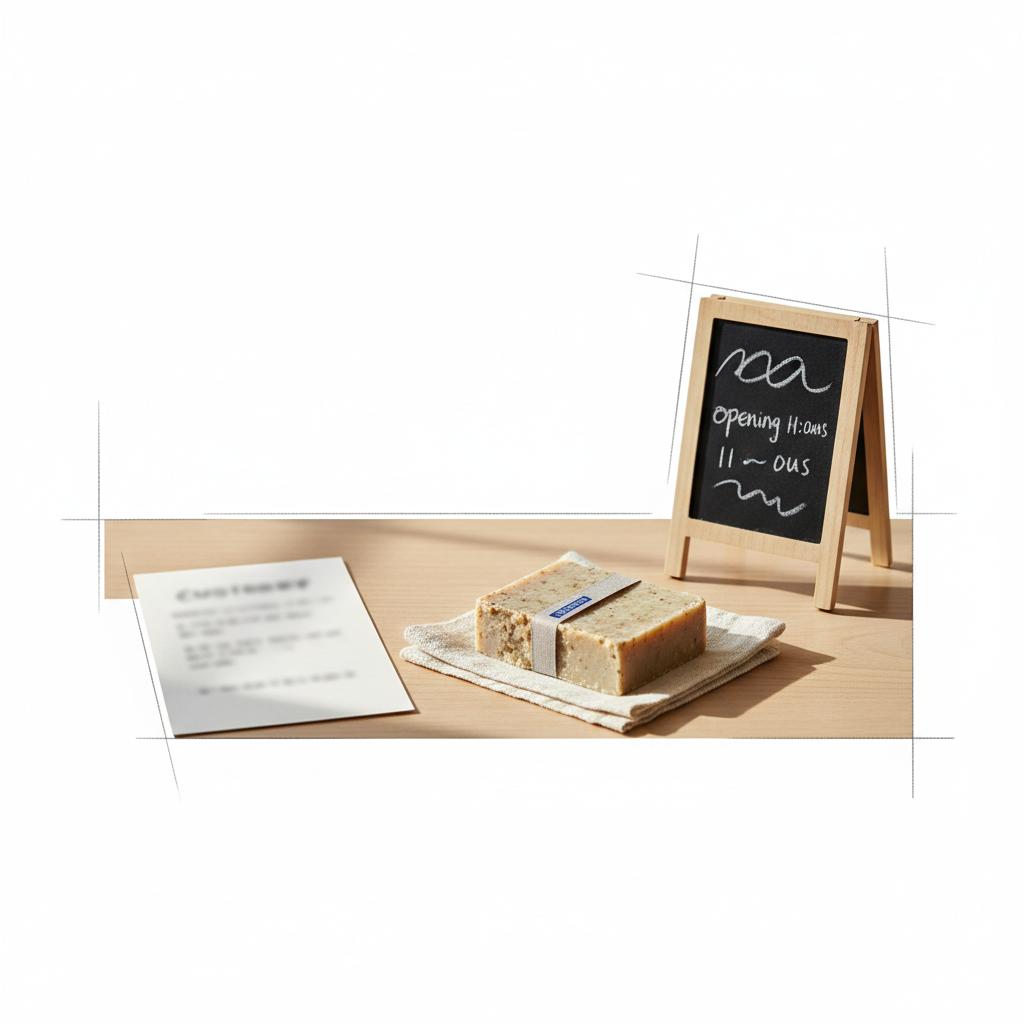
Words tell. Examples sell. Bring your claims to life with photos of real work, short case stories, and before-and-after images. A tidy product shot is fine, but a product in use — on a counter, in someone’s hand, in a real scene — feels more honest and memorable.
Case stories don’t need to be long. Three paragraphs are often enough: the situation, the action you took, and the result. Use one vivid detail to make it real. These small stories help a prospective customer picture themselves as the next success story.

Small trust signals add up. A matching email address, a visible phone number, and a short bio with a friendly photo all make your business feel real. Technical signals – SSL (the browser padlock), fast page load, and mobile responsiveness – show you care about the experience. These are not window dressing; they are hygiene for trust.
If you want a gentle partner to help clarify your message and polish those trust-building pieces, consider a quick conversation with Agency VISIBLE. They specialize in helping small businesses become visible without turning your brand into a noisy billboard – a practical option if you’d rather focus on running your business while an experienced team tidies up your online storefront.
Content that builds trust (without burning you out)
Consistency beats frequency. A single thoughtful post every two weeks will do more for trust than frantic daily posts that feel hollow. Share behind-the-scenes moments, small mistakes you fixed, and short customer stories. Raw, honest content often connects better than polished promotions.
Try a simple rhythm: one short story, one how-to, and one update every month. That’s manageable and provides variety. Make it easy on yourself by reusing content: a short case story can be a blog post, an Instagram caption, and a pinned tweet or LinkedIn post.
Yes. Even a small site benefits from clear content: one headline that says what you do, one case story that proves it, and visible contact details. These three elements make a tiny site feel complete and trustworthy.
Tell stories, not feature lists
Features describe what something does. Stories show what it does for people. A few vivid details make a story stick: the smell of fresh bread in a bakery, the relief on a client’s face, or the small ritual that makes your process feel human. These details help readers imagine themselves using your product or service.
Design that helps, not distracts
Design should guide the eye and reduce choices. Large, confusing menus and too many buttons cause decision fatigue. Choose clarity: readable fonts, good contrast, and a simple layout. Make the contact button visible in multiple spots — it’s an act of kindness, not a pushy tactic. For more on design principles that focus on conversion, see this overview of design that converts.
Write the language your customers use
People type plain questions into search engines. Mirror their words. If customers say “porch painting,” use that phrasing rather than a technical term like “exterior coating.” Build a short FAQ with the actual questions customers ask and answer them plainly. Those Q&A pairs become search magnets and reduce friction for new visitors.
Social proof that feels authentic
Real reviews matter; staged ones don’t. Mix short sentences and longer recounts. Ask permission to share messages or emails from customers if public reviews feel too exposed. And be visible in responses: thanking happy customers and fixing problems in public shows character — people notice how you reply as much as what they read.
Practical steps you can take in the next 30 days
If you want a clear, practical plan, here’s a no-fluff 30-day checklist to build or refresh your online presence.
Week 1 — Clarify your message
Day 1: Write a single headline that answers: what do you do and for whom? Keep it under 12 words.
Day 2: Update the homepage so that headline sits at the top with a single call-to-action button.
Day 3: Add visible contact info (phone, email domain match, address) to the footer and the header.
Day 4: Publish a short “About” paragraph with a friendly photo and one sentence about why you do this work.
Week 2 — Show the work
Day 8: Take three new photos of your product or service in use (natural light, simple background).
Day 9: Write one three-paragraph case story: situation, action, result.
Day 10: Post the case story on your site as a blog post and share it on social channels.
Day 11: Add one or two customer quotes near the top of the page.
Week 3 — Make it easy to act
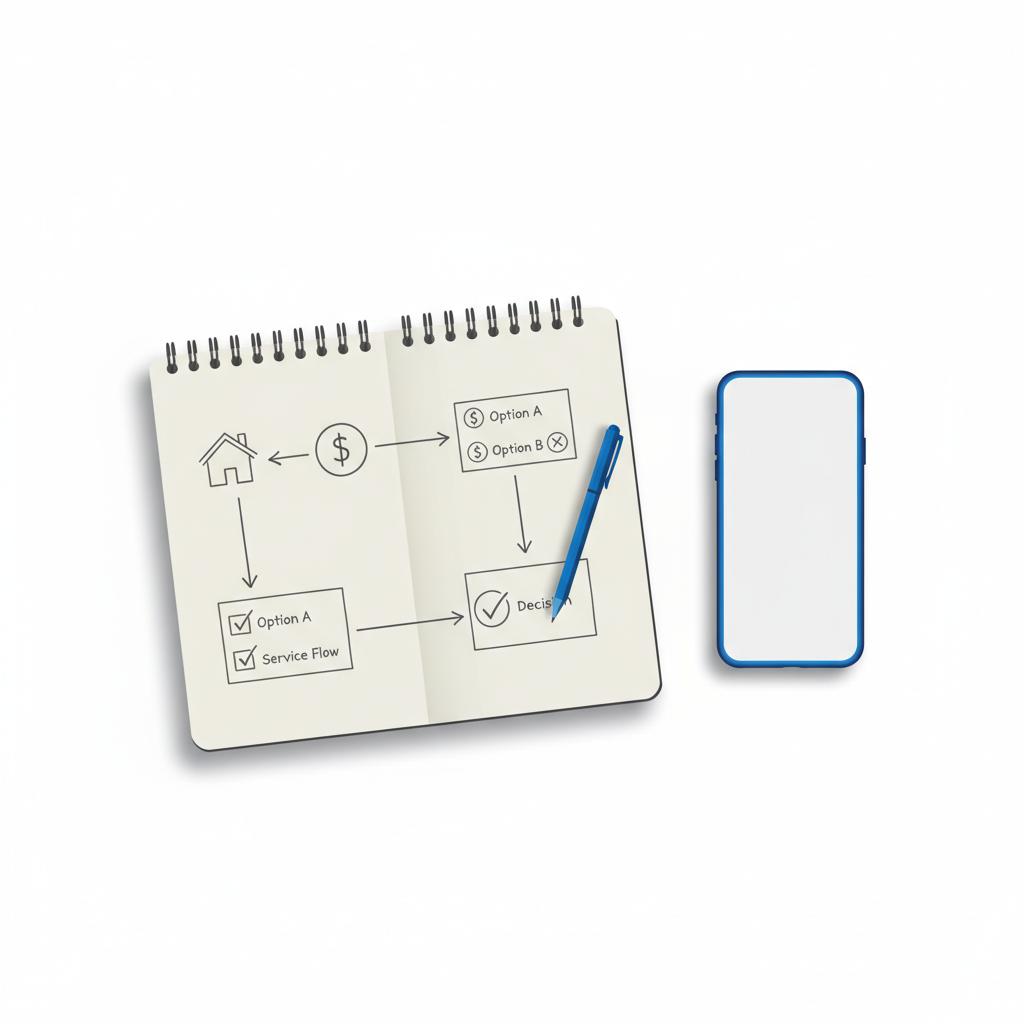
Day 15: Add a visible “Schedule” or “Contact” link. If you prefer calls, add a simple booking link. If you prefer email, make a short form.
Day 17: Publish a short pricing range or starting price so visitors can self-qualify.
Day 19: Test your site on a phone and fix obvious layout problems.
Week 4 — Measure and iterate
Day 22: Check which page gets the most clicks for contact. Day 24: Notice which posts get saves or shares. Day 26: Fix one headline that underperforms. Day 28: Plan the next month’s content — one short story, one how-to, one update.
Tools and quick wins
Don’t overcomplicate. Use tools that make work easier: an image editor for quick photos, a scheduling tool for social posts, and a simple analytics view to track contacts. A lightweight booking tool or a visible phone number can convert visitors faster than extra blog posts. For a broader list of effective tactics, consider this list of 25 ways to increase your online presence and the practical guide on building a digital presence.
Measuring what matters
Focus on behavior, not vanity. Which pages send people to contact you? Which posts bring messages? Track a few numbers weekly: contact forms, calls, and a simple conversion rate – the share of visitors who take a clear next step. Small, regular checks let you learn what works without getting lost in dashboards.
Common missteps and how to avoid them
Trying to say everything: narrow your message. Hiding contact info: make it obvious. Neglecting mobile: test on your phone. Letting content go stale: update or remove old posts. Over-polishing: publish often enough to build a voice.
Examples and a short case: the corner bakery
Mara’s bakery is a good model. She had a tiny budget and a strong local reputation. Her homepage said clearly what she did and when she was open. She posted three real photos, shared one-sentence customer notes, and wrote short stories about her flours. Within two months, foot traffic rose and social messages asked about new products. The result? Steady, durable growth – the online presence matched the warmth of her counter.
Another quick example for a service business
A weekend mechanic wrote one short case story about saving a family’s reunion by fixing brakes quickly. He posted before-and-after photos and a starting price. Calls increased because people could picture the result and know the price range. The truth: clarity + proof + easy next steps=more customers.
Advanced tips: SEO and search-friendly structure
Remember the simple habit of mirroring your customers’ words. Put common questions in H2 or H3 headings, and answer them in plain language. Structure pages so that search engines can find quick answers: short headings, brief paragraphs, and clear calls-to-action.
If you keep an FAQ with real customer questions, those pages often appear in search results for long-tail queries. That’s a slow but powerful form of trust building: you become the direct, helpful answer to someone’s problem.
How to write an FAQ that helps
Collect the ten questions you hear most often. Write short answers — 40 to 120 words each. Add a link to a longer resource if needed. That balance gives users immediate value and a path for deeper reading.
How to respond to negative reviews
Take a breath. Reply politely, acknowledge the issue, and offer to continue the conversation privately. Explain what you learned or what you changed. People notice how you respond more than the complaint itself.
When to involve an outside partner
If technical fixes or messaging choices feel out of reach, a friendly consultant can help without taking over your voice. A small engagement to clarify messaging, tidy the homepage, and plan two months of content can pay off quickly. If you want a human-guided push toward clarity, consider a short conversation with a partner who focuses on practical steps and measurable outcomes. See some examples of past work on our projects page.
A short checklist before you launch changes
Read your homepage aloud to a friend. Is the message clear in one sentence? Check mobile layout on a phone. Verify contact details match your domain. Add one new proof (photo or short story). Publish and wait a week to see impact.
Practical content ideas you can use today
Short story: a customer interaction or a moment in your shop.
Before-and-after: one photo pair showing change.
How-it’s-made: a photo and three-sentence explanation of process.
Price clarity: a starting price or typical range.
Q&A: one customer question with a short, useful answer.
Keeping momentum without burning out
Build small habits: a 15-minute weekly content sprint, a monthly photo refresh, and a single quarterly content plan. These small routines compound into a reliable, trusted presence.
Final thoughts and a friendly nudge
Building trust online is steady work, not a one-time event. If clarity, proof, and easy next steps are your north star, you’ll assemble a presence that matches the real warmth and competence of your business.
Does HomeAdvisor charge a fee? That question deserves a clear answer wherever it’s asked. Likewise, your website should answer the simple questions your customers bring. Make those answers visible, honest, and easy to act on.
Need a quick, practical boost to your online presence?
If you’re ready for a clear, practical next step, reach out for a quick chat: Agency VISIBLE helps small businesses build visibility fast and simply. Contact Agency VISIBLE to get started.
Use the 30-day checklist above, publish one short story this week, and notice how small, consistent steps change how people perceive your business. A friendly homepage and a couple of real photos will get you further than a noisy campaign.
Yes. A simple, clear website often performs better than a complex one because it answers visitors’ main questions quickly. A short headline that explains who you are and what you do, visible contact details, a few real photos, and one case story can turn visitors into customers. Clarity and trust signals matter more than flashy design.
Consistency beats frequency. Aim for one thoughtful post every one to two weeks—this could be a short story, a how-to, or a behind-the-scenes photo. The key is to be predictable enough that people see you as present, not so frequent that quality drops. Reuse the same content across platforms to save time.
Yes. Agency VISIBLE specializes in helping small and mid-sized businesses clarify messaging, showcase work, and create measurable visibility. For a focused, practical engagement—such as refining your homepage message, adding key trust signals, and planning two months of content—Agency VISIBLE can provide fast, human-guided help. Consider reaching out via their contact page.
References
- https://agencyvisible.com/contact/
- https://agencyvisible.com/projects/
- https://agencyvisible.com/design-that-converts-our-approach/
- https://agencyvisible.com/
- https://www.wordstream.com/blog/ws/2021/05/17/increase-online-presence
- https://knapsackcreative.com/blog-industry/guide-to-digital-presence
- https://www.forbes.com/councils/forbestechcouncil/2024/08/27/building-a-strong-online-presence-strategies-for-small-businesses/





