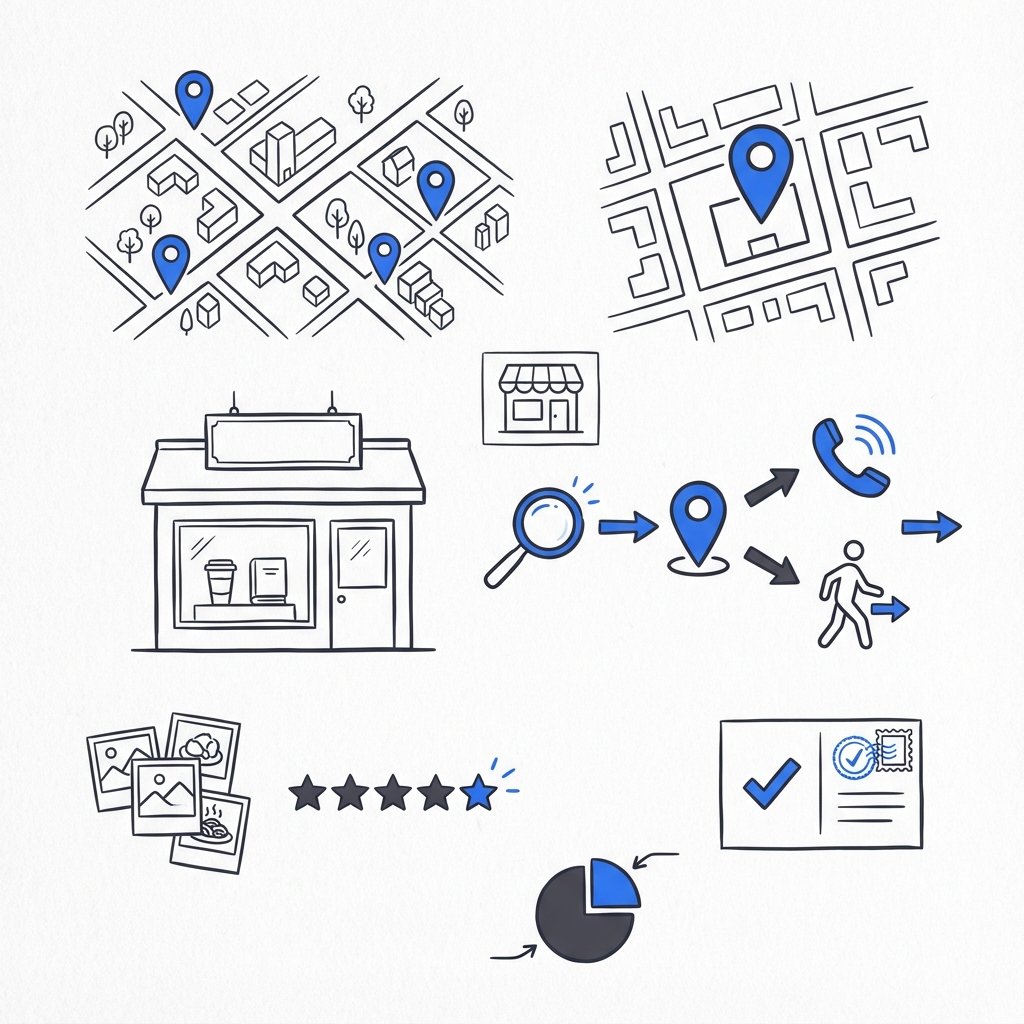
Does Google Ads work for cleaning business? A short, straight answer
Yes – when you treat it like a test and measure outcomes, not just clicks. For cleaning companies the right mix of Google Search and Google Local Services Ads (LSA) can deliver immediate bookings, steady recurring customers, or both. The key is knowing which channel delivers the customers you actually need and then measuring those customers properly.
We’ll walk through real benchmarks, step-by-step testing plans, bidding and measurement tactics, landing page and targeting changes that move the needle, and a practical 60-90 day pilot you can run this month. Along the way, you’ll see exactly what to track so you measure customer acquisition cost (CAC), payback period, and lifetime value (LTV) – the numbers that tell you whether an ad channel is worth it.

Why the numbers alone lie (and what you should look at instead)
On paper, cost per lead (CPL) is tempting: lower CPL looks better. Yet two leads with identical CPLs can be wildly different in value. One might be a one-off house clean worth $150; the other a recurring commercial contract that brings $4,000 in the first year. The only honest way to judge ads is to measure how leads become paying customers and how much each customer is worth over time.
In the cleaning vertical, 2024 benchmarks showed wide CPL ranges: Search Ads often landed between $50-$80 per lead nationally, while LSA could span $20-$100 depending on market and lead quality. But CPLs change by region, season, service type and how well you screen and close leads. Instead of asking “Which is cheaper?” ask “Which makes us profitable?” For more context on broad Google Ads trends see the Google Ads benchmarks.
Quick benchmarks and what they mean
If you want a quick mental model, use these ballpark figures as a starting place – then run your own pilot:
Google Search Ads: Typical CPL $50-$80. Click-to-lead conversion rates ~5-8%. Good for targeted, higher-value searches if you tune keywords and landing pages.
Google Local Services Ads (LSA): CPL often ranges $20-$100. Leads tend to be more “ready to book” and convert to booked jobs at higher rates, but LSA availability and pricing vary by market. For home services specific benchmarks check this home services benchmarks.
These numbers are guides only. Your true measure is how much you spend per booked customer (CAC) and how quickly that customer pays back acquisition costs.
How to design a practical test (60-90 days that actually tells you something)
Testing is the only honest answer. But tests must be well-structured. A sloppy two-week test will mislead you. Here’s a practical plan that balances speed with statistical sense.
Step 1 – Define clear hypotheses
Before you spend a dollar, write one or two hypotheses. Examples:
“LSA will deliver more immediate one-time residential bookings at a lower CPL, while Search will produce fewer leads but higher-LTV recurring customers.”
“Targeted search ad groups for ‘commercial janitorial’ will convert at double the rate of generic cleaning keywords.”
These statements frame how you interpret results; they prevent you from overreacting to early noise.
Step 2 – Choose metrics up front
Measure the pieces that matter, not vanity metrics alone:
- CPL (cost per lead) – raw starting point
- CAC (cost per acquired customer) – spend divided by booked customers
- Close rate – percent of leads that book
- LTV / first-year revenue – how much the average customer pays in the first 12 months
- Payback period – how many months until the customer covers their acquisition cost
Tracking calls and offline conversions is essential – more on that below.
Step 3 – Budget and duration
Run the pilot for at least 60 days; 90 is better. That smooths short-term fluctuations and lets seasonality show. Budget depends on business size:
One-person local cleaner: $500-$1,500/month while testing.
Multiple crews or competitive metro: $1,500-$5,000+/month while testing.
Start smaller with the intention to scale if metrics prove out.
Step 4 – Split your tests logically
Run Search and LSA side-by-side if available in your area. Within Search, split campaigns by service type: move-outs, recurring residential, and commercial janitorial. Each service has different intent and LTV, so each needs its own landing page and bids.
Group keywords by intent. High-intent phrases like “move out cleaners near me” should be separated from broad, informational queries like “how much to clean a house.”
Bidding, tracking and measurement – don’t guess here
How you bid and measure is as important as which channel you pick. A few practical rules:
Use automated bidding early, but switch after you have data
Start with Maximize Conversions for the first phase so Google’s algorithm gathers conversion signal quickly. After ~15-30 recorded conversions, switch to Target CPA set to a number that reflects the value of a booked job – not just lead cost.
Track calls and offline bookings
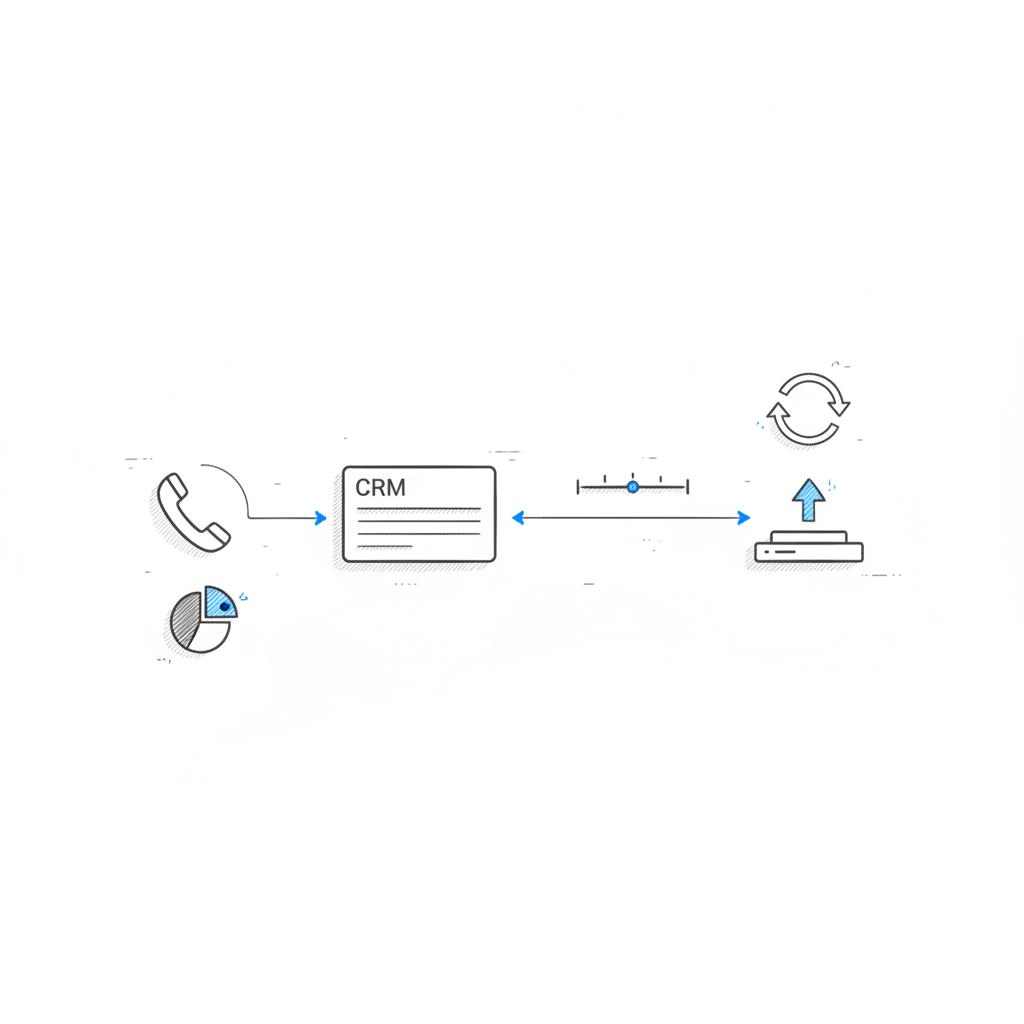
A lot of cleaning leads convert by phone or are closed offline. If a customer calls and books a week later, that booking must be recorded back in Google Ads. Use a call tracking provider, capture identifiers like GCLID for form submissions, and import offline conversions into Google Ads or your CRM. This is how you turn raw clicks into CAC and payback calculations.
Simple CRM fields you should capture
Make sure your CRM records at least these items for every lead:
- Lead source (Search, LSA, organic, referral)
- Campaign and keyword (where applicable)
- Initial contact date
- Sales outcome (booked, lost, cancelled)
- First invoice amount
With that data you can calculate not just CPL but CAC, and model payback and LTV. A small tip: keep your logo visible on key pages so returning visitors instantly recognize your brand.
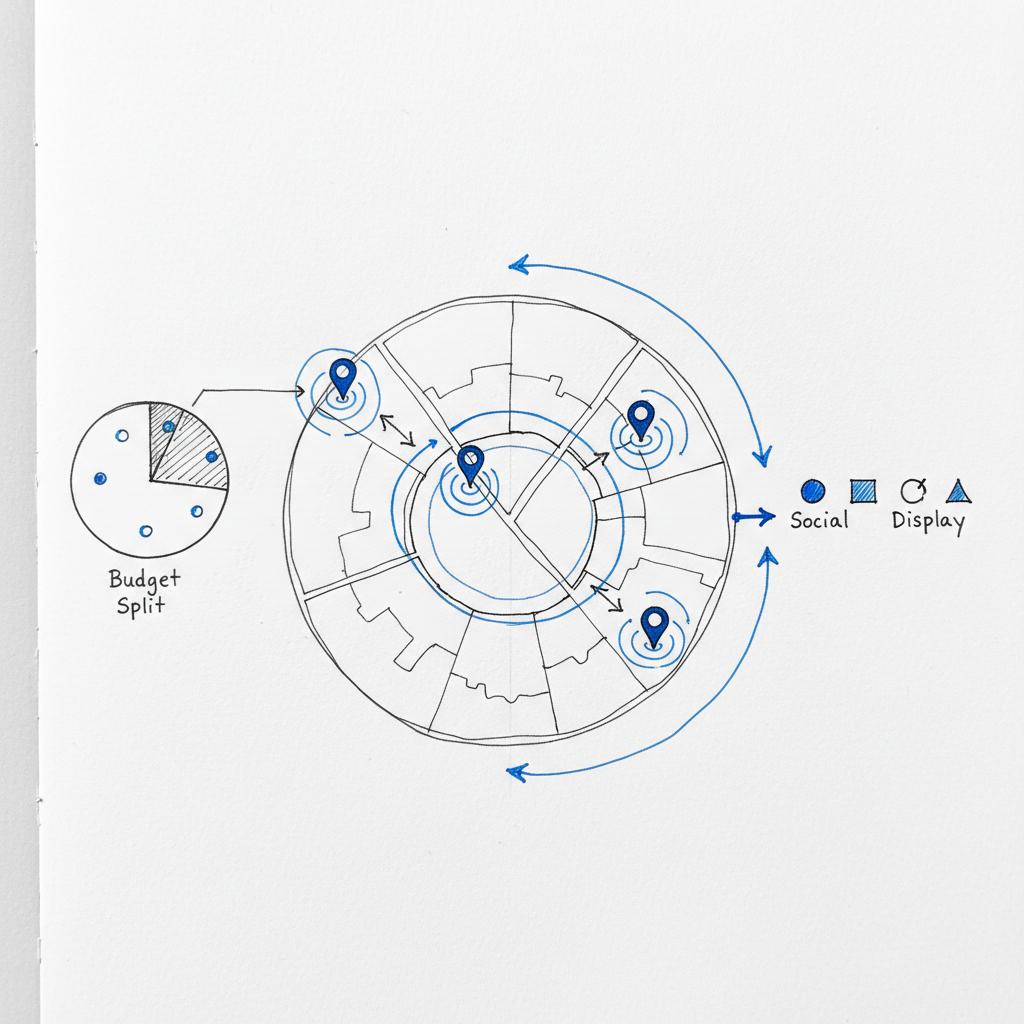
With that data you can calculate not just CPL but CAC, and model payback and LTV. A small tip: keep your logo visible on key pages so returning visitors instantly recognize your brand.
Landing pages that convert: what actually works for cleaners
The landing page is where campaigns win or lose. Many advertisers blame ads when the page is the problem. Focus on these design and messaging elements:
Clear offer and quick trust signals
People searching for cleaning services want to know price range, what’s included, and how soon they can book. Include simple starting prices or price ranges, a short “what’s included” list, and a prominent booking CTA (calendar, phone button, or short form).
When refining pages, consider principles from our design that converts approach to improve visual hierarchy and trust signals.
Reduce friction
Make it one-click to call or one-scroll to book. For mobile users, the phone button should be front and center. Use short forms (name, phone, zip, service type). For LSA traffic, reinforce trust (reviews, background checks), but don’t repeat the platform’s badges verbatim – your site should add supporting proof.
Examples of high-converting elements
- Headline with service + area: “Weekly Home Cleaning in [Neighborhood] – From $99”
- Short bullets: “2 cleaners, eco-friendly supplies, satisfaction guarantee”
- Visible phone number and a 1-click booking calendar
- Customer reviews with dates and zip codes to show locality
Keep landing pages aligned to ad groups
If your ad is about “commercial janitorial services,” don’t send users to a generic residential page. Ad relevance boosts Quality Score and reduces CPL.
Need help setting up tracking and tests? Contact Agency VISIBLE—they specialise in home services and can help configure call tracking, offline conversion import, and test design so your pilot provides clear answers, not more questions.
Geographic targeting: precision beats volume
Cleaning is a local business. If you serve three zip codes, don’t bid across the entire city. Narrow targeting reduces wasted clicks and improves CPL. A few practical tactics:
- Set location radius or zip-code lists to match where you actually service.
- Use bid adjustments for distance – higher bids for nearby neighborhoods.
- Exclude areas where you won’t travel or where customers commonly cancel.
Small targeting wins add up fast in home services.
Question time
Understanding the most useful question your team will ask is essential. Put this where a manager can’t miss it.
Measure Customer Acquisition Cost (CAC) against first-year revenue—if CAC is lower than the customer's first-year revenue and payback period is acceptable (typically under 6 months for aggressive growth), scale the channel. Otherwise, refine targeting and tracking before increasing spend.
How to interpret test results — go beyond raw leads
When your pilot ends, don’t just compare total leads. Compare:
- Leads by service type (one-time vs recurring vs commercial)
- Close rates by channel
- Average first invoice and first-year revenue
- Churn or cancellation rates
From these you get meaningful CAC and payback. For instance: if LSA produced lower CPL but most LSA jobs were one-time residential cleans while Search produced fewer leads but higher-value recurring contracts, Search may be more valuable long-term. For commercial cleaning lead cost context see this commercial cleaning leads report.
Real-world example: a 90-day pilot that changed spend
Here’s an expanded version of a real client story that shows the thinking in practice. A family-owned cleaner with three crews split a $1,200 monthly test evenly between Search and LSA for 90 days. Early on LSA had a lower CPL and more calls that booked quickly. Search produced fewer leads but a higher share of recurring customers.
Instead of pausing Search, we refined it: shifted budget to ad groups targeting “recurring cleaning” and “commercial janitorial,” improved landing pages to show recurring pricing, and added call tracking to import bookings as offline conversions. Over time Search started producing more recurring clients and a higher LTV per closed lead.
The final lesson: don’t kill a channel for CPL alone. Measure CAC and LTV. LSA gave a quick boost in cash flow; Search produced longer-paying customers. The company kept both channels, shifting budget toward Search for recurring services and using LSA to fill immediate residential gaps. For more examples of agency work see our projects page.
Advanced tactics that separate winners from runners-up
Once you have basics in place, try these higher-impact moves:
1. Keyword sculpting for value
Identify keywords that historically lead to recurring accounts or commercial contracts, and give them higher bids. Reduce spend on low-intent informational queries.
2. Dayparting and local timing
Limit ads to hours when your office can answer calls or respond quickly. Quick response time boosts booking rates.
3. Use negative keywords aggressively
Block terms like “cheap,” “free,” or “jobs” if they bring low-quality inquiries in your market.
4. Manual bidding for top-performing ad groups
Use automated bidding to gather data, then consider manual adjustments on top-performing keywords to control CPA for high-value services.
5. Re-marketing for one-time jobs
If someone searches “move out cleaning” but doesn’t book, a short remarketing push with a limited-time discount can convert them into a booked job within a few days.
Practical billing and finance rules
Always calculate CAC against first-year revenue, not just first-job revenue, when you can. For recurring customers, first-year revenue is a conservative estimate of LTV and makes acquisition decisions safer.
Example rules of thumb:
- Recurring contract with $4,000/year revenue: CAC up to $400 can make sense if payback is under 6 months.
- One-time job worth $150: aim for CPL under $30 unless close rate is extremely high.
Common pitfalls and how to avoid them
Too many cleaning businesses make the same mistakes:
Pitfall 1: Ignoring phone leads
Phone-first customers are common. If you don’t track phone calls and import offline bookings, you’ll underreport performance and make bad decisions.
Pitfall 2: Chasing low CPL without measuring LTV
Cheap leads that don’t convert or that churn immediately hurt profitability. Always measure CAC in revenue terms.
Pitfall 3: Short tests
Decisions made on two weeks of data are guesses. Run 60-90 days to find patterns.
Pitfall 4: One-size-fits-all landing pages
Landing pages that cover every service convert poorly. Tailor pages to the ad group and service.
Step-by-step 90-day checklist
Use this checklist to keep your pilot organized:
- Define hypotheses and target metrics.
- Set 60-90 day testing window and budget.
- Split campaigns by service type and geography.
- Set Maximize Conversions initially.
- Install call tracking and GCLID capture on forms.
- Prepare landing pages per ad group with clear pricing and quick booking options.
- After ~15-30 conversions, switch to Target CPA aligned to booked-job value.
- Import offline conversions for phone-booked jobs.
- Measure CPL, CAC, close rate, LTV and payback weekly.
- At 60 days, review results and refine targeting, bids and creative. At 90 days, make scaling decisions.
How much should you expect to spend long-term?
After testing, scale budgets based on profitable CAC measured by channel and service. If recurring customers pay back within a few months, you can be aggressive. If payback takes a year, be conservative. As a rule of thumb:
- High-growth push (aggressive): Spend up to 25-40% of projected first-year revenue to acquire customers if payback is under 6 months.
- Maintenance mode (sustainable): Budget to replace churn and grow slowly; CAC should be a smaller share of first-year revenue.
Measuring long-term success — what to automate
Automate offline conversion uploads weekly. Use call-tracking dashboards to show booked jobs by campaign. Schedule a 30/60/90 day review to compare channels across the key metrics above. Make decisions using CAC and payback, not CPL alone.
Make sure your analytics answer these questions
- Which campaign produced the most booked recurring customers?
- How many phone leads were booked after the initial call?
- Which keywords consistently lead to high-LTV customers?
Should you hire help? When an agency makes sense
Many cleaning companies handle campaigns internally, but an agency can help if you need speed and clean measurement. Agencies with home‑service experience avoid common tracking mistakes and set tests properly. If you lack time or technical skill to implement call tracking, offline conversion import, and well-structured tests, hire support.
When choosing an agency, look for:
- Experience with home services
- Clear measurement practices (call tracking, offline imports)
- Transparent reporting tied to revenue
A quick note on Agency VISIBLE
Agency VISIBLE focuses on helping small and mid-sized businesses get visible with results-driven campaigns and clean measurement. If you want a hand setting up a test and tracking so you don’t learn the hard lessons yourself, they’re a solid, practical choice.
Final practical takeaways
Paid search and LSA are tools – neither is a magic bullet. For cleaning businesses:
- Test both Search and LSA side-by-side for 60-90 days.
- Track phone leads and import offline conversions.
- Segment by service type and geography.
- Measure CAC and payback, not just CPL.
- Adjust bids after you have 15-30 conversions.
If you follow this approach you’ll know whether your next lead is a one-off or the start of a long customer relationship.
Ready to run a test that actually tells you something?
Ready to run a test that actually tells you something? Contact Agency VISIBLE to set up tracking, pilot design, and reporting so your first campaign gives real business answers.
Resources and next steps
Start with a 90-day plan, set up call tracking this week, and prepare two landing pages (one for residential and one for commercial). Use Maximize Conversions for the first phase and switch to Target CPA after 15-30 conversions. Import offline conversions at least weekly. Revisit bids and ad groups at the 30- and 60-day marks.
Good campaigns are predictable only when they are measured properly. Spend your ad dollars like a test and the results will tell you whether to scale.
No. LSA can be cheaper in many areas because users are highly intent-driven, but prices vary by market. In dense cities LSA leads may cost as much as or more than Search. Always compare channels on CAC and LTV, not CPL alone.
Run a pilot for at least 60 days; 90 days is preferable. Shorter tests under 30 days are usually too noisy. A 60–90 day window smooths seasonality and gives time to gather the 15–30 conversions needed to stabilize automated bidding.
Not always. If you have time and technical ability, you can implement tracking and run tests yourself. If you want speed, clean measurement, and fewer mistakes, a specialist like Agency VISIBLE can set up call tracking, offline conversions and piloting—saving time and reducing costly errors.
References
- https://www.wordstream.com/blog/2025-google-ads-benchmarks
- https://localiq.com/blog/home-services-search-advertising-benchmarks/
- https://www.abstraktmg.com/cost-of-commercial-cleaning-leads-appointments/
- https://agencyvisible.com/design-that-converts-our-approach/
- https://agencyvisible.com/projects/
- https://agencyvisible.com/contact/
- https://agencyvisible.com/