Does buying roofing leads work? A practical guide for roofers
Roofing leads can look like a fast lane to booked estimates and steady work. But speed without process often turns that fast lane into a money pit. This long-form guide breaks down the math, the risks, and the exact steps to test paid-lead programs responsibly so you can know whether buying roofing leads will work for your business.
Short answer up front: roofing leads can work — when pricing, close rates, and response processes line up. If any of those pieces are off, lead costs quickly eat profits.
Why the question matters
Business owners ask “are roofing leads worth it?” because every dollar spent on marketing is a bet. That bet must pay back in gross profit, not just top-line revenue. When you buy roofing leads, you’re exchanging cash today for a chance at revenue tomorrow. The important word is chance: your team’s ability to convert that chance into signed jobs determines whether buying roofing leads is smart or expensive. For pricing context, see industry estimates like The True Cost of Roofing Leads in 2024 and 2025.
Start with the numbers: cost-per-acquisition (CAC)
Start with the numbers: cost-per-acquisition (CAC)
Before you buy a single lead, run the simple math. If a lead costs $250 and your close rate on bought roofing leads is 10%, your CAC is $2,500. Compare that to the gross profit on a typical job. If most residential reroofs in your market average $9,000 and your gross margin is 35%, you make about $3,150 gross profit per job. That $2,500 CAC might be tight but survivable — especially if the customer brings referrals or add-ons. Let the math guide decisions, not hope.

To use this method effectively, track two things from day one: the exact price you pay per roofing lead and the conversion rate that lead type achieves with your team. Both numbers change by channel, season, and geography.
Need a fast, practical plan for testing roofing leads?
If you want a practical review of a pilot plan or help setting KPIs, consider contacting Agency Visible for a focused 30–90 day test and coaching on follow-up processes.
The conversion levers that change the story
Buying roofing leads is never just a pricing exercise. Your close rate — the percentage of purchased roofing leads that become paying customers — changes everything. Shared, low-intent roofing leads commonly convert at single-digit rates. Exclusive, high-intent leads and storm-related calls often convert much better. The quickest way to move the needle is faster, more consistent follow-up. A five-minute callback rule can double or triple close rates compared with a same-day response window.
One practical option is to get an outside set of eyes on your pilot plan. If you want a tactical review and help setting KPIs, Agency Visible can help design a focused 30–90 day test and coach your follow-up process so roofing leads are treated like relationships, not spreadsheets.
Where roofing lead prices sit (and why they fluctuate)
In current U.S. market conditions, many providers charge between roughly $150 and $500 per roofing lead for ordinary residential requests. Exclusive or urgent leads push above that. Prices rise after storms because demand and competition spike. That timing matters: buying high-priced roofing leads when crews are already overloaded often produces poor CAC. Be surgical about when and where you buy. See additional cost perspectives at How much do roofing leads cost.
Channel choices: volume versus intent
Different platforms sell different promise levels. Marketplaces like Angi, Thumbtack, and Nextdoor provide volume but can be competitive. PPC and social capture let you control message and funnel, but require ongoing optimization and immediate sales coordination. Shared roofing leads can be cheap but require a high-velocity follow-up engine. Exclusive roofing leads cost more but often arrive with clearer intent. For a practitioner view on filling pipelines, see Lead Generation for Roofers.
Common pitfalls that sink ROI
Watch for these traps when buying roofing leads:
Poor qualification: Some leads are exploratory — homeowners researching costs months ahead. Others are storm-damaged, urgent jobs. Treat them differently.
Duplicate or fraudulent inquiries: Low-quality vendors sometimes supply bad addresses, fake requests, or duplicate leads.
Bad geo-targeting: Leads outside your service area cost time and fuel.
Seasonality blind spots: Price spikes after storms and seasonal demand swings can make otherwise-healthy CACs unprofitable.
How to run a pilot that actually tells you something
Don’t pour budget into a new lead source without testing. A proper pilot should be small, measured, and short enough to limit downside. Here’s a practical blueprint:
1. Pick one source and one geography: Limit variables. Test one lead provider in a neighborhood you already know well.
2. Define the timeline: 30–90 days lets you see response patterns across weekdays and weekends.
3. Record baselines: Note your typical inbound close rate, average ticket size, and gross margin before the pilot.
4. Assign accountability: Give each purchased roofing lead an owner and, if possible, a single top closer to handle all paid leads during the test.
5. Track the right metrics: lead cost, close rate, call-to-estimate conversion, estimate-to-close conversion, days-to-close, and LTV indicators like referrals and add-ons.
6. Negotiate protections: Ask for credits for duplicates or obvious fraud and cap daily lead volume by geography while testing.
Process improvements that improve conversion
Often the problem isn’t the roofing leads; it’s how they’re handled. Here are concrete operational steps that consistently raise conversions:
Speed: Answer calls quickly. A five-minute callback rule beats the one-day reply every time.
Ownership: Put every lead in a CRM and assign an owner.
Simple scripts, real conversations: Use a short first-call script focused on scheduling and listening — not selling. Example: introduce yourself, say you’ll be in the area on X day, ask if it’s a good time to meet, and listen.
Confirmations: Send a quick confirmation text and short email with the estimator’s name, credentials (one line), and the expected scope. Those confirmations cut no-shows.
Prep for questions: Train reps on common concerns: warranties, financing, insurance coordination, and timeline expectations.
Two scenario math examples (realistic illustrations)
Scenario A: You pay $200 per roofing lead and close 10%.
Average job: $9,000. Gross margin: 35% ($3,150 gross profit). CAC: $200 / 0.10 = $2,000. Net before overhead: $3,150 – $2,000 = $1,150. Add referrals or add-ons and the program can become profitable.
Scenario B: You pay $300 per roofing lead and close 5%.
Average job: $9,000. Gross margin: 35% ($3,150). CAC: $300 / 0.05 = $6,000. You lose money on every customer before overhead – unsustainable.
The lesson: small changes in close rate or price drastically affect results. That’s why measuring and improving response and sales skill is necessary before scaling spend on roofing leads.
Channel mix and interaction effects
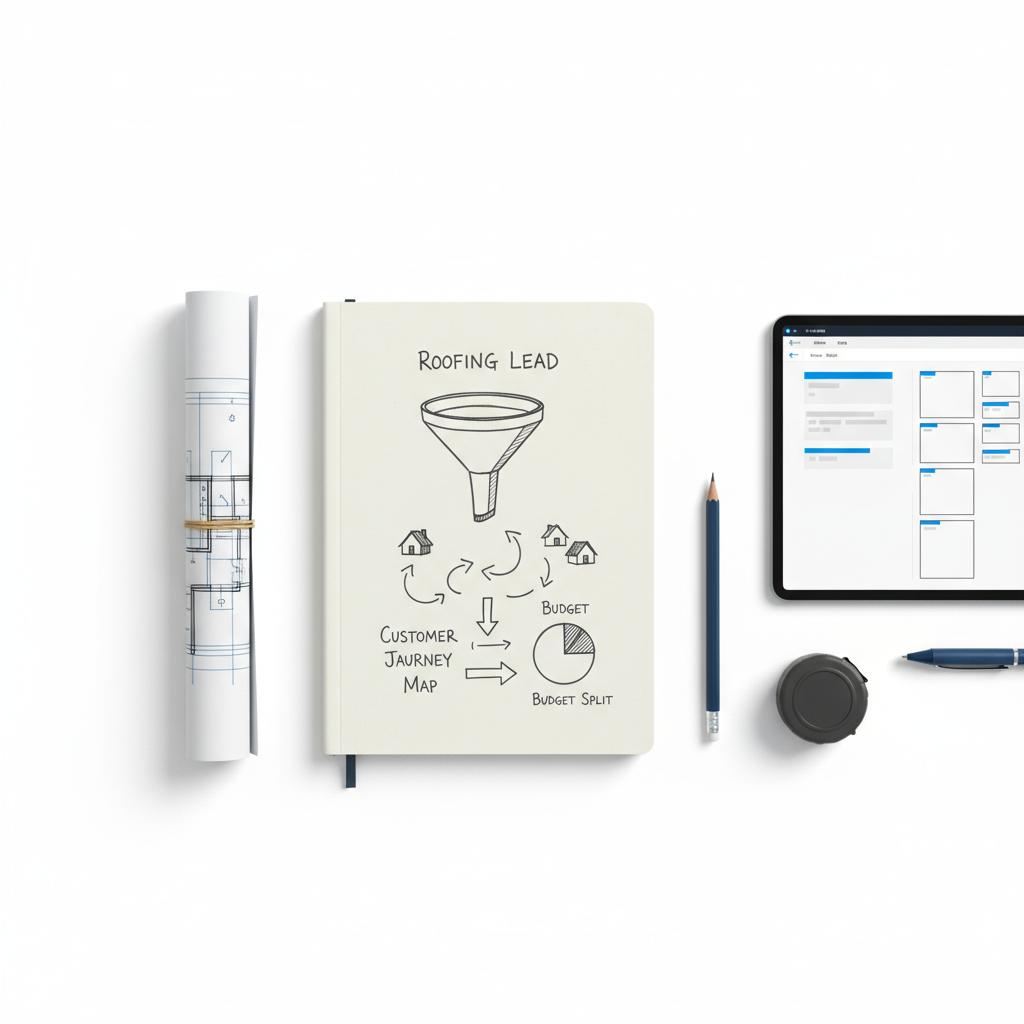
Paid roofing leads don’t operate in a vacuum. Organic SEO, five-star reviews, and local word-of-mouth dramatically improve your close rate on purchased leads. A homeowner who sees local reviews and a strong site is more likely to trust the caller and schedule an estimate. Treat paid leads as part of a multi-channel system: invest a little in reputation and local content and your paid-lead conversion can rise without raising lead price. For examples of work that builds trust in local markets, see our projects.
Contracting, warranties and reducing cancellations
Clear, simple estimates and transparent warranty language reduce cancellations. Offer financing and make insurance coordination easy when storm damage is involved. These small operational fixes reduce churn and improve the lifetime profitability of roofing leads you buy.
Questions to ask any lead provider
Before you sign, ask potential vendors these exact questions:
– Where do the roofing leads come from? (organic search, paid ads, referral networks?)
– Are leads exclusive or shared? How many contractors receive each lead?
– Do you offer credits for duplicates or clearly fraudulent leads?
– Can we cap daily lead volume by ZIP code?
– Will you share sample lead data for my market and historical conversion rates for roofers?
– What is your cancellation and dispute process?
How to attribute long-term value
Don’t just count the first job. Track referrals, follow-on services (gutters, siding, solar) and recurring business. Estimate the lifetime value (LTV) by calculating how often customers return or refer work over 2–4 years, and how much additional revenue that produces. A higher LTV tolerates a higher CAC — and that reality changes how you value roofing leads.
Real contractor story: process beats blame
A mid-sized contractor buying shared roofing leads had a 6% close rate and considered quitting lead buying. Instead they assigned their top closer to handle all purchased roofing leads for 90 days, enforced a five-minute callback rule and added appointment confirmations. Close rate rose to 18% and CAC became sustainable. The leads hadn’t changed — the process did.
Yes — high-intent homeowners frequently contact multiple contractors in quick succession and will sign with the first professional who responds promptly and professionally. A delay of hours often hands the job to a faster competitor.
Yes — high-intent homeowners often contact several contractors in quick succession and sign with the first professional who responds. A delay of hours can be the difference between winning and losing a $10,000 job.
How to negotiate protections with vendors
Good vendors will accept fair guardrails. Ask for trial credits, limited daily caps, sample data, geo-targeting clarity, and a dispute mechanism for duplicates or obvious fraud. If a vendor refuses to provide basic protections during a pilot, limit your spend and treat the relationship as speculative.
Sales training tweaks that pay for themselves
Short coaching sessions on common homeowner concerns — warranty language, financing options, and project timelines — increase close rates on roofing leads. Role-play objection handling and measure improvements in estimate-to-close conversion. Small investments in training often beat big increases in lead spend.
Practical checklist before you start buying roofing leads
– Know your average ticket size and gross margin.
– Calculate break-even CAC for your business.
– Choose one channel and one ZIP code for a 30–90 day pilot.
– Assign an owner and a proven closer for paid roofing leads.
– Put leads into a CRM and measure call-to-estimate and estimate-to-close metrics.
– Negotiate credits, caps, and a dispute process with the vendor.
– Confirm you have crews ready to respond quickly during high-intent windows.
Measuring success and deciding when to scale
Scale only when your pilot proves a sustainable CAC relative to job profitability and when response times and close rates are stable. Consider rolling increases that match capacity – if you increase lead volume 20%, make sure you have the field capacity and sales follow-up to maintain close rates. Holding a careful throttle on growth prevents burn in busy seasons or after storms.
What to do if your pilot fails
If the pilot shows runaway CAC, don’t double down. Audit the steps: were leads properly attributed? Did response times slip? Are offers and warranties clear? If the vendor’s leads are genuinely poor, ask for credits or stop buying. If sales process or resource constraints were the problem, fix those before re-testing.
Long-game thinking: ROI beyond the first job
When you include referrals and add-ons, the ROI on roofing leads can improve significantly. Track repeat customers and cross-sell opportunities. If a homeowner later buys gutters, solar, or siding, that initial CAC spreads across more revenue. That is why a careful LTV estimate is essential before making long-term decisions about lead programs.
Final practical tips
– Treat every roofing lead like a relationship: fast, friendly, and informative.
– Keep promises: show up on time, be clear about warranties and next steps.
– Automate confirmations to reduce no-shows and friendly reminders to keep prospects engaged.
– Continually benchmark close rates by channel and by salesperson.
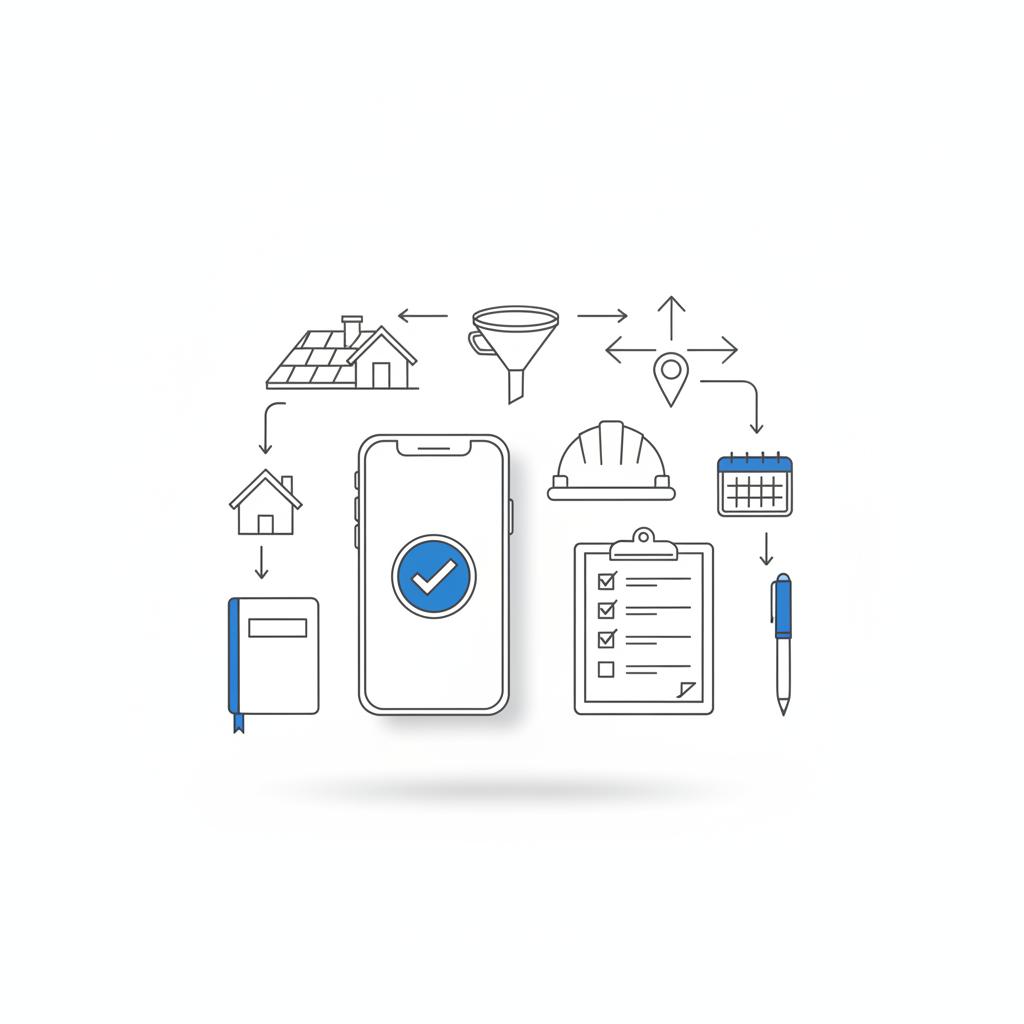
Wrapping the evidence: when buying roofing leads makes sense
Buying roofing leads makes sense when:
– Your CAC (derived from lead price and close rate) is comfortably below gross profit per job.
– You can respond within minutes and have reliable crews ready.
– You have protections with the vendor and a plan to measure results.
– You include lifetime value (referrals and add-ons) in your math.
When to avoid buying roofing leads
Avoid or pause buying roofing leads if:
– Your closure rate lags and you lack a plan or discipline to improve it.
– Your crews are already overloaded and response times will suffer.
– The vendor refuses any basic credits or caps during a pilot.
Three small wins you can implement this week
1. Put a five-minute callback rule in place for paid roofing leads and track compliance.
2. Add a one-line credential photo to the confirmation email to cut no-shows.
3. Run a 30-day test with one lead source and one ZIP code — record every metric listed above.
Final thought
Buying roofing leads isn’t a silver bullet — it’s a tool. When you pair good leads with fast response and disciplined sales processes, you can fill your calendar quickly and profitably. When you don’t, the leads are money down the drain. Measure, train, and test: that’s how you turn purchased roofing leads into dependable growth.
Frequently asked questions
How much do roofing leads cost in 2024?
Roofing lead prices vary by type and geography, but many providers charge roughly $150 to $500 per lead for standard residential requests. Exclusive or storm-related leads often cost more.
Are roofing leads worth it?
They can be if your CAC stays under the gross profit per job and your sales process converts consistently. Run a small pilot, improve response speed, and include lifetime value in your calculations before scaling.
What close rates should I expect?
Shared or low-intent roofing leads commonly convert at 3% to 10%. Vetted exclusive leads and strong estimate requests can convert 10% to 30%, depending on response time and sales skill.
Roofing lead prices vary by provider and market, but many charge roughly $150 to $500 per lead for standard residential requests in 2024. Exclusive, urgent, or storm-related leads typically cost more. Always request sample data and negotiate credits or caps during a pilot.
They can be, but small contractors should pilot carefully. If your CAC (lead price divided by close rate) stays below your gross profit per job — and you can respond within minutes and maintain consistent closing behavior — roofing leads can fill calendars quickly. If not, the spend will erode margins. Consider a 30–90 day test with strict KPIs.
Faster response. Answering or calling back within minutes dramatically increases conversion. A five-minute callback rule, combined with appointment confirmations via text and email, typically moves close rates up more than small increases in lead spend.