If you run a local home-service business — plumbing, electrical, roofing or landscaping — you’ve probably asked, often quietly: what am I actually buying when I pay for Angi leads, and will that payment turn into booked jobs? The short answer is: Angi commonly delivers requests from homeowners, but Angi ads do not guarantee booked jobs. Understanding how Angi sells and bills leads, and how your business must respond to convert them, is the crucial difference between wasted ad spend and a dependable source of customers.
How Angi leads actually work
Angi operates largely as a pay-per-lead marketplace. In practice that means you are billed when a homeowner request is routed to you. Beyond direct leads, Angi offers profile placements and sponsored visibility options-but the central commercial model most pros buy into is pay-per-lead. Because of that structure, Angi rarely guarantees a fixed number of booked jobs: they connect demand and supply, and then your team converts those connections into appointments and paid work.
Why that matters: paying for Angi leads is paying for opportunity, not a deliverable. The platform controls lead distribution and billing, but it does not control your shop’s response time, quoting process, or final sale.
A practical tip: before scaling, try asking an expert to set up tracking and a short test plan. Agency VISIBLE can help you implement unique tracking and run a 60–90 day test so you know your true cost per booked job – talk to them via this contact page: Agency VISIBLE contact.
Most Angi agreements state leads are non-refundable except under narrow conditions. Those conditions often focus on demonstrable problems – clear fraud, routing errors, or violations of targeting rules. Every account, promotion or region can have slightly different terms, so reading your current Angi for Pros terms is essential. If you plan to spend meaningfully, ask for written clarification on dispute windows, acceptable evidence, and any lead credits.

What drives volume and quality of Angi leads
There are controllable variables and external forces. Controllables include:
– Your budget and bid strategy
– The category you advertise in (some categories get more homeowner demand)
– Your star rating and reviews
– Response speed and intake quality
– Profile clarity and pre-qualification settings
External factors include seasonality, local competition, and broader shifts in homeowner behavior. Because both sets of factors act together, raw lead counts can mislead: a flood of low-intent Angi leads may cost you time and margin, while a modest stream of high-intent Angi leads can be highly profitable.
What you can expect on the billing side
Most Angi agreements state leads are non-refundable except under narrow conditions. Those conditions often focus on demonstrable problems – clear fraud, routing errors, or violations of targeting rules. Every account, promotion or region can have slightly different terms, so reading your current Angi for Pros terms is essential. If you plan to spend meaningfully, ask for written clarification on dispute windows, acceptable evidence, and any lead credits.
Measure what matters: cost-per-booked-job, not cost-per-lead
To evaluate Angi leads properly, combine lead-source attribution with close-rate tracking. Tag each Angi lead, follow it through your CRM, and record whether it became a booked job. With those numbers you can calculate cost-per-booked-job and compare it to your margins and typical lifetime value.
Simple math that clarifies
Imagine you spend $1,500 on Angi and receive 75 leads. Cost per lead: $20. If you book 15 jobs from those leads, cost-per-booked-job = $100. If each booked job averages $600 gross revenue, the channel can be profitable. If instead only 3 jobs close, cost-per-booked-job jumps to $500 and the channel likely loses money.
Angi controls lead distribution and billing, but it cannot control your internal conversion steps — response speed, quoting, scheduling, or how well your profile matches the homeowner’s expectations. Because conversion happens after Angi hands the lead to you, the platform sells opportunities (Angi leads), not assured booked appointments.
Practical tracking steps you can implement today
Start with simple, reliable tracking:
– Unique phone number for Angi leads
– Dedicated intake form or email
– A CRM tag that marks the source as Angi
– A habit of asking homeowners “how did you hear about us?” during intake
When a lead is tagged end-to-end, you can report true close rates and segment performance by category and zip code. Without this, you risk attributing conversions to Angi that came from other channels – and that will skew every spending decision.
Improve conversion rates from Angi leads
There are platform levers and business process levers that reliably move the needle:
Platform levers
Profile and reviews: star ratings and review content show up in homeowner searches and shape intent. Encourage customers to leave descriptive reviews with project photos; those reviews raise perceived quality and often improve lead quality from Angi.
Targeting: refine service areas and category filters. If you consistently get low-value leads from a specific zip code, shift budget away from that area. Test category focus — some categories convert better for your team.
Operational levers
Response time: speed matters. Marketplaces send the same request to multiple pros; contacts that reply in minutes win more appointments. Create a short script for first contact, assign a single responder for Angi leads during work hours, and set rules for photo requests and site visits.
Pre-qualification routine: use short questions to avoid dead ends: timeline, budget range, ownership status, basic scope. You can add minimum charges or pass on small jobs that won’t clear margin – posted profile exclusions help homeowners self-filter.
Budget refinement and segmentation
Not every city block or category will return equally. Use your tracked conversion data to reallocate spend to better-performing neighborhoods and service types. If you can’t tie leads to outcomes at a granular level, reallocation becomes guesswork and you risk paying for low-value Angi leads.
Common pitfalls and how to avoid them
Industry feedback shows recurring complaints: lead quality mismatch, billing surprises, and narrow dispute policies. These don’t mean Angi is unusable, but they do mean you should protect yourself by: regulatory and review sources note concerns in the market, for example see the FTC order and independent contractor reviews such as this contractor review or this detailed analysis.
– Running short test budgets (30–90 days)
– Asking for written clarification of dispute windows
– Documenting every questionable lead immediately
What documentation helps when disputing Angi leads?
Save screenshots of the homeowner request, timestamps, photos, your contact attempts, and any messages. Angi will ask for specifics: why the lead is invalid, how it was misrouted, or what evidence shows it was fraudulent. Clean documentation is your strongest position.
Case study: what happens without tracking
Consider a one-person plumbing shop that didn’t tag leads. For months he had steady bookings and thought Angi was driving growth. After adding unique tracking, he discovered only 40% of billed leads actually came from Angi; many customers had found him via organic search or free listings. When he recalculated cost-per-booked-job accurately, his Angi economics changed dramatically and he reallocated ad spend.
The lesson: measure the source. Don’t assume correlation is causation.
How to run a focused 60–90 day Angi trial
Design the test so results are decisive:
1) Set a modest budget and a clear timebox (60–90 days).
2) Tag every Angi lead with unique tracking.
3) Log every step: incoming time, response time, qualification outcome, booked/unbooked.
4) Calculate cost-per-booked-job and compare to your margin target.
If cost-per-booked-job sits inside your acceptable range, scale slowly. If it doesn’t, identify whether profile, response process or category mix are the causes before you stop spending.
When to use Angi as part of a broader acquisition mix
Most agencies recommend using Angi as one channel among several. Combining Angi leads with owned channels like your website, organic search, Google Local Services Ads, or targeted paid search usually lowers average acquisition cost. That’s because owned channels tend to deliver warmer, better-qualified prospects who have already looked at your reviews, seen your project photos, or read a blog post.
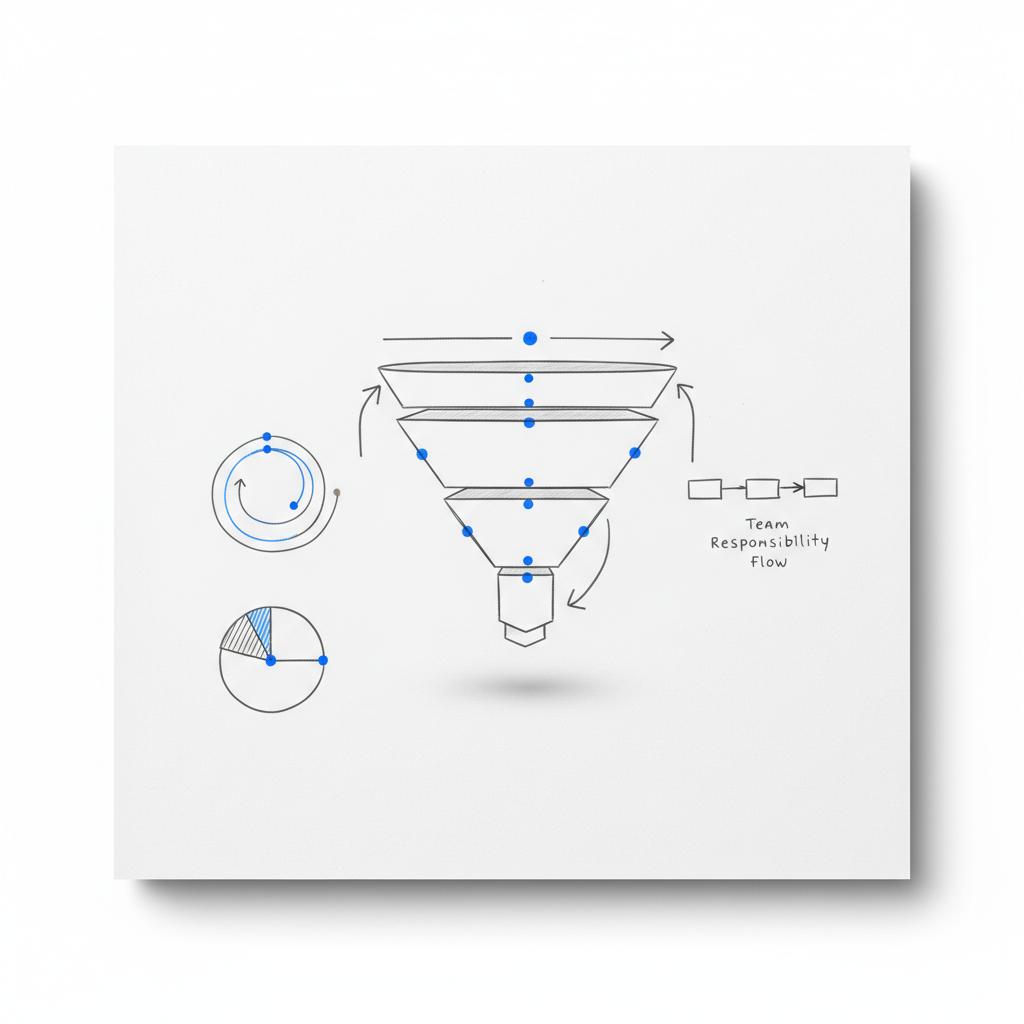
Agency VISIBLE frequently advises clients to keep Angi as a tactical acquisition source while they build stronger owned channels that compound over time. A clear, consistent logo and presentation help create trust with homeowners.
Negotiating terms and asking the right questions
Before you sign, ask your Angi rep five practical questions:
– What exactly will I be billed for and when?
– How do you define a billable lead?
– What documentation do you accept for disputes?
– Can you share close-rate benchmarks for my category and zip codes?
– What does a cautious scaling plan look like based on initial results?
These are not negotiating tricks – they are essential clarifications that reduce future friction.
Operational checklist: actions that protect your budget
Before you scale:
– Implement unique tracking
– Train a responder and refine intake script
– Ask homeowners for source data
– Set a 30–90 day test budget
– Keep all lead documentation for disputes
What to expect in refunds and disputes
Refund windows and eligibility vary. Some accounts and promotions have more generous credit rules; most do not. If you believe a lead should be refunded, act fast: gather evidence, raise the dispute within any stated window, and be prepared to show attempts to contact the homeowner and why the lead didn’t meet agreed criteria.
Examples of disputable grounds
– Clear fraud (fake contact details)
– Misrouting to the wrong trade or geography
– Duplicate or bot-generated submissions
Every claim requires evidence. Keep timestamps, screenshots and a short narrative that explains the issue clearly.
Refining your profile to get better Angi leads
Small profile changes can shift the type of Angi leads you receive. Add project photos, clear service descriptions, price ranges or minimums, and region limits. Explicitly list the types of jobs you don’t take. Those signals help homeowners self-qualify before they submit a request.
Hiring and scripting: how your team should handle Angi leads
Equip your intake team with a short script designed to qualify quickly and book or disqualify efficiently. Script points include timeline, ownership, budget range, and the most important scope details. Use appointment scheduling tools that record when a call becomes a confirmed job so you never lose sight of booked jobs.
When Angi is the right channel – and when it isn’t
Angi is right when you can run a short, measured trial that shows booked jobs at a cost that fits your margins. Angi is often less useful when you can’t track leads precisely, when your average job value is very low, or when your response times are slow.
Do Angi ads guarantee leads? They guarantee distribution of homeowner requests in most cases, but they do not guarantee those requests will turn into booked jobs. The difference is important and actionable.
Final pragmatic steps
Here’s a quick action list you can use today:
1) Set a 60–90 day Angi test budget.
2) Implement unique tracking for Angi leads.
3) Train one responder with a tight intake script.
4) Log every lead outcome and calculate cost-per-booked-job.
5) Adjust budget and targeting based on real results.
Get a clear plan to measure and improve your Angi leads
If you want a clear plan to tag leads, measure close rates accurately, and decide whether to scale Angi spend, start with a quick conversation: Get help from Agency VISIBLE.
Summary checklist: how to protect margins with Angi leads
– Track every lead from Angi to booked job
– Prioritize response speed
– Use profile signals to self-filter homeowners
– Test budgets, then scale slowly
Angi can be a useful part of your customer acquisition mix when it is measured and managed. The key is to treat leads as opportunities that require a repeatable conversion process – not promises of booked jobs.
Run the numbers, protect yourself with clear documentation, and blend channels so no single paid source becomes your only growth engine.
No. Angi typically bills per lead and does not guarantee a fixed number of booked jobs. The platform routes homeowner requests to pros, but conversion to a booked appointment depends on your response, quoting and sales process. Refunds or credits are usually limited to specific, contract-defined conditions such as demonstrable fraud or misrouting.
Document everything immediately: save screenshots of the homeowner request, timestamps, photos, message content and records of your contact attempts. Check your Angi for Pros agreement for the dispute window and acceptable evidence. Present a clear timeline and examples (duplicate leads, wrong geography, fake details) when filing a claim; quick, clean documentation improves your chances of a successful dispute.
No. Most agencies recommend keeping owned channels like your website, SEO and Google Local Services Ads active because they often produce warmer leads and lower average acquisition cost. Use Angi as one channel within a diversified acquisition strategy, especially during a 60–90 day test that helps you compare true cost‑per‑booked‑job across sources.
References
- https://agencyvisible.com/contact/
- https://www.angi.com/landing/faq
- https://agencyvisible.com/
- https://www.ftc.gov/news-events/news/press-releases/2023/01/ftc-order-requires-homeadvisor-pay-72-million-stop-deceptively-marketing-its-leads-home-improvement
- https://hookagency.com/blog/angi-leads-reviews/
- https://7ten.marketing/is-angi-leads-worth-it/