What is the marketing strategy of a dentist? That question sits at the center of every practice leader’s planning session. A focused dental marketing plan answers it by turning search intent into appointments, and appointments into long-term patient relationships. In the paragraphs that follow you’ll find an approachable, practical roadmap you can act on right away.
Why a clear dental marketing plan matters
Every dentist knows clinical skill matters. But clinical skill alone won’t fill the schedule. A targeted dental marketing plan ensures your practice shows up where people search, communicates clearly, and converts interest into visits. Think of it like the difference between a well-lit sign on a busy road and a storefront hidden down an alley: both could offer great service, but only the visible one gets noticed.
Local visibility is the first rule
Most new patients begin with local searches—phrases like “dentist near me,” “emergency dentist,” or “root canal in [city].” If you’re not visible in Google’s map pack and top organic results for relevant queries, most of those patients will never find you. That’s why the first goal of any dental marketing plan is to own your local presence: a complete Google Business Profile, consistent citations, and up-to-date contact details.
Quick tip: If you want help aligning your local listings and brand messaging, consider contacting Agency VISIBLE through this contact page — they specialize in making practices seen where it counts.
Core components of a dental marketing plan
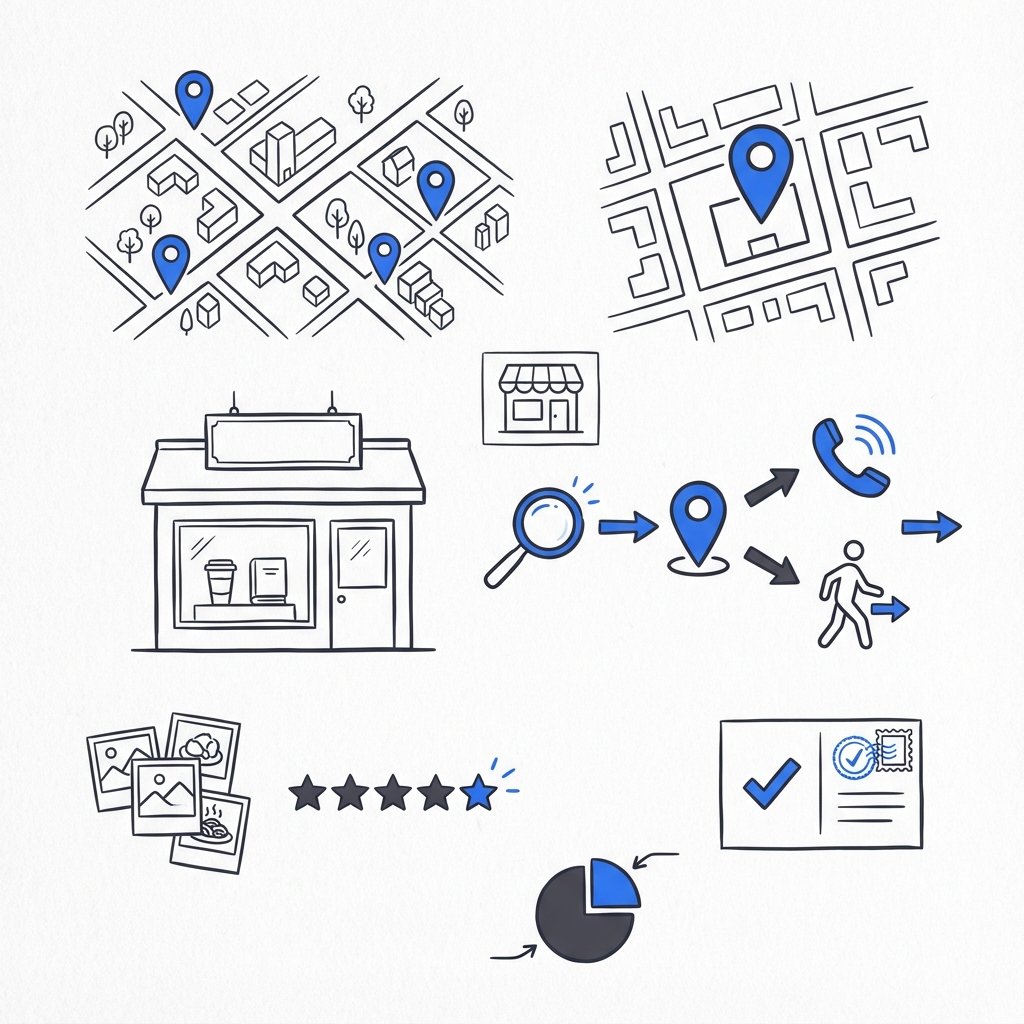
A strong dental marketing plan combines four pillars: local search, a conversion-focused website, a repeatable review + referral system, and measurable paid media. Each pillar supports the others—local visibility feeds website traffic, reviews boost trust and search ranking, and paid campaigns fuel predictable appointments while you build organic momentum.
1. Local search & listings
Local dental SEO is not mysterious. It’s accurate listings, correct NAP (name, address, phone), thoughtful categories, and strategic local pages on your website. Regularly update hours, photos, services, and posts in your Google Business Profile. Monitor citations across directories and correct any inconsistencies. These are low-effort, high-return actions in any dental marketing plan.
2. A website that converts
Your website is where intent becomes action. A conversion-focused site doesn’t need dazzling animations; it needs clarity. Clearly display: who you are, where you’re located, which procedures you provide, insurance info, transparent contact options, and multiple, easy booking pathways. Create local service pages and procedure guides that answer common patient questions in plain language. Each page should include a clear call to action and a fast mobile experience.
3. Reviews and referrals
Reviews are social proof and a ranking signal. Make asking for reviews part of the patient flow—simple scripts at checkout, and automated follow-ups after appointments. Pair review generation with a referral acknowledgement system (a thank-you note, small practice-branded token, or simply recognition) to encourage word-of-mouth. In a dental marketing plan, reviews both build trust and improve local search performance.
4. Measured paid media
Paid media is not about throwing money at ads; it’s about measurable campaigns. Search ads capture people actively seeking care (“emergency dentist near me”), while social ads build awareness and serve as retargeting vehicles. Always tie campaigns to concrete KPIs: new patients per month, patient acquisition cost, conversion rate, and the specific procedures driving revenue.
How to budget for your dental marketing plan
Use budget rules of thumb as guides, not absolutes. Established practices often allocate 4–7% of revenue to marketing. New practices commonly invest more—15–20% in year one—to accelerate awareness and booking volume. Adjust based on local competition and media costs in your metro area.
Understand your local CPCs before committing to larger spends. In many U.S. markets in 2024, dental search CPCs ranged in the low to mid single-digit dollars, but competitive metros can spike higher. Always start with small tests and measure results before scaling.
Content that follows the patient journey
Think of content as a patient’s hand through the funnel—from discovery to loyalty. Useful content for a dental marketing plan includes:
- Local landing pages tailored to neighborhoods and ZIP codes.
- Procedure guides that demystify treatments and answer common fears.
- Short patient stories and FAQs that target real search queries.
- Transparent pricing or price ranges when appropriate to reduce friction.
When patients find a local, empathetic explanation of a procedure, before-and-after photos, and clear next steps, they’re more likely to book.
Measuring success: what to track
Measurement is the backbone of a sustainable dental marketing plan. Trackable KPIs provide clarity: new patients per month, patient acquisition cost, lead-to-appointment conversion rate, and patient lifetime value. Make sure phone calls, form submissions, and online bookings are captured and attributed correctly.
Practical measurement setup
Start with these steps: enable Google Analytics and conversion tracking, implement call-tracking numbers for campaigns, and use booking-source fields on intake forms. Without consistent attribution, you’ll struggle to know which channels are truly driving new patients.
90-day action plan that moves the needle
A short, structured 90-day plan is often the fastest way to see measurable gains from a dental marketing plan:
Days 1–30: Audit and tracking
- Audit Google Business Profile, citations, and site contact details.
- Confirm analytics and conversion-tracking for phone calls, forms, and bookings.
- Fix obvious barriers: wrong phone numbers, broken forms, or missing hours.
Days 31–60: Local SEO and quick wins
- Implement local landing pages and update procedure pages with local signals.
- Launch one small paid search campaign testing high-intent keywords.
- Start a simple email nurture flow for new subscribers and patients.
Days 61–90: Reviews, referrals, and refine
- Roll out a review-generation workflow with short scripts and automated follow-ups.
- Begin a referral acknowledgement program.
- Review campaign data and reallocate budget to top-performing keywords.
By the end of 90 days, you should see increased visibility, more leads, and the start of a dataset for longer-term decisions.
Not at all — a website is necessary but not sufficient. A full dental marketing plan ties local visibility, on-site conversion, reviews, referral processes, measurable paid media, and tracking together so a beautiful site actually turns into booked patients.
Common tactics, explained
Local pages and keyword strategy
Target keywords that show intent: “new patient exam,” “emergency dentist,” and “root canal in [city].” Build pages that answer those queries directly. Use neighborhood-level landing pages when your practice serves multiple ZIP codes. These pages help the local search algorithm understand where you serve and who you target—core to a successful dental marketing plan.
Organic content vs. paid search — when to use each
Organic content builds sustainable visibility; paid search buys immediate exposure. For most practices, a combination works best: start paid search to capture active demand while you build organic content that reduces long-term dependency on paid channels.
Review generation without awkwardness
Make asking for reviews routine. Use short scripts at checkout: “Would you mind sharing a quick note about your visit? It really helps other patients find us.” Then follow up with an automated text containing a direct link. Small habits like these are a major component of an effective dental marketing plan.
Troubleshooting common roadblocks
Many practices mistakenly blame their website for low patient growth. Often, the real issues are small operational or local-visibility problems: wrong phone numbers on listings, emails going to an old inbox, or inconsistent business categories. Fix the basics first—these are often the highest-ROI items within your dental marketing plan.
Other headwinds include rising paid-media costs, platform algorithm changes, local competition, and regulatory constraints on healthcare advertising. Because of these, a practice must treat marketing as an ongoing discipline rather than a one-time project.
Patient acquisition cost (PAC) and lifetime value (LTV)
Two numbers determine whether your dental marketing plan is profitable: acquisition cost and lifetime value. Acquisition cost is your marketing spend divided by the number of new patients in a defined period. Lifetime value is the estimated revenue a patient brings over several years. Compare these numbers to know whether your investment makes sense.
Example: If you spend $10,000 in a quarter and gain 50 new patients directly attributable to marketing, PAC = $200. If the average patient generates $1,500 over three years, your investment is justified. Always pair PAC analysis with realistic LTV assumptions.
Operational steps to support marketing
To make your dental marketing plan effective, align operations with marketing: front-desk scripting, scheduling flexibility, follow-up reminders, and simple referral acknowledgements. Train staff on asking for reviews and capturing referral source data — small operational changes can dramatically improve marketing ROI.
Case studies and real examples
Example 1: A practice saw no growth despite a recently redesigned site. An audit revealed a wrong phone number in their Google Business Profile and a contact form emailing an unreachable address. Fixing these two items produced an immediate uptick in calls.
Example 2: A practice focused on review generation and trained the front desk to ask for feedback. They automated a follow-up text after appointments. Over six months their average rating improved and search visibility increased, producing more organic calls. These are typical wins when a dental marketing plan focuses on fundamentals.
How partners fit into your dental marketing plan
Many practices prefer one partner to manage the full stack—brand, local search, website, paid media, and analytics—so there’s no finger-pointing. If you choose a partner, pick one that provides clear reporting, understands healthcare rules, and can show measurable results. Agency VISIBLE positions itself as that kind of partner: a visible, accountable team that focuses on measurable growth.
Advanced tactics for practices ready to scale
Once you have reliable tracking and a steady flow of new patients, expand into:
- Conversion-rate optimization on high-traffic pages.
- Advanced retargeting and lookalike audiences for patient acquisition.
- Localized video or short educational clips for social channels.
- Seasonal campaigns for elective services like whitening or cosmetic consults.
Each advanced tactic should be measured against acquisition cost and lifetime value to ensure profitability.
Compliance and messaging boundaries
Healthcare advertising has limits. Avoid unverifiable claims or guarantees. Use patient testimonials carefully and with permission. Follow state board rules and consult counsel if you are unsure. Clear, factual, educational messaging is usually the safest and most effective path in a dental marketing plan.
Quick checklist: ready to implement
Use this checklist to jumpstart your work:
- Audit and correct Google Business Profile and citations.
- Ensure tracking for calls, forms, and bookings is active.
- Update local landing pages and procedure content.
- Launch a small paid search campaign on high-intent keywords.
- Start a review-generation process with scripts and automation.
- Measure new patients, PAC, conversion rate, and LTV every 30 days.
Ready to grow your practice with a measured plan?
Ready to take the next step? Agency VISIBLE can help you build a dental marketing plan that produces measurable results—without the mystery. Contact the team to discuss a practical 90-day roadmap and how to measure success. Get in touch with Agency VISIBLE.
Long-term thinking: from new patients to lifetime relationships
Marketing isn’t only about the first visit. A comprehensive dental marketing plan includes nurturing: timely follow-ups, helpful education, reminders for hygiene appointments, and simple treatment-plan follow-through. These touchpoints increase retention, case acceptance, and referral volume—multiplying the value of every new patient.
Common questions and short answers
How much should I spend?
Use revenue-based ranges: 4–7% for established practices, 15–20% in year one for new practices, adjusted for local competition and growth goals.
How soon will I see results?
Local search and review improvements often show effects in weeks to months. Paid search can deliver leads almost immediately but requires good follow-up.
What keywords should I target?
Start with intent-driven terms like “emergency dentist near me,” “new patient exam,” and procedure names plus your city. Use neighborhood landing pages for localized search coverage.
Final thoughts
A well-run dental marketing plan is measurable, repeatable, and patient-centered. Start with the basics—local visibility, a conversion-focused website, review and referral systems, and a small measured paid program—and iterate from there. With disciplined tracking and a focus on patient experience, your practice can build steady, sustainable growth.
One-sentence wrap-up: Focus on local visibility, clear conversion paths, consistent reviews, and measurable campaigns—and your dental marketing plan will turn searchers into long-term patients. Good luck, and keep smiling.
You can see initial results from paid search within days, and local search or review improvements often show measurable effects in a few weeks to a few months. A structured 90-day plan (audit, quick fixes, small paid tests, and review workflows) usually produces noticeable changes in visibility and leads by the end of the period.
Budget ranges depend on the practice stage: established practices often allocate 4–7% of revenue, while new practices typically invest 15–20% in year one to build appointment volume and brand awareness. Adjust based on local competition, your growth goals, and measured campaign performance.
You don’t strictly need an agency, but many practices find value in a single partner who manages brand, local search, paid media, and analytics. A good partner provides clear reporting, compliance knowledge for healthcare advertising, and measurable results—helping you avoid fragmented efforts and wasted spend. For a conversation about practical execution, see Agency VISIBLE’s contact page.