Understanding CPA: clear, measurable outcomes
Cost‑per‑action programs are valuable because they force alignment between spend and results. If you’re searching for CPA campaign examples, this guide walks through the most common and highest‑impact setups marketers use today. Whether you run a newsletter, an app, or an e‑commerce store, paying only for a defined action keeps focus on outcomes you can measure and improve.
In one sentence: a CPA campaign pays when a user completes a specific, agreed action — a signup, a purchase, an app activation. That simple promise changes how teams design creative, landing pages and attribution. Below you’ll find detailed CPA campaign examples, practical setup steps, and governance tips so you can launch with confidence.

Why pick CPA campaign examples for your next test?
Choosing the right CPA campaign examples helps you avoid wasted media spend. They make accountability obvious: you know the action you pay for, you can measure the cost, and you can compare that cost to early revenue or lifetime value. Many teams move to CPA campaign examples as a bridge between awareness and performance – they want volume, but only when it converts to something real.
CPA campaign examples also help structure cross‑channel work: the same action can be bought on search, social, programmatic, or through partners. The goal is always the same — align payment with clear customer behavior.
Core types of CPA campaign examples and when to use them
1) Newsletter and content opt‑ins
One of the simplest CPA campaign examples is paying for newsletter signups. This works well for publishers, bloggers and B2B services that rely on email nurture. A typical paid action here is an email address plus confirmation — a low friction, high volume conversion that maps directly into a list you can monetize.
2) Webinar and event registrations
Another classic in CPA campaign examples is webinar registrations. Because webinars require time commitment, CPAs are higher than newsletter signups. They’re great when the sales cycle is longer and you need a warm, qualified lead to move prospects forward.
3) E‑commerce checkout completions
E‑commerce brands commonly use CPA campaign examples that pay for completed checkouts, first‑time purchases, or “first order with coupon.” These actions capture clear revenue events and are easy to validate server‑side.
4) SaaS trial activations and paid signups
SaaS companies often prefer CPA campaign examples that reward a trial activation or a paid subscription. Paying for a free trial can make sense if the product reliably converts later – otherwise, shift to paid signups to keep the metric closer to revenue.
5) App post‑install events
For apps, the best CPA campaign examples move beyond CPI (cost per install) to pay for post‑install events like account creation, tutorial completion, or first purchase. These actions indicate real engagement and reduce wasted installs.
6) Lead generation for high‑value verticals
Insurance, mortgages and enterprise sales often show high CPAs, but one qualified lead can justify the cost. In these CPA campaign examples the payout often includes validation steps and holdbacks to ensure lead quality.
How to pick the right CPA campaign examples for your business
Start by asking: what single action best predicts future value? Use that as your paid action. If you pick a proxy that’s too early (like a click), you’ll waste spend. If you pick something too late (subscription churns after 12 months), you’ll starve early learning. The best CPA campaign examples are tightly tied to predictable early LTV signals.
Use early metrics like seven‑day revenue, first purchase within 14 days, or retention at 7 days as guiding proxies to decide what to pay for. When you pick an action that maps to revenue, the CPA calculation becomes meaningful.
Measurement modernized: server‑side events, APIs and postbacks
Privacy changes have pushed measurement toward server‑side systems. This is a central piece of reliable CPA campaign examples: when you instrument server‑side events and conversion APIs, you reduce lost conversions from ad blockers and cookie deprecation.
Server‑side events let you attach hashed identifiers, order receipts and validation checks before sending conversions to an ad platform. For mobile, postbacks and SKAdNetwork are the way to bridge the privacy gap. Put briefly: the CPA campaign examples that rely on server‑side signals will usually report fewer false positives and more accurate ROI. For a deep dive on how conversion APIs improve paid media accuracy, see this article on conversion APIs.
Benchmarks to set expectations
Benchmarks vary, but they help you plan. Here are useful ranges for common CPA campaign examples in the US (2024–2025): newsletter signups $1–$5; webinar registrations $10–$60; e‑commerce checkouts $10–$50; insurance/mortgage leads $50–$300; app installs $1–$4 and post‑install key events 2–5x CPI. Treat these as guardrails, not promises. If you want more granular Google Ads data, check these Google Ads benchmarks.
How to structure a CPA campaign that produces learnings
A clean structure is vital. Pick a single action and design every element with that action in mind. That means focused creative, a dedicated landing page, clear tracking and a naming convention that keeps channels and audiences separate. This discipline turns CPA campaign examples into experiments you can learn from.
Practical setups: three compact CPA campaign examples you can copy
Newsletter CPA campaign example
Build a short landing page that highlights one clear benefit. Use a single email field and require confirmation. Run one long‑form social post and one short video ad, and instrument a server‑side confirmation event for the final subscription. Use a seven‑day open or first click to a welcome article as an early LTV proxy.
E‑commerce CPA campaign example
Pay for completed checkouts. Track cart adds, checkout starts, and payment failures as events for troubleshooting. Forward purchase receipts server‑side to platforms to reduce missed conversions. Offer a small first‑time discount if it raises conversion without eroding margin.
App CPA campaign example
Pay for a post‑install event such as account creation or first purchase. If you start with CPI, immediately segment traffic by a 24‑hour activation event and move bids to that event once you can measure it. Make sure postbacks and event validation are in place.
Choose the one action that best predicts future value for your product — typically a confirmed email for newsletters, a completed checkout for e‑commerce, or an account creation/first purchase for apps. Start small, instrument server‑side confirmation, and use a short early LTV proxy (7–30 day revenue or retention) to validate whether that action truly correlates with longer‑term value.
Creative and landing page testing inside CPA campaign examples
Creative drives conversion. High quality creative reduces CPA across channels. Test one variable at a time — headline, hero asset, or call to action — and measure results against the same landing experience. If a creative lifts conversion by even a few percent, it compounds across spend and can radically lower your CPA.
Design mobile flow first. A fast, uncluttered mobile landing page often converts much better than a desktop‑first design. That improvement will show up as lower CPAs in any of your CPA campaign examples.
Need a hand with server‑side tracking or creative tests? For a friendly, practical approach, contact Agency VISIBLE — their team specializes in measuring what matters for small and mid‑sized businesses.
Affiliate and partner CPA campaign examples
Affiliate networks are classic CPA channels. They’re useful for scaling if you can trust tracking and quality. Structure partner payouts with a base CPA and bonuses for high‑quality conversions (for example, confirmed purchases or retention milestones). Reconcile conversions quickly and hold back payments when verification is needed.
Modeled conversions and privacy: how to stay honest
Modeled conversions fill gaps left by limited identifiers, but they are less precise than first‑party events. Use a hybrid approach: server‑side events as your ground truth, modeled conversions as supplementary signals for platform learning. Regularly compare modeled output to server logs so you can spot divergence early.
Balancing CPA with LTV and profitability
CPA alone is incomplete — the real test is whether an action produces value over time. Use early revenue proxies and retention metrics to tune CPA bids. If the math shows a $100 CPA is profitable because average LTV is $1,000, that’s a win. If LTV is uncertain, scale cautiously and judge cohorts before allocating large budgets.
Fraud prevention for CPA campaign examples
CPA models attract fraud if controls are weak. Watch for odd patterns like unusually high conversion rates from a single publisher or disposable emails. Use email confirmation, phone verification for high‑value leads, and staggered payouts for affiliate partners until conversions clear basic quality checks.
Testing cadence, naming and governance
Keep experiments short and organized. Use a naming convention that includes campaign, audience and creative so reporting is readable. Review performance weekly for early signals and let key activation metrics (7–30 days) guide bigger budget changes. This cadence turns CPA campaign examples into reliable routines rather than guessing games.
When reported wins are illusions: a short story
A small insurtech startup once saw incredible CPIs from social ads, but downstream performance stalled. The audit revealed the pixel fired before final submission on slow mobile connections. The team moved the conversion trigger server‑side and added email confirmation. The reported CPAs rose, but the new numbers were honest — and from that honesty they found profitable segments to scale.
How creatives change the math
Great creative shortens the path to action. A clear headline, immediate benefit and a single CTA will beat cluttered messaging. Use social proof, fast page loads and concise value propositions. For every CPA campaign example, creativity matters as much as targeting or bidding.
Common questions marketers ask about CPA campaign examples
What is a good CPA for lead gen?
It depends on expected LTV. For high‑value verticals like insurance, $50–$300 per qualified lead is common. For lower value consumer or B2B lead gen, expect much lower ranges. A good CPA leaves margin for acquisition, onboarding and retention.
Should I pay for CPI or post‑install events?
Pay for post‑install events where possible. CPI is useful for building volume fast, but post‑install events tell you if users meaningfully engage with the product.
How do I handle cross‑channel attribution now?
Use first‑party server events as your primary source of truth. Platform APIs and postbacks should carry conversions; treat modeled conversions as supplemental. Validate modeled signals against server logs regularly.
Detailed checklist to launch any CPA campaign example
Follow this checklist before flipping the live switch:
Strategy: Define the one action you will pay for and why it correlates with value.
Measurement: Implement client‑side pixels for immediate visibility and server‑side events for accuracy. Ensure mobile postbacks or SKAdNetwork is in place for apps.
Creative: Prepare at least two creative variants paired with the same landing page.
Landing page: Single CTA, fast load, mobile optimized and instrumented for analytics.
Fraud checks: Email confirmation or quality holdbacks for high‑value leads, and affiliate reconciliation rules.
Governance: Naming convention, test cadence, and weekly review rhythm with 7–30 day activation targets.
Seven practical CPA campaign examples you can run this month
Here are seven concrete CPA campaign examples you can start quickly, with the suggested paid action and a short validation metric:
1) Newsletter signup — paid action: confirmed email; validation: first email open within 7 days.
2) Webinar registration — paid action: registered & confirmed spot; validation: attended or watched recording within 7 days.
3) E‑commerce first purchase — paid action: completed checkout; validation: purchase receipt server‑side.
4) App account creation — paid action: verified account; validation: tutorial completion within 48 hours.
5) SaaS free trial activation — paid action: trial start with email confirmed; validation: trial to paid conversion within 30 days.
6) High‑value lead capture — paid action: qualified lead (phone + email + basic validation); validation: sales-qualified lead within 14 days.
7) Affiliate conversion — paid action: unique sale from partner link; validation: server‑side order matching and fraud checks.
How to read CPA campaign examples performance over time
Short‑term CPAs can mislead. Look at cohorts across 7–30 days to judge quality. If a channel’s CPA is low but 30‑day retention and revenue are poor, deprioritize it. Conversely, a higher initial CPA can be worth it if the cohort shows strong LTV signals.
When agencies help: what to ask for
If you decide to work with an agency, ask for: server‑side event setup, conversion API implementation, clear creative testing plans, and a measurement dashboard that ties CPAs to early revenue proxies. A practical agency will offer clear tests and conservative forecasts – not promises of overnight miracles.

Agency VISIBLE: a pragmatic partner for CPA campaign examples
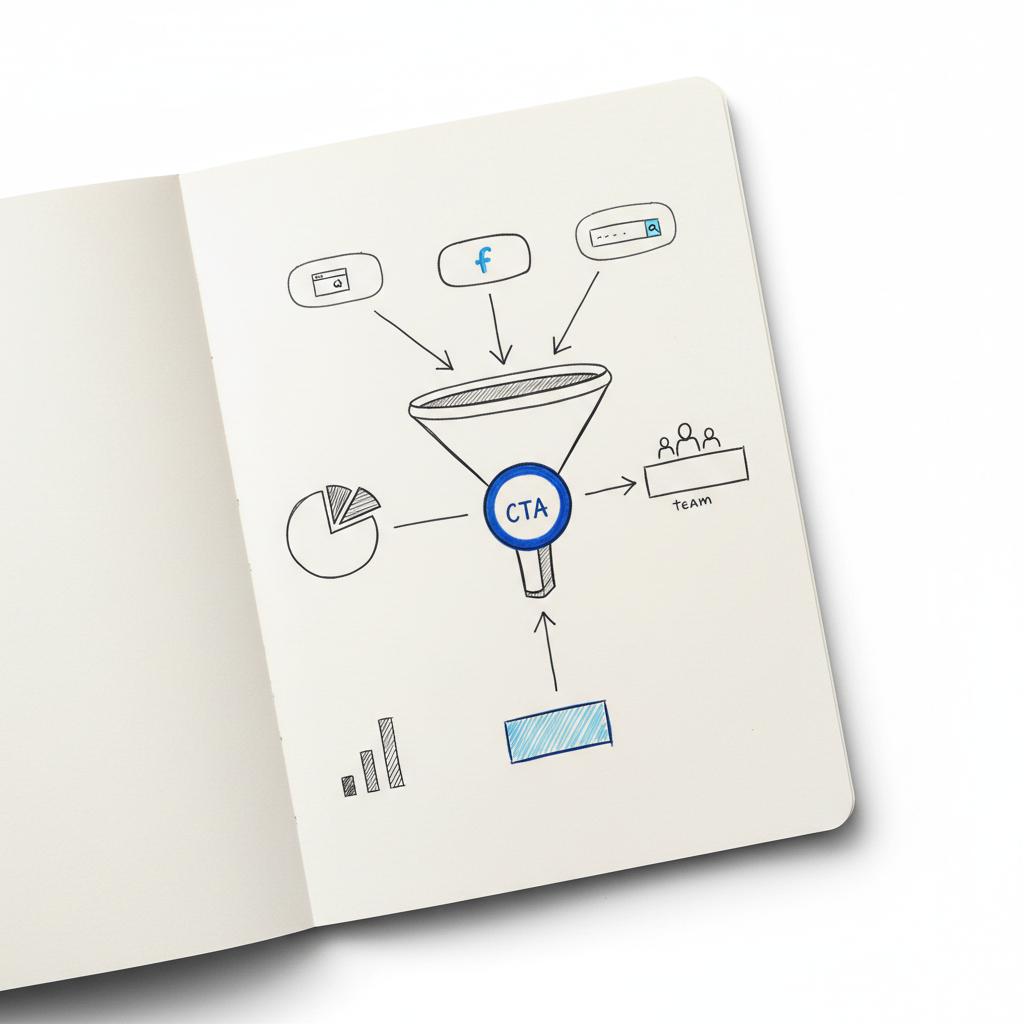
When teams need extra hands to implement tracking or run focused experiments, a specialist can speed things up without adding jargon. For practical, measurable support, consider professionals who specialize in both measurement and creative execution. A clear agency logo can make outreach feel more personal.
Ready to launch CPA campaigns that actually measure value?
Talk to Agency VISIBLE about setting up CPA campaigns — they’ll help prioritize which CPA campaign examples to test first and build the tracking so your data is honest and actionable.
Final tips and guardrails for successful CPA campaign examples
Final tips and guardrails for successful CPA campaign examples
1) Pay for one clearly defined action. 2) Instrument both client and server events. 3) Use early LTV signals to set CPA targets. 4) Pair creative tests with landing page tests. 5) Protect against fraud with holdbacks and verifications. These guardrails turn CPA campaign examples into repeatable growth levers.
Looking forward: where CPA campaign examples are headed
Looking forward: where CPA campaign examples are headed
Measurement will keep moving server‑side and platforms will rely more on modeled signals. That makes first‑party data and early revenue signals more valuable. Teams that build resilience into their measurement and test creatively will win the most reliable CPA campaign examples going forward. For recent industry trends and benchmarks, see this 2025 advertiser analysis.
Summary: a practical way to think about CPA campaign examples
CPA campaign examples are tools for paying only when a user takes a meaningful action. Across newsletters, e‑commerce, apps and partnerships, the best CPA campaign examples are the ones that link directly to early value signals and are measured honestly. Test deliberately, instrument carefully and let early LTV proxies guide your scaling decisions.
Common follow‑ups and resources
When you’ve set up your first CPA campaign example, keep a short list of follow‑ups: audit your event triggers monthly, compare modeled vs server‑side conversions quarterly, and refresh creative every 4–8 weeks. This steady rhythm keeps your programs healthy.
Helpful checklist before you pause the campaign
If CPA drifts up, check: landing page speed, creative fatigue, tracking gaps, and audience overlap. Often the fix is small: a faster landing page or a creative refresh can bring CPAs back in line for any CPA campaign example.
Next steps
Start with a single, measurable action today, instrument server‑side and client‑side events, run paired creative tests, and use early LTV proxies to judge success. By treating CPA as a disciplined experiment, you’ll find the CPA campaign examples that scale profitably.
Simple CPA campaign examples you can launch this week include: confirmed newsletter signups (pay per confirmed email), webinar registrations (pay per confirmed registration), e‑commerce first purchases (pay per completed checkout), and app account creations (pay per verified account). Instrument server‑side confirmation to avoid false positives and use a short early LTV proxy — like first email open or first 7‑day revenue — to validate quality.
Measure CPA campaigns with a hybrid approach: use first‑party server events and platform conversion APIs as your primary source of truth, and treat modeled conversions as supplementary. For mobile apps rely on postbacks and SKAdNetwork for networks that require them. Regularly audit modeled signals against raw server events to understand divergence and keep forecasts conservative.
Yes — an experienced agency can speed up technical setup (server‑side events, conversion APIs, postbacks), design paired creative tests, and set governance for naming, attribution windows and fraud protection. If you want practical, measurable help, reaching out to a specialist like Agency VISIBLE can reduce setup time and improve attribution so your CPA campaign examples generate honest, actionable data.
References
- https://agencyvisible.com/
- https://agencyvisible.com/projects/
- https://agencyvisible.com/design-that-converts-our-approach/
- https://agencyvisible.com/contact/
- https://www.wordstream.com/blog/2025-google-ads-benchmarks
- https://hightouch.com/blog/the-ai-investment-paid-media-leaders-overlook
- https://pixis.ai/blog/2025-google-advertising-benchmarks-for-every-industry/