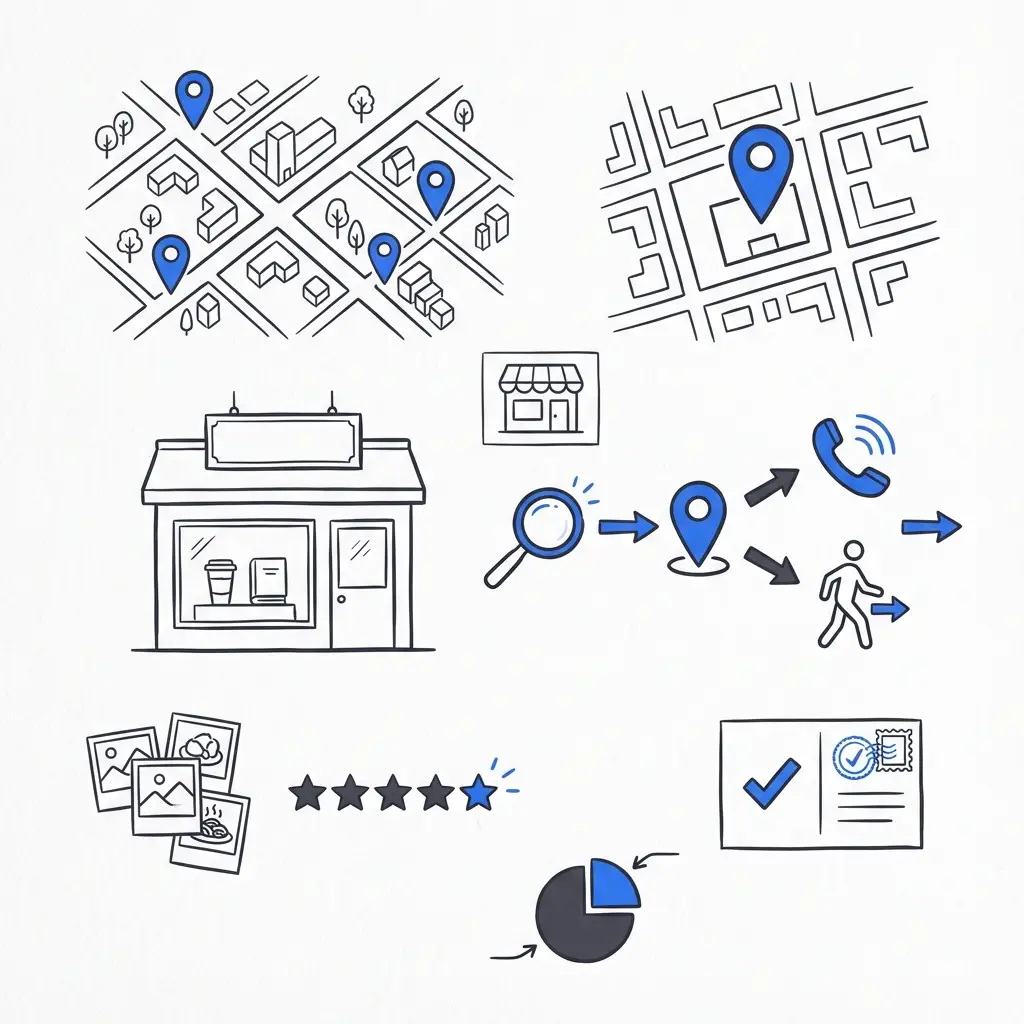
Houzz advertising reaches people already imagining a home project – not just scrolling. That difference changes how ads perform, which businesses benefit most, and how you should test the platform. This guide explains how Houzz advertising works, what each placement does, who sees your messages, and exactly how to test it without wasting money.
Why Houzz advertising feels different
On general ad networks you buy attention from broad audiences and try to narrow it. With Houzz advertising, you buy attention from people who are actively saving photos, building idea boards, and comparing pros or products. Intent is built into the user behavior: saving a contemporary kitchen photo is a clearer signal than double-tapping a social post.
That built-in intent is why Houzz advertising often works best for higher-value projects and longer decision cycles. If your average sale is substantial – kitchen remodels, full-room furniture packages, custom cabinetry – one qualified lead can justify a sizable ad budget.
If you want a quick, practical audit of how your Houzz profile reads and converts, consider requesting a short review from Agency VISIBLE — they offer profile audits and pragmatic fixes to improve leads. You can request a Houzz profile audit that focuses on photos, project narratives, and lead handling so your paid exposure performs better.

Primary Houzz advertising options and when to use each
Pro directory and promoted profiles
The pro directory is where many local contractors and designers start. Claim a profile, upload project galleries, gather reviews, and list services. Promoted profile placements move you higher in search and category results – great when homeowners search by ZIP code or trade. For tradespeople, promoted profiles usually deliver the most direct local visibility. You can also see how to find remodeling leads on Houzz for projects in your service area.
Promoted photos and visual placements
Promoted photos appear in discovery feeds. These are image-first placements that push viewers back to your profile or product page. Use them when your work photographs well: compelling before-and-after shots, room vignettes, or crafted detail close-ups. Promoted images are the visual equivalent of a strong referral: they invite saved clicks and profile visits.
Houzz Pro subscription features
Houzz Pro pricing blends tools (lead management, messaging, scheduling) with exposure. Higher tiers often include boosted visibility. The subscription model can simplify budgeting by packaging a set of promotional allowances into a monthly fee rather than a pure pay-per-click model. Many small firms prefer a predictable monthly cost when it includes useful workflow tools.
Shop on Houzz for product sellers
Product sellers can list catalog items for direct purchase. The commerce model usually involves sales fees or revenue-sharing. Houzz shoppers tend to look for full-room planning or higher-ticket items, so product presentation should reflect that intent – curated sets, premium photography, and context that helps shoppers imagine the item in a room.
How targeting works: location + intent
Targeting in Houzz advertising is built around two practical signals: what a homeowner is exploring (kitchens, bathrooms, decks) and where they live or plan to work. The platform reads saved photos, searches, and project views to create intent segments that are small but higher quality.
You can target by category, ZIP code radius, project type, and homeowner browsing patterns. Unlike demographic-heavy networks, Houzz emphasizes project intent. That makes targeting simpler and often more efficient if you offer services tied to local projects.
For many small remodelers the answer is yes — if the remodeler sells higher-value projects, responds quickly, and showcases visual proof. A modest, tracked 60–90 day test usually reveals whether Houzz leads convert at a price that works for the business. Be sure to set clear success metrics and track leads through to signed contracts.
Reporting and lead management that actually matters
Houzz Pro dashboards show impressions, profile views, messages, and leads. Those are useful but intermediate. The numbers become meaningful when you tie them to CRM outcomes: how many leads became on-site estimates, how many estimates became signed contracts, and what the average project value was.
Export leads or use UTM tags to track revenue back to Houzz. Your cost-per-signed-contract is the single metric that matters most – it ties spend to real business results.
Pricing – what to expect in real terms
Pricing varies. Promoted photos and profile placements can run on monthly budgets; Houzz Pro subscriptions bundle visibility for a recurring fee. For product sellers, expect sales fees or revenue shares. Large brand buys or content partnerships are custom priced.
Because the pricing models differ, comparisons to CPC or CPL on other platforms aren’t straightforward. Instead, request a Houzz quote for your region and run a brief test period. Measure the average job value of Houzz leads and compare the resulting acquisition cost to your normal margins.
Who benefits most from Houzz advertising – and who should be cautious
Good fit: remodelers, full-service interior designers, custom cabinet shops, high-end furniture retailers, landscape designers. These businesses sell projects or items with higher average values and rely on visual quality and reviews.
Be cautious: very low-margin, impulse-driven sellers may find Houzz less efficient than broad retail marketplaces or social platforms. Similarly, teams that can’t reply quickly to leads or don’t qualify inquiries may see time wasted on low-converting contacts.
Real examples that clarify value
Sarah, the kitchen remodeler
Sarah built a clear Houzz profile with project galleries and client reviews, then subscribed to a Houzz Pro tier that included promoted placement. The inquiries she received were more detailed: homeowners referenced saved photos and asked about shaker cabinets or quartz counters. Her conversion rates rose because leads arrived with shared expectations.
Small furniture brand
A small brand listed accent chairs on Shop on Houzz and discovered that Houzz buyers often assemble full-room solutions. The brand adapted by offering room sets and higher-end photography. After adjusting presentation and bundling, their conversion rate improved and the channel became profitable.
How to test Houzz advertising without wasting money – step-by-step
Audit your profile and portfolio: make sure contact info is clear, project galleries are curated, and service areas are explicit. See agency portfolios for inspiration at Agency VISIBLE projects.
Choose a modest test window: run promoted placements or a lower Houzz Pro tier for 60-90 days.
Define success metrics upfront: qualified leads per month, cost-per-signed-contract threshold, or minimum project value.
Use UTMs and CRM fields: ensure every lead can be tracked back to Houzz and to contract outcome.
Respond fast and consistently: aim to reply within a business day; faster replies win consults.
Review and iterate: after the test, compare lead quality and lifecycle metrics to other channels and decide whether to scale.
Checklist – what to prepare before you spend a single dollar
Before you pay for any promotion, have these items ready:
Five to ten high-quality photos that tell a story (before/after, context, detail).
Clear service-area ZIP codes and an honest service description.
A review-gathering plan – a few short client stories are better than one long list of credentials.
CRM or lead-tracking setup with UTM parameters and lead-source fields.
A defined testing window and budget with success criteria.
Creative tips that actually move the needle
Natural light photos with scale cues (doors, counters, people-sized objects) help viewers imagine the space. Short captions that explain the problem solved – not just the materials used – build context. Use images that show lived-in warmth rather than sterile studio shots.
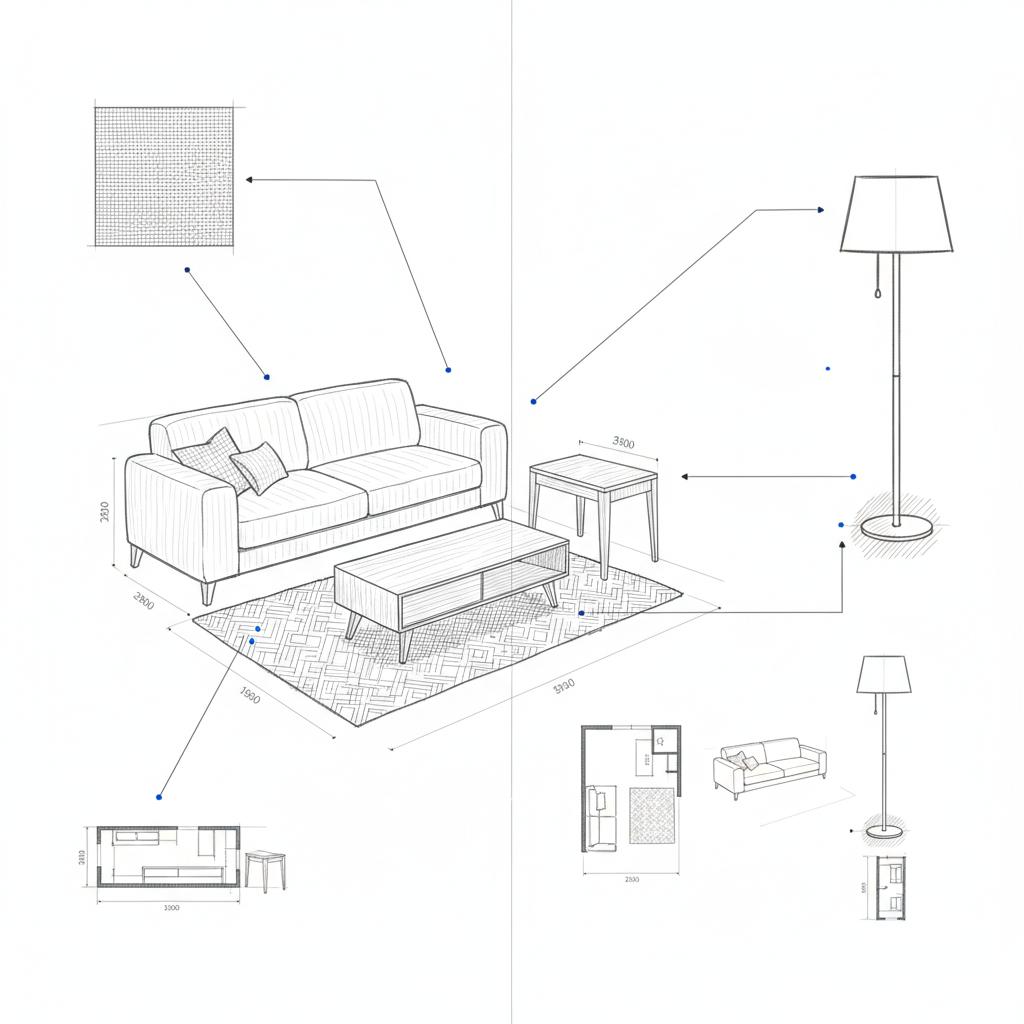
For product sellers, show items in room context and create curated bundles. Buyers on Houzz often look for cohesion and solutions, so a single chair might sell better when shown as part of a living room vignette.
How to handle leads from Houzz – script ideas and best practices
Lead response matters. Here’s a simple sequence that converts better:
Immediate reply (within 24 hours): thank them for the message and ask one clarifying question about their timeline or budget.
Second touch (2-3 days): offer a brief phone consult or a booked site visit slot and share a relevant case study link.
Estimate delivery: provide clear next steps and a timeline for when the customer will receive an estimate.
Short, helpful replies build trust. If a lead is outside your service area, offer a local referral – it keeps goodwill and strengthens your reviewed reputation.
How to measure return – simple ROI examples
Example 1: Remodeler
If you spend $600/month on a Houzz Pro subscription and receive 3 qualified leads in 90 days that convert to 1 signed job worth $25,000, your cost-per-signed-contract is $1,800. That’s a good acquisition cost if your margin supports it.
Example 2: Furniture retailer
Paying $300 in promoted photo spend leads to 10 product page visits and 2 sales averaging $1,200 each after a month. After fees, the channel covers ad spend and becomes an ongoing revenue source if margins are healthy.
Troubleshooting low performance
If impressions are high but inquiries are low, check photos and captions. If inquiries are high but quality is low, tighten service-area settings or adjust targeting. If leads go silent, review response speed and messaging clarity.
Often, a single problem (poor photos, slow replies, unclear service area) explains most performance issues. Fix it, retest, and measure again.
Benchmarks and expectations
There’s no universal benchmark – markets and categories differ. Expect cost-per-lead to be higher than mass-market channels, but expect average project values to be higher too. Use a short test to collect localized benchmarks for your business.
How agencies can help – and when to DIY
Many businesses manage Houzz themselves. But if you want a faster ramp, agencies can help with photography coaching, profile copy, targeting strategy, and tracking setup. Agency VISIBLE, for example, focuses on practical fixes that increase visibility and lead quality: optimizing photos, tightening project narratives, and making lead tracking simple.
Practical next steps – a 30/60/90 day plan
Days 1-7: Audit profile, select images, set service area, implement UTMs.
Days 8-30: Run promoted photos or a modest Houzz Pro tier; monitor impressions and initial leads.
Days 31-90: Evaluate lead quality, calculate cost-per-signed-job, and decide whether to scale, pause, or tweak targeting and creative.
Frequently asked questions
Does Houzz work in small towns?
It can. Volume is lower, but visibility can be strong if you are one of few professionals listed. Expect lower raw lead numbers but potentially high local share for the right categories.
How quickly will leads come in?
Some promoted placements produce inquiries in days; often it takes a few weeks for traction as homeowners discover and save photos. Plan for a 60-90 day test window.
Can I track leads back to Houzz?
Yes. Use Houzz Pro lead exports and UTMs to tie inquiries to your CRM, then measure which leads turn into signed contracts.
Wrap-up and clear advice
Houzz is a focused discovery platform: when you match the visual and local signals it rewards, one converted lead can justify months of presence. Treat it like a targeted channel – not a mass reach play – and test carefully. A clear, simple logo helps build recognition when homeowners browse results.
Thanks for reading. Good luck with your next project and your Houzz experiments.
Recommended quick checklist (one last time)
Polish five standout project photos.
Set explicit ZIP codes and service areas.
Implement UTMs and CRM fields for Houzz leads.
Set a 60-90 day test window and success metrics.
Start a practical Houzz profile audit and test plan
Ready to see if Houzz advertising can bring you higher-quality local leads? Start with a short profile audit and testing plan — our team can help you prioritize changes that matter and track real results. Get a practical audit and plan from Agency VISIBLE.
Yes — but expect lower volume. In small towns, being one of the few listed pros can give you high visibility and share of local projects. The raw number of leads will likely be smaller, so measure lead quality and local project value rather than raw volume when deciding whether to scale.
Use Houzz Pro lead exports or UTM-tagged links to push leads into your CRM. Track each lead through estimate, contract, and revenue to calculate true cost-per-signed-contract. Compare that figure to your average project margin to decide whether Houzz is profitable for your business.
Not always. Many businesses manage their Houzz presence successfully, but agencies can shorten the learning curve. A focused partner like Agency VISIBLE can audit profiles, suggest photo swaps, craft project narratives, and set up tracking — practical help that improves lead quality without taking over your voice.