Can lawyers advertise on TikTok? A practical road map for safe, effective outreach
Short answer: yes – but only when you follow both platform rules and professional ethics. This article explains how lawyers can advertise on TikTok without risking client confidentiality, regulatory trouble, or wasted ad dollars. We cover setup, targeting, messaging, testimonials, consent, tracking and the operational process you’ll want to lock down before you hit publish.
Why TikTok matters for legal services
TikTok has evolved beyond short trends. People now use TikTok to discover services, learn how-to steps, and even find professionals. That means lawyers need to ask: can lawyers advertise on TikTok in a way that attracts the right clients without crossing ethical lines? The answer shapes how you write copy, choose audiences, and design follow-ups.
Two rulebooks apply at once: the platform’s ad policies and the rules of the legal profession where you practice. Think of them as two maps you must consult before you start your campaign. One map shows TikTok’s traffic flow; the other shows local ethical speed limits and road signs. For details on platform requirements see the TikTok advertising policies. For practical agency support, check Agency VISIBLE as a starting reference.
If you want a tidy starting kit—templates, consent forms and approval workflows—consider getting a compliance-ready pack from Agency VISIBLE. A quick consultation can help you adapt templates to local rules; learn more by contacting Agency VISIBLE for a short onboarding call.
How the two rulebooks differ — and where they overlap
TikTok rules restrict misleading claims, exploitative content, and certain sensitive topics. TikTok expects advertisers to verify identity, respect audience controls and obey local advertising restrictions.
Professional rules (bar rules, law society codes) forbid false or misleading statements, limit solicitation, protect confidentiality and impose specific rules around testimonials, endorsements and fee disclosures. In many places, those rules apply to all publicity, including social media ads.
When both sets of rules are respected, your legal advertising risk falls sharply. That’s why the smart path for many firms is to make paid content educational rather than promise-driven.
Yes. Lawyers can advertise on TikTok safely if they use conservative targeting within licensed jurisdictions, write factual non-promissory copy, obtain and document written consent for client stories, require clear disclosures for paid partnerships, and keep a thorough audit trail of approvals and targeting choices.
Getting started: account setup and verification
Before you run your first ad, set up a Business or Pro account and complete TikTok’s verification steps. TikTok often requires verified business identity to access Ads Manager and some ad formats. Verification also helps with trust signals in the platform and in your audit trail.
Basic setup steps:
- Create a Business account for your firm, not a personal account.
- Upload clear firm identification and relevant business documents for verification.
- Enable two-factor authentication for account security.
- Set internal roles and permissions so only approved people can create or launch paid campaigns.
Only run paid, geo-targeted campaigns where your firm is licensed. If you operate in multiple states or countries, either run separate campaigns tailored to each jurisdiction or keep paid campaigns to a conservative geography that matches your license.
How to write ad copy that stays ethical and converts
Copy is the place most firms trip up. Keep language factual, helpful and non-sensational. Avoid guarantees, exaggerated win-rates or comparisons that imply your firm is objectively better without verifiable proof.
Safe phrasing examples:
- “General information only — this does not create a lawyer-client relationship.”
- “We explain the typical steps in X process and what to expect.”
- “Past results do not guarantee future results.”
Unsafe phrasing to avoid includes: “We guarantee a win,” “We have the highest success rate,” or anything promising a specific outcome for a viewer.
Targeting and solicitation: where ethics tighten the rules
Paid ads allow precise targeting. But in many jurisdictions, direct solicitation of a known person or a targeted approach about a specific matter can trigger solicitation rules. Avoid audience definitions that single out people in active disputes or that are so narrow they read like an attempt to reach specific individuals.
Practical targeting rules:
- Limit geographic targeting to licensed jurisdictions.
- Avoid hyper-specific targeting that would reach only a very small, identifiable group (for example, a list of victims from a specific incident).
- Use age gating for sensitive practice areas like family law or criminal defense.
- When in doubt, broaden the audience.
Why age gating helps
If your topic may involve minors or sensitive matters, set the minimum age to 18+ and state the content is general information. TikTok Ads Manager supports age and location controls – use them.
Testimonials, influencers and endorsements
TikTok thrives on authenticity, so testimonials and creator partnerships can work well — if handled properly. Regulatory bodies often permit testimonials but with heavy caveats: you must not create a misleading impression about likely outcomes; any compensation must be disclosed; and consent for client stories must be explicit and documented. For platform-specific rules, see TikTok’s guidance on regulated commercial activities at TikTok regulated commercial activities.
Best practices when working with creators:
- Use a written agreement that covers deliverables, honest opinions and mandatory disclosures.
- Require creators to submit scripts or rough cuts for pre-approval.
- Ask creators to include a spoken disclosure at the start and a visible text disclosure during the video (e.g., “sponsored” or “paid partnership”).
- Never let a creator promise results or imply outcomes that are not typical.
Consent for client stories
Never post a client story without explicit written consent. The consent form should specify:
- Where the story will be used (platforms and paid ads).
- How long it may run.
- Right of withdrawal and any limits to withdrawal.
- Whether any personal identifiers will appear.
Store signed consents in your compliance folder and link them to the post record.
Landing pages, disclosures and disclaimers
Don’t let an ad promise more than your landing page supports. The landing page should mirror the ad’s tone and include clear disclaimers and contact information. For paid ads, put a short disclaimer in the ad text and repeat it on the landing page.
Example short disclaimer for ad text:
“This video is general information only and does not create a lawyer-client relationship.”
On the landing page, expand that to include privacy and cookies information, how you handle inquiries and a link to a page that explains testimonials and consent.
Measurement and technical setup
Install the TikTok Pixel to measure conversions — form fills, call clicks, appointment bookings. Use UTM parameters to track campaign traffic in your analytics and CRM, and map conversion events to business outcomes rather than vanity metrics. For creative best practices and ad review tips, see TikTok’s ad creative guide at TikTok ad creative guide.
Privacy considerations:
- Document what data the Pixel collects and how it’s stored.
- Check cookie consent requirements in your jurisdiction and add clear cookie consent on landing pages if needed.
- If you retarget visitors, avoid messaging that could feel intrusive or like direct solicitation.
Operational process and audit trails
Process matters more than creative flair. Create a clear approval workflow that covers:
- Who drafts scripts and copy.
- Who reviews legal and compliance issues.
- How client consent is captured, stored and linked to the post.
- A log of creatives, targeting settings and any reviewer notes from TikTok.
Keeping that audit trail pays off if a regulator asks why you targeted a certain audience or used particular wording.
Creative formats that reduce ethical risk
Choose formats that educate and inform rather than promise. High-performing, low-risk ideas include:
- Short Q&A clips that answer a common legal question.
- Explainer videos showing step-by-step what happens at an initial consultation.
- Anonymized case studies that outline the problem and general outcome but exclude identifying details.
- Day-in-the-life videos showing firm values and processes, not client facts.
For each video, include a short text overlay with a disclaimer and link to a longer landing page that expands the information and contains consent/terms links. For examples of past creative work, see our collaborations at Agency VISIBLE projects.
Example safe script
Hook (first 3 seconds): “Wondering what to do if you’ve been contacted about X?”
Body (15–30 seconds): “Here are three practical steps: 1) gather these documents; 2) pause and don’t sign anything without advice; 3) call a local lawyer for an initial consult. This is general information and does not create a lawyer-client relationship.”
Cross-border campaigns: the cautionary tale
Digital ads can easily cross borders. If you target multiple jurisdictions, follow the strictest rule among them or run separate, localized campaigns. It’s safer to run a local campaign tailored to one licensing area than a broad campaign that unintentionally breaks rules in another.
Common mistakes and how to avoid them
Typical errors include:
- Posting client details without consent.
- Using a testimonial that implies guaranteed success.
- Hyper-targeting that looks like solicitation.
- Failing to document approvals and consents.
Fixes are process-based: templates, approvals and a single compliance folder with linked evidence of consent and clearance.
When to pause a campaign
Pause immediately if TikTok rejects an ad for potential ethical or legal problems, or if a regulator raises a complaint. Investigate the cause, fix the wording or targeting, and re-submit with evidence of compliance. If a client objects, remove the content until you have a compliant, documented consent.
Scripts and sample phrases to keep it simple and safe
Use plain, non-technical phrasing. A few safe, ready-to-use lines:
- “General information only — not legal advice.”
- “This content does not create a lawyer-client relationship.”
- “Past results do not guarantee similar outcomes.”
- “This post was sponsored by [firm name].”
How to measure meaningful outcomes
Track contacts, calls, booked appointments and consult completions. Use the TikTok Pixel and UTM codes to attribute conversions correctly. Ask intake staff to record how the client found you — that qualitative feedback helps improve creative and targeting more than likes do.
Who should be on the team
A compliant campaign needs collaboration. Typical team roles:
- Marketing: drafts and optimizes creative.
- Compliance/Managing partner: signs off on templates and client consent language.
- IT: installs Pixels, manages data flows.
- Local counsel: reviews scripts that cross licensing boundaries.
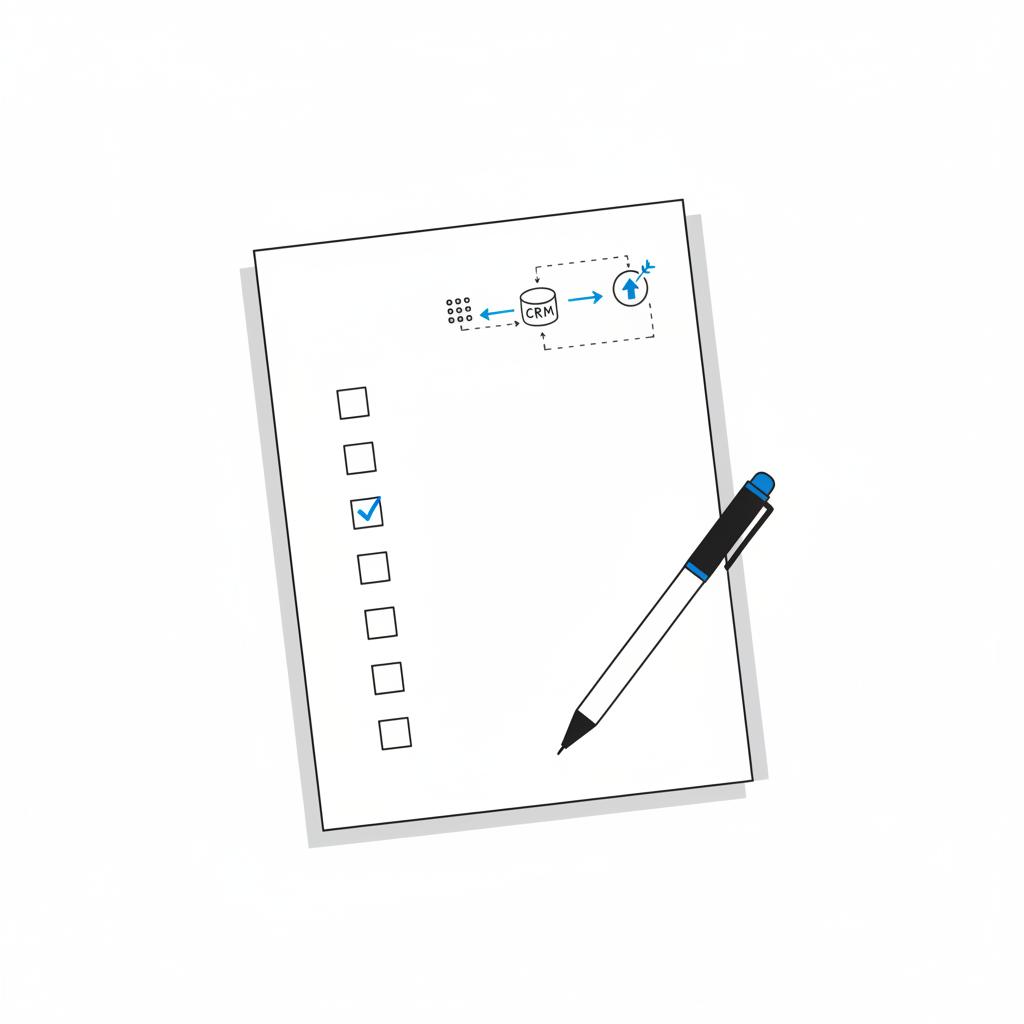
Checklist before you launch
Before turning spend on, confirm:
- Business account verified and two-factor authentication enabled.
- Geographic targeting limited to licensed jurisdictions.
- Age gating used where appropriate.
- Disclaimers in ad copy and landing page.
- Signed client consent for any client videos or testimonials.
- Creator agreements and disclosure language finalized.
- TikTok Pixel installed and privacy impacts reviewed.
- Approval log and audit trail created.
When to call a lawyer (and not the TikTok kind)
If your campaign tests a novel area – e.g., mass torts tied to a specific event, or outreach to people affected by trauma – get local counsel to pre-clear scripts and targeting. If a regulator reaches out, preserve records and consult counsel immediately.
Real-world examples (anonymized)
Example 1: A family law firm used broad educational clips about custody process and added age gating. Result: stronger brand recognition and steady calls for initial consults.
Example 2: A personal injury firm tried hyper-specific targeting after a local accident and got a regulatory inquiry for apparent solicitation. Fix: the firm paused the campaign, redesigned audience parameters and re-ran as an educational awareness campaign in the licenced county.
Ongoing compliance: keep learning and documenting
Both platform policies and professional rules change. Review ad templates periodically, maintain a clearance log and update consent forms when platforms add new formats. Small documentation steps now prevent big problems later.
Creative partnerships that work
Work with creators for reach, but keep your message controlled. Provide a one-page brief that lists do’s and don’ts and require creators to submit a rough cut for approval. Compensate fairly and ensure clear disclosure for any paid partnership.
Final practical points
Make your TikTok presence authentic, not sensational. People respond to clear explanations and humane language. A campaign that teaches something useful – and doesn’t promise a result – will earn trust and leads without risking discipline.

Sample compliance-friendly ad flow
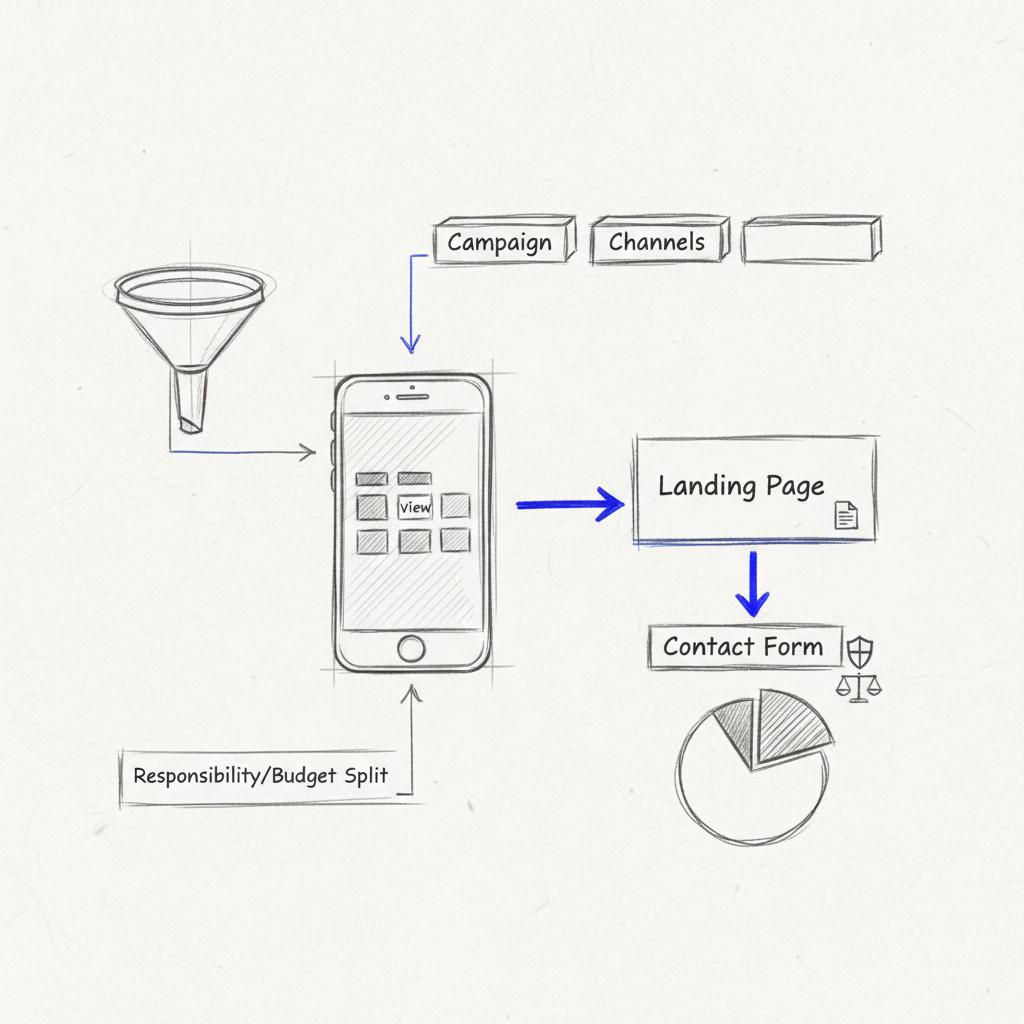
Ad view → short disclaimer overlay → educational clip → CTA to landing page → landing page with extended disclaimer, contact form → intake with question: “How did you hear about us?” → CRM tracks conversion.
Need templates and a compliance checklist for TikTok legal ads?
Get a compliance-ready checklist and templates today — make your legal ads work without the risk. If you want hands-on help building an approved workflow and ad templates that comply with regulations, reach out to Agency VISIBLE for a short consultation and practical starter pack.
FAQs — quick answers
Can lawyers advertise on TikTok?
Yes, when they comply with TikTok’s ad policies and the professional rules in their jurisdiction. Frame content as educational, include clear disclaimers, and avoid promising outcomes.
Do you need client consent to post a success story?
Absolutely. Obtain written consent that describes where and how the story will be used, how long it will run, and any rights to withdraw consent. Keep that consent filed with the post record.
What about influencer partnerships?
You can work with creators, but use written agreements, require clear disclosures and review any creator scripts for misleading implications. Compensated posts must be labeled as such.
Closing notes
Advertising on TikTok is possible and useful, but it doesn’t change your professional duties. With conservative targeting, truthful language and strong documentation — written consents, creator agreements and an approval log — TikTok can be a responsible and effective channel for legal outreach.
TikTok’s ad policies allow legal services advertising in many places, but national and local professional rules vary. You must follow both TikTok’s requirements and the rules of the jurisdiction where you’re licensed. When running cross-border campaigns, either follow the strictest applicable rule or restrict paid targeting to licensed areas.
Solicitation generally means a targeted attempt to obtain a client for a specific matter, often directed at a known person or a narrowly defined group. On TikTok, hyper-targeting to reach a small, identifiable audience or targeting an individual with a tailored ad can trigger solicitation rules in some jurisdictions. Use conservative, broader targeting and get local counsel if in doubt.
Yes. Agency VISIBLE offers practical templates, compliance-ready workflows and short consultations to help law firms create TikTok ads that respect platform policies and professional rules. For a quick onboarding call and starter templates, you can <a href="https://agencyvisible.com/contact/">contact Agency VISIBLE</a> and request a compliance pack tailored to your jurisdiction.
References
- https://ads.tiktok.com/help/article/tiktok-advertising-policies
- https://ads.tiktok.com/business/en-US/blog/guide-ad-policy-for-tiktok-creative
- https://www.tiktok.com/community-guidelines/en/regulated-commercial-activities
- https://agencyvisible.com/
- https://agencyvisible.com/projects/
- https://agencyvisible.com/contact/