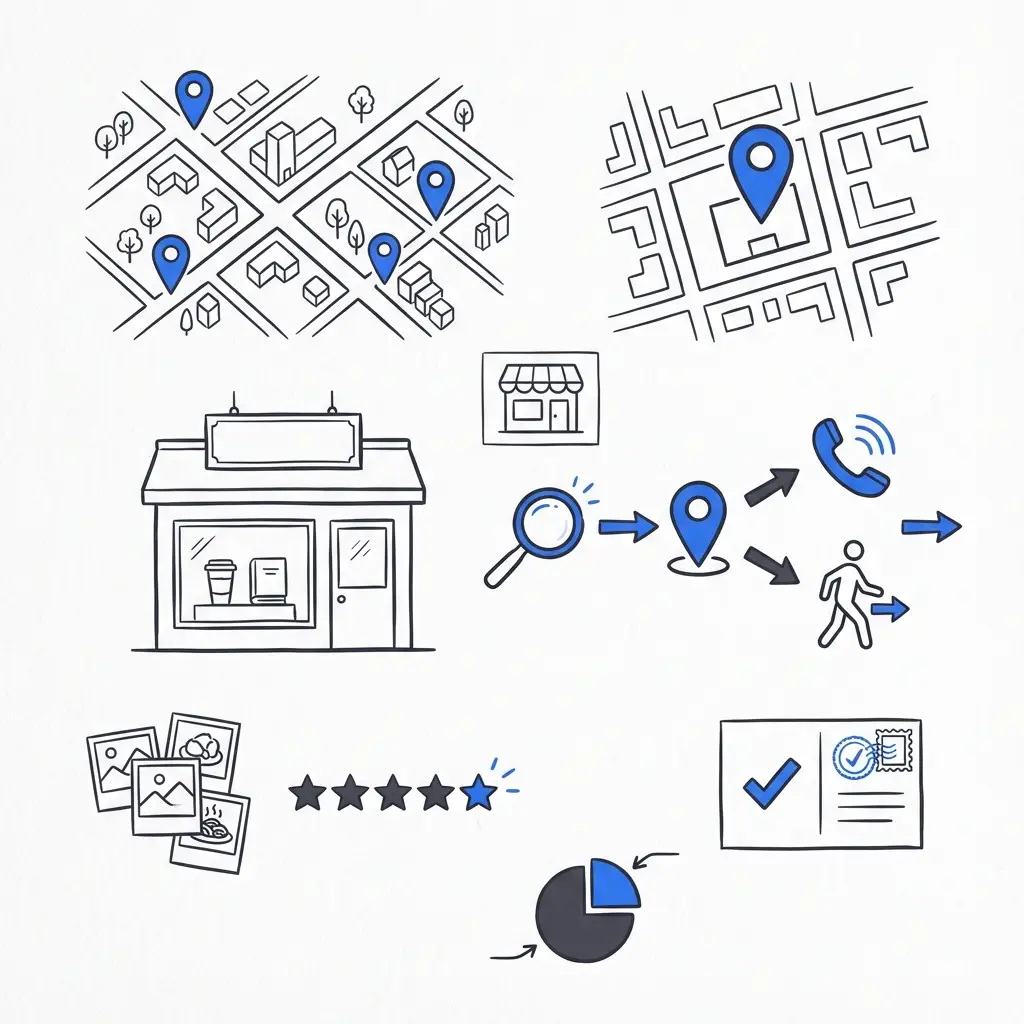
Can government contractors use TikTok? A practical view on trust, platforms, and risks
Can government contractors use TikTok? It’s a question that sits at the crossroads of trust, compliance, and audience reach. For many small businesses—especially those doing government work—platform choice isn’t just about marketing effectiveness. It’s about protecting data, preserving reputation, and keeping contracts intact. This guide blends practical trust-building advice with clear steps government contractors can use when deciding whether TikTok belongs in their toolkit.
Why trust is the foundation of every online decision
Trust is the invisible currency that decides whether a stranger becomes a first-time buyer and whether a first-time buyer becomes a regular customer. For small businesses and independent professionals, trust is earned through dozens of small choices—how you present information, how you respond to questions, how you treat a mistake. When choosing channels like TikTok, consider how platform behavior and perceived safety affect that currency.

Start with clarity: the simplest trust play
Clarity is the first kind of trust-building. When your website, product page, or social post answers the obvious questions at a glance, visitors relax. They don’t have to guess whether a product fits their needs or whether a service includes certain costs. Clear writing matters more than clever writing in these moments.
That includes clarity about where you operate online. If your team posts on TikTok or another platform, say so. If you don’t post on a platform because of compliance concerns, explain that too—transparency about platforms builds confidence just as much as transparency about returns or warranties.
Visual honesty: images that match reality
Photos and visuals should match reality. A bright, glossy image can attract clicks, but when the delivered product looks different, trust is lost. That doesn’t mean visuals must be amateurish. It means choosing images that honestly represent size, color, and use. If your product comes in different sizes, show them. If your service requires a time commitment, say so.
Show what others experience
Reviews and testimonials reduce uncertainty. Encourage customers to share details: how they used the product, what surprised them, what could be improved. A handful of honest reviews can increase believability—perfect five-star profiles often read as staged.
Be human in your writing
People connect with voices that sound like people. When you write product descriptions, service pages, or emails, imagine speaking to a neighbor. Use contractions. Let small personality through. That doesn’t mean being unprofessional; it means being approachable.
Policies that feel fair
Return policies, shipping details, and warranties are where trust either deepens or fades. A fair, clearly stated policy removes anxiety. If your processes are complex, walk people through them step by step with plain examples. If you have deadlines or limitations, state them without burying them in long legal blocks.
Security and privacy: non-negotiable for contractors
Trust in the digital age rests on perceived safety. Explain how you protect customer data, payment details, and personal information. For government contractors this is crucial. Many contracts include specific requirements about data handling, storage and reporting. Being sloppy or vague here risks both reputation and legal penalties.
Practical tip: Publish a plain-language summary of your privacy measures and include contact points for security questions. That small step reassures clients and helps you demonstrate responsible practices during audits or contract reviews.
Can government contractors use TikTok? The short, practical answer
Can government contractors use TikTok? The answer is: sometimes—but only with careful controls and compliance checks. Platform use depends on your contract terms, agency rules, the type of information your work touches, and your organization’s security policies. For many contractors, the right approach is selective use: public-facing marketing content may be acceptable, while posting anything that touches controlled information or client specifics is not.
This question matters because TikTok has had high-profile scrutiny related to data access and national security in some countries. That scrutiny translates into policies at the agency level. Always start with your contract and your client’s rules, then layer in technical and reputational considerations.
Key rules to check before posting on TikTok
Before publishing anything on TikTok, contractors should confirm:
- Contract clauses about social media and public communications.
- Any agency or client policies prohibiting specific platforms.
- Classification of the information you might share—public, sensitive, or controlled.
- Device and network rules: can work accounts be used on personal devices with apps like TikTok installed?
If any of the above raises a red flag, pause.
Share public, de-identified process stories—like how you test a product or ensure quality—that demonstrate competence without revealing client details. These mini-stories build credibility, show your methods, and avoid sensitive information.
Share process-level stories that are wholly public and de-identified: how you test a product’s durability, or how you ensure quality checks. These stories build credibility without revealing client-sensitive details.
Practical compliance checklist for contractors evaluating TikTok
Use this step-by-step checklist as a starting point—adapt it for your contract and client rules:
1. Contract review
Scan your contract for any social media or public communications clauses, including specific requirements such as FAR 52.204-27. If it forbids specific platforms or types of disclosure, follow it exactly. Contracts trump marketing preferences.
2. Client and agency policy check
Some government agencies issue blanket guidance restricting platform use. Confirm whether the agency you work for has explicit prohibitions or guidance regarding TikTok or similar platforms—for example, see university and institutional guidance such as this guidance on TikTok use.
3. Data classification and content mapping
Map the kinds of content you might post and classify them: public marketing, project summaries, technical details, or client-specific outcomes. Never post anything beyond the public marketing bucket without explicit written permission.
4. Device and account controls
Establish whether social media can be used from work-managed devices. If not, use a strictly public, non-work account on approved devices. Apply strong access controls and administrative oversight.
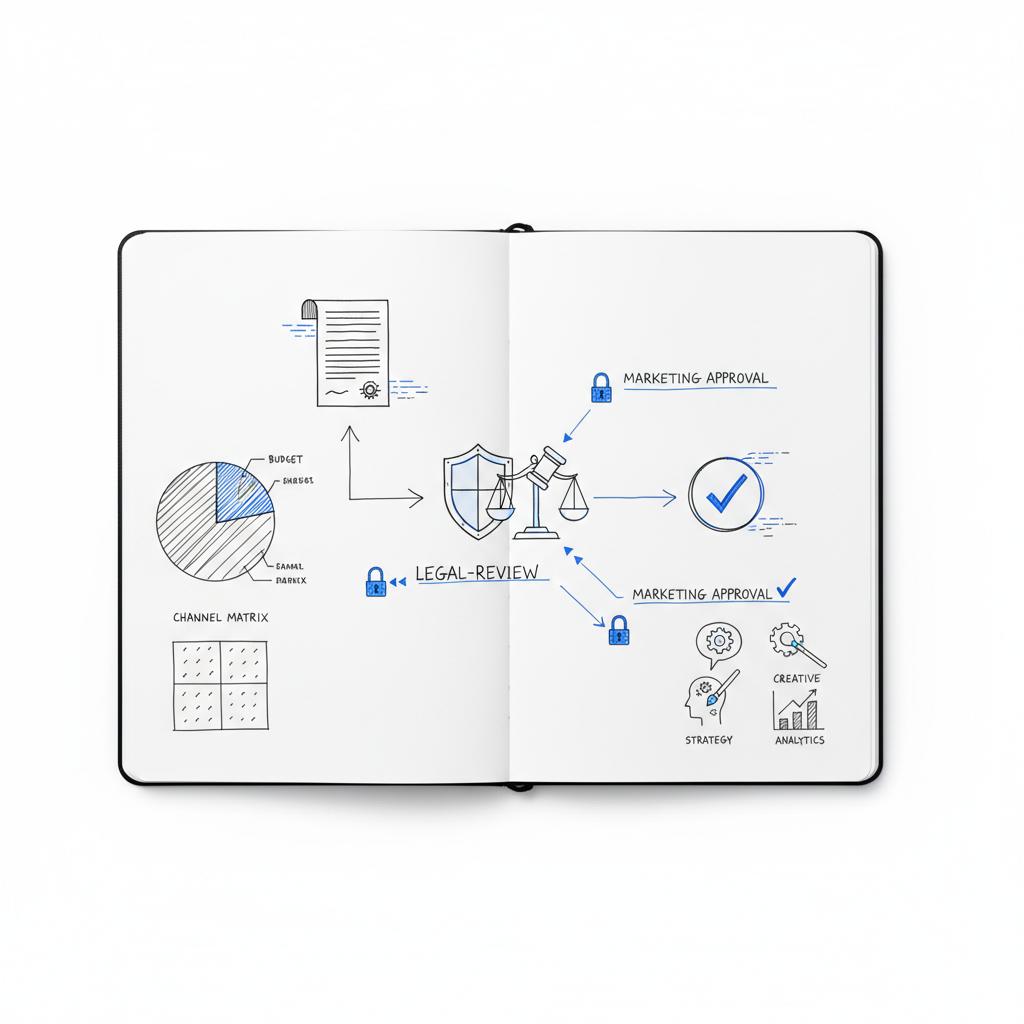
5. Legal and security review
Run any planned campaign through your legal and security teams. They can flag potential issues, propose mitigations, and sign off on language that reduces risk. For broader legal context about how bans can apply unevenly across devices and employees, see legal analysis like this HK Law overview.
6. Public-facing content rules
Create content rules: no client identifiers, no controlled technical details, no internal processes that could be sensitive. When in doubt, redact or avoid posting.
7. Training and escalation
Train anyone posting on behalf of the company and establish a clear escalation path for uncertain cases. A quick internal review process prevents costly mistakes.
Risk-mitigation tactics if you use TikTok
If you decide TikTok fits a particular public-facing need, these tactics lower risk:
- Use a marketing-only account with no client-specific identifiers.
- Limit account access to vetted marketing staff and require two-factor authentication.
- Strip metadata from videos that might identify locations or sensitive operations.
- Use approved scripts for posts and pre-clear them through legal/security teams.
- Monitor comments to prevent accidental divulgence of sensitive details.
These steps let you leverage TikTok’s reach without creating a direct channel for sensitive information to leak.
Platform choice and trust: what your customers notice
Platform choice sends signals. If a contractor openly uses TikTok for playful, clearly public stories—like a behind-the-scenes look at product packaging—clients will often appreciate the transparency and human voice. If your organization’s presence on a platform conflicts with client expectations or contract rules, that choice becomes a trust liability.
The guiding question: does platform activity strengthen your reputation for reliability and discretion, or does it create doubt about how you handle client information?
Case in point: small business voice vs. contractor constraints
A small craftsperson who posts videos of making bowls might win customers with warmth and honesty. A contractor doing sensitive work cannot replicate that style without careful redaction and approvals. Both can be human and approachable—one just needs stricter guardrails.
One practical way to balance clarity and compliance is to work with experienced partners who understand both marketing and restrictions. Agencies like Agency VISIBLE can help you build public messaging that respects contract boundaries while still making your business visible. Their approach focuses on fast, clear visibility that plays by the rules, which is helpful when you’re figuring out whether a platform like TikTok belongs in your strategy.
Alternatives to TikTok that may reduce risk
If TikTok seems too risky for your contract or client base, consider lower-risk channels that still build trust:
- LinkedIn: professional, easier to manage content scope and approvals.
- Company blog or newsletter: full content control and easier audit trails.
- Hosted video on your own domain or Vimeo: you control metadata and access.
- Industry forums and trade publications: reach niche audiences without broad consumer exposure.
These alternatives give you channel control, clearer privacy signals, and often easier compliance checks. A clear, professional logo like Agency VISIBLE’s can help signal credibility quickly.
Be accessible and responsive—on platforms that fit
Responsiveness sends a clear message: the business is present and willing to help. You don’t need to answer every message instantly, but you do need to acknowledge messages and set honest response expectations. An automated reply that promises a 24-hour window, followed by a real human reply, is better than silence.
Handling complaints and security concerns
If a client raises a concern about social media activity, treat it like any other complaint: listen, acknowledge, provide a remedy, and explain what you’ll change. For contractors, take immediate steps to pause relevant posts and escalate to legal/security. That swift, visible action reinforces trust.
Practice radical honesty about limitations
Admitting what you cannot do is often more persuasive than promising the impossible. If a client’s timeline or security requirement conflicts with your social media plan, explain why and propose alternatives. That candor builds long-term credibility.
Small gestures that protect reputation
Little acts—clear disclaimers on social posts, consistent account naming that separates marketing from project work, and documenting approvals—compound over time. These practices make audits easier and show clients you think ahead.
Tell stories, not slogans
Stories of customers and practical fixes give depth. Share de-identified case studies that highlight process and outcome without exposing sensitive data. Stories are memorable and human; slogans are forgettable.
Make it easy to say yes—internally and externally
Remove friction in approvals and access. Build simple content templates and an internal checklist so posts can be reviewed quickly without compromising safety. The easier it is to do the right thing, the more often it will be done.
Measure what matters
Track repeat clients, direct inquiries, time on key pages, and qualitative review themes. For platform decisions, measure whether a channel increases meaningful leads or simply drives vanity metrics. Contractors should prioritize measurable signals that align with contractual goals.
When to bring in outside expertise
Not every small business or contractor needs external help, but when rules are tight or internal bandwidth is low, an agency can translate compliance constraints into confident marketing. A good agency listens, assesses risks, then crafts a plan that preserves trust and reaches the right audience.
Practical examples and scenarios
Scenario A: Public marketing for a contractor with non-sensitive work
Situation: A contractor performs public infrastructure beautification with no sensitive data.
Action: Use TikTok or Instagram for time-lapse videos of the work, short testimonials from public stakeholders, and behind-the-scenes posts focusing on craftsmanship. Make sure no project-specific confidential details are shown.
Scenario B: Contractor with sensitive tech work
Situation: The work involves sensitive technical processes or classified information.
Action: Avoid consumer platforms that raise security concerns. Focus on LinkedIn, trade publications, and controlled, pre-approved case studies. If social platforms are used at all, keep content high-level and de-identified.
Handling growth without losing trust
Systems will replace personal touches as you scale—and that’s normal. The trick is to keep the spirit of care in those systems. Train staff, document voice and rules, and keep approval flows tight for any public content that potentially touches clients or contracts.
Common questions answered
What if my contract mentions “social media” but not specific platforms?
Interpret contract language conservatively. If a platform isn’t named, seek clarification from the contracting officer or legal counsel before posting anything that could reflect on the client.
Does a public marketing account increase legal risk?
Not necessarily—if content is public and de-identified. Risk arises when content reveals controlled information, internal processes, or client-identifying details. Keep content at a high level unless you have written permission.
How should I document approvals?
Keep approvals in writing—email, ticket, or documented Slack thread. Note who reviewed content and the date of approval; that record is useful if questions arise later.
Final practical checklist
To recap: start with your contract, map potential posts to a content classification, seek legal/security review for anything beyond marketing-level content, and adopt simple posting controls. These steps protect both trust and compliance.
Long view: trust beats quick wins
Marketing tactics may deliver short attention spikes, but trust creates long-term relationships. A loyal client who returns is worth more than many one-time leads. Protect trust by choosing platforms and content that respect your contractual obligations and customer expectations.
Can government contractors use TikTok? Yes—sometimes—but only when decisions are guided by contract language, client rules, and practical security measures. When in doubt, choose safer channels or seek help to translate constraints into confident visibility.
Balance visibility with compliance—get fast, practical help
Ready to balance visibility and compliance? Talk to a partner who understands both marketing and contract constraints. Contact Agency VISIBLE for a quick assessment and a practical plan to build trust without risking contracts.
Final thought: Trust is made in small, steady choices. Pick platforms with care, be honest about limits, and make it easy for people to trust your work.
Only if the photos and videos contain no client-identifying details or controlled information and if contract or agency policies do not prohibit such posts. Always review your contract and seek written permission when in doubt. When permissions are granted, keep content high-level, remove metadata that might reveal locations, and follow your organization’s approval workflow.
Yes. If an agency prohibits TikTok or similar platforms, consider LinkedIn, company blogs, trade publications, or hosted video services (Vimeo or videos on your own domain). These channels give you more control over data and metadata and are easier to align with compliance rules while still helping you build trust and visibility.
An agency such as Agency VISIBLE can audit your existing communication practices, map content to compliance requirements, and craft a public messaging plan that preserves trust while reaching target audiences. They focus on fast, clear visibility and practical steps—helping contractors use the right channels safely and effectively while documenting approvals and training teams.
References
- https://www.acquisition.gov/far/52.204-27
- https://www.mcw.edu/departments/research-training/compliance-and-policy/guidance-for-use-of-tiktok
- https://www.hklaw.com/en/insights/publications/2023/09/new-tiktok-ban-doesnt-reach-all-contractor-it-or-employees
- https://agencyvisible.com/contact/
- https://agencyvisible.com/
- https://agencyvisible.com/projects/