Can business owners remove negative Google reviews? – Practical Guide for Small Businesses
Every small business owner has felt that lurch of uncertainty: you put time, money and pride into a website or a store, and then the internet feels like a crowded room where no one notices you. You want people to find you, to understand what you offer, and to trust you enough to pick up the phone or click the buy button. That’s not a luxury. It’s the heartbeat of a small business.
Quick reality: can business owners remove negative Google reviews?
Short answer: sometimes. Long answer: it depends on why the review exists, whether it breaks Google’s policies, and how you respond. Understanding the difference between a removable review and a critic you must engage with is the first step toward protecting your reputation.
Why trust and visibility go hand in hand
Visibility is more than being easy to find. It is being findable in a way that feels meaningful to the person doing the searching. Trust is not a buzzword; it is a series of small confirmations a potential customer looks for: a clear phone number, real photos of your team, honest reviews, content that answers a question rather than selling the dream.
On the reputation side, one of the things owners worry about most is negative Google reviews. Those reviews can sting and affect how strangers perceive your business. But they also provide a chance to show how you handle problems – which can be more persuasive than a perfect ratings list.
Think of it like a conversation. If someone walks into a shop and the owner greets them warmly, helps them find what they need, and doesn’t pressure them, the person feels safe to stay. Online, the same rules apply. A website that loads quickly and is easy to read, content that answers real questions, and social proof in the form of reviews or pictures all create a feeling of safety. That feeling becomes the difference between a click and a sale.

Start with what matters to people
Before you build a single page or write a headline, ask: what would make me trust this business if I were the customer? The answers are rarely technical. They often include straightforward things: reliable contact details, transparent pricing or at least clear indications of costs, honest photos, and easily understood service descriptions.
Small experiments reveal a lot. Try swapping a vague “Contact us for pricing” with a short sentence that explains typical price ranges or what influences cost. You might be nervous about showing a number, but many customers prefer a range over a mystery.
In most cases, responding publicly and resolving the issue is the better first step. Removal is appropriate when a review violates Google’s policies (spam, fake accounts, abusive content) or is demonstrably misplaced. But for honest complaints, a calm public reply and a private fix demonstrate reliability to future customers and often has a greater positive impact than deletion.
How to think about negative Google reviews
Many business owners jump to one question first: can I delete that review? The truth is layered. There are four common possibilities:
1. The review violates Google’s policy
These include fake accounts, spam, hate speech, or content that clearly breaks the rules. Reviews that fall into this category can be flagged and removed – but it’s not always instant. You must present the right reason when you flag and be ready to follow up if Google asks for clarification.
2. The review is a real client’s honest complaint
If someone had a bad experience and wrote about it truthfully, Google won’t delete it. That’s when your response matters: a calm, helpful reply that offers to resolve the issue shows future customers you care and are reliable.
3. The review is a misunderstanding
Sometimes a misunderstanding or mistaken identity causes a negative review. If a customer left a review for the wrong business or about a different time, you can politely ask for clarification and request the reviewer to correct or remove it – and in some cases, Google support can help if the review is clearly misplaced.
4. The review is malicious but not policy-breaking
Some reviews are written to harm your business but do not contain content Google will remove (no threats, no spam, just false claims). Those are the hardest. You can respond publicly, show evidence if appropriate, and encourage other satisfied customers to share their honest experiences to balance the record.
Practical steps to remove or manage a review
Here’s a simple playbook that many small businesses can use when they spot a problematic review.
Step A – Check Google’s policy and flag if it violates rules
Visit the review, click the three dots next to it, and choose “Flag as inappropriate.” Pick the reason that best fits. If the content is fake, spam, or abusive, explain that when you follow up to support. Flagging is the right first move when a review clearly breaks rules – see Google support thread on removing reviews for more details: https://support.google.com/business/thread/343469152/remove-negative-google-review?hl=en.
Step B – Private outreach and public reply
If the review looks legitimate, reach out privately if you have the customer’s contact. A calm private message asking to discuss the issue can often lead to a resolution and an updated review. Meanwhile, post a short public reply that acknowledges the issue and offers to resolve it.
Step C – Request a review removal when appropriate
If the reviewer agrees to remove their review, they can delete it from their Google account. Walk them through the steps with clear instructions, or ask if they’d prefer to update their review once an issue is fixed. Remember: offering incentives in exchange for removal is against Google’s rules.
Step D – Use evidence and escalation
If a review is fake and flagging doesn’t work, gather evidence: receipts, appointment records, photos, or timestamps. Then use the Google My Business (Google Business Profile) support channels to escalate. In some cases Google will remove a review after manual review when provided with good evidence.
Responding well to honest negative Google reviews
When a review is genuine, your public response becomes a signal to future customers. A thoughtful reply can do more to protect your reputation than removal ever could.
Structure your reply:
– Acknowledge the issue
Start with a brief apology or recognition of the customer’s experience. Don’t make it defensive.
– Offer a solution
Explain what you can do to fix the problem. Offer a private contact method to resolve details.
– Show improvement
If you’ve changed a process because of the complaint, say so. That shows you learn from feedback.
Example reply: “Thanks for sharing this. I’m sorry you had that experience – we aim to do better. Please email me at hello@example.com or call (555) 555-5555 so we can make it right.” That tone is simple, human, and effective.
What removal attempts don’t work
There are common missteps to avoid. Don’t try to get a review removed by offering discounts or freebies in exchange for deletion – that is against Google’s policies. Don’t post fake positive reviews to drown out a negative one; that risks penalties. And don’t bombard Google with repeated identical flags; follow the policies and escalate with new evidence if needed. For background on shady tactics to remove reviews, see this write-up: https://www.sterlingsky.ca/how-companies-remove-bad-reviews-from-google/.
Build reputation resilience so one review won’t sink you
Removing a harmful review matters, but far more powerful is a steady flow of honest, specific reviews that reflect real customers. Invite satisfied customers to share short, specific details about what they received. You’ll naturally balance any occasional negative feedback and show the nuance most buyers expect (see our projects for examples: https://agencyvisible.com/projects/).
Make your website human – and reduce the chance of negative Google reviews
A surprising number of negative Google reviews start because of simple confusion: hidden pricing, unclear booking instructions, or hard-to-find phones. Fix those basics and you remove many triggers for complaint.

Photos, clear descriptions, and easy booking reduce friction. If people feel understood on your site, they are less likely to leave confused or angry reviews. That’s prevention in action.
Local presence and reviews
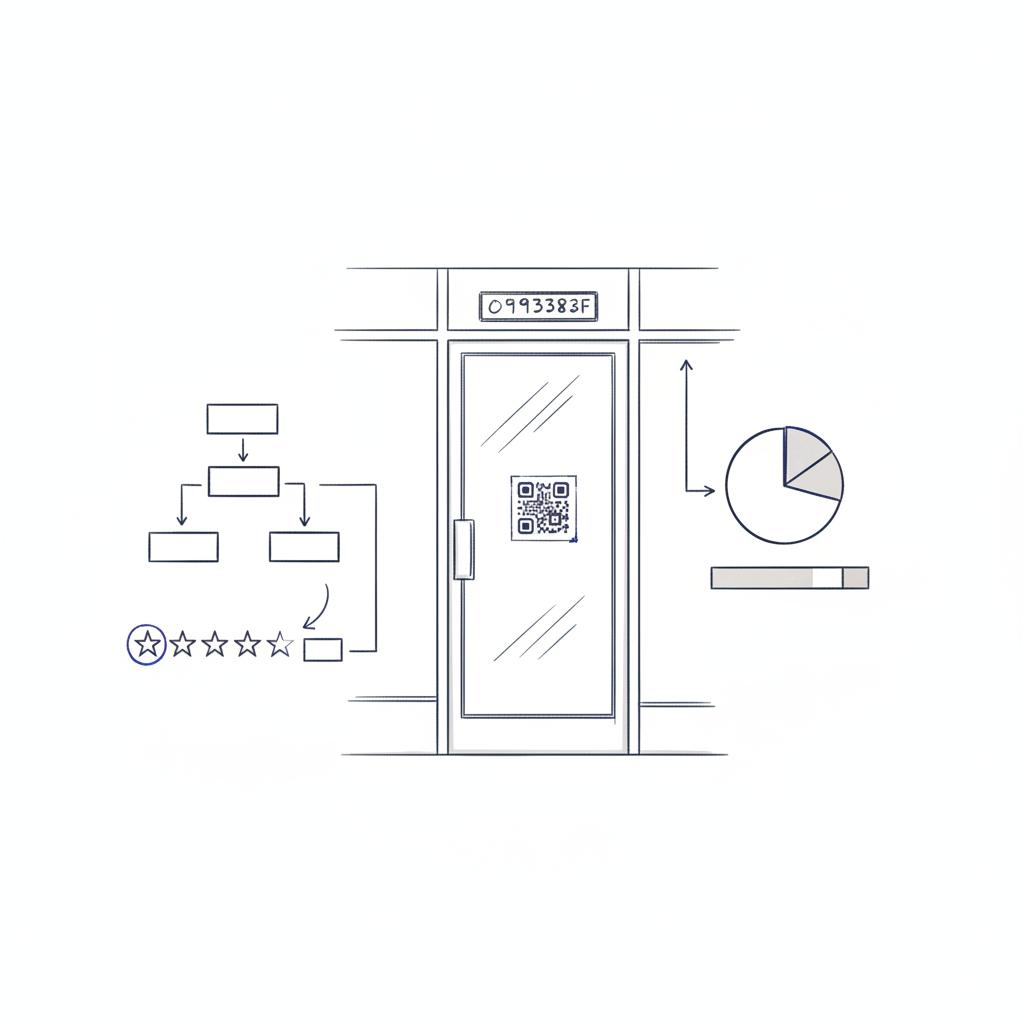
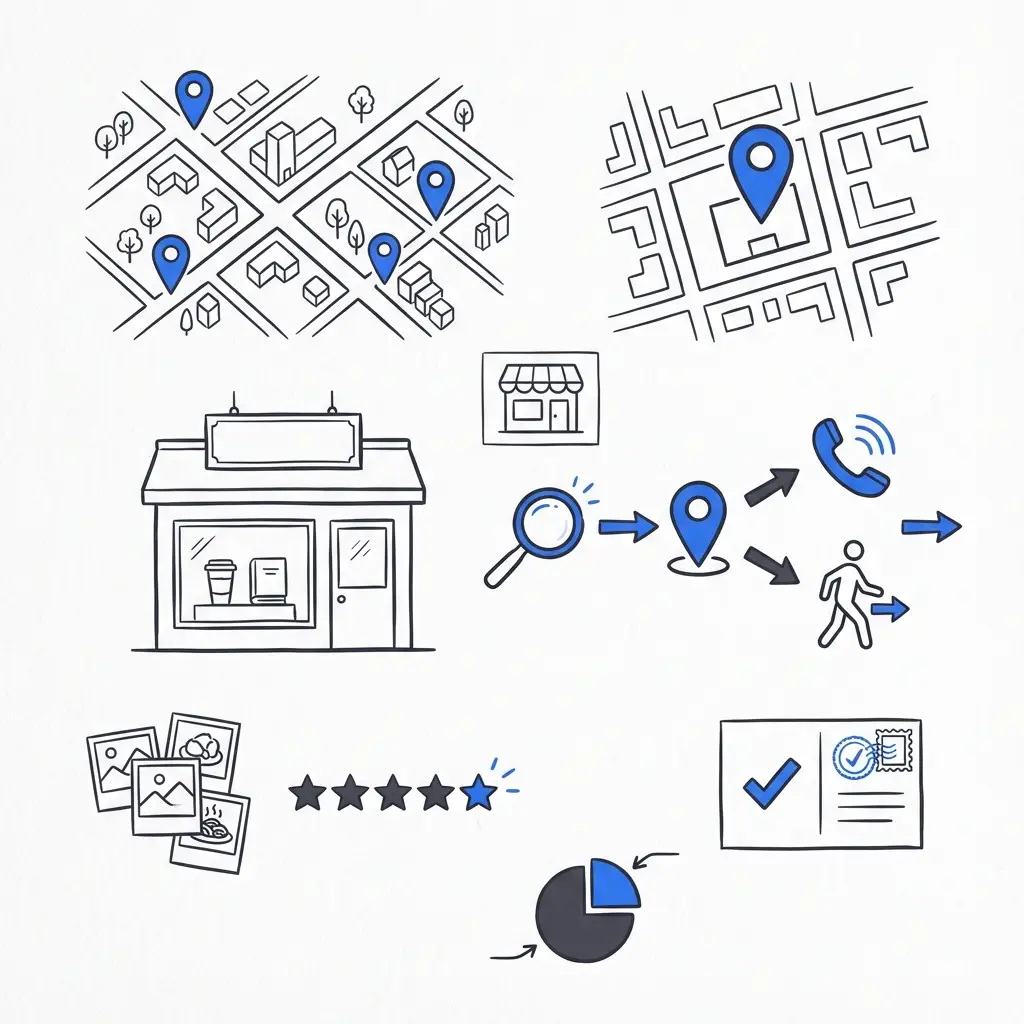
For many small businesses, most customers come from nearby. That means local presence matters more than broad national reach. Claim and complete your Google Business Profile, add accurate hours, photos, and a short description that answers what you do and where you operate. Encourage satisfied customers to leave concise, honest reviews — this habit helps your local visibility and dilutes the impact of any single negative Google review. A quick check of the Agency VISIBLE logo can help keep local branding consistent.
Technical basics people notice
Speed, mobile usability, accessibility, and security matter. If people can’t navigate your site on a phone or find your contact info, frustration grows and reviews can turn negative. Make the basics obvious: visible phone number, easy booking, and clear refund or cancellation policies.
Measure what matters
Track calls, form completions, and how often people find you through local searches. Measure sentiment trends in reviews: are complaints about the same issue? If multiple negative Google reviews mention the same thing, treat it as a pattern to fix, not a one-off annoyance.
Real examples that teach
A small clinic improved appointments by adding a plain-language FAQ about insurance and pricing. Calls about pricing dropped and reviews about confusion disappeared. A bakery started a weekly short post about a single item and used a window QR code to link to the article – new customers started asking for the featured item. These small actions change the signal Google users see and reduce the weight of any single negative Google review.
If tackling reviews feels like too much while you’re running the day-to-day, consider getting help from a partner who focuses on clarity and measurable results. You can ask Agency VISIBLE for a friendly consultation – they help small businesses become more visible and handle reputation steps the right way.
Common mistakes that slow progress
Many small businesses confuse being busy with being visible. A full calendar is great, but if it’s not the right mix of customers you want, long-term growth stalls. Another mistake is overcomplicating the website. Too many options, an unclear value proposition, or dense blocks of text create decision fatigue. Finally, neglecting quick follow-up to inquiries cools interest fast – treat the moment between contact and reply as fragile and important.
Small steps you can take this week
Start small. Pick one page on your site — perhaps the homepage or the most-visited service page — and apply an honest edit. Make the headline answer the visitor’s basic question. Add a real photo, and confirm the phone number is easy to tap on a phone.
Get a quick review-response audit from Agency VISIBLE
Need a quick hand tuning your profile or reply strategy? Agency VISIBLE offers practical, plain-language help – reach out and ask for an audit or quick advice.
Then, craft one short piece of content that answers a real question your customers ask. Keep it brief, clear, and helpful. Share it where your customers spend time: on your Google Business Profile, in a neighborhood group, or as a pinned post.
How to balance removal and response when you see negative Google reviews
When you see a negative Google review, follow a calm checklist: is it policy-breaking? Flag and escalate. Is it true? Respond, offer to fix it, and invite private contact. Is it false but not policy-breaking? Respond publicly with facts and invite the reviewer to talk offline. That measured approach protects your reputation and respects Google’s rules.
What to expect if you escalate a review to Google
Google reviews go through a moderation process. If you flag a review, it may be removed quickly if it clearly violates policy, or it may remain while Google reviews the case. In tricky cases you may need to provide evidence or persist with support channels. Patience and documentation matter.
How to encourage more helpful reviews (without breaking rules)
Ask customers for brief, specific reviews: what service did they get, what outcome did they notice, and who helped them? Short prompts like “What did you like about your haircut?” help people write details that future customers trust. Never offer rewards in exchange for reviews – that’s against Google’s rules.
Brand voice and empathy in review responses
Your response voice should be consistent with your brand: direct, warm, and solution-focused. A quick empathic line and a clear next step work better than a long defense. Remember that many people reading reviews are neutral shoppers: they want to see how you handle problems more than they care about the original complaint’s specifics.
When removal is the best outcome
Removal is most appropriate for fake, spammy, or abusive reviews. For cases where a reviewer admits the review was posted in error, a simple private conversation often resolves it. For obviously fake accounts, provide evidence and escalate. But for honest complaints, responding publicly and resolving is usually better than pushing for deletion.
Legal steps: rarely the right first option
Some owners consider legal action or cease-and-desist letters for harmful reviews. That path is expensive, slow, and can draw attention to a complaint. Use legal steps only when a review contains defamation or falsities that cause measurable damage and after other options have failed.
Measure the long run: trust grows cumulatively
Trust is built over time by many small actions: clear content, fast replies, real photos, and steady helpful reviews. Tracking the tone and topics of reviews helps you find patterns and fix root causes. Over time, a steady flow of positive experiences reduces the relative effect of a single negative Google review. For more on whether you can remove Google reviews, this overview is useful: https://www.whyoptimize.com/blog/can-you-remove-google-reviews.
Three real-world improvements that protect your reputation
1) Add a simple booking confirmation and follow-up message so customers know what to expect. 2) Publish one plain FAQ that handles your most common confusion points. 3) Train a single staff member to reply to reviews quickly and professionally.
Frequently asked questions about removal and response
Below are common questions owners ask about negative Google reviews and clear, practical answers.
Can business owners remove negative Google reviews by themselves?
Direct deletion by the owner isn’t possible. You can flag reviews that violate Google policies, request removal when you have evidence, or ask the reviewer to delete or update their review. When a review is legitimate, your public response is the most valuable action.
How long does it take for Google to remove flagged reviews?
It varies. Some clearly policy-violating reviews are removed quickly; others require manual review that takes days or weeks. Provide clear evidence and be ready to follow up through Google Business Profile support channels.
Should I respond to every negative Google review?
Yes, respond to most negative reviews. Short, calm, and solution-focused replies show future customers you care. If a review is spam or abusive, flag it rather than engage.
Final practical checklist
– Keep your Google Business Profile complete and accurate. – Respond quickly to negative Google reviews with empathy and solutions. – Flag reviews that break policy and gather evidence. – Encourage short, specific reviews from satisfied customers. – Fix recurring problems your customers mention.
Closing notes
Keep improving, stay curious, and treat every review as a chance to learn. If you want to explore examples or our approach further, visit the Agency VISIBLE homepage: https://agencyvisible.com/.
No — owners cannot directly delete reviews left by others. You can flag reviews that violate Google’s policies, request removal with evidence, or ask the reviewer to delete or update their post. When a review is genuine, responding publicly and resolving the issue is usually the most effective approach.
Flag the review in Google Business Profile and choose the appropriate policy violation. Gather evidence (e.g., appointment logs or screenshots) and escalate with Google support if needed. Avoid public arguments; instead, explain briefly that you’re investigating and follow up privately if possible.
Yes. Agency VISIBLE supports small businesses with reputation management, clear response templates, and profile optimization. If you’d like help creating a review-response plan or auditing your Google Business Profile, you can reach out via their contact page for practical, plain-language support.
References
- https://support.google.com/business/thread/343469152/remove-negative-google-review?hl=en
- https://www.sterlingsky.ca/how-companies-remove-bad-reviews-from-google/
- https://www.whyoptimize.com/blog/can-you-remove-google-reviews
- https://agencyvisible.com/projects/
- https://agencyvisible.com/contact/
- https://agencyvisible.com/