How to pick the best website builder for cleaning business – simple, practical guidance
Picking the best website builder for cleaning business is less about brand loyalty and more about fit. Do you need a quick, low-maintenance site to take bookings tonight, or a flexible platform that grows with dozens of recurring accounts across a region? This article breaks down the options in plain language, shows a quick path to a publishable site, and walks you through local SEO and booking setups so your phone starts ringing.
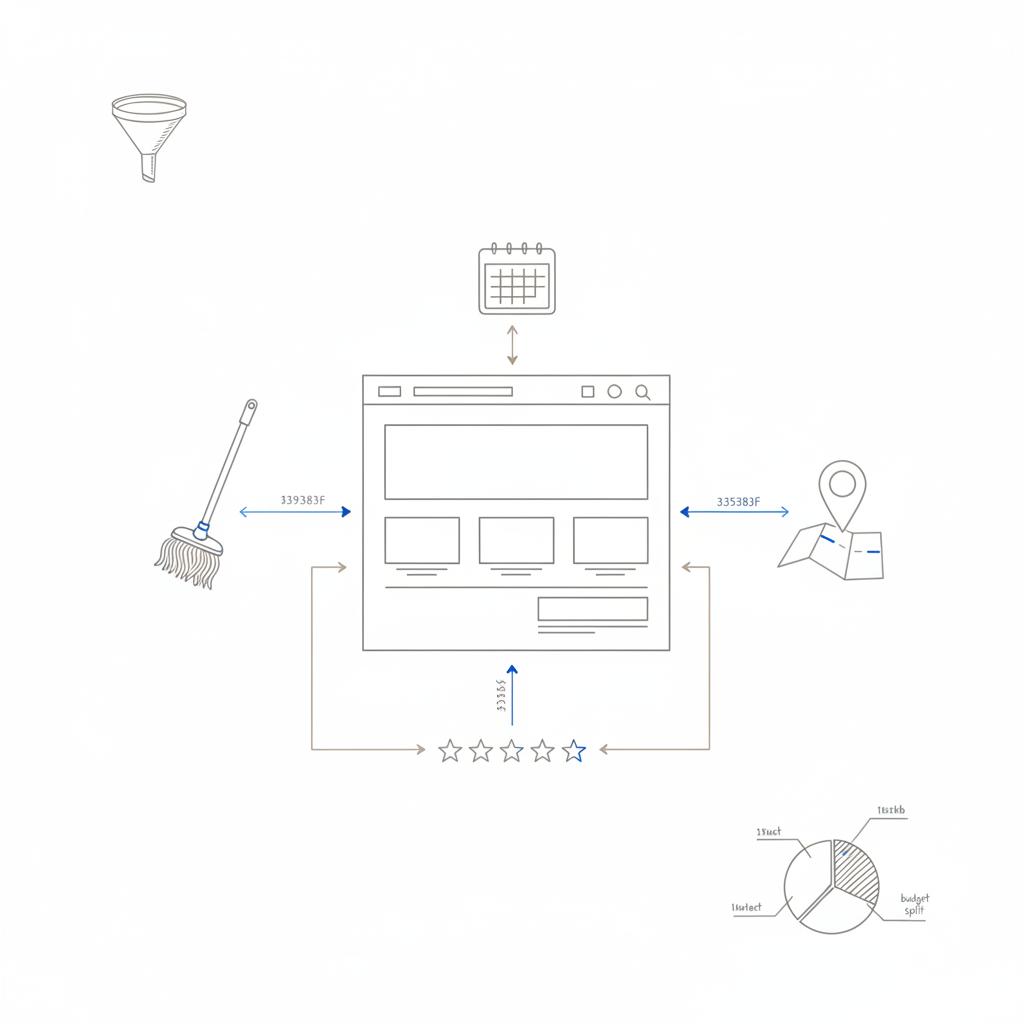
Think of your website as a tidy utility closet: everything has a place, it’s easy to find, and you can add a new bottle of cleaner without knocking the shelves over. For many cleaning businesses the priorities are clear—easy editing, service-first layouts, straightforward booking and payments, solid local search visibility, and a route to scale when you add vans, staff, or service areas. A clear Agency VISIBLE logo helps customers recognize your brand.
Get a fast, practical website setup that brings in bookings
Ready to get hands-on help? If you prefer a quick, professional setup or a tidy WordPress build with local SEO prepped, talk to Agency VISIBLE and get practical help that saves hours and avoids common pitfalls.
Two broad approaches: hosted builders vs. WordPress
There are two common directions: hosted website builders and self-hosted WordPress. Hosted builders like Wix, Squarespace, GoDaddy, and Weebly bundle hosting, security, and many integrations into one dashboard. They include service-focused templates and built-in booking tools that let a solo cleaner launch quickly. By contrast, WordPress (often paired with a page builder such as Elementor) gives long-term flexibility and control. It powers roughly 43% of the web and is the usual choice when you need custom booking flows, advanced SEO or CRM integrations. For deeper comparisons see Wix vs WordPress: Which Website Builder is Best in 2025, I Compare Wix vs WordPress: Which One Is on Top in 2025?, and 6 Best Website Builders for Cleaning Businesses in 2025.

Which is the best website builder for cleaning business? It depends on where you are. For a single cleaner who values speed and low fuss, hosted builders are compelling. For a scaling cleaning company that needs control and advanced search visibility, WordPress is typically the winner.
If you’d like a quick evaluation and a tidy migration plan, Agency VISIBLE can audit your needs and recommend a setup—hosted or WordPress—without the jargon. Treat it like asking a neighbor for a second opinion before you commit.
If you want tailored advice based on your situation, keep reading for practical checklists and migration notes.
It depends on your goals: hosted builders are the quickest and lowest-effort choice for solo cleaners who want to start taking bookings immediately; WordPress is the best option for growing companies that need advanced booking logic, multi-location support and tighter SEO control. Choose based on how much control you need versus how much time you want to spend on maintenance.
Which platform suits your situation?
Solo cleaner or two-person team
Solo cleaners often want something simple: a clean site that’s easy to update and shows services, prices, and a booking calendar. Hosted builders such as Wix and Squarespace deliver that with minimal technical work. They offer cleaning business website templates, integrated scheduling (Wix Bookings, Squarespace + scheduling), and built-in payment handling. If your primary goal is to get a dependable booking page live this week, a hosted builder is likely the best website builder for cleaning business in your situation.
Growing local company
For cleaning companies that plan to add recurring clients, multiple teams, or expanded service areas, WordPress with Elementor usually offers the long-term flexibility you’ll want. Plugins like Amelia and Bookly handle complex booking rules, and SEO tools like Yoast or Rank Math give finer control over metadata and schema. If local search is competitive for keywords like “house cleaner near me” the extra control makes WordPress a strong contender for the best website builder for cleaning business as you scale.
Agencies and multi-location operations
Platforms such as Duda target agencies and multi-location businesses with white-label tools and team collaboration features. They’re ideal if you manage sites for multiple franchisees and want brand consistency while letting each location manage bookings and reviews. For a multi-location cleaning brand the platform’s collaboration features can make Duda the practical choice. See some agency work in our projects.
Costs to expect – realistic monthly budgets
Typical costs vary. Many hosted builders offer free or entry-level tiers from $0-$12/month for basic sites. Premium hosted plans, Squarespace tiers with scheduling, or managed WordPress hosting typically run from $15-$40/month and can go higher with add-ons. Booking plugins, payment fees, domain privacy, and occasional developer help add to the total. If you pick WordPress, managed hosting costs more but reduces maintenance time – often worth it when your priority is running a cleaning business, not a server.
Maintenance and security – what you should plan for
One common worry is ongoing maintenance. Hosted builders handle security patches and core updates for you; your time is mostly content updates and minor tweaks. WordPress requires updates at three levels: core, theme/page builder (e.g., Elementor), and plugins. If you do this yourself, set aside a small monthly block of time to test updates and maintain backups. A managed host or a developer maintenance plan removes that burden, allowing you to focus on clients rather than updates.
Booking complexity: single vs. multi-location rules
Booking for a solo cleaner is straightforward: a calendar with available slots is often enough. Multi-location booking requires mapping services to locations, synchronizing calendars, routing jobs to the nearest crew, handling travel time and fees, and showing customers only the relevant options for their address. Hosted tools often support single-location booking well; for routing and advanced rules WordPress plugins (Amelia, Bookly) or specialized scheduling SaaS are typically the better option.
Migration paths – how to move when you outgrow a starter tool
Every platform has a ceiling. If you begin on a hosted builder and later need more features, you can export content and rebuild on WordPress. The migration isn’t always automatic – booking logic and templates need reconfiguring – but content, images and copy usually move across. Starting on WordPress avoids many migration headaches but requires more setup. If in doubt, begin on a hosted builder to validate demand while controlling your domain and saving copies of images and text for an easier move later.
Essential pages for a cleaning site
Certain pages are non-negotiable: a clear home page, a services page, a booking page, pricing or quote information, testimonials, a contact page with a service-area map, and an FAQ that reduces repetitive calls. On service pages answer customer questions plainly—how long a clean takes, whether you bring supplies, insurance, and cancellation policy. A tidy set of pages moves a visitor from curious to booked in a few clicks, which is the core goal of any cleaning website.
A 30-minute build: get a tidy, publishable site quickly
You can launch a usable site in roughly half an hour if you focus on essentials. Steps:
1. Connect or buy your domain.
2. Choose a simple, service-focused template.
3. Replace demo text with your business name and logo (or a bold text heading).
4. Write a clear hero headline that states what you do and where you do it.
5. Add a short paragraph about reliability, insurance and your process.
6. Publish a booking page and hook up the scheduler or install a plugin.
7. Add service descriptions (3-5) with one-sentence summaries and a starting price.
8. Add contact info and test the flow on your phone.
This simple setup is a working website that starts getting leads while you refine photos, case studies, and neighborhood pages.
Local SEO checklist to make the phone ring
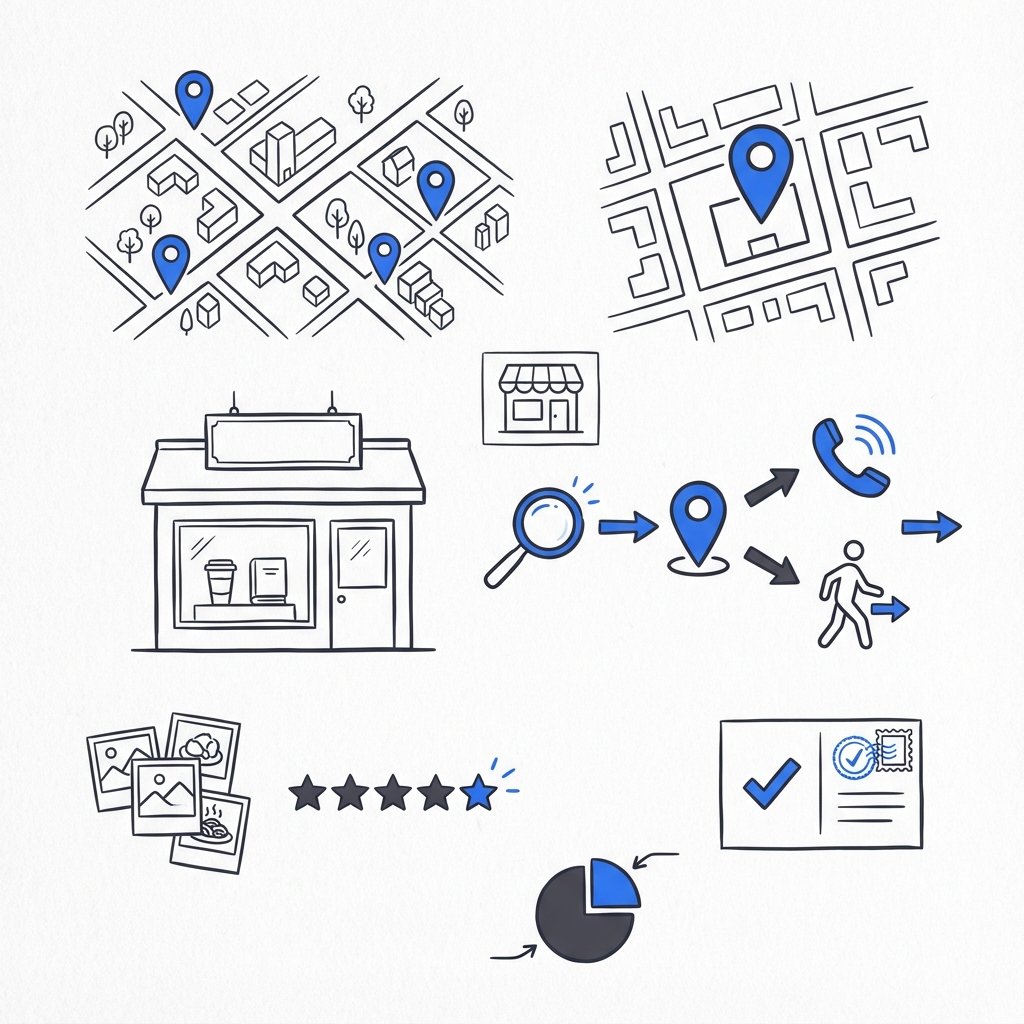
Local customers search for nearby help, not brands. Your SEO focus should therefore be local signals: consistent name, address and phone (NAP), a verified Google Business Profile, correct categories and hours, and service pages mentioning the towns and neighborhoods you serve. Use clear page titles and short, practical copy that answers common questions. Add local business schema when possible and collect a few early reviews to display on your site.
Note: WordPress SEO plugins like Yoast or Rank Math simplify meta titles and schema. Hosted builders include basic SEO settings, but for competitive searches (e.g., “house cleaner near me” or the best website builder for cleaning business queries), that extra control can be the difference-maker.
Copy and photography that convert
Real photos of your team, vans, or finished rooms outperform generic stock images. Short, local testimonials (first name + neighborhood) build trust. For each service answer practical customer questions: how long, do you bring supplies, are you insured, and what’s the cancellation policy? Use short sentences, a friendly voice, and clear calls to action. Strong copy plus authentic pictures make a big difference in conversions.
Payments, deposits, and recurring billing
Many customers prefer paying online. Hosted builders and WordPress plugins support single payments, recurring subscriptions for regular cleans, and deposits for larger jobs. Think through and clearly display your cancellation and refund policy. For recurring clients, automated invoicing or stored cards reduce admin. Remember to factor payment fees into pricing so margins stay healthy.
Tracking, testing, and improving
A website is a living asset. Install analytics and track which pages bring visitors and which pages convert. If a page has traffic but no bookings, test the headline, pricing clarity, or booking widget speed. Small changes – clearer headline, a visible price, or a faster scheduler – often yield big gains. Over time add neighborhood pages, seasonal offers, and short blog posts that answer common cleaning questions to broaden search visibility.
When to call in help and what it costs
DIY is great until it isn’t. If plugin updates break bookings, a page stops indexing, or you’re losing traffic after a change, a developer or agency can step in. Small fixes often cost a few hundred dollars; a full migration or custom booking logic can run higher. For cleaning businesses focused on growth, a modest budget for occasional technical help and a maintenance allocation is usually a smart investment.
Real-world examples
Sara – the solo cleaner
Sara runs a one-woman service in a suburb. She needs a simple site, a booking calendar for evenings and Saturdays, and a visible phone number. She chose a hosted builder, used a cleaning template, connected the built-in scheduler, and listed three services. Within a week she booked more recurring clients without answering as many calls.
CleanCo – a five-van operation
CleanCo needed bookings by address, routing rules to assign the nearest crew, and a CRM for recurring clients. They started on WordPress with a robust booking plugin and a developer to set rules. A managed host kept maintenance light and gave them flexibility to extend the site as they added cities.
Agency managing franchise sites
An agency handling franchise sites benefits from a platform with white-labeling and team features to maintain brand consistency while letting each location manage bookings and reviews. Platforms like Duda can be the right choice for this setup. See our agency examples in projects.
Migration and long-term thinking
No choice is permanent, but some paths are smoother. If you start on a hosted builder, keep domain registration in your control and keep copies of images and copy. If you start on WordPress, invest time to understand backups and updates or choose managed hosting. Either way, focus on a clear message and a friction-free booking path – those two things convert better than bells and whistles.
Checklist: launch to first bookings
Immediate (launch weekend): domain, hero headline, booking widget, contact info, three services, one testimonial, publish and test on mobile.
First month: Google Business Profile, basic schema, 3 neighborhood pages, 3-5 photos, ask first clients for reviews.
90 days: track analytics, refine pricing language, add seasonal offers, consider a maintenance plan or managed host.
Which option is truly the best?
To answer the core question directly: for a quick, low-maintenance start the hosted builders are usually the best website builder for cleaning business. If your goal is sustainable growth, advanced local SEO and multi-location booking, WordPress with Elementor and booking plugins tends to be the better long-term winner. Agency platforms like Duda are best if you require multi-site management and white-labeling.
Final practical tips
Keep your booking flow as short as possible, show clear prices or explain the quote process, use real photos, and make your contact details impossible to miss. If you don’t want to spend evenings on plugins and backups, choose a managed host or a hosted builder. And if you’d rather not DIY any of this, a short consult with a specialist can get you launched faster and with fewer mistakes.
Parting example: a quick build checklist (copy you can paste)
Hero headline: “Reliable house cleaning in [Town] – Book online in minutes.”
One-sentence description: “Insured, friendly, and reliable cleaners – we bring supplies and leave your home sparkling.”
Services list: “Weekly cleaning – starting $X; Deep clean – starting $Y; Move-out clean – custom quote.”
CTA: “Book now” with phone and scheduler link.
These elements, combined with local SEO and a tidy booking system, turn your website into a functioning part of your business-not just marketing fluff.
Who often wins when you compare options?
When comparing specific products, the right answer depends on your size and ambition. For speed and low overhead the best website builder for cleaning business is often a hosted builder. For control and long-term SEO performance WordPress is usually the winning option. If you want the agency-like collaboration layer for multiple locations, Duda or similar platforms are the practical choice.
Want a quick recommendation based on your situation? Tell me if you’re a solo cleaner, a growing local team, or a multi-location operator and I’ll suggest the best route and a simple plan to execute it.
Hosted website builders like Wix and Squarespace are typically the fastest for a solo cleaner. They offer service-focused templates, built-in scheduling modules, and integrated payments so you can have a publishable booking page within an afternoon. If you want a quick site that’s low on ongoing technical maintenance, a hosted builder is usually the best choice.
Not always, but often yes for larger setups. Hosted builders include basic SEO features and can rank well for less competitive local searches. However, if you need advanced schema, multiple neighborhood pages, complex booking routing, or CRM integrations, WordPress with Elementor and plugins like Amelia or Bookly gives the control needed for stronger long-term local SEO and multi-location booking.
Yes—tactfully and practically. Agency VISIBLE offers migration and setup help, from tidy hosted-site launches to WordPress builds with local SEO and booking logic. If you prefer hands-on support to avoid migration headaches and save time, reach out through their contact page for a tailored plan.