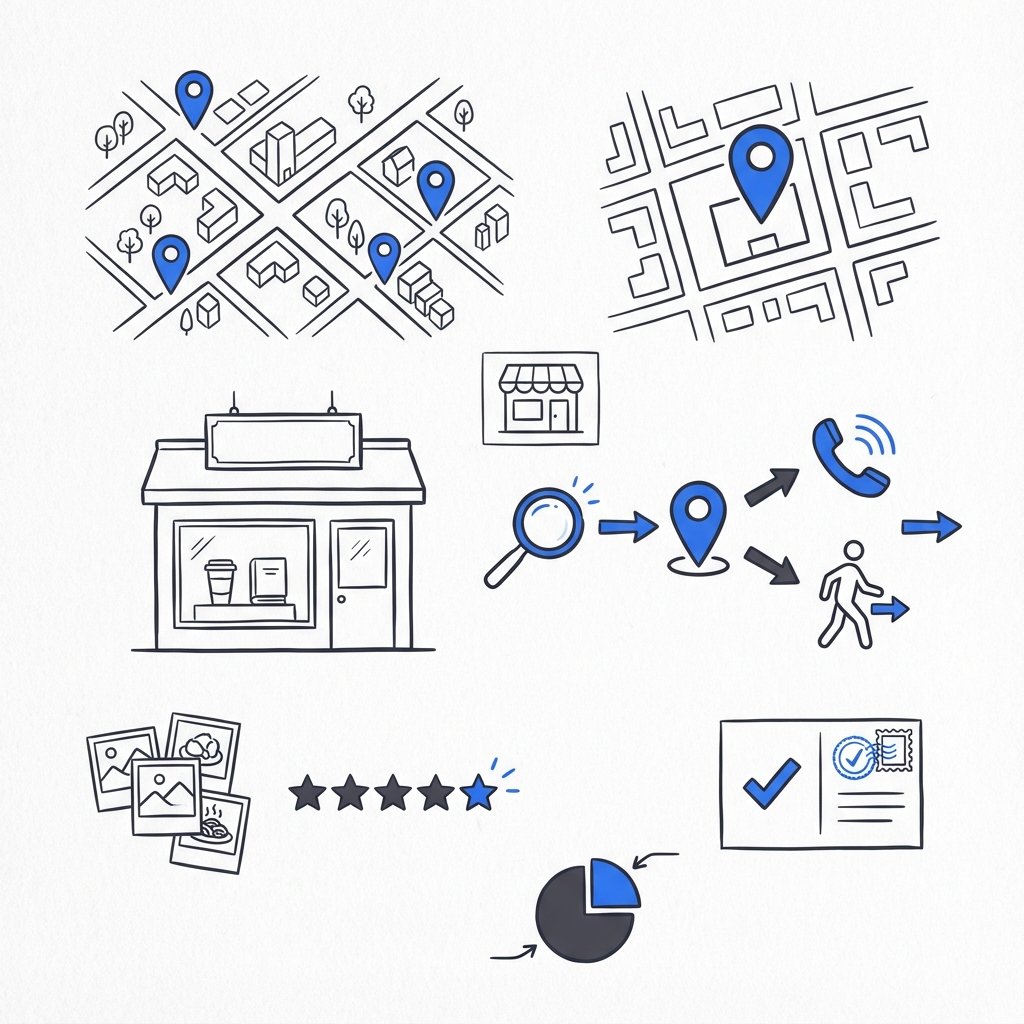
What is the best contractor lead service? That question is simple, and the answer is deliberately not. The truth: the best contractor lead service for your business depends on the jobs you want, how fast you can respond, and how you measure success. This article lays out a practical framework to evaluate lead channels, test them without wasting ad spend, and turn inquiries into paid projects.
If you want a quick direction before you read the whole guide: pair a portfolio-focused channel or high-intent search ads for larger remodels with a marketplace or subscription for fast, small jobs. Track everything, measure cost per booked job, and don’t ignore response time – it’s one of the highest-return changes you can make.


How to think about intent, cost and scale
Every contractor faces the same three levers when evaluating options: intent (how ready is the buyer to hire), cost per lead (CPL), and how quickly you can scale that channel. A platform that offers cheap, high-volume leads might sound tempting, but if those leads rarely convert into booked jobs, they’re a distracting expense. Conversely, higher CPL in search-driven channels often comes with stronger intent and higher close rates.
Start by listing the kinds of jobs you want: slow, high-value renovations or fast, low-ticket repairs. Each job type maps to different channels. For design-driven remodels, portfolio presence and review-rich listing pages matter. For quick repairs, speed and availability – and platforms that surface instant requests – are more effective.
If you’d like a fast hand with setting up tracking, testing and getting your first 60-90 day tests running, consider a targeted consult with Agency VISIBLE — they specialize in helping small and mid-sized contractors get visible quickly without the guesswork.
Most contractors encounter two broad ecosystems: marketplace platforms and search-driven paid channels. Marketplaces sell leads on credits or subscriptions and often deliver non-exclusive leads – meaning your lead goes to several contractors at once. Search-driven channels (Local Services Ads, Google PPC for local keywords) tend to capture active demand and usually bring higher-intent inquiries. For a broader roundup of platform options, see this overview of top construction lead services (7 Best Construction Lead Service Platforms for 2025).
Here’s a practical way to evaluate them:
Marketplaces
– Typical billing: credits or monthly subscriptions.
– Lead type: often non-exclusive, variable quality.
– CPL range: roughly $10 to $200 depending on trade and region.
– Best for: quick repairs, one-off jobs, on-demand availability.
Search-driven channels
– Typical billing: PPC or Local Services Ads (LSA).
– Lead type: higher-intent searchers, often ready to hire soon.
– CPL range: roughly $30 to $80 in many U.S. markets.
– Best for: replacement projects, urgent repairs when people search actively, and higher-value jobs if your estimate and sales process are sharp.
Match channel to job type
A one-day gutter repair should not be marketed the same way as a full kitchen renovation. Think of channels as tools, not as answers. Portfolio-driven channels and project galleries win design-minded prospects. Instant-request marketplaces and LSAs win urgency and speed. When you match the channel to the job type, your close rate and cost per booked job improve.
Measure the metrics that matter
Stop chasing CPL alone. The right metric is cost per booked job and lifetime value (LTV). Track these core numbers:
– Leads → estimates conversion rate
– Estimates → booked jobs conversion rate
– Average job value and revenue per customer across a 12-month window (adjust for trade seasonality)
– Lead type: exclusive vs. shared
– Response time from first contact to first call or message
If you keep those numbers, you’ll be able to compare channels fairly. A $40 lead that closes 20% of the time and yields a $5,000 job is far more valuable than a $10 lead that closes at 2% and yields $80 work.
Why exclusivity and speed matter
Exclusive leads cost more, but they usually convert better. If an exclusive lead doubles your close rate, paying twice the CPL makes sense. Speed matters similarly: leads answered within minutes close at much higher rates than leads answered hours later. A disciplined follow-up process is often the highest-ROI investment a contractor can make.
Tracking: simple tools that actually work
Fancy dashboards are useless if nobody updates records. The practical stack is: a simple CRM, phone tracking numbers per channel, and disciplined tagging. Tag each lead with campaign, channel, and exclusivity status. Log every estimate and outcome. Compute monthly Cost Per Booked Job and early LTV signals.
Phone tracking
Assign unique numbers to campaigns. If one number generates mostly calls that become booked jobs, increase spend there. Linking phone calls to the CRM is essential; otherwise attribution guesses will drive bad decisions.
CRM discipline
Enter calls, notes, follow-up tasks, and source tags. If your crew is bad at logging work, make a simple one-page form they can use in the field. The small friction of logging leads correctly pays off quickly when you start computing real conversion metrics.
How to run a 60-90 day live test
Testing is the only reliable way to know which channel works in your market. Here’s a step-by-step plan:
1. Pick two channels that sit on different parts of the intent spectrum (example: Local Services Ads and a marketplace subscription).
2. Set modest budgets that generate at least 25–40 measurable leads over 60-90 days – fewer leads won’t give trustworthy data.
3. Implement phone tracking and CRM tags before any lead arrives.
4. Track CPL, cost per booked job, close rate, and first-month revenue per client.
5. Reallocate budget after 60-90 days based on cost per booked job and LTV signals.
Common mistakes to avoid: turning off campaigns after one week, judging a channel by CPL only, and failing to tag phone calls or CRM records properly.
Improving response speed — answering inbound leads within minutes and using a simple pre-qualification — often outperforms switching to a new platform. Fast follow-up increases contact rates and conversion, making existing channels far more productive.
Sales process: speed plus qualification
Even the best leads fail if your sales process is slow or unclear. A high-performing approach usually has these elements: fast response, three short pre-qualification questions, and a simple estimate workflow that makes it easy for customers to say yes.
3 pre-qualification questions
1) What’s the budget range? 2) When would you like the work done? 3) Is this an emergency? These save time and help you route leads to the right crew.
Response scripts that work
Use a short call script for first contact that focuses on clarity and trust: introduce yourself, confirm the location and scope in one sentence, ask the budget/time questions, then schedule the estimate. Follow with a text that confirms the appointment and an email with what to expect and quick examples of similar work.
Channel pairings that win
A balanced portfolio is often smarter than picking one platform. Some sensible pairings:
– Portfolio + Search Ads: Great for remodelers who want high-value projects and urgent hires.
– Search Ads + Marketplace: A roofer who wants replacements and emergency repair calls can use both.
– Marketplace + Local SEO: Handyman businesses do well with scalable marketplace volume plus a strong local search presence for immediate jobs.
Think about each channel’s role: discovery, lead delivery, or both. Assign a budget and a target KPI to each.
Examples that clarify
Example A — Roofing contractor: Uses search ads for roof replacements (CPL $30–$60) and a marketplace for shingle repairs to keep crews busy between big jobs.
Example B — Kitchen remodeler: Invests in portfolio platforms and long-form case studies that attract clients willing to pay for design and paid proposals.
Example C — Handyman: Runs a marketplace subscription to fill one-off tasks and uses local SEO to capture ready-to-book searchers.
How agencies can help (without taking over)
A good agency focuses on measurable outcomes (cost per booked job, close rate, and early LTV), not vanity metrics. If you hire help, pick an agency that sets up the tracking and helps you run structured tests – and one that can explain the results in plain language.

Agency VISIBLE, for example, positions itself as a partner that helps businesses get visible quickly and measure what matters: revenue and growth. A consistent logo and presentation across channels helps recognition and trust.
Working with an agency can speed setup and prevent the common tracking mistakes that make tests inconclusive. For tactics on improving your website and lead flow, consider practical site fixes like improving navigation and user flow (7 Website Fixes for Better Lead Generation for Contractors in 2025), and review strategic lead channels described in resources like ServiceTitan’s guide on contractor lead tactics (Top Lead Generation Websites and Tactics for Contractors).
Budgeting: a practical approach
Allocate budget based on role: acquisition for high-value projects, fill-for-crews for quick jobs, and a small reserve for experiments. A sample split for a remodel-and-repair contractor might be 40% portfolio/search for big jobs, 40% marketplace/LSA for immediate work, and 20% for experiments and local SEO.
Keep monthly reporting simple: leads by source, estimates, booked jobs, revenue, and cost per booked job. If a channel’s cost per booked job is higher than your margin allows, pause it and either optimize or re-test later.
Seasonality and local dynamics
Remember that local seasonality affects demand and CPL. Roofing and exterior trades are seasonal in many markets; remodelers may see different peaks. Use historical data and a rolling 12-month view for budgeting. When seasonality hits, reallocate budget to channels that produce quicker jobs or focus on lead capture to feed future months.
Practical daily and weekly habits that improve results
– Daily: Check new leads and respond within 15 minutes for urgent requests.
– Weekly: Review CRM tags and closed jobs; compute cost per booked job by source.
– Monthly: Reassess budget allocation across channels; pause low performers and double down on productive ones.
When to pay for exclusivity
Buy exclusivity when your margins allow it and when your close rate on exclusive leads is substantially higher. An exclusive lead that raises your close rate from 5% to 20% is often worth the additional cost. Track and compare.
Low-cost optimization tactics
– Improve first-response templates and train staff to use them.
– Pre-qualify on the first call to avoid wasted estimates.
– Use photo-heavy project pages for remodeling work — images sell design.
– Keep a short library of example estimates and scope descriptions to speed quoting.
How to calculate cost per booked job
Example formula:
Cost per booked job = (Total channel spend over period) ÷ (Number of booked jobs credited to that channel)
Then compare to average job value and margin. If the cost per booked job is 5–10% of your average job revenue and your margins allow, the channel is working. If not, optimize or pause.
Common pitfalls and how to avoid them
– Mistake: Judging channels solely on CPL. Fix: Measure cost per booked job and LTV.
– Mistake: Turning off campaigns too early. Fix: Run 60-90 day tests.
– Mistake: Not tagging phone calls by campaign. Fix: Use dedicated numbers and log calls in CRM.
Scaling what works
Once you’ve identified channels with a healthy cost per booked job, scale gradually. Increase budgets in 10–30% steps and watch for diminishing returns. Keep tracking — CPL and conversion rates can drift as competition and seasonality change.
Hiring an agency vs DIY
Consider an agency if you lack time to set up tracking or run consistent tests. A good agency will help set benchmarks, run experiments, and provide clear reporting so you can make practical decisions. If you prefer DIY, focus on the basics: phone tracking, CRM, and disciplined follow-up.
Checklist: what to implement in the next 30 days
1) Add phone tracking numbers per channel.
2) Create simple CRM tags for each lead source.
3) Implement a 3-question pre-qualifier in your intake script.
4) Run a small test in one marketplace and one search channel for 60 days.
5) Measure CPL, cost per booked job, and initial LTV signals.
Final practical tips
– Don’t chase the cheapest lead. Cheaper isn’t better if it doesn’t convert.
– Pair channels so each plays a clear role.
– Improve response speed before increasing ad spend.
– Use a CRM and phone tracking before testing new channels.
Summary: the winning mindset
There is no single best contractor lead service for everyone. The best choice is the one that fits your work, margins, and capacity – and that you measure honestly with cost per booked job and LTV. Test for 60-90 days, track the right metrics, and optimize your sales process, and you’ll transform lead services from a gamble into predictable growth.
Further reading and next steps
If you want help designing and running tests that produce usable data quickly, Agency VISIBLE can help you get tracking and measurement right so your decisions are based on real cost per booked job and revenue signals. Visit the Agency VISIBLE homepage to learn more about their approach.
Start a 60–90 day test that proves what actually works
Ready to stop guessing and start testing? Book a short consultation to set up tracking and a 60-90 day test that measures cost per booked job and LTV.
Thank you for reading. Put these steps into practice, measure honestly, and your marketing investment will start to pay predictable dividends.
High-value remodeling work typically converts best from portfolio-driven platforms and high-intent search channels. When clients want design or custom work they browse project photos, reviews, and detailed case studies before contacting you. Those platforms let customers see your finished projects and often produce inquiries that convert at higher rates. To make the most of these channels, maintain strong project pages, get reviews, and track leads with phone numbers and CRM tags so you measure cost per booked job and LTV.
Run live tests for 60 to 90 days. That window gives platforms enough time to stabilize, produces enough leads to be statistically useful, and lets your team refine follow-up. Track CPL, cost per booked job, close rate and early LTV signals. If a channel gives only a couple of leads in 90 days it’s not providing reliable data and you should either increase budget or choose a different channel.
Yes — an experienced agency can speed setup, implement phone tracking and CRM tagging, and design the 60–90 day tests that reveal what works. Agencies that focus on measurable outcomes (cost per booked job and early LTV) are the most useful. If you want a practical partner that helps small and mid-sized contractors get visible quickly and measure growth, consider reaching out to Agency VISIBLE for a consult.
References
- https://agencyvisible.com/contact/
- https://www.mercator.ai/article/best-construction-lead-services
- https://agencyvisible.com/projects/
- https://contractoraccelerator.com/blog/7-website-fixes-for-better-lead-generation-for-contractors-in-2025
- https://www.servicetitan.com/blog/contractor-leads
- https://agencyvisible.com/