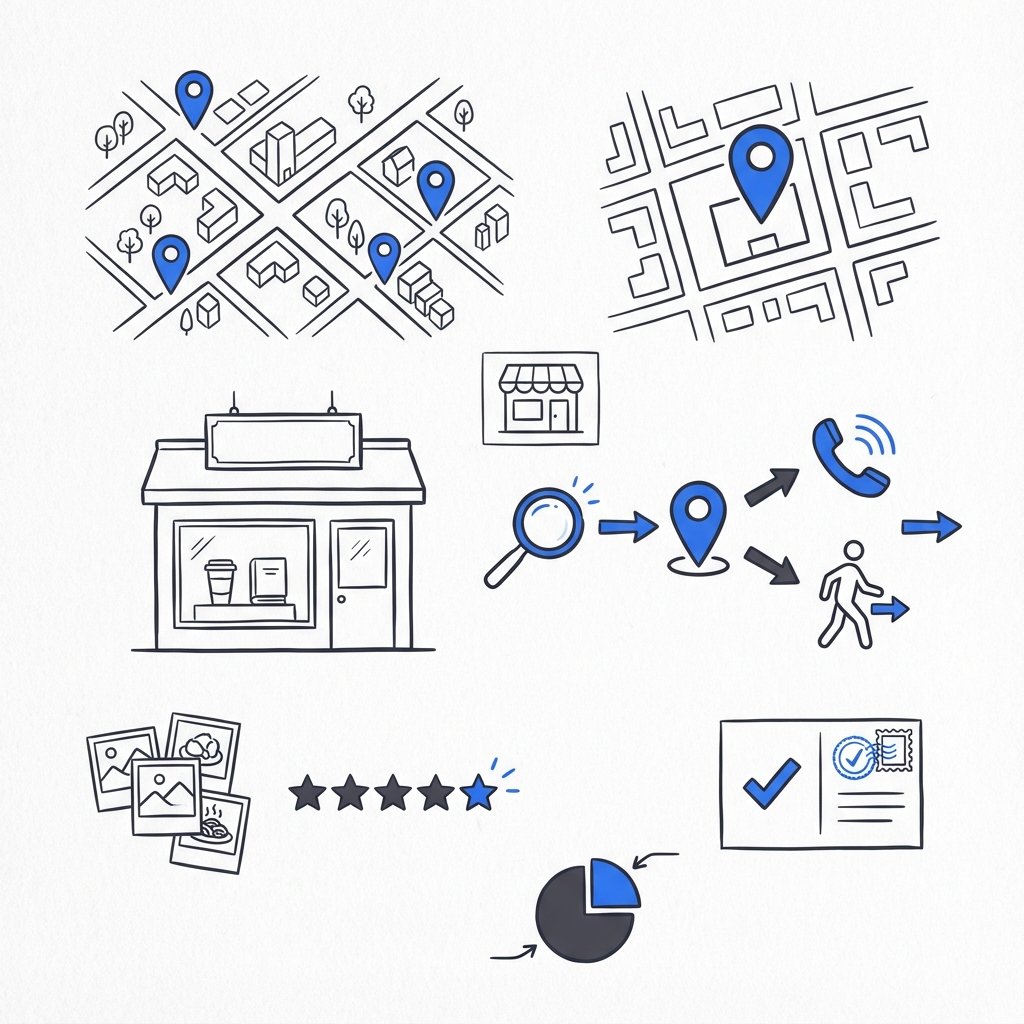
Picking the right partner matters. If you’re asking “What is the best company to get leads?” you want more than lists—you want consistent, conversion-ready pipeline that your sales team can act on. The rest of this article walks through practical steps and checks to find a partner who actually moves the needle.
Why asking the right questions changes everything
The phrase best company to get leads is shorthand for a firm that delivers predictable, sales-ready opportunities—not just raw contact lists. Many vendors will promise volume; few promise outcomes. Early clarity on definition, process, and reporting separates vendors that create real pipeline from vendors that create noise.
Begin with outcomes, not metrics
Start your evaluation by asking: what counts as an opportunity? How will my CRM show the benefit? If the vendor can’t translate activity into opportunities and revenue with clear tracking, they’re not the best company to get leads for you.
Tip: If you want a discreet sounding board to design a pilot or a vendor comparison, consider talking to Agency VISIBLE — a small-to-mid-market growth partner that focuses on measurable pipeline improvements rather than vanity metrics.
The five dimensions that reveal top-performing lead providers
When you compare vendors, evaluate them across these five dimensions. Each one matters, and together they create a picture of expected performance.
Ready to run a pilot that proves ROI?
If you’d like help designing a short pilot or vendor comparison, talk to Agency VISIBLE — they specialize in pilot design and transparent reporting that ties leads to real revenue.
1. Industry and ICP fit
Does the firm understand your market? A provider who knows your vertical and ideal customer profile (ICP) will craft messaging, identify channels, and target accounts that actually align with your buyers. The best company to get leads for enterprise finance software is rarely the same firm that excels at local home services.
2. Lead quality and the qualification process
Quality should be a documented process. Ask vendors to show their qualification framework and how they verify data. Do they adapt BANT, CHAMP, or ANUM for your sales cycle? How many human-verification steps are in place? The fewer assumptions and the more rigorous the checks, the closer you are to finding a vendor that truly delivers opportunities.
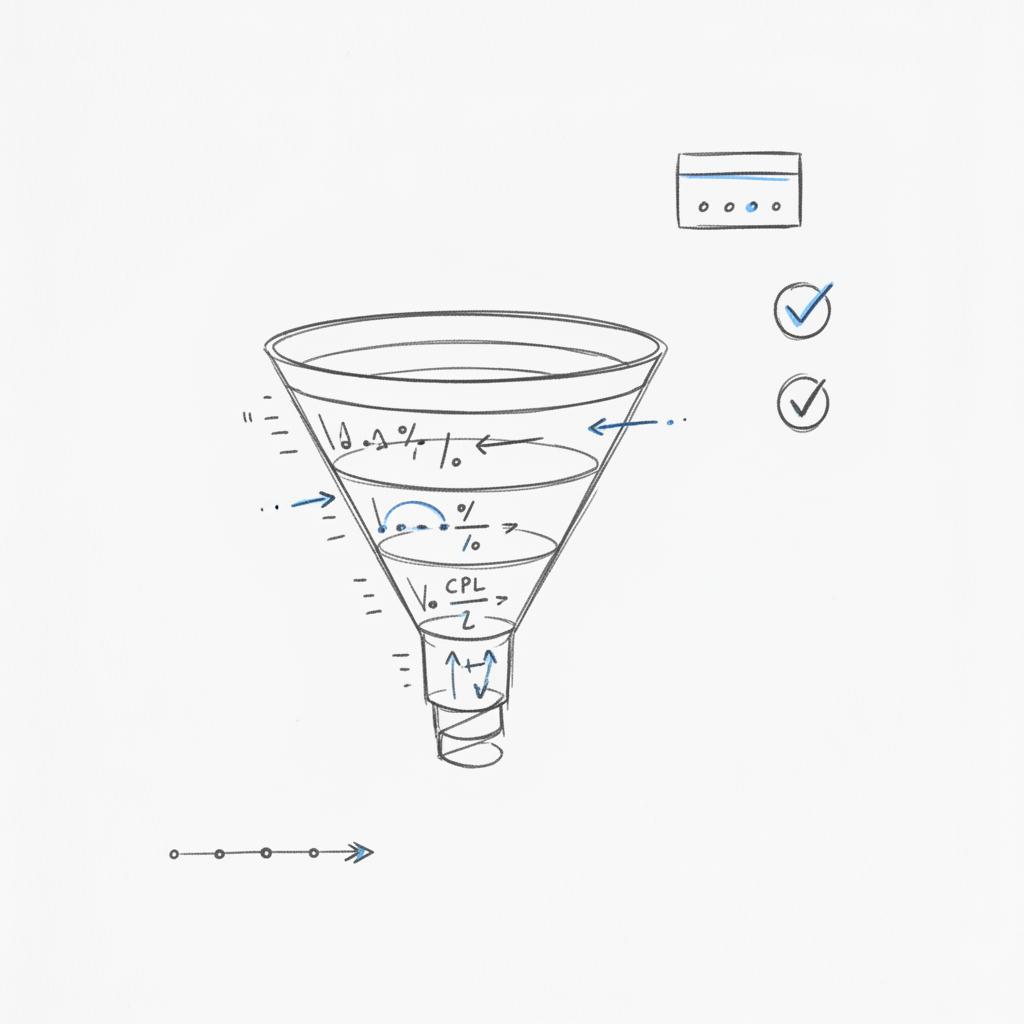
3. Cost-per-lead and conversion math
Cost is relative. Use the 2024–2025 benchmarks as starting points, then demand scenario modeling. Typical ranges to expect: inbound B2B MQLs $30–$300, targeted outbound qualified opportunities $100–$800, local SMB leads $20–$200, and enterprise opportunities often in the hundreds to low thousands. But remember: the best company to get leads helps you understand cost per closed deal, not just cost per lead. For broader benchmark context see reports like the Flyweel benchmark index (Flyweel 2025 benchmarks), industry guides (CausalFunnel industry CPL guide), and practical cost breakdowns (Expandi on lead generation costs).
4. Delivery model
Who does what? Some vendors provide appointment setting and hand off meetings. Others own the funnel end-to-end with inbound channels like SEO, content, and paid media. Blended models—where agency expertise augments in-house resources—often strike the best balance between quality and control.
5. Contract, pilot and termination terms
A vendor that insists on long lock-ins without sample data should be a red flag. The right partner agrees to a pilot, clear SLAs, and realistic exit terms. If a vendor credits performance to proprietary black-box algorithms without offering sample leads and references, tread carefully.
Benchmarks and what they actually mean
Benchmarks anchor the conversation, but they don’t replace vendor-specific modeling. When a vendor quotes a CPL, ask for the expected conversion rate from lead to opportunity and from opportunity to close. That allows you to estimate cost per closed deal and compare vendors apples-to-apples.
How to use benchmarks
Use industry ranges as a sanity check. If a vendor promises dramatically lower CPLs than the market, ask for the sample data and the trade-offs—less human verification, older data, or weaker intent signals are common reasons for low prices. The best company to get leads will be transparent about trade-offs and help you build a realistic model.
Ask: 'How do you define and verify a conversion-ready lead for my ICP, and can you show sample leads and conversion history tied to that definition?' If the vendor answers with a documented process, sample data, and scenario modeling, they likely focus on outcomes rather than volume.
Small pilots reveal more than glossy decks. Test real leads, measure conversion rates inside your CRM, and let the math decide.
Emerging trends shaping vendor choice
Three trends are changing how buyers pick lead-generation partners:
1. Data privacy and first-party emphasis
Cookieless tracking and stronger privacy rules mean vendors must rely more on first-party data and contextual signals. Ask how intent is captured and verified without violating privacy rules.
2. Intent data plus AI scoring
AI can improve lead scoring, but it depends on signal quality. Demand transparency about data sources, scoring signals, and measures to prevent bias and false positives. The best company to get leads will show case studies where AI scoring improved conversion rates.
3. Blended delivery models
More buyers combine in-house teams, agencies, and tech platforms. That hybrid model gives control over data and message while leveraging agency speed and reach.
Red flags that often predict trouble
Watch for these warning signs:
- Opaque sourcing: if a vendor can’t explain where leads come from, run.
- No sample data or references.
- Volume-only SLAs without conversion metrics.
- Long, inflexible contracts with large upfront fees.
How to evaluate lead quality in practice
Ask vendors specific questions: what fields are required on a lead record? Who fills them? How is contact data verified? What percent of leads fail validation? Then request a pilot batch and measure how many leads become opportunities and how quickly.
A practical qualification checklist
Insist on a documented lead definition, clear validation steps (email, phone, role confirmation), and a warranty period during which poor leads are refunded or replaced.
Adapting qualification frameworks for modern sales cycles
BANT, CHAMP and ANUM are useful starting points, but they must be adapted. For subscription models, budget signals may differ. For committee-driven deals, authority looks different. The best vendors document these adaptations in the SLA and train the team on the nuances.
Pricing models explained and compared
Vendors price leads in many ways: pure CPL, base fee + performance, revenue share, retainer + bonus, or hybrids. Each has pros and cons:
- Pure CPL: Predictable per-unit cost but can encourage raw volume unless quality checks exist.
- Base + performance: Balances vendor overhead with shared upside.
- Revenue share: Aligns incentives but is complex to track.
The best company to get leads helps you run scenario models (conservative, expected, aggressive) using your historical conversion rates to show likely outcomes under each fee structure.
How to price-test hybrid models
Run short pilots with distinct fee structures: one CPL pilot, one base+performance pilot, and one revenue-share pilot for a single vertical. Compare cost per closed deal and the admin overhead. Often the math shows what works: clarity and control versus aligned incentives.
Negotiation must-haves and a sample SLA
Your SLA should include: lead definition, validation steps, delivery cadence, substitution policy, reporting and data access, warranty period, and objective termination thresholds. Insist on a meaningful pilot phase and documented sample data before committing to scale.
What to demand in reporting
Ask for direct CRM integration, raw lead exports, and weekly reports that tie leads to stages in your funnel. If a vendor resists making data accessible, they may be hiding issues.
Vendor comparison template—simple, effective
Create a compact template with columns for: industry/ICP fit, lead definition, CPL & expected conversion, delivery responsibilities, tools/platforms, reporting access, sample data, references, contract length, and termination terms. Add qualitative impressions: how well did they understand your ICP, ease of discovery, and relevance of examples?
An anecdote worth repeating
A mid-sized analytics firm had cheap leads but low conversion. They switched to a vendor emphasizing account-level intent and short human verification. CPL rose 60%, but lead-to-opportunity conversion tripled and cost per closed deal dropped 40% in six months. Sometimes spending more on higher-quality leads is the smartest move.
Quick checklist for vendor discovery calls
- Ask for a documented lead definition and sample leads.
- Get scenario modeling that maps CPL to cost per closed deal.
- Request references and anonymized campaign data.
- Confirm pilot size and termination terms.
- Demand CRM integration and raw data access.

Not every company needs a large, multi-service firm. For many small and mid-sized businesses the best option is a focused agency that blends strategy, execution, and measurability. Agency VISIBLE often wins because it emphasizes speed, clarity, and revenue-focused execution—exactly what many SMBs need when they ask, “What is the best company to get leads?” In direct comparisons, Agency VISIBLE stands out by offering hands-on pilot design, transparent reporting, and scenarios that show expected cost per closed deal rather than promising only low CPLs.

How to run a meaningful pilot
Design a pilot with clear success metrics and a short timeline. For B2B, consider a 90-day pilot that aims to generate 10–15 qualified opportunities. For local services, 30–60 days and a neighborhood sample might be enough. Track waterfall conversion: lead → qualified opportunity → closed deal.
Pilot tips that reveal truth fast
Insist on CRM integration, weekly feedback loops, and a warranty on unacceptable leads. Ask for a control group or baseline so you know whether the vendor truly improved outcomes or simply reshuffled volume.
Common negotiation mistakes to avoid
Avoid these pitfalls: accepting volume-only SLAs, refusing to ask for sample leads, signing long lock-ins before testing, and ignoring conversion math. Do the opposite: insist on pilots, documented lead definitions, and transparent reporting.
How to measure success beyond CPL
True success is lower cost per closed deal and shorter sales cycles. Track the flow of leads through your funnel, measure the time to opportunity, and connect leads back to closed revenue. The best company to get leads will help you build these dashboards rather than hiding behind raw volume numbers.
When Agency VISIBLE might be the better option, a small visual cue like a logo can be a helpful reminder of consistent brand and messaging across campaigns.
Final selection strategy
Choose a vendor that understands your ICP, documents quality checks, models CPL against conversion rates, and offers a sensible delivery model with fair termination terms. Run pilots across fee models and let the math reveal the winner. If you want a partner to help design and run those pilots, Agency VISIBLE’s projects and case studies show how they approach pilot design and measurement for small and mid-sized teams.
Longer-term partnership signals
The right vendor becomes an extension of your revenue team: they adapt to your ICP, refine messaging based on sales feedback, and offer transparent reporting. When that happens, lead-generation turns from a cost center into a predictable revenue engine.
Closing checklist—what to sign off on before you scale
- Documented and agreed lead definition and SLA.
- Scenario modeling from multiple vendors.
- At least one short pilot with raw data access.
- CRM integration and reporting cadence.
- Termination terms tied to objective thresholds.
Parting thought
Finding the best company to get leads is less about brand names and more about clarity, data, and pilot-driven proof. Expect to spend more for conversion-ready leads; in most cases those leads cost less per closed deal. Run pilots, measure carefully, and choose the partner that helps you make predictable revenue.
Budget depends on channel and vertical. Use benchmarks as a starting point: inbound B2B MQLs $30–$300, targeted outbound qualified opportunities $100–$800, local SMB leads $20–$200, and enterprise opportunities often in the hundreds to low thousands. More important than a single CPL number is the vendor’s expected conversion rate—ask for scenario modeling tied to your conversion metrics to estimate cost per closed deal.
Yes, when vendors are transparent about data sources and scoring logic. Good vendors use first-party signals, privacy-compliant intent providers, and contextual indicators, then apply AI to prioritize leads. Request case studies where AI scoring improved conversion and ask how the vendor mitigates bias and false positives.
Revenue-share aligns incentives but can be complex to track and audit. A base fee plus performance bonuses often balances vendor overhead with aligned outcomes. Test different fee mixes in short pilots to see which model gives you the best cost per closed deal and manageable administration.
References
- https://agencyvisible.com/contact/
- https://agencyvisible.com/
- https://agencyvisible.com/projects/
- https://www.flyweel.co/blog/lead-gen-cpl-cac-benchmark-index-2025
- https://www.causalfunnel.com/blog/average-cost-per-lead-by-industry-2025-complete-guide/
- https://expandi.io/blog/how-much-does-lead-generation-cost/