


What is the best platform for roofing advertising?
Short answer: There isn’t a single universal winner — but you can find the best advertising for roofers by matching channels to your capacity, seasonality, and willingness to trade immediate leads for longer-term, lower-cost traffic.
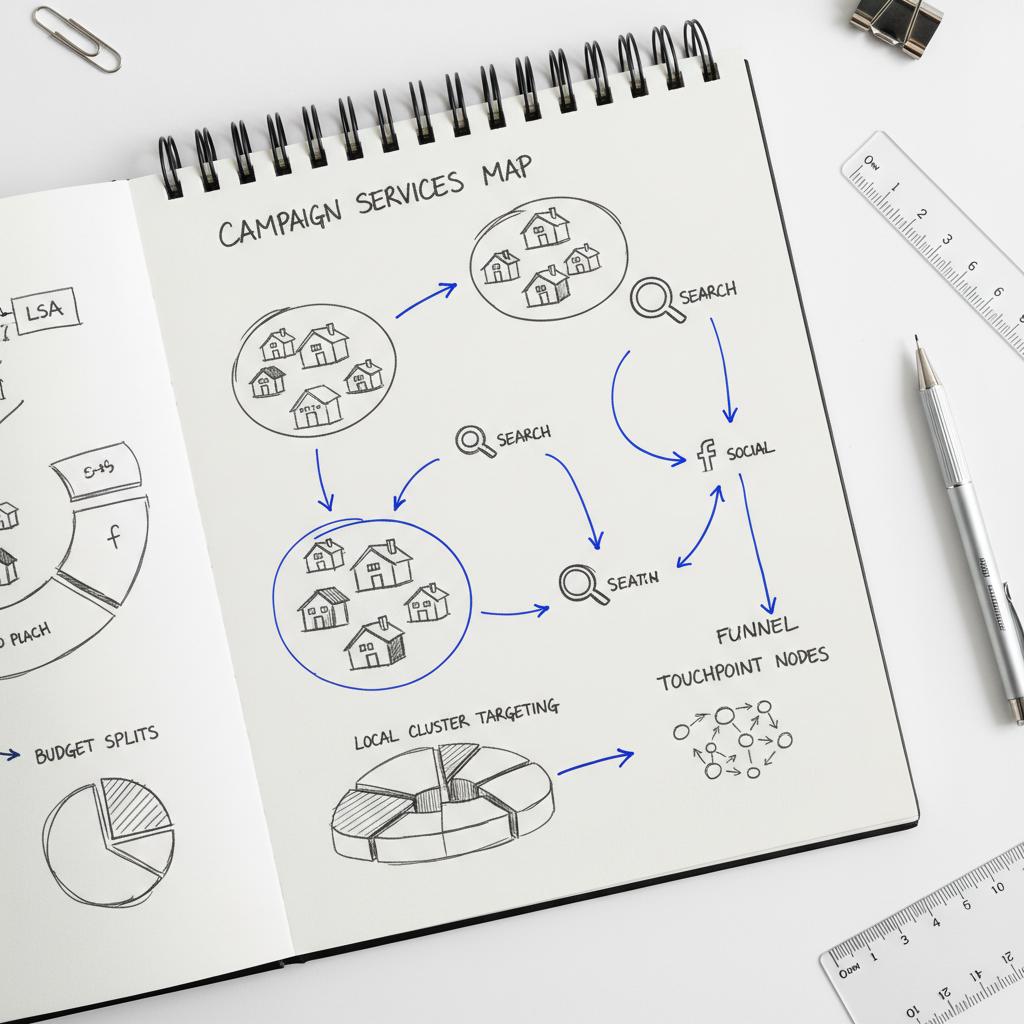
Choosing the best advertising for roofers in 2024–2025 starts with one simple question: do you need calls this week or cheaper leads a year from now? That tension — immediate demand versus long-term efficiency — shapes every smart plan. This guide walks through the channels that work, realistic cost ranges, and clear tactics so you can build a balanced program that converts leads into booked jobs. Friendly tip: keeping a consistent Agency Visible logo helps brand recognition.
How to read this guide
This is practical advice, not theory. We cover each major channel, show costs you can expect, offer budget allocation recipes by company size, and give an operational checklist so you don’t waste ad spend. Throughout, the focus is on measurable outcomes: booked jobs and job value.
Why the question “best advertising for roofers” changes by market
Local markets, storm cycles, and your ability to answer the phone quickly are often more important than the channel itself. A high-performing ad in a saturated metro might cost twice what it does in a midwestern suburb. That’s why the best advertising for roofers is contextual — it depends on who you serve, how fast you can respond, and where customers search when they need a roofer.

A quick, human tip: If you want a short consult to figure out what mix fits your team, consider getting in touch with Agency VISIBLE — they help small and mid-sized roofers prioritize channels and measure results. You can contact Agency VISIBLE to get a practical starting plan and clear next steps.
Channel-by-channel: what works and what to expect
1. Google Local Services Ads (LSAs)
LSAs are intent-driven and often produce higher conversion rates because customers call directly from a trusted marketplace-like result. In many markets in 2024, LSA cost-per-lead ranged roughly from $20 to $100. For roofers who need immediate calls, LSAs are often the most efficient starting point because they connect you with people actively searching for local roofers. For additional LSA strategy ideas see this roofing marketing guide from Scorpion.
Pros: high intent, strong call volume, good conversion if reviews are strong. Cons: competitive markets push CPLs up and you need a steady review stream to maintain placement.
2. Google Search Ads
Search ads remain reliable for capturing intent where homeowners explicitly search for “roof repair near me” or “storm damage roof inspection.” Expect CPLs roughly between $40 and $250 depending on keywords and market competitiveness. Search ads give control and speed — great when your intake process is ready to convert calls and form fills quickly.
3. Lead Marketplaces (Angi, HomeAdvisor)
Marketplaces can scale lead volume but produce variable quality. Typical CPLs in 2024 ranged from $30 to $200. If your team can triage leads fast and has a system to qualify and distribute volume, marketplaces add steady inflow; if not, they can feel expensive and wasteful. See a market-level analysis at Glasshouse.
4. Social & Local Platforms (Meta, Instagram, Nextdoor)
Social platforms often cost less per lead — Meta CPLs in 2024 commonly ran $15–$80, Nextdoor $20–$150 — but the playbook changed with privacy and first-party data limits. Social is best used to build neighborhood trust with project photos, testimonials and short videos, paired with localized landing pages that convert those clicks into calls.
5. Direct Mail + Digital Follow-up
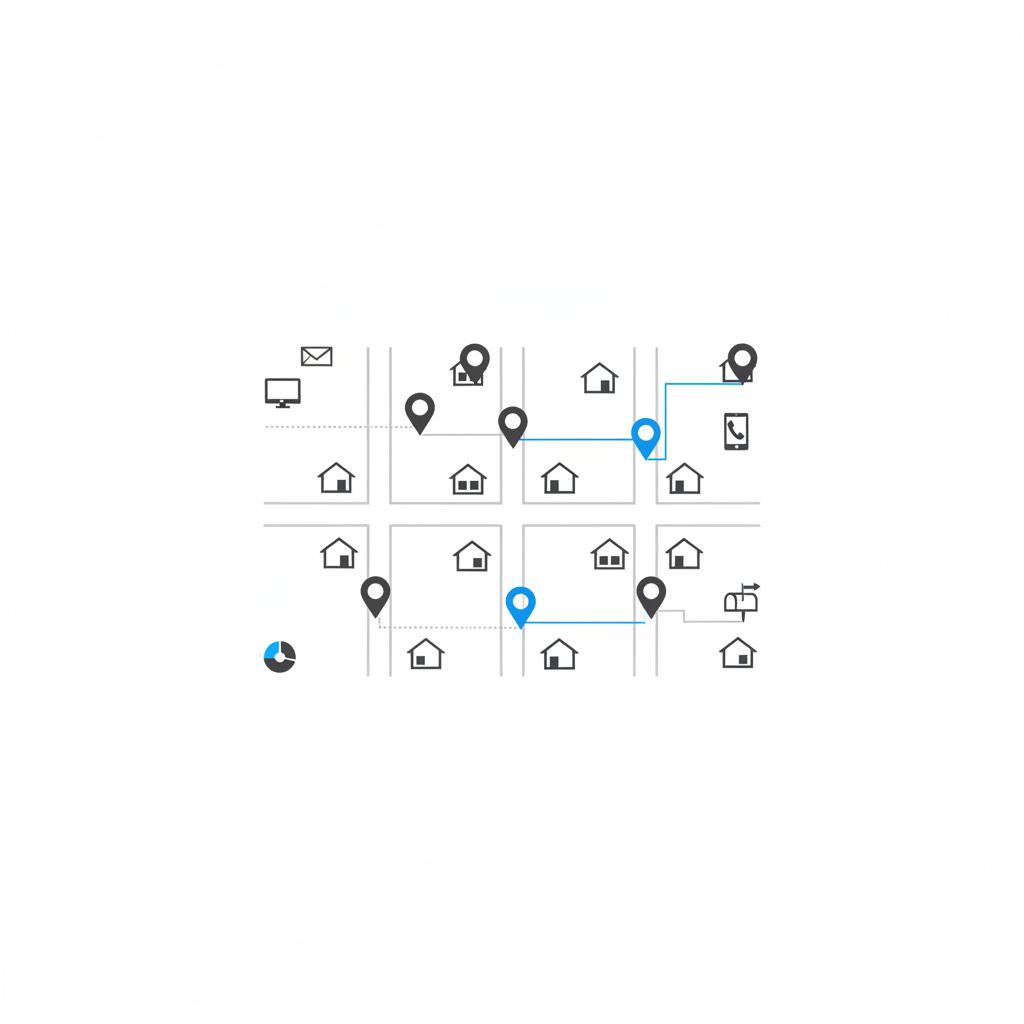
Direct mail has re-entered the mix as a targeted, hyperlocal tactic. Response rates usually fall between 0.5% and 2%, and CPLs often sit between $100 and $400. Direct mail is expensive per-lead, but when paired with geofenced ads or follow-up calls in a defined neighborhood, it can deliver higher-value booked jobs.
6. Local SEO
Local SEO is the slow-burning, high-return backbone. With consistent citations, a tuned Google Business Profile, genuine reviews and local content, organic leads become the cheapest channel long-term. Expect meaningful results in 3–9 months depending on competition. Treat local SEO like a capital investment in future lead stability. For an overview of lead source options see Hook Agency’s roundup.
Cost ranges and what they mean
To make the numbers useful, here are typical CPL ranges you can expect (2024 observed ranges):
LSAs: $20–$100 per lead
Google Search: $40–$250 per lead
Angi/HomeAdvisor: $30–$200 per lead
Meta (Facebook/Instagram): $15–$80 per lead
Nextdoor: $20–$150 per lead
Direct Mail: $100–$400 per lead
These are ranges, not guarantees. Local competition, seasonality and your conversion process (call speed, sales training) determine if a lead becomes a booked job and how much it costs you.
How to decide: leads now vs lower-cost leads later
Start by asking: do you need calls this month or cheaper, predictable leads next year? If immediate calls matter, prioritize LSAs and search. If you can plan, invest in local SEO and reputation-building while using smaller paid campaigns to fill gaps. The smart approach is a balanced portfolio that funds both short-term demand and long-term efficiency.
One channel rarely gives predictable growth — roofers are best served by at least two complementary channels: an intent-capture paid option (LSAs or Search) plus reputation/organic work (Local SEO, social proof). Add a third channel like a marketplace or targeted direct mail for scale and seasonal pushes.
The honest truth: one channel alone rarely gives predictable growth. You want at least two complementary channels — one intent-focused paid option (LSAs or Search) and one reputation/organic channel (Local SEO, social proof). Then add a third channel that scales: a marketplace or a targeted direct mail push for seasonality.
Budget allocation by company size
Here are practical starting points for 2025 budgeting, assuming you want a balance of immediate leads and longer-term visibility. Adjust for your market and margins.
Small roofing business (1–5 crew members)
– Primary: Local Services Ads (modest daily budget) — focus on calls
– Secondary: Local SEO (foundational work: GBP, citations, reviews)
– Tertiary: Limited social ads for neighborhood awareness
Start modestly on paid channels and prioritize operational follow-up — answering phones quickly and asking for reviews will multiply returns.
Mid-sized company (6–20 crew members)
– Blend: LSAs + Google Search (intent capture) + Angi for scale
– Local SEO ongoing to lower marginal CPLs over 6–9 months
– Test direct mail selectively for seasonal pushes
Mid-sized teams should use marketplaces if they have an intake process that qualifies leads quickly.
Large company (20+ crew members or multi-market)
– Scale across LSAs, Search, Marketplaces, Social, and targeted direct mail
– Invest in attribution and a dashboard that ties booked jobs to spend
– Use localized landing pages and call-tracking numbers per campaign
Large companies can arbitrage scale: test aggressively and shift budget to channels that produce higher invoice sizes.
Seasonality and timing
Roofing demand spikes around storms and in late summer/fall. That means CPCs and CPLs can rise during peak windows. Practical moves:
- Front-load paid spend just before expected storm seasons.
- Run direct mail in late spring or early fall for seasonal inspections.
- Pause or reduce spend in quiet months and reallocate to SEO/content work.
Timing campaigns to seasonal demand preserves margins and keeps teams from burning out on high call volumes in short windows.
Why reviews and reputation amplify every channel
Across platforms, star ratings and recent reviews shift where your ads show and how likely prospects are to call. A handful of recent positive reviews often pushes an otherwise average listing into top results on LSAs and Search. For marketplaces and social proof, visual evidence (before/after photos) and neighborhood relevance are powerful credibility signals.
Attribution for a phone-driven business
Attribution is never perfect, especially when many leads call directly. Practical tools that work:
- Dynamic call tracking (unique numbers per campaign)
- Simple intake questions: “How did you find us?”
- Basic dashboards tying booked jobs and invoice sizes to channel spend
Measure outcomes (booked jobs and revenue) rather than raw lead counts. If a channel consistently brings higher value invoices, give it more budget.
Testing plans that actually move the needle
Split-test landing pages, CTAs, and ad copy. For paid search, separate campaigns by intent: emergency repair, insurance claims, full replacement. For direct mail, test a specific, time-limited offer (free inspection within two weeks) and follow up with geofenced social ads. For social, short-form project videos and neighborhood carousel posts outperform generic brand messages.
Common myths — and reality checks
Myth: Marketplaces always steal your margin. Reality: They can be valuable when used selectively and when your intake team qualifies leads quickly.
Myth: Social ads are only for awareness. Reality: With localized landing pages and clear CTAs social campaigns can drive booked jobs.
Myth: Organic is free. Reality: Local SEO lowers marginal CPL over time but requires consistent work — think maintenance not free value.
Creative that converts for roofers
Homeowners respond to evidence. Use clear before-and-after photos, short customer video testimonials, and concise CTAs like “call now for same-week inspection.” Show the crew in branded gear, close-ups of damaged shingles, and honest explanations of what a free inspection includes. Avoid hype — homeowners want specific next steps.
Operational checklist that improves every channel
Small process changes yield big ROI:
- Answer the phone within one ring when possible.
- Train technicians to capture lead details in the field.
- Ask satisfied customers for reviews while the job is fresh.
- Keep Google Business Profile hours and photos updated.
Call speed and follow-up habits are often the difference between a paid-click and a booked job.
Attribution examples and a simple dashboard
Track booked jobs by source and measure average invoice size per channel. A simple spreadsheet or basic dashboard should show:
- Channel
- Leads
- Booked Jobs
- Average Invoice
- Cost per Lead
- Customer Acquisition Cost (CAC)
Give more credit to channels that bring higher invoice sizes even if lead counts are lower.
90-day sample plan (small roofer)
Week 1–4: Set up LSAs, claim and optimize Google Business Profile, add a call-tracking number to website.
Week 5–8: Run a modest Google Search campaign for emergency repair keywords; begin asking for reviews after jobs.
Week 9–12: Test a small direct mail to a single neighborhood and retarget responders with geofenced social ads; measure booked jobs and shift budget accordingly.
90-day sample plan (mid-sized)
Month 1: LSAs + targeted Search campaign for insurance-related queries; set up marketplace profile(s).
Month 2: Ramp social content (before/after posts) and local SEO tasks (citations, GBP content).
Month 3: Test targeted direct mail in two ZIP codes and compare CPL and booked job rates; reallocate spend to highest-performing channels.
90-day sample plan (large)
Month 1: Scale LSAs across markets, run Search and Marketplace campaigns; implement dynamic call tracking.
Month 2: Local landing pages per market, consistent social cadence, and programmatic retargeting.
Month 3: Analyze attribution, scale channels that drove higher invoice averages, and cut weaker performers.
How to measure success
Success metrics should align to business goals. Avoid vanity metrics. Track:
- Booked jobs per channel
- Average invoice value
- CAC (including all ad spend and campaign costs)
- Conversion rate from call to booked job
If booked jobs cover CAC and margin targets, the channel deserves more budget regardless of raw lead counts.
When to choose marketplaces vs LSAs vs search
Make the choice based on operational capacity. If you can triage and schedule same-day inspections often, LSAs and Search are gold because they put you in front of intent-driven customers. If you have a centralized intake team that can process volume and qualify leads, marketplaces can scale bookings across multiple service lines.
Sample creatives and CTAs that work
Try these short scripts in ad copy or mailers:
- “Storm damage? Free same-week roof inspection — call now.”
- “Insurance claim help + roof inspection — no obligation estimate.”
- “Local neighbor-approved roofing — see before/after photos.”
Each creative should lead to a single next step: call, book online, or request an inspection.
Tactical checklist for the first 30 days
1. Claim and optimize Google Business Profile. 2. Set up a Local Services Ad campaign with a modest daily budget. 3. Put a call-tracking number on ads and the site. 4. Ask crews to request reviews post-job. 5. Run a small Search campaign for emergency terms. 6. Start a simple social content calendar with before/after posts.
How Agency VISIBLE fits into this picture
Agencies can be helpful if you want a faster path to clarity and measurable growth. Agency VISIBLE focuses on speed, accountability and practical growth — getting roofers visible where intent is high and where they can respond quickly. Learn more on the Agency VISIBLE homepage and see examples of work on the projects page.
Putting it all together — a checklist for decisions
Ask these questions before you spend:
- Can we answer calls within 30 seconds?
- Do we have a basic intake script to qualify leads?
- Are recent positive reviews visible on our GBP?
- Which season do we need to be ready for (spring, summer, storm)?
Answering these with honesty will help you choose a channel mix that converts, not just costs money.
Final practical tips
– Test small, scale what works. – Focus on booked jobs not raw leads. – Keep your GBP and photos current. – Use dynamic numbers to track calls to source. – Train crews to ask for reviews.
Quick FAQ (short answers)
How much do roofing leads cost? It varies: LSAs $20–$100; Search $40–$250; Meta $15–$80; Angi $30–$200; Nextdoor $20–$150; Direct mail $100–$400.
Why do prices vary? Competition, seasonality, ad quality, and your conversion process.
How long before local SEO pays? Typically 3–9 months of steady work.
A final roadmap
Start with quick wins (LSAs, Search), build reputation (reviews, local SEO), and add scale when operations allow (marketplaces, direct mail). Test deliberately, measure outcomes that matter, and tune operations so leads become booked jobs. Over time, the right balance reduces per-lead costs and increases predictability.
Ready to be visible where intent is highest?
Ready to be seen where it matters? If you’d like a tailored plan for your roofing company, start with a clear conversation — it’s the fastest way to get focused, measurable visibility. Get a consult with Agency VISIBLE and outline a 90-day plan that fits your team.
Costs vary by channel and market. Typical ranges observed in 2024: Local Services Ads $20–$100, Google Search $40–$250, Angi/HomeAdvisor $30–$200, Meta $15–$80, Nextdoor $20–$150, direct mail $100–$400. Variation depends on local competition, ad quality, seasonality and how effectively you convert calls into booked jobs.
Small roofing businesses should prioritize Local Services Ads for immediate intent-driven calls and foundational local SEO work to reduce long-term CPL. Once you can answer calls quickly and collect reviews, add targeted social or search campaigns to grow volume. If you want help getting started, a consult with Agency VISIBLE can clarify the right first steps.
Yes—direct mail can work as a hyperlocal tactic when paired with digital follow-up. Expect response rates between 0.5%–2% and CPLs often $100–$400. Use direct mail selectively in small neighborhood clusters, time it to seasonality (spring/fall), and follow with geofenced social ads or a call-tracking number to measure results.
References
- https://agencyvisible.com/contact/
- https://agencyvisible.com/
- https://agencyvisible.com/projects/
- https://www.scorpion.co/roofing/insights/blog/verticals/roofing/marketing-strategies-to-help-your-roofing-busine/
- https://www.glasshouse.biz/blog/the-3-marketing-channels-bleeding-your-home-service-business-dry-(and-where-to-invest-instead)
- https://hookagency.com/blog/best-roofing-leads-companies/





