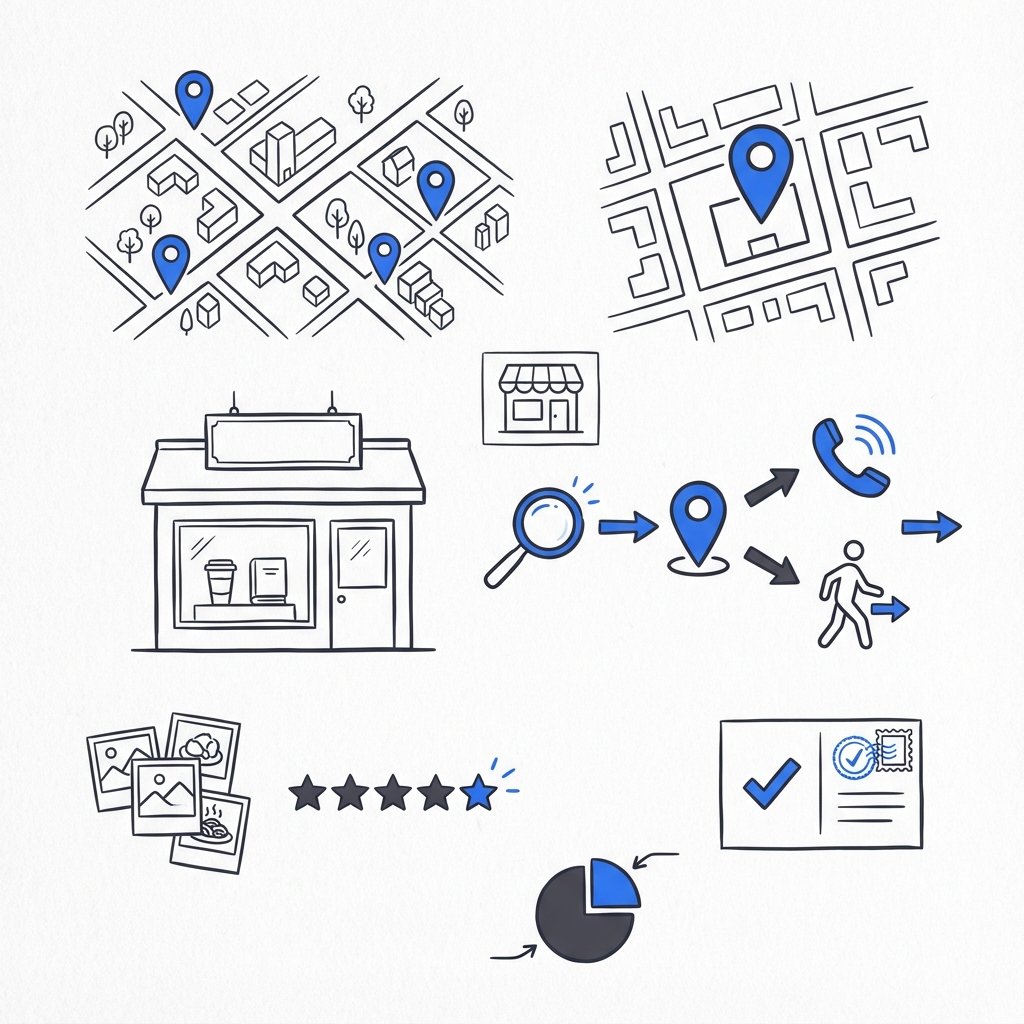
Are TV ads worth it? It’s a simple question that many small business owners ask when they’re weighing marketing budgets. But the better question for most small, local, or craft businesses is: what builds lasting trust where customers actually look – and how should limited budgets be spent to make people feel confident enough to buy?
Why trust matters more than flashy reach
Trust is the quiet currency of commerce online. A single clear sentence on your homepage, an honest photo of your workbench, and a reply to a review can do more for long-term relationships than a one-off, expensive spot on television. That does not mean TV ads never help – they do in the right context – but for many small businesses the fastest route to reliable leads is building trust where people search, read reviews, and make decisions: your website, social profiles, and local listings. For more on how TV builds credibility at scale, see Thinkbox’s analysis on why TV earns trust (thinkbox.tv).

Where TV ads fit in
TV ads offer wide reach and a sense of scale. They can build brand recognition quickly, especially for consumer products and services with broad appeal. But reach alone does not guarantee trust. A TV commercial can make people notice you, but notice without clarity or proof is fleeting. If viewers land on a website that’s slow, vague, or lacking proof, the momentum a TV ad created is wasted. For a direct comparison of TV and digital trade-offs, Sidekick Studios lays out the key differences (TV vs digital).
Small businesses: common mismatch with TV ads
For many small operations – a bakery, a freelance designer, a local consultancy – budgets are tight and the buyer’s journey is close. Customers usually find you online first, check reviews, inspect photos, and look for clear contact details. In these cases, a modest investment in trust-building digital work often outperforms TV ads in both speed and return.
If you’re curious what the easiest trust fixes for your site look like, you can request a short website review from Agency Visible – a quick conversation that often surfaces three immediate, low-cost improvements.
Practical trust-builders that beat noise
Here are the things that consistently help people decide to trust a small business online. These are practical, actionable, and inexpensive compared with most TV campaigns.
1. A single clear sentence
Say who you are and who you serve in one line near the top of your homepage. The whole point is to reduce the split-second doubt a new visitor has. Imagine explaining your business to a neighbor in a single phrase – use that tone.
2. Proof: real moments, not grand promises
Short testimonials, photos of finished work, and measurable outcomes move people from curiosity to confidence. A well-shot image of a loaf from your bakery plus a short customer note is often more persuasive than a long, polished case study. Show real moments that match the promise on your homepage.
3. Visuals that feel authentic
Human faces, genuine settings, and uncluttered layouts build familiarity. Stock photos have their place, but custom images help customers see the real people behind the business and the actual settings where work happens.
4. Consistency across touchpoints
Make your website, email style, social posts, and phone conversations tell the same story. Consistency is not boring – it’s a signal you’re dependable.
5. Clear practical details
Contact info, service areas, opening hours, and a simple description of what happens after someone books you reduce anxiety. If possible, include process steps: what a first meeting looks like, typical timelines, and what to expect at delivery.
Technical trust signals that matter
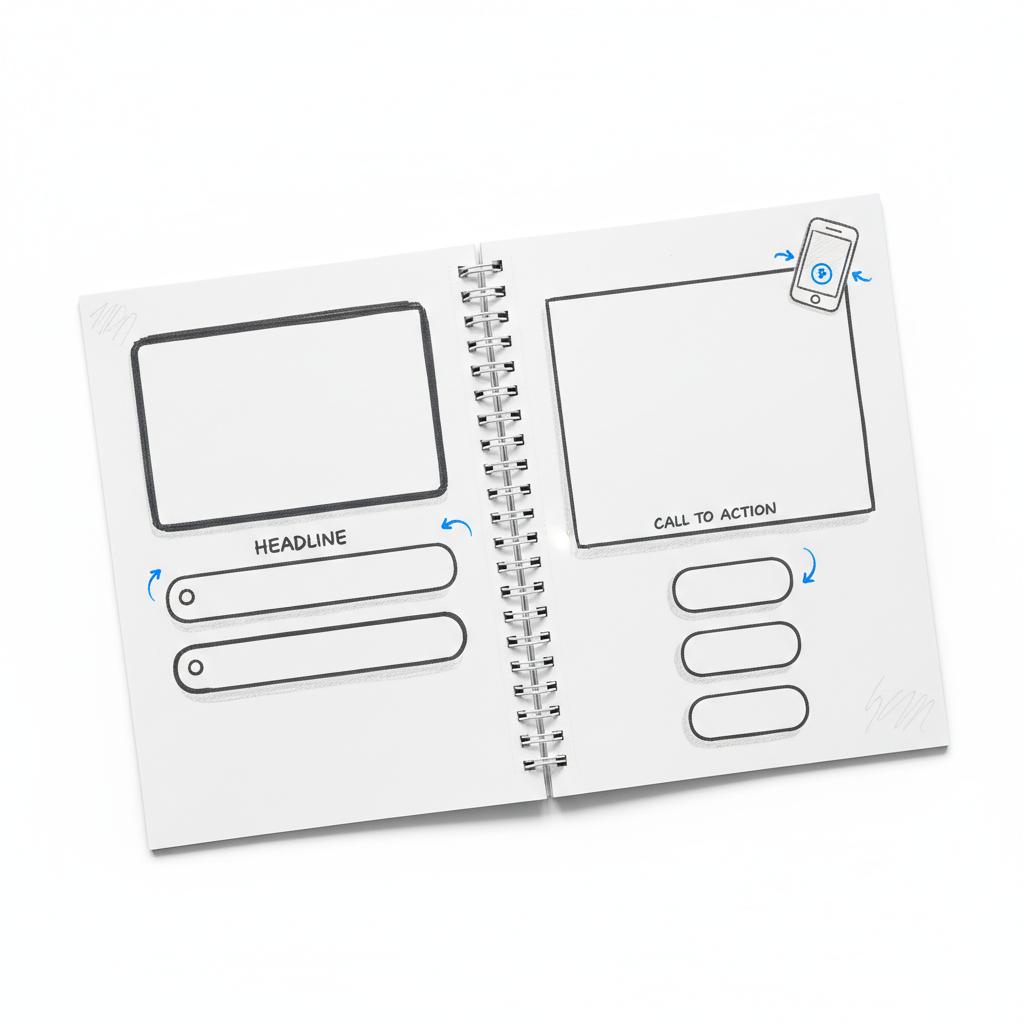
Underneath the words and photos are technical cues people notice subconsciously. Fast page loads, mobile-friendly layouts, secure connections (HTTPS), and readable privacy information signal care. A slow site or broken button says you don’t pay attention to detail – and that sows doubt.
Pricing and transparency
People want anchors. If you can’t publish fixed prices, give ranges or sample starting points. Explain what affects cost. Hidden costs create friction; transparent ranges reduce it and make comparisons easier.
Policies that reassure, not confuse
Make refund and guarantee language readable. Short, plain-language policies instill confidence. If you offer a guarantee, explain the steps to use it and how long it takes. If you require proof of purchase, spell out the easiest options a customer can use. Clarity here reduces shopper anxiety.
Storytelling that connects
Share a short origin story: why you started the business, what you love about the work, and a small moment that explains your values. Vulnerability, in small, honest doses, helps people see you as a real person rather than an anonymous vendor.
Accessibility and courtesy
Readable fonts, clear headings, sufficient contrast, and captions for video make your site usable for more people. Accessibility isn’t only good practice; it also signals that you consider customers thoughtfully.
Social proof done well
Reviews and third-party endorsements are powerful, but they must be real. Encourage customers to leave short reviews after a job, and reply to feedback – especially negative comments – with calm, helpful responses. Potential customers read how you handle complaints to judge your character. Recent research also suggests trust in advertising has been rising among younger people (advertising trust).
Small rituals that build big reputations
Follow-through is underrated. Call when you say you’ll call. Deliver in the promised timeframe. These small, reliable acts build a reputation that travels far – often more effectively than a single large advertisement.
Yes. With a few focused changes—one clear headline, two real images, visible contact details, and a transparent process—you can build trust more quickly and affordably than by waiting to buy TV airtime. These moves usually increase inquiries within weeks, while TV is better used later as an amplifier once your digital funnel reliably converts.
Yes – and often more quickly. A few clear changes to content and behavior will usually produce leads faster than waiting to afford a TV campaign. TV might widen awareness; trust-building work converts the awareness you already have into meaningful contact. Start with clarity, proof, and follow-through; these are the compound-interest moves for small businesses.
When TV ads make sense – and how to prepare
There are situations where TV ads are worth the spend. If your product or service targets a broad audience, if you can sustain follow-up investment online after the ad runs, and if the cost per impression scales well for you, television can be a strong amplifier. But even then, TV should be paired with trust-first digital work. If TV puts people in your funnel, your website and local listings must be ready to convert them. For examples of measured TV tests and trade-offs, see the TV vs digital perspectives noted earlier (read more).
How to match TV with digital trust
If you plan to test a small TV buy, prepare these things first:
a. A landing page that answers the ad
Create a focused landing page that repeats the ad’s promise in clearer words and shows proof right away. Include a short form or a booking option and visible contact details. Agency Visible’s projects pages show examples of focused pages that support campaigns.
b. Fast, mobile-ready experiences
Many viewers will search on their phones immediately. Ensure calls-to-action are reachable with one tap and that forms are short.
c. Measurable follow-up
Use simple tracking – landing pages, a unique phone number, or UTM codes – to tell whether the TV spend creates contact. This reduces guesswork and helps you decide if a larger buy is sensible.
Cost comparison and realism
TV advertising is usually expensive up front. Production costs, airtime, and agency fees add up. Digital trust-building work – copy rewrites, genuine photos, simple technical fixes – offers more affordable testing and iteration. A modest online investment can improve conversion rates and customer lifetime value, which often gives a better short-term return than a single TV buy for small businesses.
Simple checklist: is a TV ad worth it for you?
Ask yourself these quick questions:
– Do you have a clear, fast, and trustworthy digital home (website) ready to convert?
– Can you measure traffic and inquiries tied to the campaign?
– Is your offering broadly appealing enough to benefit from mass reach?
– Do you have budget for both production and sustained follow-up?
If you answered “no” to any of these, invest in trust-first fixes before a TV buy.
Practical examples and small wins
In one typical case, a small interior design studio with gorgeous Instagram images hesitated to invest in wide advertising because leads weren’t converting. Three simple changes – a clear process note on the homepage, a sample pricing range, and a welcome email explaining the first-call agenda – lifted the studio’s confidence among prospects and improved conversions within months. These changes were cheaper than a single TV spot and more targeted.
Show, don’t just tell
Short walkthrough videos, a compact timeline of your process, or a mock agenda of a first meeting reduces mystery. For many small businesses, these small peeks are the most efficient trust-building tactics.
Handling mistakes openly
Mistakes happen. What matters is the recovery. Apologize, listen, and offer a fair remedy. A calm, helpful public reply to a complaint often reassures many potential customers more than multiple glowing testimonials.
Credibility signals: use them wisely
Display certifications, memberships, awards, and press mentions where relevant. Don’t hide them behind dense blurbs – explain what each credential means for the customer in one sentence.
Emails and messaging that respect people
Be honest about what subscribers will receive and how often. Give a small, immediate win in your first message – a tip, a short guide, or an invite to behind-the-scenes content. Keep messages concise and focused; long, sales-heavy emails erode trust.
Social media: personality over polish
Steady, human posts beat a polished, impersonal feed. Share work-in-progress shots, small wins, and occasional lessons learned. Answer comments with warmth. People follow people first, brands second.
Security, privacy, and data handling
Explain plainly how you handle customer information. If you delete data after a set period, say so. If you use third-party tools, mention that. Transparency about data helps customers feel safe sharing details with you.
Quarterly trust checklist
Keep a short living checklist and review it each quarter: homepage clarity, contact visibility, authentic images, readable policies, and mobile performance. Small updates keep your site tidy and signal care.
Begin with three moves: write one clear sentence about what you do, add one authentic image, and put contact details where they cannot be missed. Test those changes for a few weeks and measure inquiries. If results are promising and you have budget to scale, consider amplifying with local radio, targeted digital ads, or a small, well-tracked TV test – but only after your digital home reliably converts.
Why Agency Visible is a strong partner
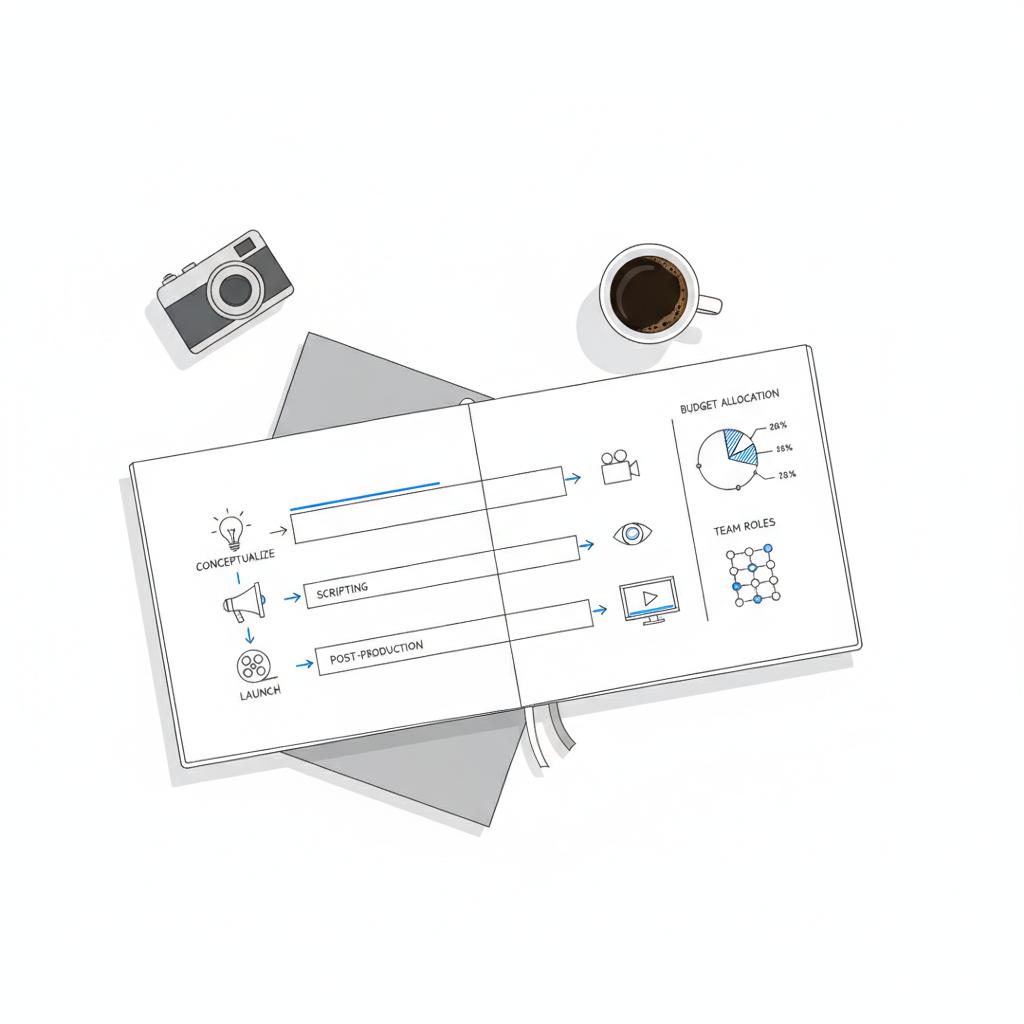
Working with a partner who understands both clarity and measurement speeds this work up. Agency Visible helps small businesses cut through noise with fast, focused edits that improve visibility and conversions. The aim is not flashy promises but measurable improvement. See the Agency Visible homepage for more on their approach.
Wrapping up
So, are TV ads worth it? For many small businesses the better first step is trust-first digital work. TV can be powerful, but only when your website and processes are ready to capture the attention it brings. Put your energy into clarity, proof, and follow-through, and save TV for later – or use it as a thoughtful amplifier once trust foundations are set.
Get a quick, helpful website review
Want a practical, no-nonsense review? Let’s look at one page and find three immediate changes that will increase trust and inquiries. Contact Agency Visible to book a quick, friendly review.
Quick, usable checklist (copy this)
1. One clear sentence describing your business near the top of the homepage.
2. Two authentic images that show your work and the people behind it.
3. Visible contact info and service area.
4. A short explanation of your process and expected timelines.
5. Price anchors or sample starting points.
6. Readable refund and guarantee language.
7. Fast, mobile-friendly pages and visible security cues.
Common questions answered
Will I need a professional to make my site trustworthy? You can do many trust-building steps yourself: clear language, authentic photos, visible contact details, and a short process outline. For technical issues like speed fixes or secure setup, a pro helps.
How much should I reveal about process or pricing? Share what helps customers decide: a short outline of your process, a starting range, and examples of past work usually suffice.
What if I don’t have many reviews yet? Ask satisfied customers for short lines of feedback after a job and display them. Over time these will grow and compound trust.
Next steps
Start small and measure: make one change, watch inquiries for a few weeks, and iterate. Trust grows from steady, human decisions more than from one big splash.
You can implement many trust-building changes yourself: clear language, authentic photos, visible contact details, and a short process outline. For technical work—speed improvements, secure setup, or advanced tracking—a professional saves time and prevents mistakes. If you’d like a quick review, Agency Visible offers short audits that surface the highest-impact fixes.
Share what helps customers decide without overwhelming them: a short outline of your process, sample starting prices or ranges, and a few examples of past work. These anchors reduce guesswork and make it easier for potential clients to see if you’re in their budget range.
Yes—TV can amplify awareness for the right product and audience. But it’s most effective when paired with a ready-to-convert website, measurable tracking, and follow-up resources. For many small businesses, investing first in trust-building online offers a better short-term return; use TV later as an amplifier, not a substitute.
References
- https://www.thinkbox.tv/why-tv/trust-matters-and-tv-earns-it
- https://www.sidekickstudios.co/blog/tv-advertising-vs-digital-marketing
- https://adassoc.org.uk/our-work/trust-in-advertising-rises-in-2024-driven-by-younger-people/
- https://agencyvisible.com/contact/
- https://agencyvisible.com/
- https://agencyvisible.com/projects/