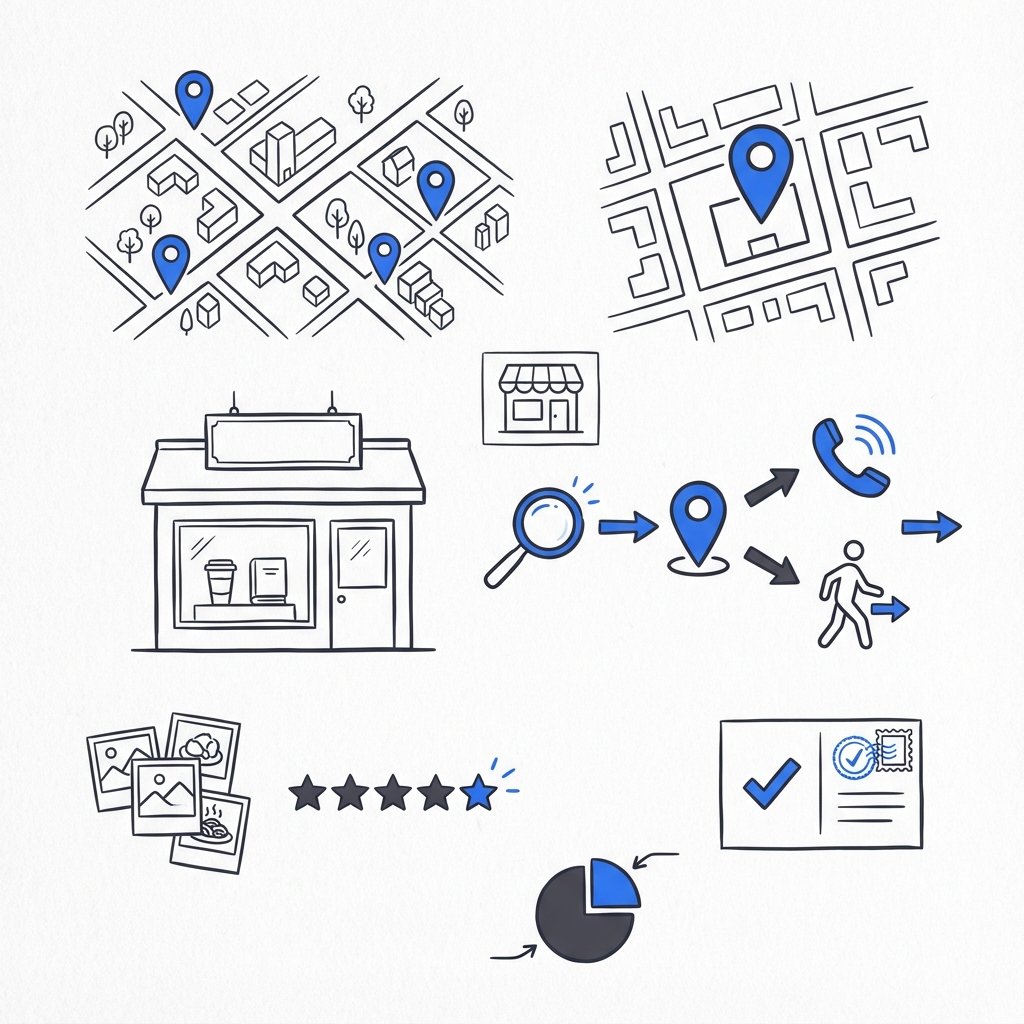
Are radio ads still effective?
If you’ve asked “are radio ads effective?” lately, you’re not alone. The question is practical, not nostalgic: marketers want to know if radio deserves budget in 2025 alongside streaming, social, and search. The short answer is yes – but only when you plan around clear objectives, instrument campaigns properly, and match creative to the medium. This article walks through why radio still matters, what different audio formats do best, and the practical steps to run pilots that teach you something real.
Why radio still matters (and why it won’t vanish)
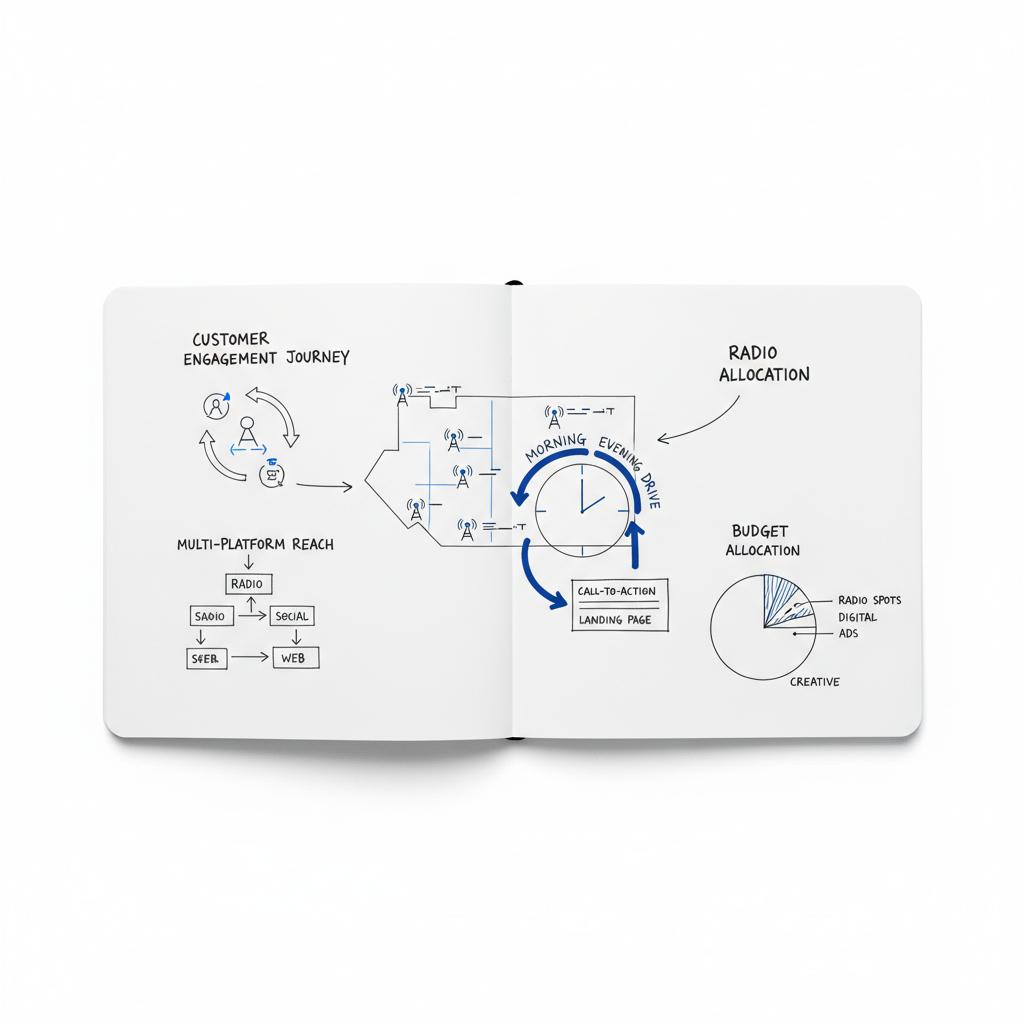
Picture a weekday morning commute: a driver, a barista, a parent on their way to work. Somewhere in those moments, AM/FM radio delivers a voice that feels familiar. That voice builds frequency and trust in ways some digital impressions can’t. Weekly reach estimates for AM/FM radio in recent years have hovered very high – often near 80-90% of U.S. adults – which is hard to match by a single digital channel. So when people ask are radio ads effective, part of the answer is simply scale: radio still moves ears in large numbers. A clear logo helps listeners recognize your brand in local spots.
But scale is only one piece. Radio offers timing (dayparts), local context (station and DJ relationships), and the human quality of a spoken voice. Streaming audio and podcasts layer precision, clicks, and stronger measurement. The best strategies in 2025 mix these strengths rather than treating audio channels as antagonists.
Design a measurable audio pilot with Agency VISIBLE
Want a quick pilot plan to test audio in your market? Agency VISIBLE helps set up small, measurable audio pilots and tracks results so teams can decide with confidence. Learn how to design a test that shows real ROI and avoids common measurement traps – all without overcomplicated setups.
Numbers that frame the conversation
Here are some quick framing facts marketers should know when deciding whether audio belongs in the mix: across ad-supported media consumption, audio typically accounts for roughly a quarter of time spent; yet ad spend on audio has historically been much smaller than that share of attention. In plain terms, people are listening more than the ad market reflects – a structural gap worth noticing. For recent listening and reach data see Nielsen’s Q1 audio listening trends and Edison Research’s Q1 report, and for context on measurement and ROI see how new metrics clarify radio and podcast ROI.

Digital audio – streaming, programmatic buys, and podcasts – continued steady growth in 2024 and into 2025. Programmatic audio and targeted streaming offer better audience precision and clearer digital signals. But traditional radio frequently delivers lower CPMs for broad reach, making it very efficient for local promotions and brand salience. When people ask “are radio ads effective?” they usually mean how the CPM, reach, and conversion line up for their specific objectives. That’s why context matters.
How different audio channels perform and what they’re good for
AM/FM radio: The heavyweight for reach and frequency. Local advertisers use it for mass awareness, drive-time promotions, and events. If the goal is to make a brand known across a metro area quickly, AM/FM often gives the best cost per thousand listeners.
Streaming audio and programmatic: Precise targeting, device-level buys, and clearer clicks. Streaming is a strong fit when you want measurable responses and to reach younger or more digitally native listeners.
Podcasts: High engagement and host credibility. When a host endorses something, listeners often respond with more trust. But podcasts are typically a smaller slice of total audio spend and should be used when depth of engagement matters more than instant scale.
Measurement has come a long way – but it still needs work
Measurement used to be the main reason buyers hesitated. Today, established radio metrics like GRPs and Nielsen Audio panels still matter. In addition, addressable radio and local attribution tools let advertisers test business outcomes more like digital campaigns.
Incremental lift studies and controlled experiments remain the gold standard. Those methods compare a treated area with a control area and measure calls, visits, or sales. If you’re wondering are radio ads effective for driving business outcomes, run a lift study and you’ll get an answer that beats anecdote.
Often yes for local conversion goals. AM/FM frequently provides broader, cheaper reach across a metro area, which can move foot traffic and calls faster than niche digital buys. But combining AM/FM with targeted streaming or podcast ads and instrumenting each channel provides the clearest answer for your business.
Where to instrument your campaign for clear signals
The simplest ways to capture measurable outcomes are also the most practical: unique landing pages, promo codes assigned by station or partner, and call-tracking numbers. These tactics don’t capture brand lift perfectly, but they give direct signals of response.
For broader brand outcomes, combine short-term direct-response metrics with brand uplift surveys. Track website visits, store foot traffic, coupon redemptions, and repeat visits. If you can link digital signals back to an audio exposure window, you’ll better understand delayed responses that happen hours or days after the broadcast.
A sensible audio strategy for 2025
Start with clarity on your main objective. Build the media mix from there. If awareness across a metro is the goal, anchor the plan in AM/FM to get cost-efficient reach. Then layer streaming audio to reach younger or more targetable segments. Bring in podcasts when you need endorsement, credibility, or highly engaged listeners for a niche offer. Learn more about the agency’s approach at Agency VISIBLE.
If your team needs help turning theory into a pilot, set up measurable audio pilots with Agency VISIBLE. They help teams track calls, landing pages, and lift studies without overcomplicating execution – a practical nudge rather than a hard sell.
How to design a pilot that actually teaches you something
Good pilots begin with a tight hypothesis. Example: a two-week AM/FM flight in Market A combined with a streaming audio flight using the same creative will drive a 6% lift in store visits vs. Market B. Keep creative, flight dates, and CTAs the same across channels so you’re isolating channel effect.
Select comparable markets or use ZIP-code level geo-targeting for treatment and control. Choose a measurement window long enough to capture delayed action. Track multiple signals: web visits, calls, foot traffic, coupon redemptions, and a small brand lift survey if possible. When the pilot ends, analyze both direct response and brand signals – which creative worked, how frequency impacted visits, and whether the mix reduced or amplified overlap.
Practical steps – a checklist for your first audio pilot
1) Define a clear KPI (store visits, calls, or online conversions). 2) Pick comparable markets or ZIP-code groups for control. 3) Use the same creative and CTA across channels. 4) Assign unique landing pages and promo codes. 5) Set up call tracking for station-driven leads. 6) Run the test long enough to capture delayed responses. 7) Analyze conversion lift and creative performance, not just CPMs.
Common mistakes and how to avoid them
Many advertisers make avoidable mistakes. One is treating radio as an either/or decision; instead, each audio format serves a different funnel role. Another is under-instrumenting: no unique URLs, no promo codes, no call-tracking. If you can’t measure, you can’t learn.
A common creative error is writing a spot that tries to say everything. A strong 30-second spot focuses on one idea with a clear hook, human voice, and memorable CTA. Overproduced noise or display-style copy tends to underperform on air.
Lastly, don’t ignore audience overlap. Running AM/FM and streaming at once can produce duplicate exposures. That might be useful – or wasteful. Pilots help you understand how much overlap matters in your case.
Creatives that tend to work on radio and digital audio
Start with the first five seconds: that’s where you win attention or lose it. Use a natural voice that fits the brand. If you’re local, name the town or a recognizable landmark. For streaming audiences, match the platform tone. Keep music and effects supportive. End with a precise CTA: a short promo code, a short URL or a memorable phone number.
Test variations: voice type, CTA phrasing, 15 vs 30 seconds, host-read vs produced reads. Small changes often move response rates more than large strategic shifts.
Measurement methods explained in plain language
GRPs and reach/frequency are planning tools that show how many people hear your ad and how often. Nielsen Audio provides demographic and daypart data for AM/FM. For local attribution, addressable platforms can tie impressions to households in a targeted way.
Incremental lift testing is the cleanest method: randomize markets or ZIP codes, pick a KPI, and measure the difference. If you can’t run a controlled experiment, triangulate impact with unique URLs, promo codes, and call tracking. Use both short-term and long-term measures: direct response metrics and brand surveys.
Costs, CPMs, and ROI – what to expect
Expect differences by market and objective. Local AM/FM often shows lower CPMs for broad reach. Streaming and programmatic commonly have higher CPMs but better targeting. A lower CPM doesn’t always mean better ROI; if streaming reaches a much more qualified audience that converts better, the higher CPM can still be worth it.
So when people ask are radio ads effective in terms of ROI, the answer is: it depends on your objective, creative quality, and measurement. Use pilots to observe conversion lift per dollar in your context.
Open questions and risks to keep an eye on
Creative quality still often matters more than channel choice. Audience measurement has improved but can leave blind spots, and cross-channel attribution requires experiments and linked digital signals. Markets and listening habits shift; what worked last year may need tweaks this year.
Also, don’t treat radio as a set-and-forget buy. Regular reassessment and testing keep your mix responsive.
Short case examples that show the choices
A local bookstore combined AM/FM drive-time spots with streaming buys targeted at arts-interested listeners. They used a unique promo code and landing page; weekend foot traffic rose noticeably and was easy to attribute to the mixed audio flight. See similar examples in our portfolio. In contrast, a regional service brand ran podcast-heavy buys without local radio and saw awareness rise among a niche audience – but not the local weekend calls they needed. Lesson: scale matters when local conversions are the goal.
Quick FAQ – the marketer’s quick answers
Are radio ads effective? Yes – when planned with clear objectives and measurement. AM/FM still delivers huge weekly reach; digital audio brings precision and measurability.
How do I compare radio ROI to digital channels? Run pilot tests and incremental lift studies. Compare CPM and conversion rates for your creative and audience. CPM is one input; conversion is the other.
Is podcast advertising worth the cost? It can be, for niche or credibility-driven goals. Expect smaller scale and higher per-impression costs. Use podcasts for depth rather than mass reach.
Final checklist before you buy
Clarify objective, match the right audio channels, instrument the campaign, run a pilot with a control, keep creative tight, and measure both short-term and brand effects. If you move forward with curiosity and measurement, audio can be an efficient and effective part of a modern marketing mix.
In the noisy market of 2025, sound still carries power. Plan carefully, test small, and let real results guide where you scale.
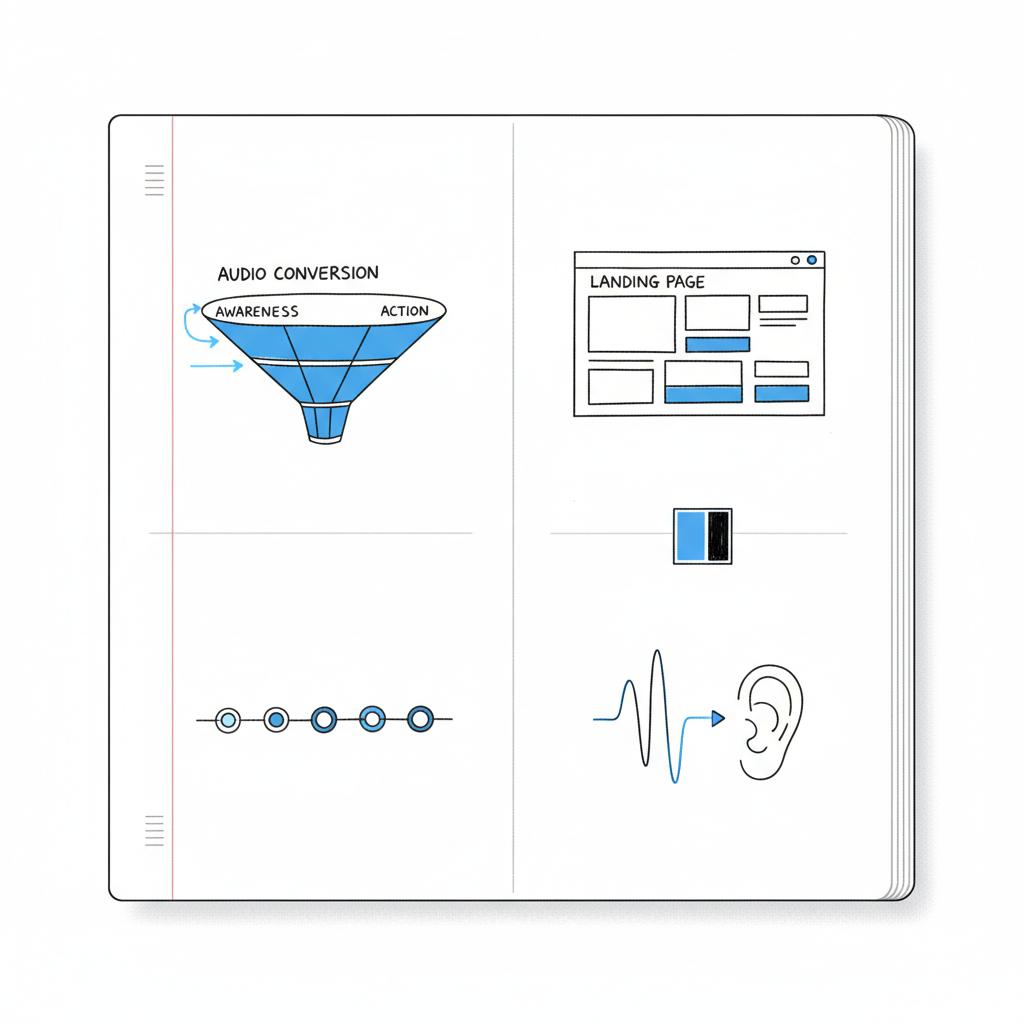
Yes — radio ads remain worth the budget when your objective is wide local reach, awareness, or frequent exposure. AM/FM often delivers lower CPMs for mass reach, while streaming and podcasts offer better targeting and measurability. The best approach is to run small pilots that compare costs and conversion lifts in your markets so you can see which mix delivers better business outcomes.
Instrument your campaigns with unique landing pages, promo codes, and call-tracking numbers. For stronger evidence, run a geo-based incremental lift test: run the campaign in a test market and silence it in a matched control market, then compare visits, calls, and sales. Combine short-term direct response metrics with longer-term brand surveys to capture the full effect.
Yes. Agency VISIBLE works with small and mid-sized teams to design measurable audio pilots, implement unique landing pages and call tracking, and interpret lift studies so you can decide where to allocate audio budget. They focus on practical, measurable outcomes rather than big, noisy buys.
References
- https://www.nielsen.com/insights/2025/the-record-q1-audio-listening-trends/
- https://www.edisonresearch.com/the-record-q1-2025-u-s-audio-listening-trends/
- https://www.insideradio.com/free/as-audio-expands-new-metrics-clarify-radio-and-podcast-roi-for-marketers/article_04a197fc-148f-49d7-90e3-210749bc722f.html
- https://agencyvisible.com/contact/
- https://agencyvisible.com/
- https://agencyvisible.com/projects/