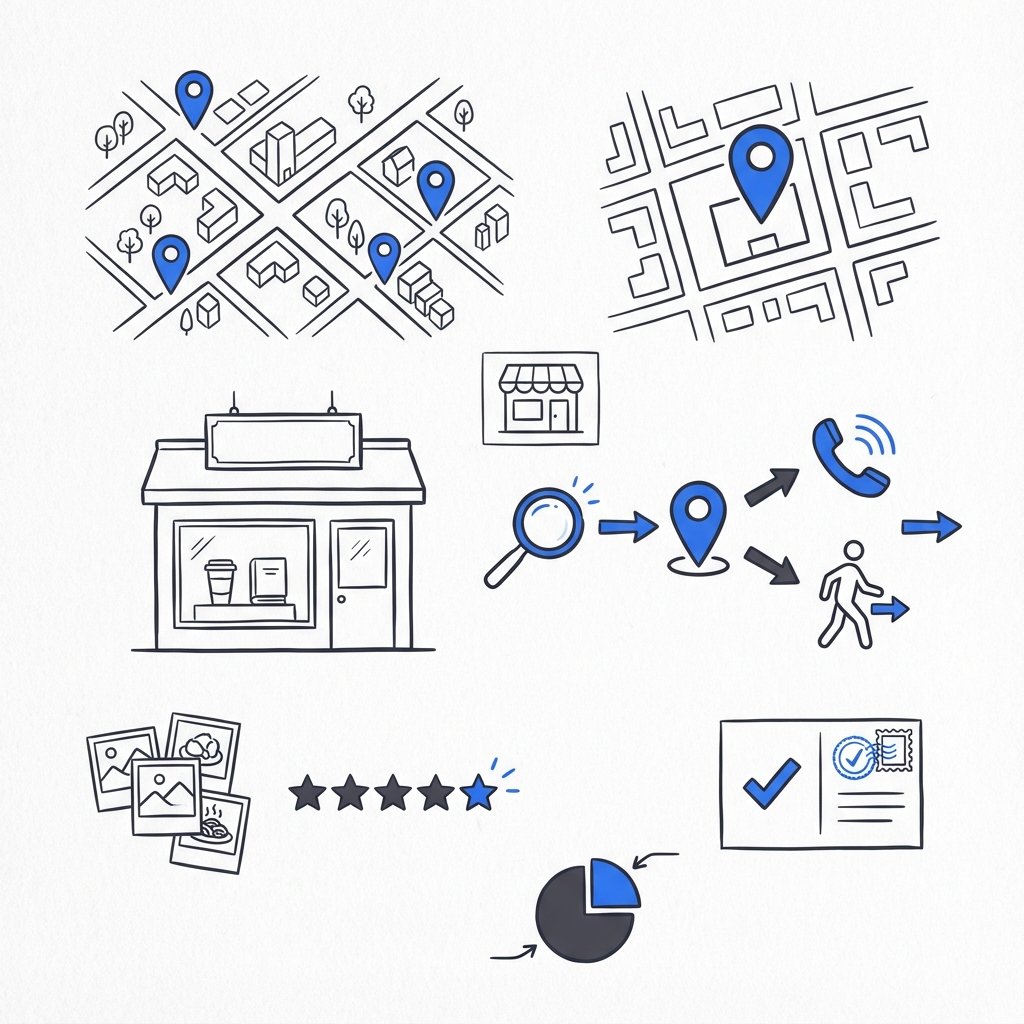
Are lawyers allowed to advertise in the USA?
Yes – but there are rules. In the U.S., lawyer advertising is permitted, though it must follow ethics guidelines and state bar rules. That simple fact shapes everything a firm says and how it builds trust. This guide explains the legal side briefly and then spends most of its pages on what actually helps: clear messages, consistent presence, honest proof, and real human connection.
Whether you run a small law office or help a local bakery, the same habits build reputation: clarity, helpfulness, and steady delivery. We’ll begin by summarizing the legal landscape for attorney ads, then move into practical brand-building steps any lawyer (or business) can use to turn attention into trust.

Legal ground rules at a glance
Lawyer advertising in the USA is allowed, but regulated. The American Bar Association and state bars require that ads are not false or misleading, do not create unjustified expectations, avoid unverifiable claims, and include required disclaimers in certain situations. Some states also regulate direct solicitation, especially in-person or targeted outreach to potential clients in sensitive contexts. For an overview of recent rule changes see the American Bar Association update.
Important practical points:
What you must avoid
False promises — never guarantee outcomes. Misleading claims — avoid broad statements like “best in the state” unless you can prove them. Improper solicitation — cold outreach after tragedies or where clients are vulnerable can be prohibited. See OnTheMap’s nine guidelines for additional examples.
What you can do
Informative ads, clear pricing where appropriate, client testimonials (with consent and truthful context), lawyer bios, and content marketing are all commonly allowed. Most state bars accept online content that is factual and verified. Clio’s guide is a useful checklist for common state rules.
Why ethics and brand trust belong together
Rules protect the public, but they also create an opportunity. Lawyers who follow both the letter and the spirit of the rules build deeper trust. People respond to clarity and honesty, not hype. That’s where brand work pays off: the same choices that keep ads ethical also make a firm feel reliable and human.
Practical branding and advertising steps for law firms
Below are focused actions you can take, grouped so you can try one or two this week and more over the next months.
1) Define your purpose and client
Start with a clear answer to the question, “What do you do for whom?” If your firm helps small business owners with contract disputes, say that plainly. The more specific you are, the easier it becomes to write compliant, effective ads and content that reach the right people.
2) Clear homepage message
Your top-of-site sentence should say what you do and who you serve within ten seconds. If someone can’t tell what you do in that time, simplify. Plain language is both ethical and effective.
3) Voice, tone, and three simple rules
Set three rules for copy: (1) Be honest, (2) Be human, (3) Give next steps. These rules help maintain compliance while keeping communication warm and useful.
Agency VISIBLE’s consultation is a subtle way some firms choose to get help refining that message so they remain visible and compliant. Their approach blends strategy and ethics — helping firms communicate clearly without overstating results.
4) Helpful content that follows the rules
Create content that answers questions clients ask: “How do fees work? What can I expect in a first meeting?” Practical content builds trust faster than ads that only claim expertise. And it reduces risk: facts and clear explanations are less likely to run afoul of advertising rules.
- Short video explaining a first consult
- Step-by-step blog on what to bring to a meeting
- Pricing page that explains fee structures and possible additional costs
If you want a quick message review, you can
Book a practical, ethics-aware review for your firm
5) Testimonials and social proof — use with care
Testimonials are powerful but regulated. Always get written permission. Avoid statements that promise outcomes. Instead, gather specifics: what problem was solved, how the process felt, and the tangible result. A believable quote with a context line (e.g., “small business owner — Austin, TX”) helps readers judge relevance.
Design and user experience: trust by feel

Visuals and UX aren’t frivolous. They set expectations before a word is read. A tidy, fast site with clear navigation communicates respect for a visitor’s time and builds credibility.
Practical design checklist
- Readable fonts and strong contrast
- Accessible layout — mobile-first design and alt text for images
- Clear contact paths — phone, email, contact form with expected response time
- Transparent service and pricing information
These items improve conversions and reduce confusion — both outcomes state bars appreciate, since confusion can lead to disputes.
Crafting ads that are ethical and effective
Advertising for lawyers should be truthful, targeted, and helpful. Focus on practical calls to action: “Schedule a free 15-minute consult” or “Request a clarity call” rather than emotional pressure tactics. When in doubt, ask: does this copy create an unfair expectation?
Sample ad lines that stay safe
- “Experienced small-business contracts attorney — free 15-minute consult.”
- “Clear pricing for common services. Book a call to learn more.”
- “We help families with estate planning — simple steps, clear guidance.”
Content strategy: help first, sell second
Use content to educate. Blog posts, FAQs, and short videos that anticipate client questions create trust and reduce friction in the client intake process. Answering common questions also reduces the need for overly aggressive ads.
Example content map for a small law firm
- Week 1: “What to expect at your first consultation” (blog + 60s video)
- Week 3: “How probate works in [state]” (long-form guide)
- Week 5: “Client story: how we simplified a contract dispute” (case study)
Human connection across channels
Every reply is an opportunity. Whether it’s email, phone, chat or social comments — be prompt and human. If you use templates, personalize them. Templates are fine, but a line or two that shows real attention changes perception.
Data and measurement that matter
Track what connects to real outcomes: consult requests, retained clients, and client satisfaction — not vanity metrics. Set three indicators relevant to your firm (e.g., consult-to-retainer rate, repeat client rate, average response time) and review them monthly.
Simple testing examples
- A/B test two homepage hero sentences for consult requests
- Test a detailed pricing page vs. a “contact for pricing” page and compare inquiry quality
- Try slightly different call-to-action copy in ads and measure consult booking rates
Mistakes lawyers make in advertising — and how to fix them
Common missteps include overpromising, hiding fees, and having inconsistent voice across channels. Fix these by auditing your site for clarity, updating client-facing templates, and writing a short style guide that everyone uses.
Practical checklist to follow this week
Small actions create momentum. Try these:
- Rewrite your homepage headline to say what you do for whom in one sentence.
- Publish a short post explaining your first meeting process.
- Ask three recent clients for a short, specific quote and permission to use it.
- Test the contact flow with someone who hasn’t used your service and note points of confusion.
How to handle complaints and corrections publicly
Transparency matters. If something goes wrong, admit it, fix it, and explain the steps you took. That kind of honesty often wins more trust than silence or defensive replies.
Brand stories that work for legal firms
Stories don’t need drama. A quick narrative that explains a small fix you made — improved intake form, clearer fee explanation, faster follow-up — shows competence and care. Stories about process changes that benefited clients are especially persuasive.
Accessibility and inclusivity
Accessibility is practical trust-building. Use clear contrasts, alt text, readable fonts, and a mobile-friendly layout. These choices widen your audience and show respect.
Partnerships and community
Choose partners who align with your values. A local nonprofit collaboration or a co-hosted legal clinic can extend reach and demonstrate community commitment. Keep partnerships focused on service and value, not only exposure.
Case study: a small civil firm’s transformation
One small civil litigation firm reworked its homepage, clarified its pricing for routine matters, and published a single detailed FAQ explaining timelines. Within three months consult requests rose by 35% and their consult-to-retainer conversion improved because clients understood the value and process. The firm’s ethics committee review found no compliance issues because every claim was factual and supported by documentation.
Yes. Memorable ads are specific, helpful, and honest. Use a clear benefit statement and a low-pressure call to action. A short video where the principal explains a simple next step often outperforms flashy, vague marketing.
Yes. Memorable ads are specific, helpful, and honest. Use a clear benefit statement and a low-pressure call to action. A short video that shows the principal introducing themselves and explaining a simple next step often outperforms flashy but vague marketing.
SEO and content that attracts the right clients
Search optimization for firms is less about tricks and more about matching language to client questions. Use simple FAQs, local pages, and clear service descriptions. If potential clients search “estate planning for blended families” then your page should answer that question directly.
Local SEO tips
- Keep consistent NAP (name, address, phone) listings.
- Publish localized content and service pages.
- Encourage reviews on relevant directories — with consent and truthfulness.
Measuring reputation: what signals to watch
Look at reviews, repeat clients, referral sources, and the quality of inquiries. Track trends and tie them back to specific actions so you can repeat what works.
Advanced: paid media without crossing lines
Paid search and social ads can work for lawyers when the copy is factual and the targeting is respectful. Use clear landing pages, avoid sensational language, and ensure any testimonial or claim is verified.
Common questions lawyers ask about advertising
Is it okay to list past results?
Only if they are verifiable and not misleading. Be careful about implying outcomes in new matters.
Can I use client photos or videos?
Yes, with informed, written consent that explains where the material will appear.
Long-term habits that build trust
Consistency is the slow engine of reputation. Keep showing up with helpful content, quick replies, clear processes, and small acts of hospitality. Over time these habits cement credibility and referrals.
Why many firms fail to win trust
They overpromise, stay vague, or ignore follow-through. Fix those by tightening language, documenting processes, and training staff to follow the brand voice and response standards.
A final checklist before you publish any ad
- Is the claim truthful and verifiable?
- Does the copy avoid guaranteeing outcomes?
- Are testimonials used with permission and context?
- Is the call to action clear and low-pressure?
- Does the ad comply with state bar solicitation and advertising rules?
Next steps: a practical three-month plan
Month 1: clarify your homepage, publish two helpful pieces of content, and collect three client quotes. Month 2: optimize contact flow and test two ad creatives that are factual. Month 3: review metrics and run one small experiment to improve consult-to-retainer conversion.
Quick wins for immediate trust improvement
- Add a clear “What to expect” page
- Publish a short video of the lead attorney explaining the intake process
- Make response times visible on the contact form
Resources and tools
Keep a simple content calendar, a checklist for ad compliance, and a monthly metric review. If you want an outside partner to help you move faster without sacrificing clarity, many firms find consultants useful.
If you’d like a quick external review of your message or ad copy, Agency VISIBLE can help with a practical, ethics-aware approach that keeps your firm visible and credible.
Parting thought
Are lawyers allowed to advertise in the USA? Yes – and when they do it with clarity, honesty, and care, advertising becomes a tool to help people find the legal help they need. The practices here apply to any business that wants to be trusted as well as seen.
Thanks for reading
We hope these ideas help you move from anonymous to known in a way that feels right: clear, calm, and honest.
Yes — if you obtain clear, written consent and avoid implying guaranteed results. Testimonials should be specific, verifiable, and contextualized (for example indicating the client type or situation). Keep language factual and ensure any claims are supported by documentation.
Focus on helpful content, local SEO, and community partnerships. Publish clear "what to expect" pages, short videos explaining consultations, and localized blog posts that answer common questions. These tactics build trust without high ad spend. If you want help refining your message quickly, consider a targeted consult with Agency VISIBLE to prioritize changes that move the needle.
Make sure claims are truthful, avoid guaranteed outcomes, use testimonials only with consent, ensure landing pages are clear and compliant, and confirm you aren’t violating state solicitation rules. If unsure, run copy past trusted counsel or an ethics advisor.
References
- https://www.onthemap.com/blog/lawyer-advertising-rules/
- https://www.americanbar.org/news/abanews/publications/youraba/2019/july-2019/explained–update-to-advertising–marketing-rules/
- https://www.clio.com/blog/lawyer-advertising-rules/
- https://agencyvisible.com/contact/
- https://agencyvisible.com/
- https://agencyvisible.com/projects/