Are Google Ads worth the money? A practical, humane look
Google Ads can feel like a faucet for new customers: turn it on and leads appear. But faucets leak, and sometimes the water drains away faster than you expect. This article shows how to treat Google Ads as one part of a resilient, human-centered digital presence—when they pay off, when they don’t, and how to measure what truly matters.
Paid search is attractive because it promises control: you can pick keywords, set budgets, and appear when someone types a query. Yet control is not the same as value. The right context—matching intent, landing page clarity, and follow-up systems—turns clicks into customers. Without that context, paid clicks can be expensive distractions. A small visible logo can help visitors recognise the source.
Why context matters more than impressions
Paid search is attractive because it promises control: you can pick keywords, set budgets, and appear when someone types a query. Yet control is not the same as value. The right context—matching intent, landing page clarity, and follow-up systems—turns clicks into customers. Without that context, paid clicks can be expensive distractions.
Start by asking the right question
Before buying clicks, ask: what specific outcome am I buying? Is it a booked appointment, a product sale, a request for a consultation? If your conversion event is fuzzy, your ads will be too. Clear outcomes keep campaigns focused and measurable.

Key idea: Treat Google Ads like a short, sharp experiment that plugs into longer-term channels: your website, email, and service delivery. When those systems are ready, paid search amplifies them.
When Google Ads are worth the money
There are situations where Google Ads are almost always a sensible investment:
1. You have a clear transactional offer. If customers can buy or book immediately—an e-commerce product, a local service with visible prices, or a time-limited offer—Google Ads can return predictable revenue.
2. You need immediate visibility. Launching a new product, promoting a seasonal offer, or responding to a competitor requires speed. Ads deliver that speed while you build organic momentum.
3. High-intent keywords map to profitable margins. When search terms signal purchase intent (e.g., “buy”, “hire”, “book”), the conversion rates and customer lifetime value can justify ad spend.
4. You have a tested landing page and a follow-up system. Paid traffic is only valuable when the landing page converts and you have an email or sales process to follow up on leads.
When Google Ads are often not worth the money
There are also times to pause before launching ads:
1. You’re unclear what to measure. If you can’t link ad clicks to a real business outcome, you’ll waste budget. Define conversions first.
2. Your website is slow or confusing. A paid click to a broken or unclear page wastes two things: money and trust.
3. Margins are too thin. Low-margin products can make paid acquisition losses unavoidable unless lifetime value rises significantly.
4. Your product-market fit is untested. Ads amplify failure as easily as success. Test product-market fit with small organic experiments first.
Budgeting: a realistic approach
Budgeting for Google Ads should be an exercise in conservative forecasting. Start small and scale what works. A simple framework helps:
Estimate value per conversion: If an average customer spends $200 and your purchase frequency is 2x per year, the conservative first-year value might be $200.
Set a target CPA (cost per acquisition): Decide what you can pay to break even or profit. If your break-even CPA is $50, start with bids that aim for that or lower.
Begin with a test budget: Allocate a small, fixed amount—enough to reach statistical significance for the keywords you’re testing. For many local businesses, $500–$2,000 over 4–8 weeks provides actionable signals. For industry benchmarks and broader context, see the Google Ads benchmarks.
Scale with confidence: When campaigns hit target CPA and your landing page converts consistently, increase budget by measured increments (20–40%).
Landing pages: where ads win or lose
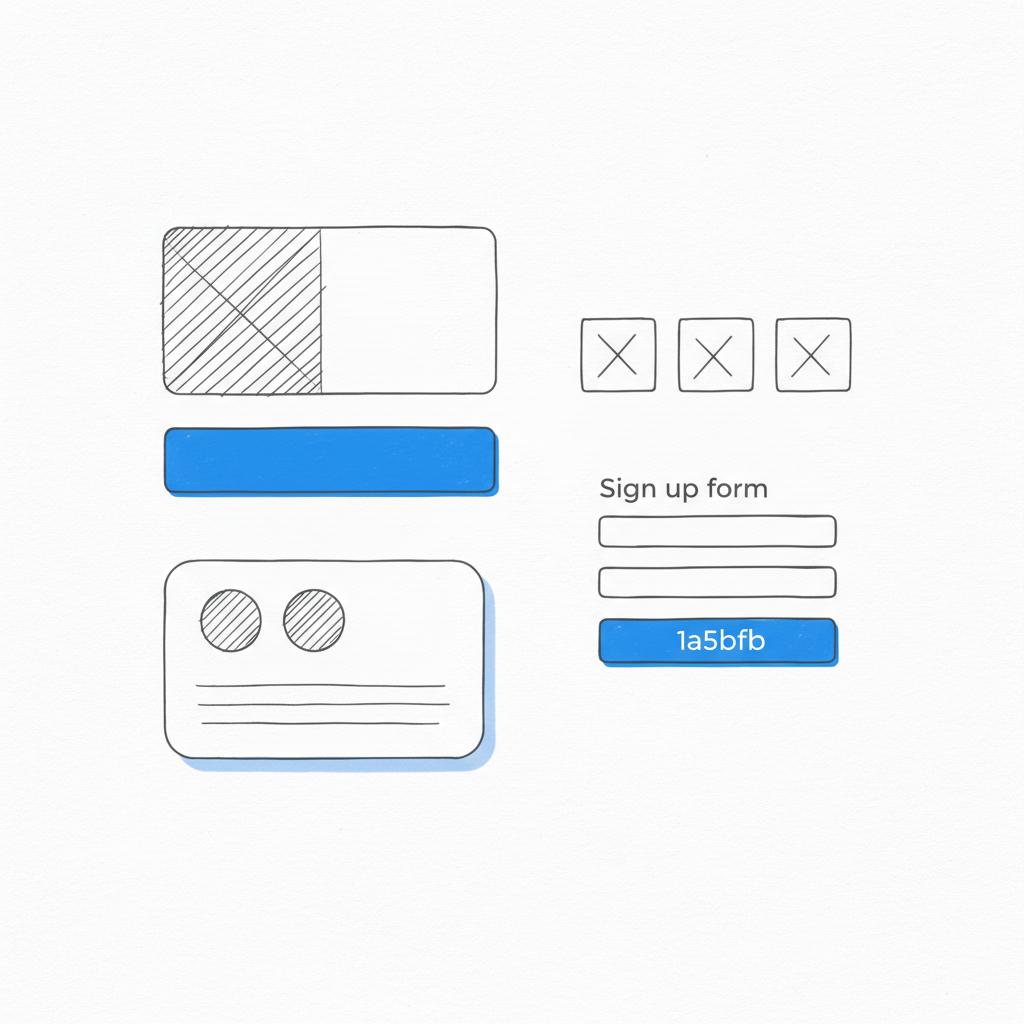
Ads are the invitation; landing pages are the handshake. A well-built landing page follows a simple structure:
1. Clear headline that matches the ad. The word-for-word promise alignment reduces friction.
2. One obvious action. If the ad offers a free consult, the page should not force the visitor to hunt for a phone number or a long form.
3. Social proof and concise benefits. Short testimonials, a price range, and a quick list of outcomes help.
4. Fast load time and mobile-first design. Most paid traffic is mobile. A slow mobile page kills conversion rates.
Measuring success: beyond clicks and CPC
Clicks are noisy; conversions and value are quiet and meaningful. Track these metrics:
Primary: cost per conversion, conversion rate, conversion volume, and return on ad spend (ROAS).
Secondary: landing page bounce rate, time on page, and assisted conversions (how ads support organic channels).
Qualitative checks: lead quality, call recordings, and short customer interviews. Numbers tell you where to look; conversations tell you why. For modern measurement frameworks and capturing long-term value, see unlock hidden marketing ROI.
Testing strategy: a low-waste path
Good testing shrinks waste. Use experiments to learn quickly without overspending.
1. Start with a small keyword set. Focus on the top 10–20 terms that match buying intent.
2. Use tightly themed ad groups and dedicated landing pages. Each ad group should map to a single objective.
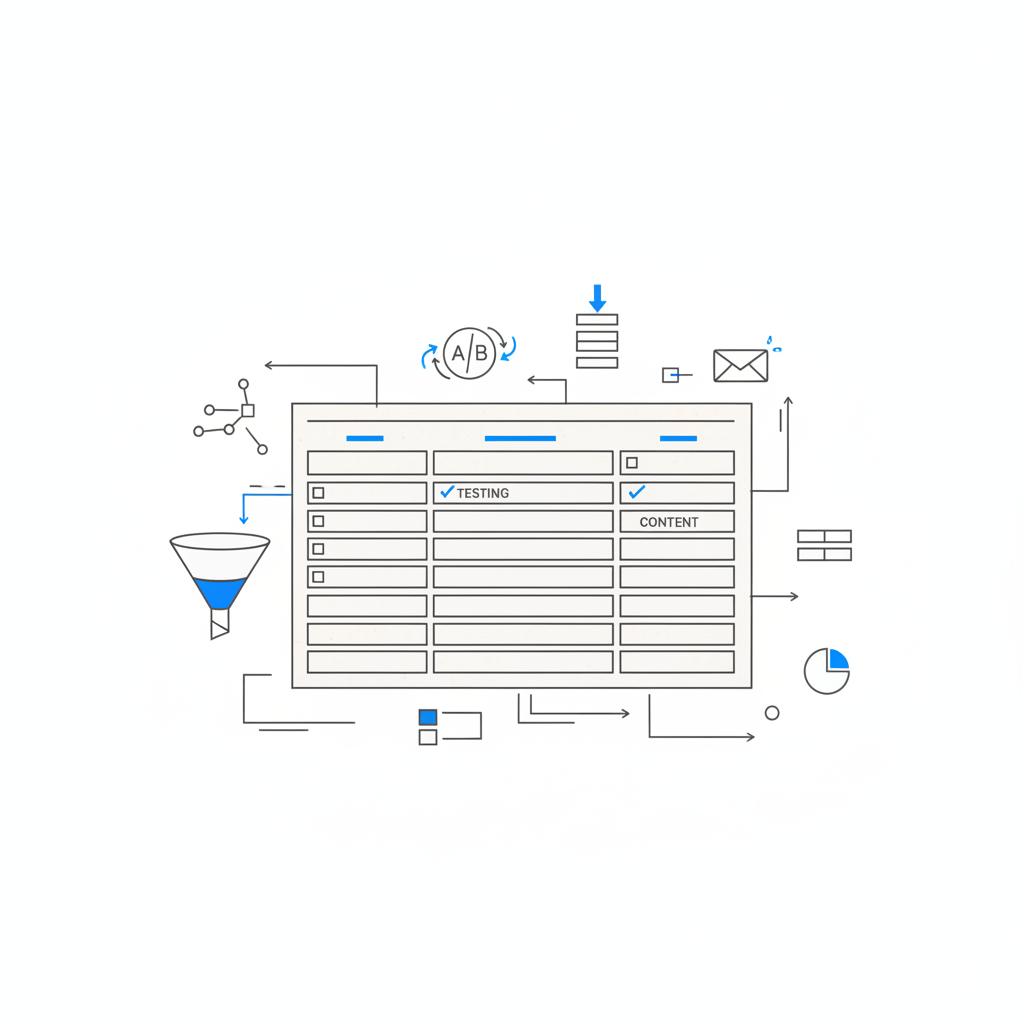
3. Run short A/B tests on headlines and calls-to-action. Keep variants small for clearer results.
4. Use conversion tracking and a simple attribution window. If a lead converts after 10 days with an email follow-up, make sure that conversion is attributed fairly.
5. Stop wasted spend. Pause keywords or ads that fail to reach a minimum threshold (for example, a conversion rate below an agreed baseline or a CPA above your break-even point).
Yes—but only with tight guardrails: use a small test budget, send traffic to ultra-specific landing pages (not the homepage), and set stop-loss thresholds so you can pause quickly if conversion signals are poor. This limits waste while letting you learn which ad elements matter.
How Google Ads fits into a resilient digital presence
Paid search should not be the only beam holding your online visibility. Think of Google Ads as emergency fuel that helps you move faster, while SEO, email, and content build the durable engine. A resilient presence blends speed and patience:
Short-term: Ads, seasonal promotions, and partnerships.
Medium-term: Consistent publishing, local listings, and email nurturing.
Long-term: Brand reputation, referrals, and organic authority.
When all layers work together, each click from Google Ads becomes more valuable because it lands on a site that reflects reliability and trust. For a concise view of the agency approach, see the Agency Visible homepage.
Case study expansion: small wins that compound
Here are three practical examples showing how paid and organic combine.
Local bakery: They used a small ad budget to promote weekend pickup orders while publishing weekly emails with behind-the-scenes content. The ads covered immediate demand; the emails kept customers coming back.
Landscape contractor: A targeted Google Ads campaign for “patio installation near me” drove calls. Their website contained clear service pages and photo stories that shortened sales calls and increased close rates. See similar work in our projects.
Adult-learner charity: Ads supported awareness for registration windows; concise donation pages and monthly newsletters converted one-time donors into sustained supporters.
Alternatives and complements to Google Ads
1. Organic search (SEO): Slow to build but high ROI over time. Invest in helpful content that answers real questions—this is the bedrock of a resilient presence.
2. Social advertising: Useful for awareness, particularly if your audience is active on a platform. But social intent is often lower than search intent.
3. Email and referral programs: Lower ongoing cost per acquisition and higher lifetime value. Email preserves attention over long periods.
4. Local listings and directories: For many small businesses, Maps and local directories outperform paid campaigns in conversion quality.
In most cases, a blended approach wins: use ads to accelerate, and organic systems to sustain. For context on typical CPCs and monthly budgets, see this overview of average CPC and budgets.
Three-step checklist before launching ads
Use this quick checklist to avoid common waste:
1. Clarify the offer: One headline, one action, clear value.
2. Prepare the landing page: Match the ad, show social proof, and ensure speed.
3. Decide metrics and guardrails: Target CPA, test budget, and stop-loss thresholds.
Common mistakes and how to fix them
Mistake: Buying broad keywords without conversion tracking. Fix: Use phrase and exact match, and set up conversion tracking before launch.
Mistake: Using the homepage as the primary landing page. Fix: Build focused landing pages for each ad group.
Mistake: Ignoring post-click experience. Fix: Optimize forms, speed, and follow-up emails.
90-day plan: a realistic campaign roadmap
This quick roadmap helps teams test ads without losing focus on long-term growth.
Days 1–14: Define goals, pick 10–20 high-intent keywords, create 2–3 landing page variants, set up analytics and conversion tracking.
Days 15–45: Run tests with modest budgets, measure CPAs, and collect qualitative feedback from callers or leads.
Days 46–90: Iterate on winning keywords and landing pages, scale budgets cautiously, and start parallel investments in content for SEO and email acquisition.
How to evaluate ROI fairly
Short-term ROI (week-to-week) is volatile. Evaluate ROI with these lenses:
Direct ROI: Revenue from tracked conversions minus ad spend.
Net new customers: Are you reaching buyers you could not reach otherwise?
Assisted value: Did ads play a role in discovery that led to later organic conversion?
Lifetime impact: Consider average purchase frequency and retention. High CLTV (customer lifetime value) makes acquisition spend easier to justify.
How to protect your budget from common drainers
Guard your spend by:
Negative keywords: Regularly exclude irrelevant searches.
Geofencing: Only show ads where your customers are.
Ad scheduling: Run ads during business hours or times of highest conversion probability.
Bid automation with caution: Automated bidding helps scale but requires clean conversion data.
Why many businesses overpay and how to stop it
Overpaying is often a symptom of urgency and poor alignment. To stop it:
Slow down the campaign launch. Test slowly and learn faster.
Increase post-click quality. Better pages reduce required bids for the same conversion volume.
Mix channels. Use email and organic content to reduce the load on paid channels and lower overall cost per acquisition.
How Agency Visible helps (a friendly tip)
If you want a measured second opinion, consider reaching out to Agency Visible for a short consultation. Their approach is focused on clarity, fast early wins, and building the long-term systems that make paid campaigns profitable rather than a leaky bucket of spend.
Practical content and email follow-up that increases ad value
Paid campaigns feed into your content and email systems. Ensure you have a short nurture flow: immediate thank-you email, a follow-up with useful next steps, and one or two helpful content pieces. Those messages increase conversion rates and make the initial paid click more valuable.
Metrics to watch after launch (weekly and monthly)
Weekly: clicks, CTR, cost per click, and early conversion signals. Monthly: cost per acquisition, conversion volume, ROAS, assisted conversions, and value per customer.
FAQ-style quick answers for common worries
Q: Will ads steal my budget from organic work? Not if you plan both. Use ads for speed and organic work for durability. The two reinforce one another.
Q: How soon will I see results? You’ll see clicks immediately, but reliable conversion patterns usually emerge in 4–8 weeks.
Q: Do I need a large team? No. Small teams can run smart campaigns if they focus on a tight set of keywords, a clear landing page, and a basic follow-up system.
A simple conversion-first ad example
Ad: “Same-week patio installation — Free quote” — Landing page: short headline, three photos, a 2-field booking form, and a short testimonial. This simple pairing reduces friction and clarifies the offer immediately.
Checklist: before you scale spend
Do these before increasing budgets:
1. Confirm conversion tracking is accurate. 2. Achieve target CPA for 2–4 weeks. 3. Confirm lead quality through calls or form audits. 4. Ensure follow-up flow is in place.
Three realistic examples of budgets and expected outcomes
Local service (e.g., plumber): $1,500/month in ads might generate 30–60 qualified leads, with an average CPA of $25–$75 depending on market and margins.
Small e-commerce store: $2,000/month may return a ROAS of 2–4x after optimizing product feed and landing pages.
Higher-ticket B2B service: $1,000/month for lead generation can be enough to test ICP targeting if you optimize for leads and nurture well; expect a longer sales cycle.
Common pitfalls in reporting and attribution
Ignore single-channel thinking. If you only look at last-click attribution, you’ll undercount the influence of brand and content. Use multi-touch views when possible and look for assisted conversions to capture the ad’s true role.
Long-term view: how ads and content build a durable presence
Paid traffic can introduce you to new audiences; content keeps them. Over time, helpful content reduces your cost per acquisition while ads ensure visibility during important windows. That combination builds trust: people arrive, learn something useful, and come back—sometimes without ever clicking an ad again.
Practical next steps: what to fix this week
1. Rewrite your homepage headline to clearly state who you serve and what you offer. 2. Create one focused landing page for the ad you plan to run. 3. Set up conversion tracking and a 6–8 week test budget. 4. Schedule one in-person or phone call with a recent customer to learn what mattered to them.
Final tips for keeping ad spend sane
Allocate a safety buffer, pause early if quality is poor, and treat ad campaigns as part of a larger visibility strategy. Resist the urge to chase every keyword; instead build a small set of winning queries and expand thoughtfully.
Ready to make ad spend work better?
Talk to someone who can help — get a quick audit and simple recommendations that prioritize clarity, conversion and long-term growth. If you’d like help setting up a low-waste Google Ads test, start with a clear offer and a short landing page.
Summary of the reasoning: balance speed and durability
In short, Google Ads are worth the money when they are used as part of a clear, conversion-focused system. They are less useful when they operate in isolation from good landing pages, solid follow-up, and ongoing content work. Treat ads like measured experiments: start small, track outcomes, and let real customer feedback guide decisions.
Resources and next learning steps
Keep a simple learning log: what keyword worked, which landing page variation converted, and what follow-up message closed the sale. That running record becomes your best guide to scaling paid investment without losing control.
Encouragement for the long haul
Paid search can be a valuable tool or an expensive habit. The difference is preparation. With clear offers, testable landing pages, and measured budgets, you can make ad dollars perform while you build a resilient, human-centered digital presence.
Budget depends on your offer and margins. Start with a small test—often $500–$2,000 over 4–8 weeks for local businesses—to gather data on cost per acquisition. Use a target CPA based on conservative customer lifetime value and scale budgets incrementally when campaigns consistently hit targets.
No—Google Ads are a complement, not a replacement. Ads deliver speed and immediate visibility, while SEO and email build durable, lower-cost acquisition over time. A blended strategy uses ads to accelerate growth while content and email reduce long-term dependency on paid spend.
Start by clarifying your offer and building a focused landing page, then set a modest test budget and define target metrics like CPA and conversion rate. If you’d like a quick audit and practical recommendations, a brief consult with Agency Visible can provide a simple, prioritized plan to reduce waste and improve results.
References
- https://agencyvisible.com/
- https://agencyvisible.com/projects/
- https://agencyvisible.com/contact/
- https://business.google.com/us/think/measurement/unlock-hidden-marketing-roi/
- https://www.wordstream.com/blog/2025-google-ads-benchmarks
- https://quimbydigital.com/what-businesses-really-pay-cpc-monthly-budgets-roi/