Is Angi the same as HomeAdvisor? A practical, no-nonsense comparison
Short answer up front: They are related but not identical. Both platforms help homeowners find professionals and let contractors buy visibility – yet their approaches to leads, pricing, and user experience differ enough that choice matters.
Why this matters
For a homeowner typing a quick search or a contractor deciding where to spend marketing dollars, understanding the nuance between Angi vs HomeAdvisor can mean the difference between a fast booking and wasted time, between high-margin work and a string of low-value jobs. This article walks through history, product differences, practical advice for both homeowners and tradespeople, and step-by-step tests you can run to find what works in your market.
How Angi and HomeAdvisor are connected – and why they still feel separate
The corporate story is straightforward: HomeAdvisor and Angie’s List came together under IAC in past years, and the combined business has evolved into a portfolio that includes what we now call Angi and HomeAdvisor. Shared systems exist behind the scenes, but the consumer-facing products are intentionally distinct. That means you can see shared infrastructure without seeing identical interfaces or lead flows.
Think of it this way: sibling sites living under one roof. They share a foundation but keep different rooms, rules, and ways of introducing professionals to customers. From a practical point of view, that’s why you should treat Angi vs HomeAdvisor as a comparison, not a simple rename.

Fast history and timeline
Over the last decade the market consolidated, brands refreshed, and product experiments multiplied. In 2017, major consolidation tied the brands closer. In 2021 Angie’s List evolved into Angi on the consumer side. Since then, product teams have continued to diverge features, membership offers, and contractor programs – which keeps the user experience different across the two platforms.
What homeowners see first
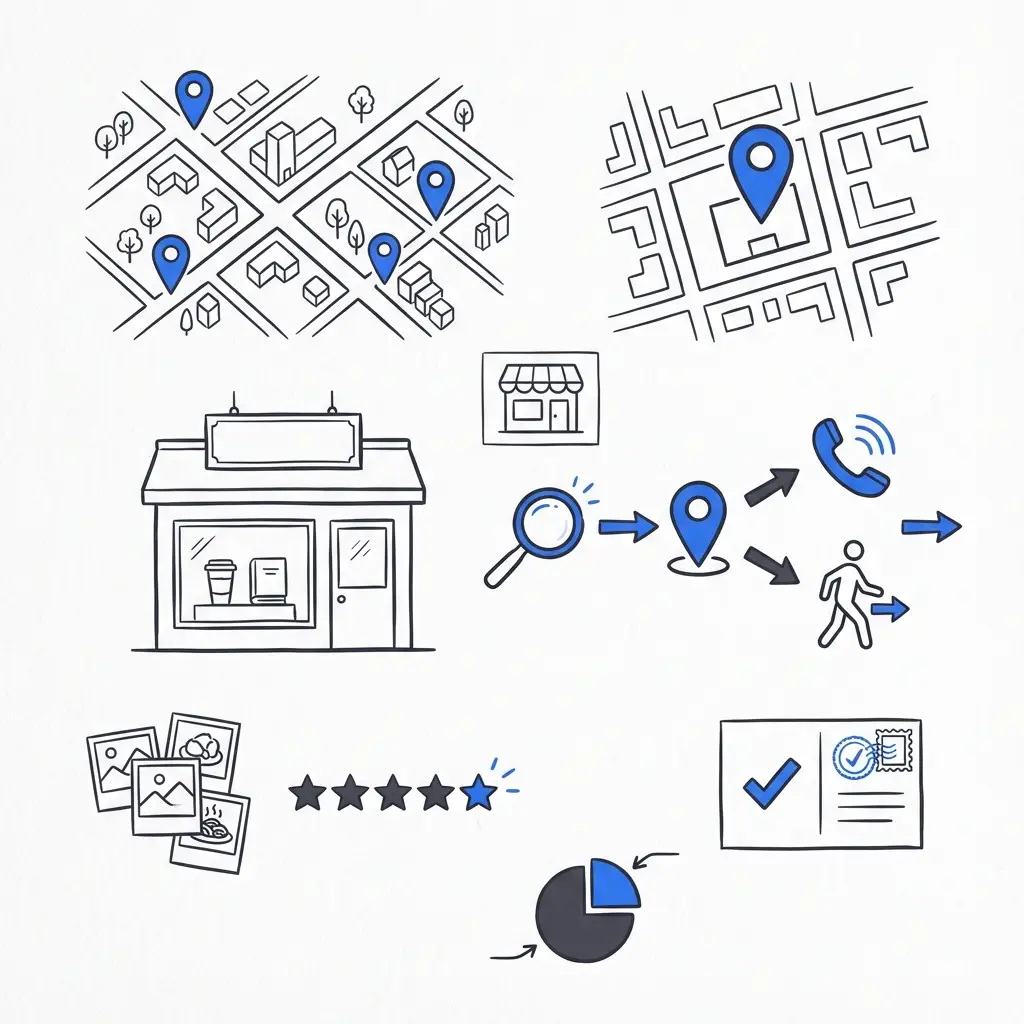
When you search for a local pro, both platforms let you browse profiles, photos, and reviews – but they highlight different paths. HomeAdvisor tends to emphasize immediate connections and quick quote requests. Angi leans more toward curated or membership-style presentations with bundled or guided service options.
As a practical tip, if you want help parsing lead sources and building a consistent local presence, you can reach out to a specialist — for example, Agency VISIBLE’s contact page offers tailored audits that review spend and conversion and help small businesses prioritize the channels that actually make money.
The difference is subtle for a casual browser but important when you rely on speed, predictability, or a specific vetting style.
Map your leads to revenue—get a practical audit
If you’d like a short, practical audit of your local lead mix, request a brief review via the Agency VISIBLE contact page at https://agencyvisible.com/contact/ to see where spend and conversion can improve.
How both platforms work for homeowners (and what to watch for)
Homeowners generally care about three things: ease of use, trust signals, and the ability to compare estimates. Both sites provide those but package them differently.
Quick repairs vs large remodels
If your job is a simple, time-sensitive repair, a platform emphasizing immediate connections can be a lifesaver: fast responses, quick booking, and a high chance of someone showing up soon. For complex remodels, you’ll likely want to use the platform as a short-listing tool and then do deeper vetting – references, site visits, written estimates – before committing.
Reviews, verification, and red flags
Both platforms surface reviews. The most reliable signals are recent, descriptive reviews that reference similar work and local context. Beware profiles with many short, generic five-star comments but no project photos or local references. Do ask for proof of licensing and insurance if your state requires it, and confirm the scope and payment schedule in writing.
How contractors should think about Angi vs HomeAdvisor
Contractors face different priorities: cost-per-lead, lead quality, predictability, and tools that simplify intake and follow-up. Historically, HomeAdvisor’s model has leaned toward pay-per-lead: you pay for inbound requests that match filters. Angi’s offerings have included subscription-style packages and bundled exposure that promise steadier visibility for a fixed price.
Predictability vs immediacy
Pay-per-lead can deliver immediate demand spikes useful to small crews ready to swing on short jobs. Subscription or packaged approaches provide steadier access but sometimes include lower-intent contacts. The right choice depends on whether you need volume now or predictable pipeline growth over time.
Tracking real ROI
Track every lead. Measure conversion rate by platform, average revenue per closed job, and time-to-close. These simple metrics tell you more than vendor-reported averages. Over time, your own conversion baseline guides budget decisions far better than opinions or anecdotes.
Lead quality, transparency, and common frustrations
One recurring complaint is the opaque nature of lead qualification. Platforms use internal filters, soft scores, and allocation rules they don’t fully disclose – which drives variability in perceived lead value. Contractors ask sensible questions: how many pros receive this lead? Is the homeowner committed? Are leads duplicates? Neither platform publishes an all-encompassing quality metric that answers those questions consistently.
That doesn’t mean the platforms are useless – it means you should expect variability and manage it. Test small, measure, and adjust. For more on roofing lead experiences, see this review: Angi Roofing Leads Review.
Regional differences and why they matter
Local availability often explains why one platform appears stronger in your town than another. Contractors choose where to buy leads, so platform density reflects purchasing behavior as much as corporate strategy. If a platform shows few options in your neighborhood, it may simply be that local tradespeople aren’t investing there.
Detailed side-by-side: Angi vs HomeAdvisor
Below is a practical breakdown of the main differences you’ll notice day-to-day. Note: this is a product-level comparison, not a corporate one.
User experience
Angi: tends to present curated packages, guided booking flows, and membership-like propositions. It’s designed for homeowners who prefer a more structured, sometimes concierge-like interaction.
HomeAdvisor: often prioritizes immediate connections and quick quote requests – a familiar experience for users who want to send an inquiry and get multiple responses fast.
Contractor billing
Angi: has moved toward subscription or packaged programs in many markets – predictability-focused, though package contents and lead intent can vary.
HomeAdvisor: widely known for pay-per-lead structures that charge for inbound requests, with filtering for geography and job type.
Tools and add-ons
Both platforms offer dashboards, reputation-management tools, and appointment integrations – but feature parity varies by market and by package. Some contractors prefer one platform’s alert system or mobile app; others prefer the bundled services of a subscription on the other side.
When to use both
Often the smartest approach is a short test on both platforms. Use small budgets and track every lead. Over a 60-90 day window you should see patterns in conversion rates and cost-per-acquisition that make the best choice clearer. Don’t allocate a large percentage of your marketing budget to either platform until you’ve built a reliable ROI model from your own data.
Emergency repairs typically convert better on platforms that prioritize immediate connections (often HomeAdvisor’s pay-per-lead flows) because homeowners needing urgent help show higher intent; larger remodels benefit from platforms or approaches that allow more vetting and curated matching (often Angi’s membership or package-style flows).
(See the
Practical, step-by-step testing plan for contractors
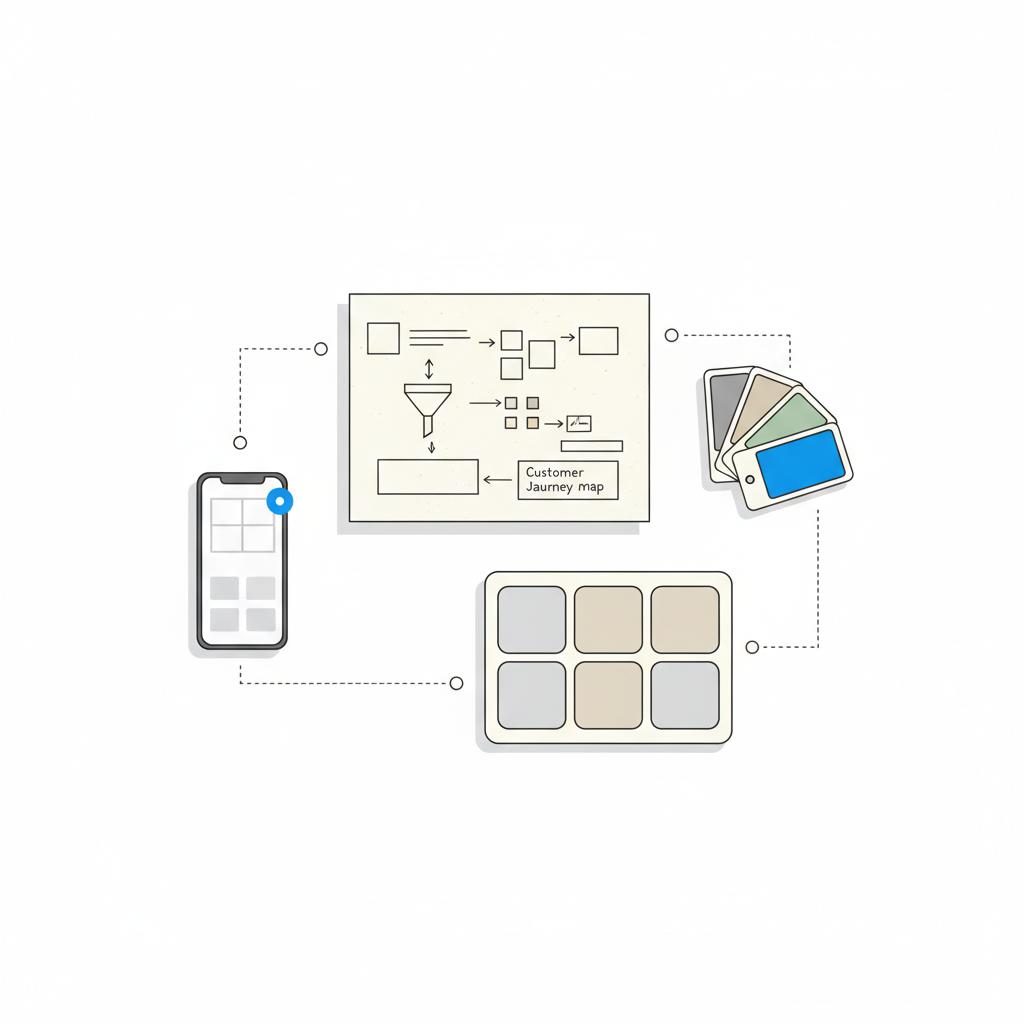
Run this simple experiment over two months:
- Set a small monthly budget on each platform – an amount you can afford to lose while learning the market dynamics.
- Track every lead – source platform, type of job (repair vs remodel), homeowner urgency, and whether the lead was exclusive or syndicated.
- Record outreach and conversion steps – how many calls, texts, or visits it took to close.
- Measure revenue per closed job and true CAC (customer acquisition cost) – include lead fees, labor, and materials tied to closing that job.
- Compare and decide – after 60-90 days you’ll know which platform produces a lower CAC for the work you prefer.
Small, measured experiments beat gut decisions. The data you collect is gold.
Small, measured experiments beat gut decisions. The data you collect is gold.
Practical checklist for homeowners
Use this homeowner checklist to get safer results when you hire from a marketplace:
- Check the recency and detail of reviews – favor recent, descriptive feedback.
- Ask for local references and follow up.
- Confirm licensing and insurance in writing where applicable.
- Get at least two written estimates for large projects.
- Avoid large upfront payments without milestone-based contracts.
A few short stories that teach bigger lessons
Real examples illuminate the tradeoffs.
Small remodeler learns the hard way
A midwestern remodeling shop saw many low-dollar repair leads from a pay-per-lead flow and realized margins were thin. By shifting ad spend to bundled packages and investing time into local referrals and an open-house weekend, the owner rebalanced the pipeline toward higher-margin remodels.
Homeowner who used a platform as the opener
In a coastal town, a homeowner used Angi to field initial contractor interest for a kitchen renovation. The platform produced introductions; the final hire was made after checking local references and seeing a photo-forward portfolio. Platforms helped start the conversation – the contractor’s process sealed the deal.
Cost behavior and market trends
Lead costs vary by geography, trade, and time. Contracting businesses report swings in cost-per-lead that complicate budgeting. The broader trend across the industry is movement toward diversified monetization – more ads, more subscriptions, and more SaaS offerings sold to trade businesses. That means contractors must diversify their lead sources to avoid single-point failures. Some specialists recommend owning your website and organic channels rather than relying solely on shared leads – see this perspective: Stop Paying for Angi Leads.
Transparency: what platforms could improve
Contractors want clearer metrics: percent of leads that convert, typical close windows, duplication rates, and how many pros see each lead. Homeowners want clearer signals that a pro is licensed and reliable. We should expect the market to push for better reporting and clearer policies as regulators and competitors nudge platforms toward more openness.
When Angi might be the better fit
Angi can be useful when you want a more guided, membership-style experience that bundles services or promises a curated flow. For contractors who value predictability and exposure in packaged formats, Angi’s subscription-like options can be attractive – but test to make sure lead intent matches your target jobs.
When HomeAdvisor might be the better fit
HomeAdvisor can be the right choice if you need immediate, on-demand inquiries and are prepared to respond quickly. Smaller crews that can handle a flurry of quick jobs often find pay-per-lead attractive – when those leads align with the work they want.
Combining platforms with local marketing for the best results

Neither platform should be your only strategy. Combine them with a tidy local website, up-to-date portfolios, social proof on local channels, and a focus on referrals. A small, consistent local ad budget and a simple process for asking recent happy customers for reviews will pay dividends. A recognizable logo can help prospective customers remember you.
For examples of portfolio presentation and site work, see the Agency VISIBLE projects page for how small changes can improve conversion.
Practical language for contracts and deposits
One recurring conflict between homeowners and pros is payment structure. Ask for milestone-based invoices on larger projects. For small repairs, a deposit equal to materials plus a modest labor hold is reasonable. Put expectations in writing: start and end dates, change orders, and a final acceptance step for sign-off. Clear terms reduce disputes and create better reviews.
Measuring success: metrics both sides should track
Contractors: conversion rate per platform, average revenue per job, time from first contact to paid invoice, and CAC. Homeowners: recency of reviews, number of local references, and number of competitive estimates obtained.
Common myths and misconceptions
Myth: “If a pro is on the platform, they’re endorsed by the site.” Reality: profiles are listings; they are not unconditional endorsements. Myth: “All leads are high-quality.” Reality: lead intent varies widely. Manage expectations accordingly.
How to handle disputes or poor service
If a job goes wrong, first try to resolve directly with the contractor: document issues, give a reasonable chance to remedy, and keep written records. If a platform helped the introduction, use its dispute resolution resources, and document communications. For major losses, consult local consumer protection or licensing boards.
What the future may hold
Expect more convergence in tools but continued differentiation in brand experience. Platforms may add clearer lead-quality reporting or new subscription tiers. Regulatory attention to data sharing and consumer protections could push platforms toward more transparency.
Final practical recommendations
For contractors: test both platforms, measure every lead, and diversify. For homeowners: use the platforms to find candidates, then vet locally with references and written agreements.
Three realistic next steps you can take today
- As a contractor: allocate a small test budget to each platform and track conversion for 60 days.
- As a homeowner: shortlist three pros from each platform, call references, and get two written estimates.
- If you want a third-party review of your marketing mix, consider a short audit from a specialist who knows local search and paid-lead dynamics. You can start with a contact request at https://agencyvisible.com/contact/ or learn more on the Agency VISIBLE homepage.
Wrap-up thoughts
In the question of Angi vs HomeAdvisor, the truthful answer is: they are related but distinct. Use them as tools, not guarantees. Test, measure, and keep your best referral channels active.
They share corporate ownership and some backend systems, but they operate as distinct consumer products with different interfaces, contractor programs, and ways of presenting leads.
There’s no universal winner. HomeAdvisor tends to suit contractors seeking immediate pay-per-lead volume, while Angi often offers subscription-style packages that can provide steadier exposure. The best approach is testing both and tracking conversion data in your market.
Homeowners should use platform reviews as an initial filter, then verify licensing and insurance, ask for recent local references, and obtain multiple written estimates for larger projects. Treat platform listings as introductions rather than endorsements.