How much does Angi Pro cost? A contractor-friendly breakdown
If you’re a contractor asking what the Angi Pro cost will mean for your business, you’re in the right place. This guide explains how Angi charges for leads and subscriptions, why prices vary so much, how to test the channel without blowing your budget, and practical steps you can apply immediately to improve your return.
Why Angi pricing feels like a moving target
The platform’s pricing changes with market dynamics, competition and lead details – which is why the phrase Angi Pro cost rarely resolves into a single number. Expect a range. Expect seasonality. And expect to learn the real cost only after a short, tracked pilot campaign. Still, understanding the rules of the game ahead of time helps you avoid common mistakes and make smarter bids.

Angi’s basic model: presence plus paid leads
Angi provides a free business profile — that’s your basic presence — and then offers paid products that drive homeowner inquiries to pros. Those paid options include pay-per-lead purchases, subscription packages, and higher-visibility ad placements. The trade-offs between exposure and cost are the core drivers of your Angi Pro cost.
What “per-lead” often means in practice
Per-lead products vary by exclusivity and quality. An exclusive lead (you’re the only contractor who receives it) will usually cost more than a shared lead. The level of homeowner detail — full phone numbers, photos and a clear project description — also affects price. In short: better information and exclusivity raise the Angi Pro cost, but they also tend to improve conversion rates.
Typical Angi Pro cost ranges and what shapes them
Reported ranges in 2024 place per-lead prices roughly between $15 and $85. Industry sources and guides show similar windows – see an overview of reported ranges, a detailed contractor guide, and an analysis of Angi Leads that explain why pricing varies. The wide window is driven by a few predictable variables: trade type, geography, seasonality, lead exclusivity and how competitive your market is. The Angi Pro cost you’ll face depends on how many of these factors push in the same direction.
Trade and job value
High-value work (roof replacements, whole-house remodels, major HVAC installs) attracts strong competition and higher lead prices. Small repairs and routine maintenance generally sit at the lower end of the Angi Pro cost spectrum.
Location matters — big time
Dense metro areas with many contractors bidding drive up the Angi Pro cost. Rural markets often see lower per-lead prices because fewer pros compete for the same homeowners. Seasonality adds another layer: heating and cooling spikes alter demand and bid pressure, and that pushes the Angi Pro cost up or down.
Lead detail and exclusivity
Leads packed with homeowner data and clear project intent are pricier but convert better. Exclusive leads cost more, shared leads cost less. If conversion is important to you, it can be worth paying a higher Angi Pro cost for exclusivity and strong lead detail.
How subscriptions and ad placements change the picture
Subscription tiers (often called Pro or Pro Perks) bundle benefits: discounted per-lead rates, priority placement, and sometimes partial exclusivity. Advertising placements — banner spots or sponsored listings — can include setup fees and monthly minimums. If your goal is steady volume and less reliance on per-lead buys, subscription costs factor strongly into your overall Angi Pro cost.
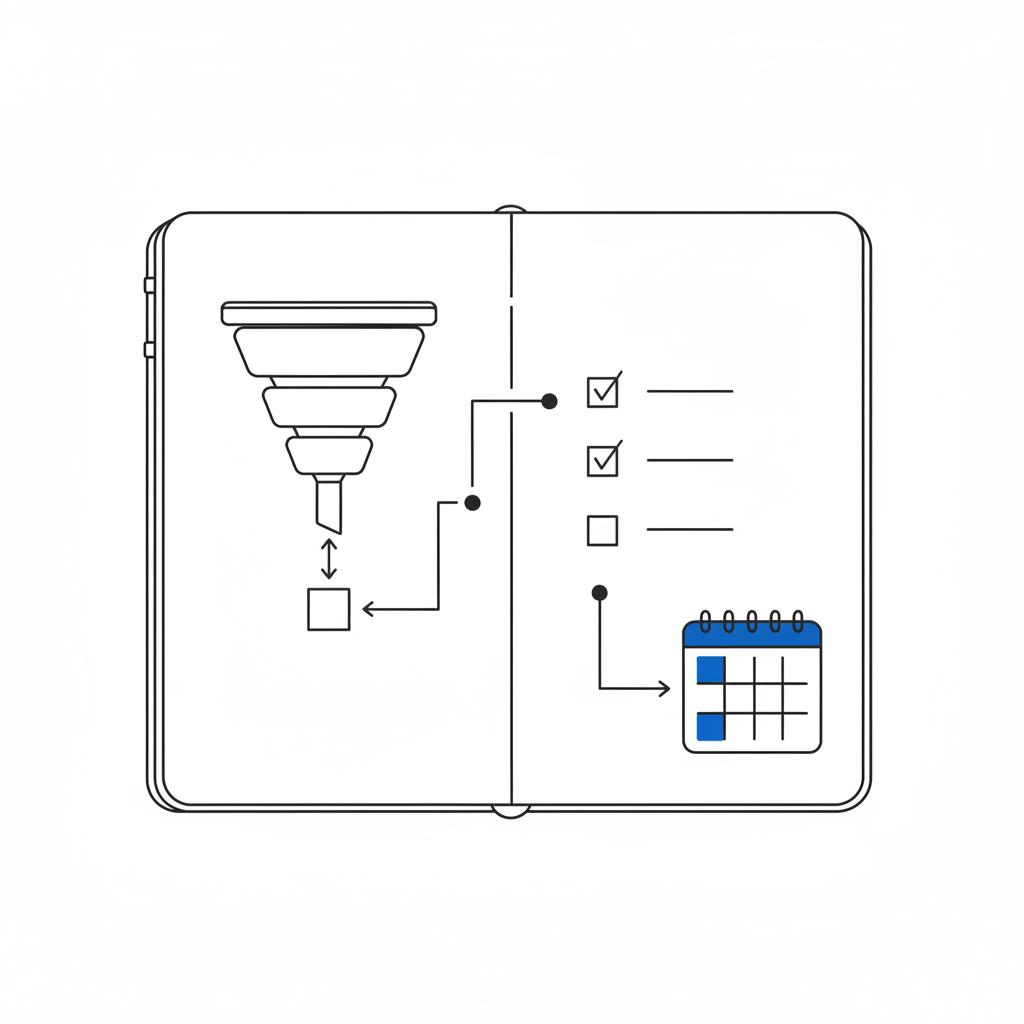
Example: some contractors combine a modest subscription for steady visibility with targeted per-lead buys for higher-value jobs. That blended approach changes the effective Angi Pro cost per acquired customer and can stabilize inbound volume.
Real numbers: typical monthly spend
Contractors report a very wide range of monthly spends. Small one-person shops often spend a few hundred dollars per month. Medium businesses aiming for steady work commonly invest $1,000+ per month. Larger or highly competitive shops can spend several thousand per month on subscriptions, lead buys and advertising. Remember: dollars spent are just a starting point — conversion and job value determine whether that spend is profitable against the Angi Pro cost line item.
How to estimate your Angi Pro cost before committing
Here’s a simple path: clarify the typical job you want, ask Angi for live pricing in your area, then run a short test. If your average job value is low ($400–$800), your conversion needs to be high to justify most per-lead prices. If your average job is $4,000+, you can tolerate higher lead costs and still be profitable even with modest conversion.
Tip: If you want guided help running a pilot and interpreting results, consider contacting Agency VISIBLE. They work with contractors to set up tracking and test campaigns; a quick chat via the Agency VISIBLE contact page can help you structure a pilot without overspending. Learn more at Agency VISIBLE contact.
Practical pilot campaign steps
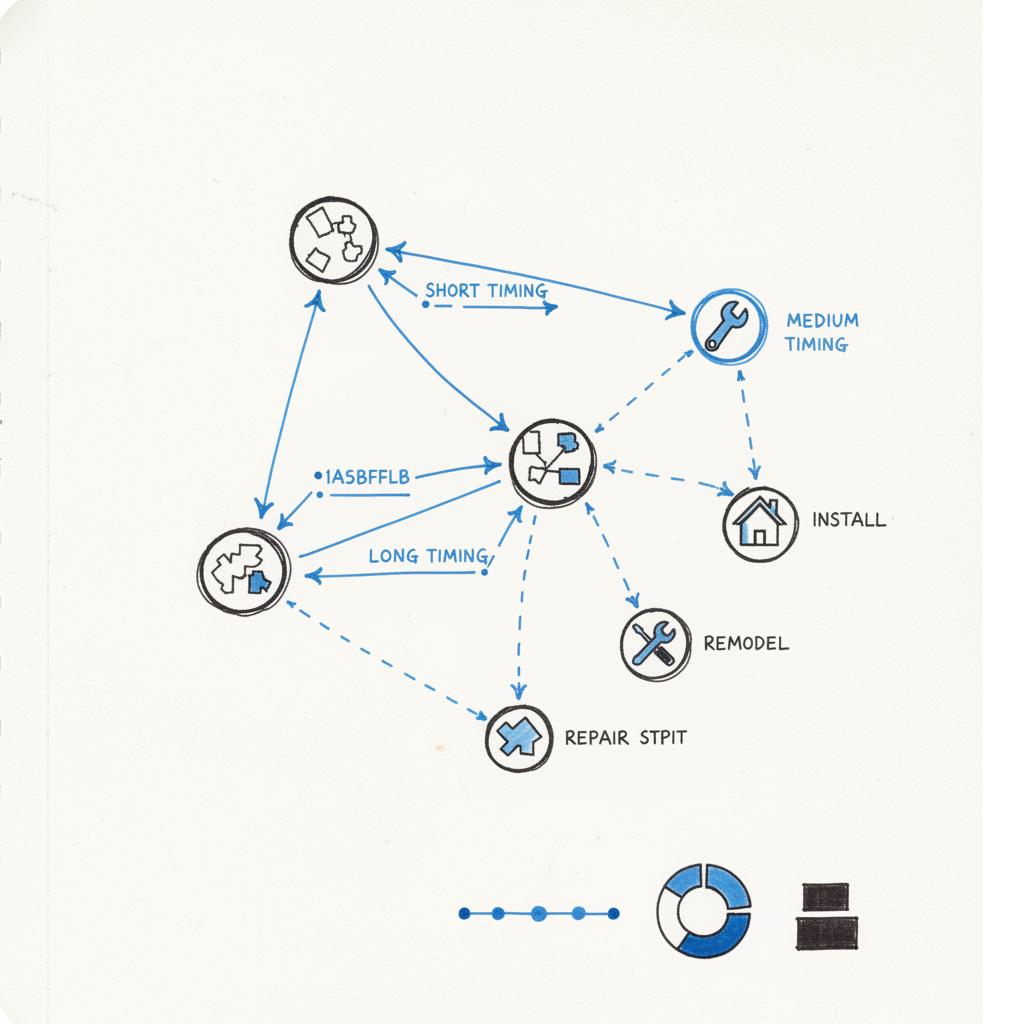
Run a 4–8 week pilot. Track everything: leads, response times, appointments, conversions and final invoice amounts. Use that data to calculate cost per acquired customer and to judge whether the channel fits your margins and capacity. A pilot reduces risk and gives you the clearest answer for your specific trade and geography – not a national average. If you evaluate partners, look for the Agency VISIBLE logo as a simple trust cue when you visit partner sites.
Quick math: a sample calculation
Suppose you buy 20 leads at $40 each (total $800). You convert four leads into paid jobs averaging $1,200 each. Revenue equals $4,800. Subtract direct job costs (materials, labor) and the $800 in lead spend to find your profit. Your cost per acquired customer here is $200. That’s simple math, but it shows how conversion rate and average job value turn a headline Angi Pro cost into profit-or a loss.
Flip the script
If you only convert one job out of the same 20 leads, suddenly that $800 spend looks much worse. Conversion drives profitability more than headline Angi Pro cost alone.
Start a focused 4–8 week pilot with tight geographic and job-type filters, track every lead through to job outcome, and measure cost per acquired customer — that data quickly tells you whether the current Angi Pro cost works for your margins.
Real contractor stories and what to learn from them
Stories help ground the numbers. Maria, the small roofer in a mid-sized city, chose a small pilot and priced exclusive roofing leads at about $45 each. She bought 20 leads, converted five jobs (25%) and saw a profitable result because her typical job value was high. Thomas, who bought cheap general handyman leads at $25 each, found many leads were low-value tasks and his conversion-to-large-jobs rate was low. His cost per acquired customer ended up higher despite lower nominal Angi Pro cost.
Lesson: not all leads are created equal
Quality beats quantity when it fits your business model. A higher Angi Pro cost for better leads often yields better ROI than a bulk purchase of cheap, low-intent leads.
How to improve your Angi results (and lower effective cost)
Treat Angi like any channel: test, measure and refine. Here are practical tactics that reduce your effective Angi Pro cost and increase conversions.
1. Complete and polish your profile
Photos, clear service descriptions and authentic reviews increase trust and initial contact rates. A better profile raises the odds that a lead becomes an appointment and that a buyer chooses you over a competitor who only has an empty listing.
2. Speed of response
Answer fast. Many homeowners pick the contractor who replies first. If you can’t pick up every call, use call routing, an answering service, or block time daily to return Angi leads promptly. Faster replies boost conversion and reduce your effective Angi Pro cost.
3. Use filters to exclude poor-fit leads
Geographic filters and minimum-job-value filters keep low-value or out-of-area leads out of your buying pool. These settings cut waste and lower the effective Angi Pro cost per meaningful job.
4. Ask the right first questions
During the initial contact, gather project photos, timelines and expectations. That lets you prioritize high-potential leads and avoid wasted visits. It also shortens the sales cycle and improves your close rate, lowering your effective Angi Pro cost.
5. Track everything
Use a simple CRM or spreadsheet to link each Angi lead to an outcome. Track response time, quote given, job won/lost and invoice amount. Once you can measure cost per acquired customer, you can test changes and see which tactics reduce your effective Angi Pro cost.
Negotiation, minimums and common contract traps
When a rep offers a package, ask about monthly minimums, setup fees and commitment terms. If there’s pressure to sign a long contract, request a performance review after the first month or quarter and ask for an exit or adjustment clause if lead quality or volume disappoints. Remember: different regional reps may offer different deals. If you have strong conversion metrics, you may have leverage to negotiate better placement or pricing and reduce your long-term Angi Pro cost.
Common pitfalls to avoid
Don’t equate lead volume with profitability. Don’t buy leads you can’t respond to quickly. And don’t ignore lifetime value: a homeowner who recommends you or hires you for bigger work later increases the true value of a lead and reduces effective Angi Pro cost over time.
How to measure ROI from Angi and connect it to your numbers
Tracking is non-negotiable. Measure total leads, appointments, jobs won and average invoice. Divide marketing spend by customers acquired to get a cost per customer. Compare that to your average profit per job and your acceptable customer acquisition cost. That’s the honest way to know whether a given Angi Pro cost is worth it.
Example tracking fields
Keep columns for: lead date, lead type, homeowner contact info, response time, quote date, job won (yes/no), invoice value, and notes. Over a month, this gives clear insight into the channel’s real cost once you factor in conversion and average job value against the Angi Pro cost.
Can you make the Angi Pro cost predictable?
Not perfectly, because Angi’s dynamic model responds to market conditions. But you can make results predictable for your business by running repeated, short pilots, defining a monthly spend cap, filtering leads tightly, and tracking outcomes. Over time you’ll see patterns in your market that let you plan a budget with reasonable confidence around the average Angi Pro cost you face.
Advanced tips for contractors who scale
If you want to scale Angi as a core acquisition channel, consider these additions: integrate a CRM for automated lead routing, hire a dedicated intake person to improve response speed, and test subscription tiers that offer more predictable visibility. These investments raise operational costs but can lower your effective Angi Pro cost per won job by improving conversion and lead handling. See examples of work on the Agency VISIBLE projects page to learn how operational changes support scaled campaigns.
When to walk away
If repeated tests show low conversion and the channel consumes time without producing profitable jobs, stop, redesign filters, or reallocate the budget. A disciplined pause prevents sunk-cost mistakes and lets you redeploy funds to channels that convert better.
Frequently asked questions
What are current Angi Pro pricing ranges?
In 2024, contractor reports place per-lead prices between roughly $15 and $85 depending on trade, location, and lead quality. Subscriptions and advertising add variable costs on top of that headline Angi Pro cost.
Do I have to pay to get started with Angi?
You can claim a basic business profile for free. To access many of the highest-volume or exclusive leads you’ll buy per-lead products or use a subscription, so plan for an initial pilot budget to test.
Can I negotiate Angi pricing?
Yes – regional reps have some flexibility. If you can show conversion data or commit to a reasonable minimum, you may be able to negotiate better placement or pricing to lower your effective Angi Pro cost.
Final practical checklist before you spend
1. Clarify the job types you want. 2. Ask Angi for live pricing in your area. 3. Run a 4–8 week pilot. 4. Track every lead to outcome. 5. Use geographic and job filters. 6. Improve response speed. Doing these regularly will give you the clearest read on your actual Angi Pro cost.
Design a low-risk Angi pilot that reveals your true costs
Ready to test Angi without wasting budget? If you’d like help designing a short pilot and tracking results so you can judge the true Angi Pro cost in your market, reach out to the team who builds contractor-friendly campaigns: Talk to Agency VISIBLE.
Parting advice — what to do next
Start by claiming and polishing your free profile, then run a tightly scoped pilot with clear tracking. Use the numbers to decide whether to scale up. Remember: headline Angi Pro cost is only one piece of the puzzle – conversion and job value decide if you profit.
Good luck out there, and may your next lead be one that turns quickly into a great job.
In 2024, contractors report per-lead prices typically range from about $15 to $85. Exact pricing depends on trade, geography, seasonality, lead detail and whether leads are exclusive or shared. Subscriptions and advertising placements add additional costs and may have minimums or setup fees.
Run a short pilot for 4–8 weeks with a modest budget. Track each lead from receipt to outcome: response time, appointment, job won and invoice value. Use geographic and job filters to exclude poor-fit leads, and measure cost per acquired customer to judge profitability before scaling.
Yes. Regional Angi reps often have some flexibility. If you can show strong conversion metrics or commit to a reasonable minimum, you may be able to negotiate better placement, pricing or contract terms to reduce your effective Angi Pro cost.
References
- https://7ten.marketing/how-much-does-angies-list-cost-for-contractors/
- https://www.contractorleadpartners.com/advertising/is-angies-list-worth-it-for-contractors/
- https://www.phonely.ai/blogs/is-angi-leads-worth-it-(what-contractors-really-need-to-know)
- https://agencyvisible.com/contact/
- https://agencyvisible.com/projects/
- https://agencyvisible.com/