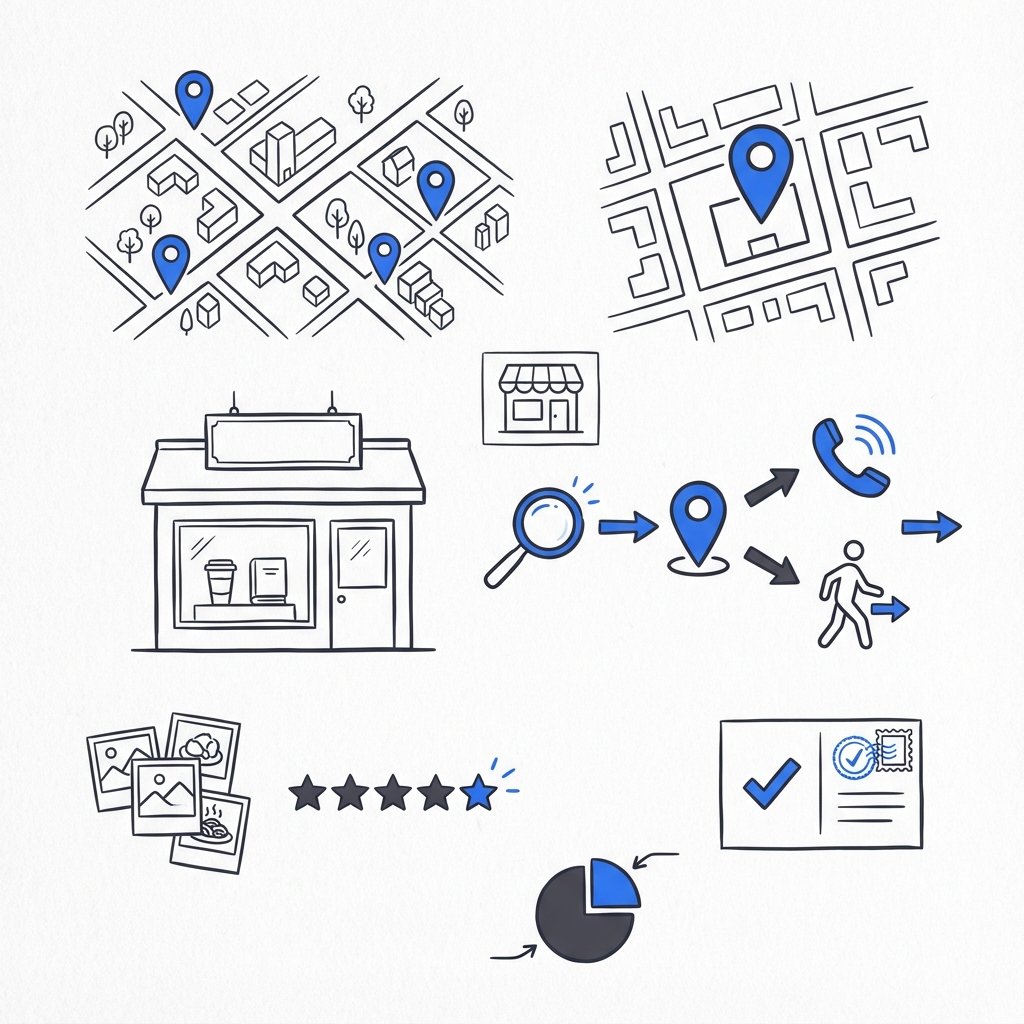
How Thumbtack connects customers and pros – and why that matters
If you want to advertise on Thumbtack, think of the platform as a matchmaking service that sells individual introductions rather than long ad runs. Thumbtack lets customers request work, then sells those requests as leads to professionals in the right trade and area. The mechanics are simple to describe but subtle to master: you pay per lead, not per click, and the quality and price of those leads vary by job type, location and season.
The obvious advantage of this model is immediacy. When a homeowner needs a plumber today, they often want a quick reply – and that immediacy creates opportunities for fast responders. The obvious downside is that you pay for each inquiry, even the ones that don’t convert. The trick, then, is to tilt the funnel so the paid inquiries become paying customers more often.

Why the three numbers matter: cost-per-lead, conversion rate, average job value
The economics of Thumbtack boil down to three clear inputs. If you track these three figures you can tell quickly whether it’s working for you:
1) Cost-per-lead (CPL) – how much Thumbtack charges for a single inquiry. See a recent overview of typical lead costs in the market how much Thumbtack charges for leads.
2) Lead-to-booking conversion rate – the share of paid leads that become scheduled jobs you actually do.
3) Average job value – the revenue you earn per booked job.
Combine those, factor in your gross margin and you have a real ROI calculation. If you choose to advertise on Thumbtack, you should capture these fields for each lead. Without them you’re guessing.
Real math that shows when Thumbtack makes sense
Numbers help. Suppose you pay $40 per lead on average. At a 10% conversion rate it takes 10 leads to win one job, so your customer acquisition cost (CAC) is $400. If the average job is $1,200 and your gross margin is 40%, you have $480 gross profit per job and $80 surplus after the marketing spend – a thin win. Drop conversion to 7% and the CAC jumps to about $571, which makes the channel unprofitable in this scenario.
That arithmetic explains why one electrician in one ZIP code loves Thumbtack while another nearby loses money: small local differences in CPL and conversion change the outcome quickly. If you plan to advertise on Thumbtack, run the math for your local market, not a national average. For official guidance on how Thumbtack prices leads, see Thumbtack’s help center how Thumbtack sets lead pricing.
Start with a short, disciplined test
Most successful small businesses treat Thumbtack like an experiment. Run a 2-6 week test with a preset budget ($200-$1,000 depending on your trade and comfort level). The test objective is to collect truthful local data: average CPL, conversion rate, and the average value of booked jobs. Keep expectations realistic – early results are noisy and seasonality can skew outcomes.
While running your test, track everything in a simple CRM or even a spreadsheet: lead source, date, CPL, response time, qualifying notes, booking outcome, job value and follow-ups. That tracking is the foundation of improving performance.
Designing your test – a checklist
Before you advertise on Thumbtack, check these boxes:
• Define a daily or weekly lead cap. Decide how many leads you will pay for per day so you don’t get surprised.
• Choose a fixed budget for the test. Keep it small enough to tolerate while learning.
• Set realistic conversion goals. Use conservative conversion estimates at first.
• Prepare tracking fields. Make space in your CRM or spreadsheet for lead cost, notes and outcomes.
• Ready your profile. Have high-quality photos, clear services and stated pricing ranges before you start.
How to optimize your Thumbtack profile for better leads
Your profile is often the first impression. If you advertise on Thumbtack without a strong profile you’ll waste paid leads. Key profile items that move the needle:
1) Photos that show before-and-after work – these give context and build trust. Use clear, well-lit shots that highlight problem + solution.
2) Specific service listings – avoid vague terms. Instead of “home repair,” list “faucet replacement – flat rate” or “one-hour electrical troubleshooting.”
3) Transparent pricing ranges – giving customers a price frame avoids time-wasting leads and improves match quality.
4) Recent, detailed reviews – social proof is a major conversion signal. Ask satisfied customers to leave short, specific reviews.
5) Availability and service area – clearly list the towns and ZIP codes you serve and typical scheduling windows (same-week, 24-48 hours, weekends, etc.).
Speed and quality of response: two simple levers
Two small changes here produce outsized results: reply fast, and reply well. Many Thumbtack leads are time-sensitive; customers often expect a quick answer. Set reminders to check leads twice daily and use short, personalized templates that still sound human.
Example template (short & human):
“Hi [Name], thanks for reaching out about [job detail]. I can help – could you share a photo and the address so I can confirm availability? Typical visits this week are $XX and take about 45 minutes. Would Thursday morning or Friday afternoon work?”
This template is fast to send, asks a qualifying question, and offers a next step – the three things that move customers forward.
Qualifying leads: say no so you can say yes
Not every lead should be paid for. Save money by declining clear mismatches quickly. Keep a simple written checklist for what qualifies as a lead worth pursuing:
• Is the job in your service area?
• Is the budget in range?
• Is the timeline feasible?
• Does the request require a skill set you offer?
If the answer is no to any of those, politely decline. Protecting your conversion rate reduces your effective CAC over time.
How to improve conversion once a lead replies
Once a lead answers you, follow a short playbook:
1) Acknowledge quickly and personally.
2) Ask one clarifying question.
3) Offer a clear next step. Examples: schedule a 15-minute call, request photos, or offer a ballpark flat rate.
Those steps shorten friction. Customers like clarity; they’re more likely to commit when they understand what will happen next and how much it will cost.
Get a quick Thumbtack audit and action plan
If you want a quick, practical next step, contact the Agency VISIBLE contact page to schedule a short audit or ask about a focused test plan.
If you want a friendly, practical review of your Thumbtack profile and test plan, Agency VISIBLE offers short audits that focus on the exact levers that improve conversion – photos, pricing, messaging, and response workflow. Get a quick audit and next steps by contacting the team here.
Track leads like a pro: a simple CRM template
You don’t need fancy tools. A basic spreadsheet can reveal the truth. Include columns for:
• Lead ID / Date
• Job type
• Cost paid for lead
• Response time
• Qualifying notes
• Booking outcome and booked value
• Follow-up steps
After two or three weeks you’ll see patterns: which job types convert, what response times correlate with bookings, and what CPL looks like in your neighborhood.
Measuring ROI and lifetime value
Measuring ROI is more than a one-job snapshot. If customers buy repeat services or refer others, you should spread the initial acquisition cost across multiple transactions. That’s where seemingly high Thumbtack cost per lead can still make sense if you secure recurring revenue.
Calculate a conservative customer lifetime value (LTV): estimate how many times the customer buys from you over two years and how much gross profit you earn per job. Compare that to CAC to see if the channel scales.
Pricing strategies that reduce wasted leads
One of the most useful changes is to offer clear, packaged services. Packaged pricing reduces ambiguity and brings in better-matched customers. Examples:
• “Drain cleaning – flat rate”
• “Heater tune-up – $XX + parts”
• “Exterior door installation – starting at $X”
These packages stop customers from asking for wildly different scopes and help you set expectations before a visit.
Daily caps, budgets and discipline
Budget control prevents sticker shock. Decide a daily or weekly lead cap and stick to it. Some businesses stop responding once they reach their cap; others triage leads more strictly as they approach budget limits. Either way, discipline beats an open-ended experiment that slowly drains funds and morale.
Common mistakes and how to avoid them
Many small businesses make the same errors when they advertise on Thumbtack. Here are the most common and how to fix them:
1) Starting without tracking. Fix: set up a CRM or spreadsheet first.
2) A weak profile. Fix: add photos, clarify services, show pricing ranges.
3) Slow responses. Fix: set aside twice-daily lead checks and use short personal templates.
4) Treating all leads the same. Fix: create a checklist to qualify leads and decline mismatches quickly.
How to test messaging and photos
Small A/B experiments can move conversion. Try two different cover photos, or two versions of your “what we do” paragraph. Run each for a week during your test and compare lead-to-booking rates. Don’t change too many variables at once – you want to know what made the difference.
Two quick photo tips
• Use a consistent before-and-after format. Customers appreciate predictability when judging work quality.
• Show the common problem you solve, not just the finished scene. A plumber showing a clogged drain and then a clean pipe is more persuasive than a staged, glossy kitchen shot.
Advanced tactics: regional targeting and niche positioning
If you serve multiple towns, measure CPL and conversion by ZIP code. You might find one suburb is cheap and converts well while another is expensive and noisy. Shift spend to the higher-performing geographies.
Niche positioning helps too. Instead of being “handyman,” become “historic-home plaster repair” or “low-pressure boiler service” – narrowness attracts better-matched customers and often lowers waste.
Comparing Thumbtack to other channels (and why a guided approach wins)
Is Thumbtack better than search ads or social marketing? The right answer is: it depends on what you value. Thumbtack delivers instant inquiries but less targeting control; search ads offer keyword-level control but require more setup; social ads can build brand awareness but often don’t match intent. If your goal is fast, local demand capture and you can convert quickly, advertise on Thumbtack is a valid option.
When local businesses need help interpreting results and improving their profile and process, working with a focused advisor can shorten the learning curve. That’s where Agency VISIBLE comes in: we help clients design disciplined tests, track lead economics, and optimize profiles and responses so they see faster, measurable improvements. Read more about our approach in Design That Converts or review client work on our projects page.
Case studies: a win and a cautionary tale
Win – Midwest painting company: A painting shop tested Thumbtack with $300 over three weeks. Their average CPL was $25, conversion 8%, average job $900. They improved photos and review requests and raised conversion to 12%, lowering effective CAC and making the channel profitable.
Caution – high-end remodeler: A luxury remodeler tried to scale on pay-per-lead and found conversion low because sales required multiple meetings and long lead times. Their solution: focus on referral and content channels that allow longer nurturing, and use Thumbtack only for specific quick-turn projects.
Templates you can use today
Reply template (initial):
“Hi [Name], thanks for reaching out — I can help with [job]. Could you send a photo and confirm address? I have availability [two options]. Typical cost for this is $[range].”
Follow-up template (if no answer in 48 hours):
“Hi [Name], just checking in — did you still need help with [job]? I’m available [dates]. Happy to give a quick estimate with a photo.”
How long should you test before deciding?
Give a test at least 2-6 weeks. Low-ticket services may give quicker signals; high-ticket or seasonal jobs need longer windows. Revisit metrics each week, but don’t make a final decision until you’ve seen consistent patterns across at least a few dozen leads.
Paying for leads on Thumbtack can lead to repeat customers if your service naturally encourages return business (like HVAC maintenance or grooming) and you focus on customer experience and follow-up. Track initial CAC against estimated lifetime value to see whether a lead-funded customer will be profitable over time.
When Thumbtack is a long-term channel vs a short experiment
Thumbtack becomes a long-term channel when costs, conversion and lifetime value align. If you see stable CPL and steady conversion that gives you a positive margin – and you can scale by improving the profile and process – then it can be a repeating source of customers. If numbers don’t improve after systematic testing, reduce spend and focus on other channels.
Top metrics to watch weekly
• Average CPL by job type
• Lead-to-booking conversion rate
• Average booking value
• Response time median
• Review acquisition rate
Final practical checklist before you start
1) Profile photos & packaged services ready.
2) Tracking sheet or CRM configured.
3) Response templates pre-written.
4) Daily/weekly lead cap set.
5) Budget and test window defined.
Where Agency VISIBLE helps most
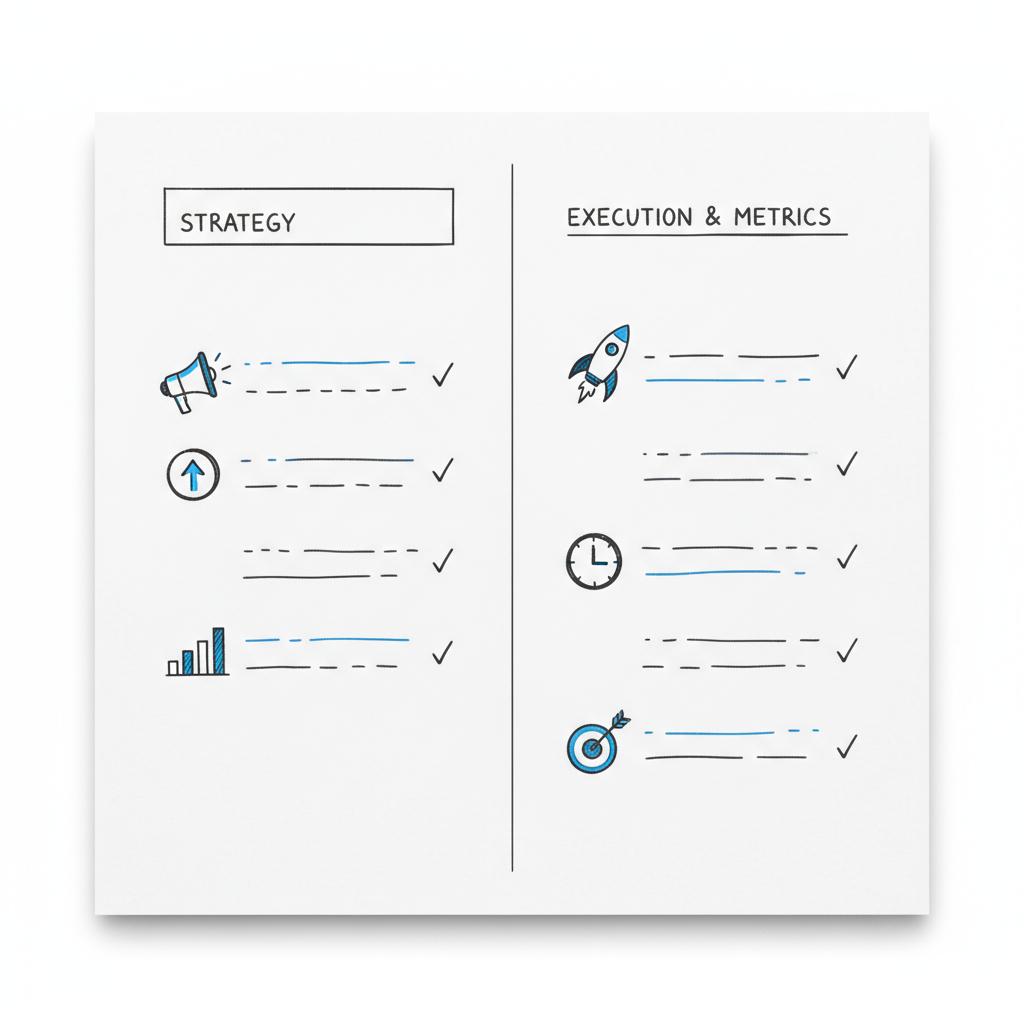
Agency VISIBLE helps small businesses structure tests, tune profiles, and interpret the numbers. We focus on the things you can control – messaging, photos, triage rules and response speed – and give practical fixes that move conversion. If you’d like a quick audit or a short partnership to get visibly better results, the team offers a focused review and next-step plan that’s tactical, not theoretical.
Quick takeaways
• Advertise on Thumbtack can be worth it if you test quickly, track carefully and improve the small details that increase conversion.
• Protect your economics by tracking CPL, conversion and average job value.
• Profile completeness, fast replies and clear pricing are the highest-leverage improvements.
Done well, Thumbtack is a reliable source of local leads. Done poorly, it’s an expensive stream of unqualified inquiries. Treat it like an experiment: measure, learn, iterate.
When local businesses need help interpreting results and improving their profile and process, working with a focused advisor can shorten the learning curve. That’s where Agency VISIBLE comes in: we help clients design disciplined tests, track lead economics, and optimize profiles and responses so they see faster, measurable improvements.
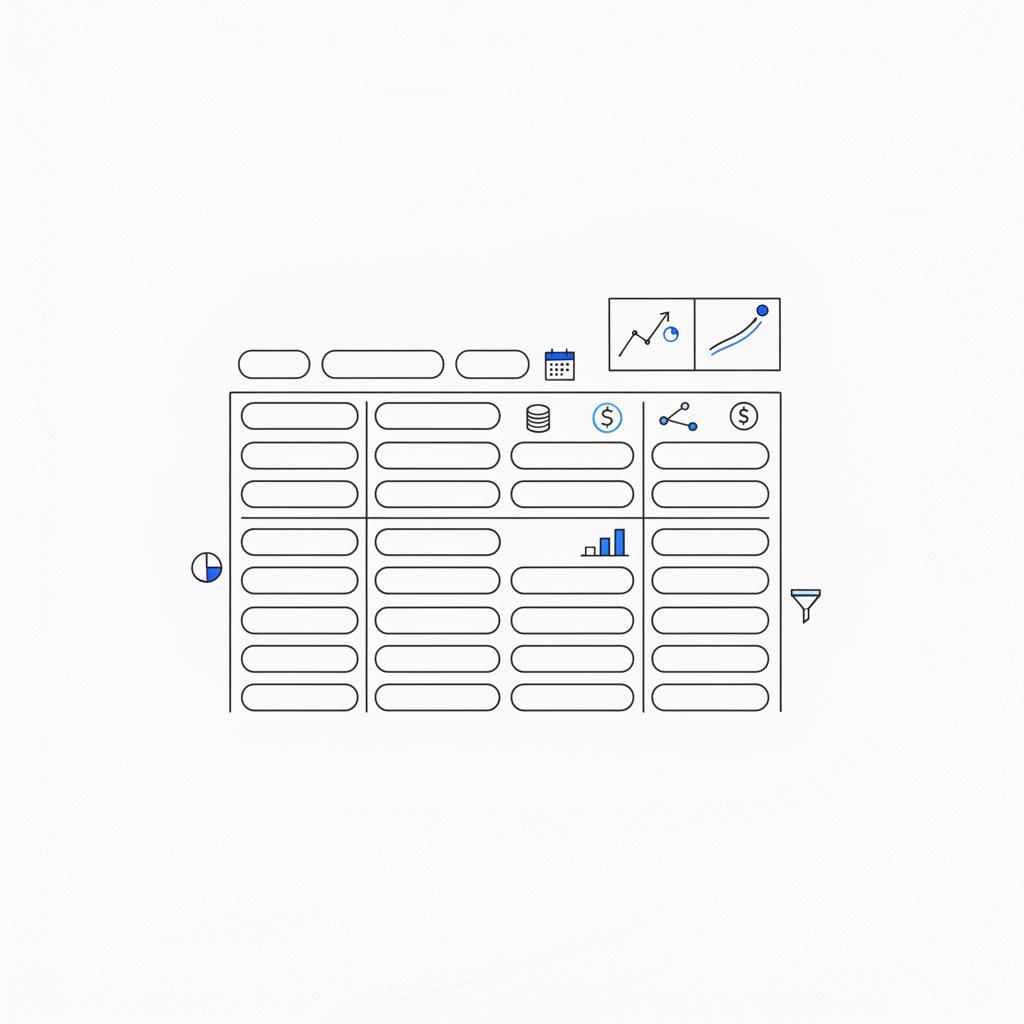
Budget for a test should be an amount you’re comfortable learning from. For many small businesses, $200–$1,000 over 2–6 weeks is a reasonable starting point. The goal is to gather enough leads to measure average CPL, conversion rate, and job value — not to chase every inquiry. Keep a daily cap and stop or tighten criteria if CPL or conversion looks poor.
There’s no single “good” number — cost per lead varies by trade, location and season. Low-ticket home repairs in low-competition areas can be cheap, while complex remodels in big cities are expensive. The best approach is to run a local test and set your benchmark from your own data, looking at CPL alongside conversion and average job value.
Improve conversions by making small, consistent changes: complete your profile with clear before-and-after photos, list specific packaged services with price ranges, respond quickly with short personalized messages, and qualify leads early. Also track results, ask for reviews after each job, and test photo and messaging variations to see what increases bookings.
References
- https://7ten.marketing/how-much-does-thumbtack-charge-for-leads/
- https://help.thumbtack.com/article/pay-for-leads
- https://research.contrary.com/company/thumbtack
- https://agencyvisible.com/contact/
- https://agencyvisible.com/
- https://agencyvisible.com/design-that-converts-our-approach/
- https://agencyvisible.com/projects/