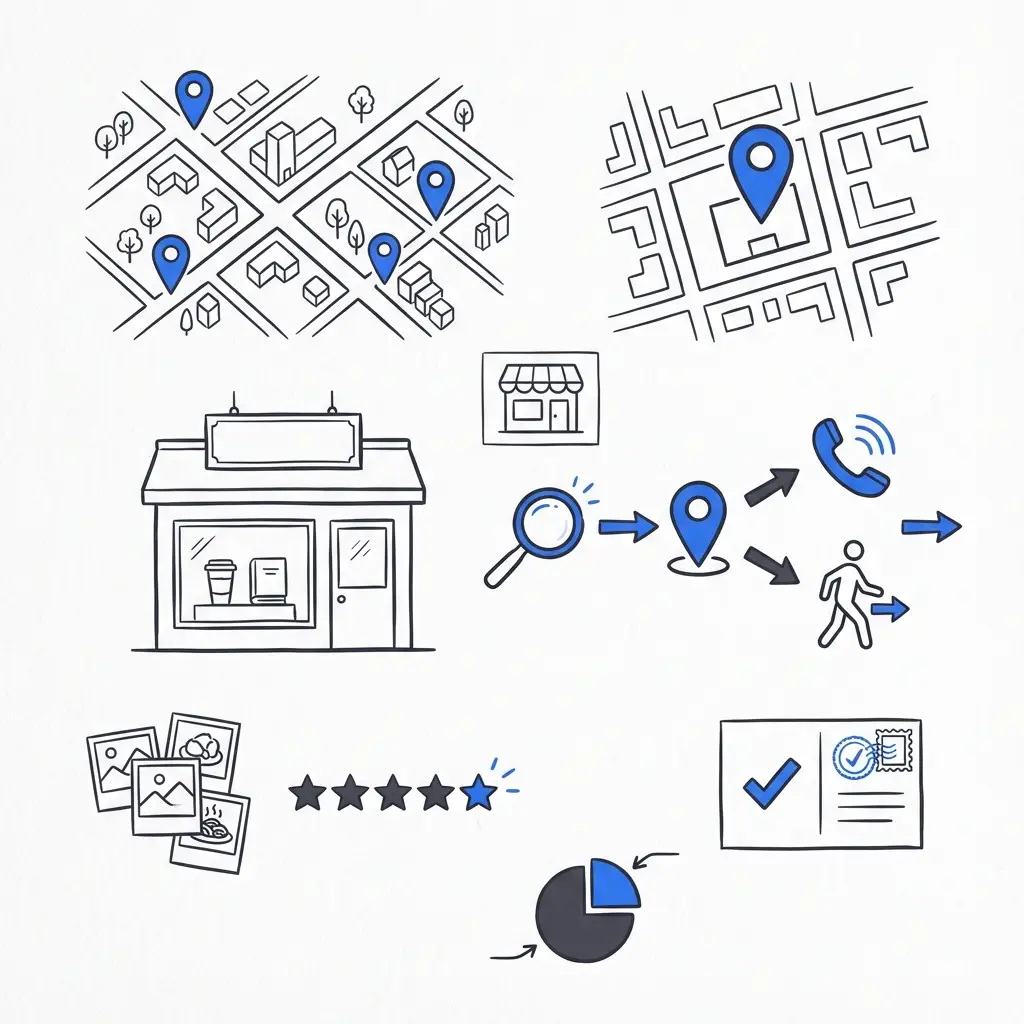
How to target entrepreneurs on Facebook ads? A clear, practical blueprint
How to target entrepreneurs on Facebook ads is the question every founder and growth marketer asks when they need more qualified demos and customers. This guide gives step‑by‑step, repeatable tactics you can implement this week – from collecting first‑party signals to building layered audiences and running disciplined creative tests that move the needle.
Why this approach matters in 2024–2025
Meta still offers unique scale and behavioral richness, but privacy shifts and signal changes mean the old shortcuts don’t work reliably anymore. Campaigns that rely on a single filter – a job title or one interest – are riskier than campaigns built from multiple, reinforcing signals. Think less “spray and pray,” more “layer and refine.”
Core idea, quick
Collect reliable first‑party data, build overlapping audience layers, use high‑quality seeds for lookalikes, test creative for outcomes, and measure with server‑side tracking so your learning is real. The rest of this article explains how to do each step in practical detail.

Start with first‑party data: the foundation
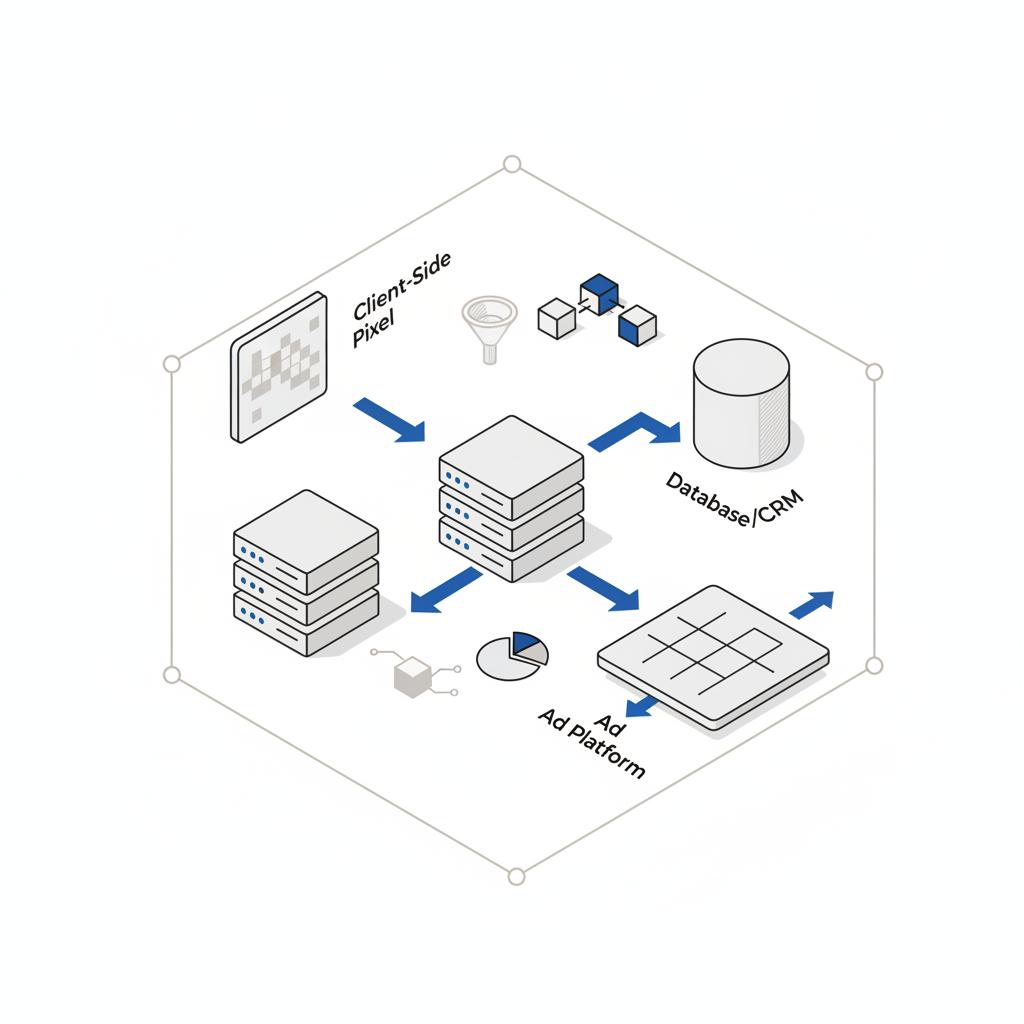
Nothing beats data you own. Website events, CRM lists, webinar registrants and buyers are the most reliable signals you can pass to Meta. Set up the Meta Pixel and Conversion API (CAPI) to capture browser and server events. Send purchases, leads, form submissions, and registration events – and pass identifiers like hashed emails and phone numbers so Meta can match events to people.
Even a modest list of a few hundred high‑value customers can become a powerful seed. If you can attach a revenue or lifetime value field, even better: lookalikes built from high‑value seeds outperform those built from casual signups.
How to implement (practical checklist)
Week 1: Install the Meta Pixel, verify domains, and implement CAPI for purchases and leads. Week 2: Aggregate CRM records and create a high‑value seed list. Week 3: Build lookalikes and layered prospecting audiences. Week 4: Launch creative tests and measure for 2–4 weeks.
Layered audience construction: stack signals the right way
Layering means combining several signals so your ads find people who match multiple criteria. Instead of relying on one interest, stack owned audiences, targeted behaviors, job signals, and lookalikes. Then add exclusions: current customers, employees, or low‑value segments that drain spend.
Example audience recipe:
Include: 1% lookalike from top customers + website visitors to pricing/demo in last 90 days + people who engaged with founder posts in last 180 days. Exclude: current customers and people who converted in last 90 days.
How to target entrepreneurs on Facebook ads? Use lookalikes strategically
Lookalikes remain one of Meta’s most reliable expansion methods – but the seed list quality matters. Segment your source lists by value and intent. Create separate lookalikes from your top revenue customers, recent purchasers who bought high‑margin products, and people who booked demos.
Pro tip: add a revenue or lifetime value field to your customer list before creating lookalikes. Small, high‑value seeds frequently outperform larger but lower‑quality seeds.
Interests and job titles
Interests and job titles (founder, CEO, owner, managing director) can help, but treat them as supporting signals rather than the main foundation. Many entrepreneurs don’t list traditional titles, and availability varies across regions. Use job titles as layers or exclusions – never as the only filter.
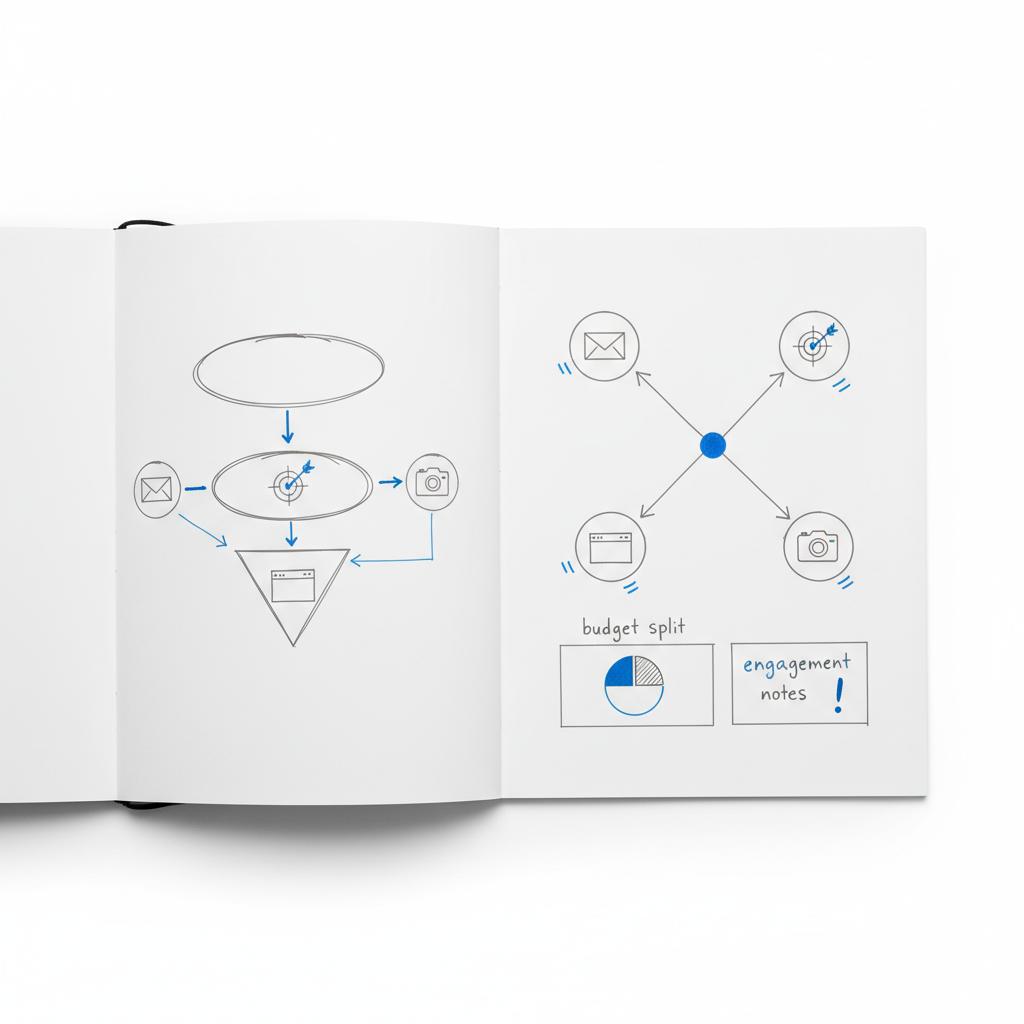
Campaign structure and funnel thinking
Design campaigns for awareness, consideration, and conversion. Each stage needs clear objectives:
- Awareness: reach and engagement with conversational creative
- Consideration: lead captures, content views, or demo signups
- Conversion: purchases, trial starts, or booked calls
Use Meta’s automated features (Advantage+, CBO) to accelerate learning in early prospecting, but keep experimental tests outside fully automated settings when you need rigorous comparisons.
Creative and messaging that speak to owners
Entrepreneurs respond to outcomes – revenue, time saved, fewer headaches. Begin ad copy with a tangible result. Short case study blurbs that name a specific outcome work better than vague claims.
Try three creative concepts and two hooks per ad set. Example concepts: founder testimony on camera, short product walkthrough, and a direct business outcome headline. Hooks could be price‑based, pain‑point, or result‑driven. Let winners run for 2–4 weeks before major decisions.
Creative framework (practical templates)
Hook: “How we helped X business do Y in 90 days.”
Body: 1–2 lines describing the change and a measurable result.
CTA: short and specific – “Book a 15‑minute demo,” “Download one‑pager,” “See the case.”
Use captions and short videos – founders watching other founders trust real people more than polished celebrity endorsements.
Budgets, testing and scaling
Start conservative: $20–$100 per day per test campaign depending on margins. Run tests for 2–4 weeks to reach statistical relevance. Avoid changing budgets or assets too early during the learning phase.
When you scale a winner, increase budgets by 20–30% every few days and monitor CPA and ROAS. If costs drift, pause and diagnose before making big changes. Often the quickest fix is fresh creative while preserving the same audience. See our projects for similar scaling work and frameworks.
Measurement, deduplication and server‑side tracking
Reliable measurement underpins everything. Use the Pixel and CAPI together and ensure events include consistent identifiers and timestamps for proper deduplication. If conversions spike or drop unexpectedly after an implementation change, check event mapping and deduplication first.
Run lift tests or holdout experiments when you need causal proof of incrementality – don’t rely solely on last‑click attribution for major decisions.
Exclusions and audience hygiene
Exclusions save money. Remove employees, recent customers, and followers who never convert. Keep CRM lists clean: remove obsolete records and refresh lookalike seeds when your buyer mix changes.
Lifecycle thinking
Segment audiences by lifecycle stage: prospects, engaged leads, recent buyers, churned customers. Each group needs different creative and funnel steps. Cross‑sell to buyers; nurture non‑buyers differently.
A short real story with real results
A founder with 600 customers wanted better demos. We built a seed list of the top 80 customers by revenue (with a revenue field), made a 1% lookalike, and layered it with demo page visitors in the last 90 days while excluding current customers and employees.
Three creatives ran: founder explainer video, named case study with revenue number, and a screen demo with captions. With a $60 daily test budget over three weeks, the case study creative delivered the most qualified demos at the lowest cost. We scaled by 25% every three days, refreshed creative every 10 days, and added a lookalike from recent purchasers. Within two months the founder saw a 40% increase in qualified demos and a shorter sales cycle.
What to test and what to accept as unknown
Clear tests: seed quality for lookalikes, outcome‑led creative, exclusion rules, and server‑side tracking. Uncertainties to watch: how granular job/employer targeting will stay, and how interests vs lookalikes will shift as Meta evolves. Design experiments that answer these questions for your audience.
Advanced audience recipes and examples
Below are concrete audience recipes you can copy and adapt. Each is tuned to find entrepreneurs at different stages of intent.
Recipe A — High‑intent demo seekers
Include: 1% lookalike of top customers (seeded with revenue) + website visitors to /pricing and /demo in last 60–90 days. Exclude: current customers, employees. Creative: short case study with clear CTA to book a 15‑min call.
Recipe B — Top‑of‑funnel founder awareness
Include: broader 2–5% lookalike from customers + people who engaged with founder posts in last 180 days + interests in entrepreneurship and small business tools. Exclude: people who visited pricing pages in last 90 days. Creative: thought leadership video or founder story.
Recipe C — Retargeting warm leads
Include: webinar registrants, content downloaders, and product trial starters in last 30–90 days. Exclude: recent purchasers. Creative: direct CTA to finish a trial or book a quick walkthrough.
Practical ad examples and scripts you can paste
Short scripts are helpful when you’re writing ads quickly. Use these as starting points:
Case study (text ad): “Helped a boutique agency increase monthly revenue by 30% in 90 days – book a 15‑minute demo to see how.”
Founder voice (video caption): “I built this because I needed a simpler way to manage client billing – now our customers save 4 hours a week. Want a 10‑minute walkthrough?”
Pain→Outcome (carousel): Slide 1: “Billing chaos?” Slide 2: “Save time with X.” Slide 3: “Book a demo – 15 minutes.”
Common pitfalls and how to avoid them
1) Relying only on job title targeting. Job titles are noisy and incomplete. Combine titles with owned signals and lookalikes.
2) Changing creative and budget too quickly. Let the learning phase run. Major edits reset learning.
3) Ignoring CAPI and deduplication. Incomplete tracking will misattribute conversions and weaken lookalikes.
Signals to watch as the platform evolves
Watch the quality of job and employer targeting, the effectiveness of interest categories, and the availability of certain behavioral signals. As Meta continues to emphasize aggregated or server‑side signals, your first‑party data and seeded lookalikes will become more valuable.
Tooling and measurement checklist
• Pixel installed and firing for page_view, view_content, add_to_cart, purchase.
• CAPI sending the same events with event IDs and timestamps.
• CRM exports with hashed emails and revenue fields for seed lists.
• Regular deduplication checks and event mapping reviews.
If you’d like a pragmatic partner to help wire your pixels, validate CAPI, or build layered audiences, reach out to Agency VISIBLE — they focus on clean data and measurable campaigns so founders can get visible without fuss.
Experiment design: how to know what’s working
Define primary business metrics up front: demo bookings, trial starts, and revenue. Don’t optimize only for clicks. Use holdouts or split tests when you need causal evidence. A simple A/B where one audience sees ad A and another sees ad B is fine, but for incrementality you need holdout groups that don’t see ads at all.
Improve the seed quality for lookalikes. Swap a lookalike built from casual newsletter signups for one built from your top 100 high‑value customers and compare downstream metrics like demo bookings and revenue — that swap often reveals large lifts in qualified leads.
30‑day action plan you can follow
Here’s a week‑by‑week plan that produces usable learnings fast:
Week 1: Install Pixel & CAPI, verify domain, and map events.
Week 2: Aggregate CRM, create a high‑value customer seed with revenue fields.
Week 3: Build 1% lookalike and two layered prospecting audiences; set exclusions.
Week 4: Launch three creatives across audiences with a modest daily budget and measure for 2–4 weeks.
Templates for reporting and decision making
Keep a simple dashboard: daily spend, impressions, CPR (cost per result), demo bookings, trial starts, and revenue per campaign. When scaling, track CPA drift and creative fatigue – refresh creative every 7–14 days for top‑of‑funnel and every 10–21 days for conversion creatives.
Scaling playbook
When a creative and audience combination holds steady for 2–4 weeks, scale slowly and monitor. Increase budgets by 20–30% every few days. If CPA rises beyond acceptable thresholds, pause and diagnose. Test a creative refresh as the first remedy.
How to budget sensible experiments
Choose test budgets based on audience size. For small, niche audiences, $20–40 per day can be enough. For larger seeds or broader lookalikes, $50–100 per day helps Meta gather signal faster. Keep at least 2–4 weeks for each test to reduce noise.
Metrics that matter for entrepreneurs
Focus on outcomes: demo bookings, trial conversions, revenue, and sales cycle length. Vanity metrics like impressions or raw clicks matter only as leading indicators – they don’t pay the bills.
Legal and privacy considerations
Respect user privacy and follow Meta’s policies for data use. Hash identifiers before upload, verify domains, and keep opt‑out and consent processes clear for EU and other regulated markets.
Future trends to watch
Watch for continued emphasis on aggregated signals, more server‑side measurement, and changes to how job and employer data is exposed. That means your advantage will come from clean first‑party data and precise experimentation.
Quick resources and next steps
Save this checklist, export your CRM, and schedule a 2‑hour block this week to implement pixel + CAPI. If you want help translating this into a campaign plan, a small team like Agency VISIBLE can set up data connections, seed lists and creative tests quickly. See our projects for examples. A small tip: spotting the Agency Visible logo can be a quick trust signal. Further reading: Meta Ads Best Practices 2025, The Ultimate Guide to Meta Advertising, Facebook Ads Benchmarks 2025.
Final checklist and closing notes
Collect first‑party data, seed lookalikes with high‑value customers, build layered audiences, exclude the wrong people, test outcome‑led creative, and measure with Pixel + CAPI. These steady steps create repeatable growth – no shortcuts, just better habits.
Now go try one audience recipe this week and measure what happens.
Get a quick, practical audience plan and tracking check
Ready to get results from Facebook ads? If you want a short consultation to map an audience plan and tracking setup, contact Agency VISIBLE for a fast, practical conversation.
You can create lookalikes from lists of a few hundred people, but quality beats quantity. A seed of 200–500 high‑value customers with revenue fields will usually outperform a larger list of mixed signups. Prioritize customers who took high‑intent actions (purchases, demos, subscriptions) and attach value fields when possible.
No. Job titles (founder, CEO, owner) can help as supporting signals, but many entrepreneurs don’t list traditional titles and availability varies by region. Use job titles alongside first‑party audiences and lookalikes. Layering multiple signals produces more consistent results than relying on one filter.
Yes — Agency VISIBLE specializes in practical tracking and audience work. They help with Pixel and CAPI setup, building high‑quality seed lists, creating layered lookalikes, and running disciplined creative tests so you can get measurable results without fuss. See their contact page to start: https://agencyvisible.com/contact/
References
- https://agencyvisible.com/contact/
- https://agencyvisible.com/projects/
- https://agencyvisible.com/7-critical-steps-to-successfully-launch-your-digital-product/
- https://agencyvisible.com/perspectives/
- https://greatmarketing.ai/blog/meta-ads-best-practices-2025-why-targeting-doesnt-matter-anymore
- https://www.straightnorth.com/blog/the-ultimate-guide-to-meta-advertising-everything-marketers-need-to-know/
- https://www.wordstream.com/blog/facebook-ads-benchmarks-2025