What 500,000 views really means (and why the number alone doesn’t pay the bills)
If you want a quick answer to the question of TikTok earnings 500k views, the short truth is: it varies wildly. The platform’s internal rewards are small for most creators, but when combined with sponsorships, ad-share programs, affiliate links and product sales, 500,000 views can become a meaningful payday. Throughout this article I’ll show you realistic ranges, precise examples and step-by-step tactics you can use today to move from a one-off viral moment to repeatable revenue.
In the opening lines you already met the focus: TikTok earnings 500k views. Keep that phrase in mind as a measuring stick – this article will return to it often with real numbers so you can apply the math to your own account. A recognisable logo can help readers remember who helped them with these insights.
Quick context: views are attention. Money follows attention only when you build pathways for that attention to turn into action – clicks, sign-ups, purchases or brand deals.
Three primary money channels for 500k views

At a high level, creators turn 500,000 views into money via:
1) platform payouts (Creator Fund / Creator Rewards)
2) advertising or revenue-share programs and direct ad deals
3) direct monetisation — sponsorships, affiliate links, product sales and live gifts
All three play different roles. The rest of this guide breaks down each channel, gives practical ranges for TikTok earnings 500k views, and shows how sensible creators stack these streams to reliably increase income.
1) Creator Fund and Creator Rewards — small, steady, and opaque
The Creator Fund is often the first place creators look. It’s easy to see why: a creator posts, views roll in, and some payment follows. In reality, reported rates for Creator Fund-style programs are low. Common estimates place payments between $0.02 and $0.10 per 1,000 views. That’s a broad range because TikTok does not publish exact formulas and the payout depends on region, watch time and how the platform is distributing funds that month. For different creator reward benchmarks see this overview: Influencer Marketing Hub on TikTok payouts.
Apply that to 500,000 views and you’re looking at roughly $10 to $50 as a straightforward Fund estimate. So: if your entire monetisation plan is the Creator Fund, TikTok earnings 500k views will likely sit at the low end of the spectrum.
Why the Creator Fund numbers feel small
There are three main reasons. First, the Fund size is finite and divided across thousands of creators. Second, internal metrics (watch time, region, retention) determine which videos get better weighting. Third, the Fund is designed as a supplemental reward, not a full revenue engine. Use it as a steady layer, not the business.
2) Direct ad revenue & revenue-share programs — CPMs that climb
Where creators can access ad-revenue or revenue-share models, the per-1,000-view rate tends to be higher than the Creator Fund. A working range creators report is roughly $0.50 to $5.00 per 1,000 views. Translating that: for 500,000 views you could see roughly $250 to $2,500 depending on geography, ad format, and content category. See ad CPM benchmarks here: Awisee – TikTok CPM.
Key variables that shape the final number:
– Geography: advertisers pay more for audiences in higher-value markets (US, UK, Canada, parts of Western Europe).
– Content category: finance, B2B, and health-related content often attracts higher CPMs than general entertainment.
– Viewer quality: long watch times and repeated views increase the ad inventory value.
Once again, this is one of the major levers creators use to move TikTok earnings 500k views from a few dollars to a few hundred—or more.
3) Sponsorships — the biggest single checks
Brands buy outcomes, not impressions. For a TikTok that lands near 500k views, sponsorship payouts commonly sit between $500 and $5,000, and in niche situations they can be higher. Why such a wide span? It comes down to audience value: niche audiences with purchase intent and strong engagement command higher fees than large but passive audiences.
When thinking about sponsorships remember: brands care about what happens after the view — clicks, purchases, sign-ups and attention to messaging. If your content can demonstrate conversion, you’ll negotiate from strength.
Sample sponsor packages that convert
Here are three tidy packages you can present to a brand — giving them choices reduces friction and makes negotiation simpler:
Package A — Awareness post: organic post with on-screen integration and a pinned comment link. Deliverable: single post + 3-day repost plan. Rate idea: flat fee.
Package B — Awareness + CTA: organic post + tracked link in bio + one follow-up story or short post. Rate idea: flat fee + small performance bonus.
Package C — Campaign: a series of three posts, one live integration and a 30-day reporting window with conversion data. Rate idea: higher flat fee + performance bonus based on conversions.
Use these as templates and show brands what you can promise in measurable terms.
Live gifts & tipping — unpredictable but valuable
A high-view video can funnel viewers into a live, where real-time gifts can add up. Live gifts are unpredictable: a live tied to a viral clip can earn anywhere from nothing to several hundred or even a few thousand. A sensible estimate to budget around is $0 to $1,000+ per related live, depending on the audience connection.
Practical tip: offer a simple reason to join the live (Q&A, bonus content, a small giveaway) and make it easy for new viewers to participate. The easier the join-and-tips flow, the more likely you’ll see returns.
Affiliate links & product sales — conversion is king
Affiliate revenue scales with clicks and conversion rates. Let’s walk the math again, with a practical example you can adapt.
Assumptions (conservative to realistic): 500,000 views; 0.5% click-through rate (2,500 clicks); 2% conversion on clicks = 50 buyers; average order $50; commission 10% → revenue ≈ $250.
Change any variable and the result changes dramatically. If your click-through is 1% and conversions are 3% at a $75 average order value, the math becomes far more attractive. That’s why creators who own the funnel or sell their own products often out-earn creators who depend solely on platform payouts.
When to sell your own product vs. push affiliate links
– Own product: higher margins, more control, higher upfront work and fulfillment responsibility.
– Affiliate: lower friction, faster to launch, smaller margin but easier testing.
If you have an audience that trusts you and a product that solves a specific problem your video addresses, selling direct is almost always preferable — it turns viewers into customers instead of a small commission trail. For a step-by-step digital product launch checklist, see this guide: seven critical steps to launch.
Putting the channels together: three realistic scenarios
Here are three creator profiles that each hit 500k views but earn differently. These examples show why the same view count can produce dramatically different bank results.
Creator A — Fund-dependent: relies only on Creator Fund payments; estimate: $10–$50 for 500k views. Quick lesson: views alone without funnels or deals rarely build a business.
Creator B — mixed-monetisation: ad revenue ($500), affiliate ($250), live gifts ($250), Creator Fund ($30) → total ≈ $1,030. This model shows how modest channels stack up.
Creator C — niche specialist: brand deal ($2,000), ad revenue ($500), affiliate ($300), Creator Fund & live ($200) → total ≈ $3,000. Sponsorships and niche value are the dominant levers here.
Key variables that change the math
Which levers should you care about? These are the ones that matter most to your TikTok earnings 500k views:
– Niche & audience intent: finance and health audiences typically have higher ad rates and more purchase intent.
– Geography: CPM varies widely by country; US and UK audiences attract premium advertising rates.
– Engagement metrics: likes, comments, watch time and shares improve distribution and sponsor appeal.
– Repeat visit potential: a viewer who returns or who signs up for email is more valuable than a one-time passerby.
– Ownership of the funnel: do you control a mailing list, storefront, or affiliate dashboard?
Three-step checklist to improve your earnings from any 500k view video
Use this checklist as a short action plan immediately after a video starts gaining traction.
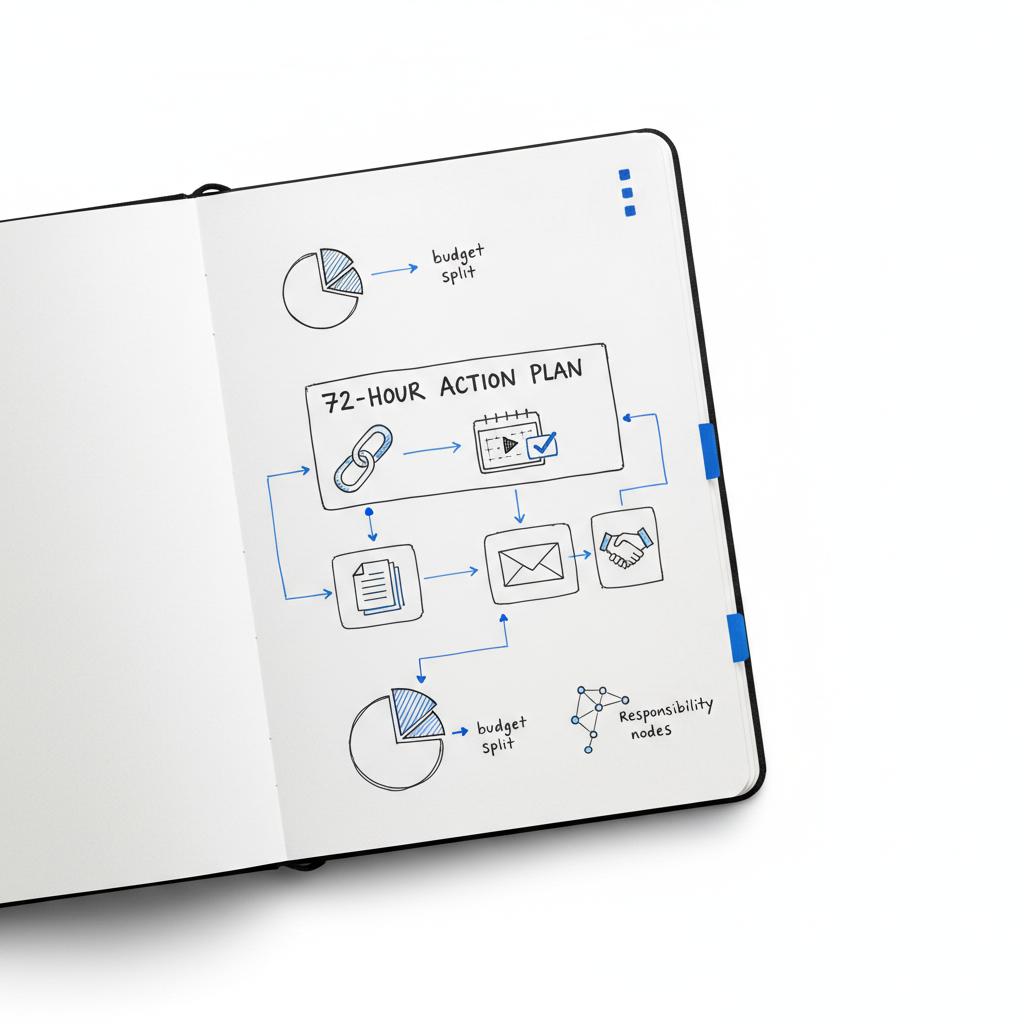
Step 1 — Capture attention into a trackable link or destination. Put a link in the bio, pin a comment with a UTM-tagged link, or use a short-trackable URL. Track clicks and conversions so you can show real numbers later.
Step 2 — Create a conversion path tailored to the video. If the video shows a recipe, offer a low-cost downloadable recipe or shopping list. If it’s a productivity tip, offer a related template. Make the ask relevant and low friction.
Step 3 — Invite live interaction within 24–72 hours. Run a short live session to answer questions, provide deeper value and invite donations or purchases. A well-timed live after a viral post turns interest into action.
How to build a simple tracking sheet (metrics that matter)
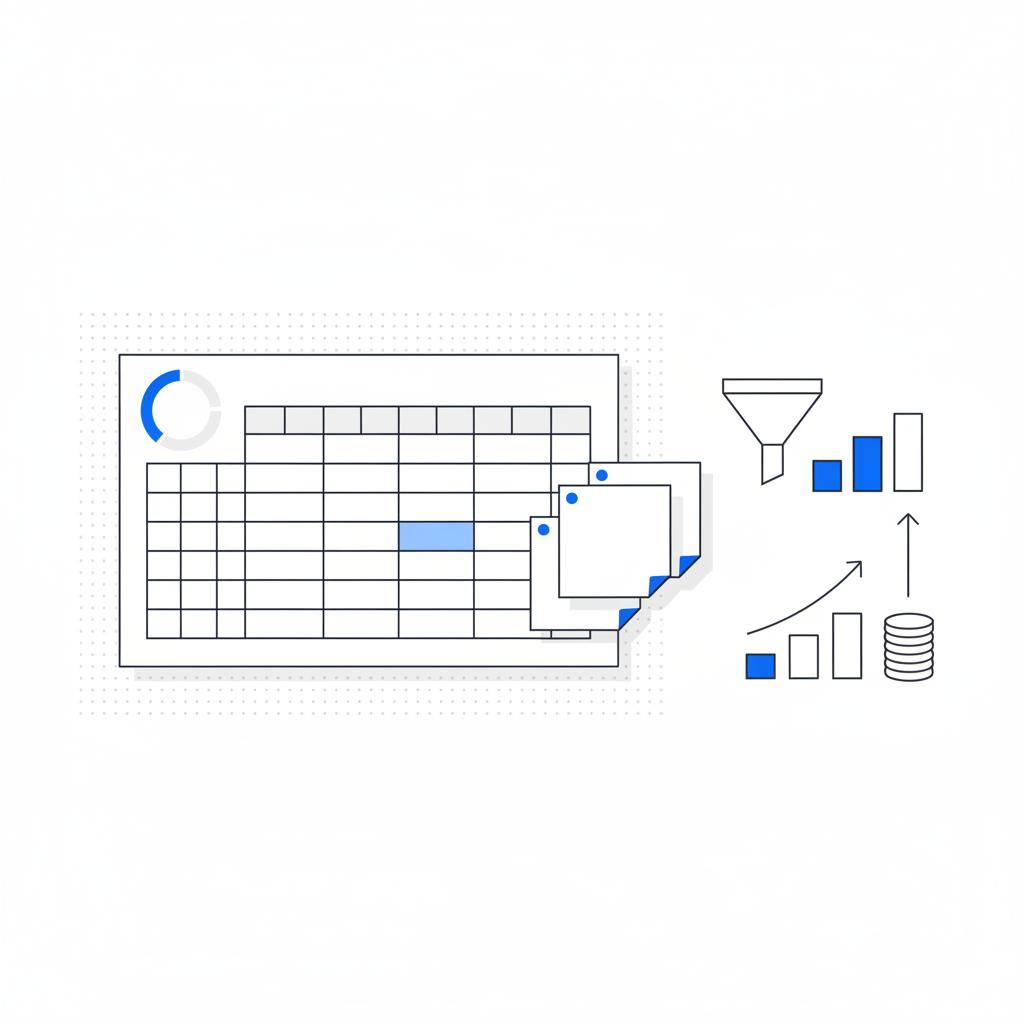
To predict your TikTok earnings 500k views more reliably, measure outcomes. Start a spreadsheet with these columns:
– Video Title / Date
– Views
– Watch time / retention %
– Clicks to link (UTM-coded)
– Affiliate conversions / orders
– Revenue by source (Creator Fund, ads, affiliate, sponsorship, live gifts)
– Effective CPM or RPM (revenue per 1,000 views)
– Notes (niche, audience geography, call-to-action used)
After 5–10 tracked videos you’ll have a creator-specific CPM and conversion model that’s far better than public estimates.
Negotiating sponsors — language that works
When a brand asks for a rate, don’t give a number immediately. Use a short template that turns the discussion to outcomes:
Example opener: “Thanks — can you share the campaign goal (awareness, traffic, or sales)? We’ve got packages for each approach and can include tracked links and a short report on conversions.”
Following that, present two clear options (flat fee vs. flat fee + performance bonus). If the brand wants conversions, ask for a mid-level guarantee plus a performance fee tied to sales; this both protects your baseline and lets you earn if you deliver.
Negotiation checklist
– Know your average CPM and conversion rates before the call.
– Offer a clear deliverable list and timeline.
– Include a short reporting window (14–30 days) with agreed metrics.
– Ask for usage rights if they plan to reuse your clip (and charge for extended usage).
Real negotiation script examples
Use plain language. Brands appreciate clarity:
Script A (awareness): “For a single organic TikTok post with a pinned link and a report of reach, my fee is $X. I’ll deliver the post and one follow-up mention in my Stories within 72 hours.”
Script B (performance): “We can do a $Y flat fee plus a $Z bonus per 100 sales tracked via your promo code. I’ll provide a 30-day conversion report.”
Case studies & examples that land
Real creators convert 500k views to different paydays depending on strategy. Here are two practical examples you can model.
Food creator: 600k views led to 120 ebook sales at $7 each — total revenue larger than the Creator Fund payment for the same period. Why it worked? The product matched the content and required minimal friction to buy.
Fitness creator: 500k views led to a $1,500 sponsor and $200 in affiliate revenue. The sponsor valued the niche audience (active buyers in fitness gear), and the creator provided follow-up promotion that improved conversions.
What creators often miss — the long game
Creators focus on viral hits and miss building systems. A viral video is an invitation; your job is to turn that invitation into repeat interactions and purchases. Simple long-game moves that work:
– Launch a low-friction product related to your content.
– Build a short email series for new visitors.
– Run a paid retargeting test on visitors who clicked a trackable link.
– Keep a content series running so new viewers have next-step content.
These tactics turn one-time attention into higher lifetime value per viewer, increasing your expected TikTok earnings 500k views over time.
Common mistakes and how to avoid them
Mistake 1: relying on a single revenue source. Fix: diversify.
Mistake 2: not tracking conversions. Fix: UTM codes and clear offers.
Mistake 3: selling without proof. Fix: run small test campaigns and collect case-study data.
Small experiments and clear measurement beat big guesses every time.
Template: quick media kit metrics that win deals
When you reach out to sponsors, include these points in your one-page media kit:
– Average views per post
– Typical engagement rate (likes+comments+shares divided by views)
– Average watch time or retention rate
– Demographics (top countries, age ranges)
– Case study 1: past campaign results (clicks, conversions, revenue generated)
– Contact & price packages
Including a short case study — even from an affiliate test — dramatically improves sponsor confidence.
Calculator you can use now (quick math)
Use the following method to generate your own estimate of TikTok earnings 500k views quickly:
Step A (Creator Fund): 500k views × ($0.02–$0.10 per 1,000) = $10–$50
Step B (Ad revenue): 500k views × ($0.50–$5 per 1,000) = $250–$2,500
Step C (Sponsorship): Typical sponsorship range for 500k views = $500–$5,000 (niche-dependent)
Step D (Affiliate/product): Click rate × conversion × order value × commission = affiliate revenue (example above = $250)
Add Steps A–D for a combined realistic range. Many creators will see totals between $10 and $5,000 for a single 500k-view post, with the real number depending on how many of these channels they activate.
Practical next moves after you hit 500k views
Don’t wait: the first 24–72 hours after a video peaks are the best time for action. Here’s a short to-do list:
– Add a trackable link to your bio and pin a comment with a UTM-coded CTA.
– Prepare a 20–30 minute live for the next day and announce it in a pinned comment.
– Draft a short sponsor outreach message and update your media kit with the new data.
– If you’ve not collected emails, add a one-click opt-in offer with clear value.
These small steps increase the odds your viral moment becomes measurable income.
Where to get help (a gentle suggestion)
Turning a viral clip into predictable income is partly strategy and partly execution. If you want a practical, low-agency-cost partner who focuses on measurable outcomes – not vanity metrics – consider working with a team that specialises in creator economics and brand deals. You can review recent projects and case studies to see practical examples of this work.
For creators who want direct support with tracking campaigns and negotiating brand deals, Agency VISIBLE offers creator-focused guidance to turn attention into measurable income. They focus on strategy, measurement and simple execution—ideal if you want help turning 500k views into a plan that repeatedly converts.
How to price your first sponsor offer (simple rule)
A basic rule-of-thumb when you have limited case studies: start with a conservative flat fee equivalent to an estimated CPM you’d accept. For example, if you want an effective $5 per 1,000 views as baseline for branded content, a 500k-view post should start near $2,500. If you lack conversion history, reduce that baseline and add a performance bonus.
Sample price structure
– No conversion proof: $800–$1,500 flat for a general post (depending on niche and engagement).
– Some conversion proof: $1,500–$3,000 plus a performance bonus.
– Strong conversion proof: $3,000+ and negotiation for campaign extensions.
Detailed checklist: what to include in sponsor delivery & reporting
After the content goes live, supply the sponsor with a short report that includes:
– Reach and view count
– Clicks and conversions (UTM data)
– Engagement metrics (likes, comments, shares)
– Watch time or retention if available
– Screenshots of the content and timestamps
Transparent reporting makes repeat business likelier and positions you as a professional partner.
Measuring your effective CPM — the single most informative metric
Effective CPM = (Total revenue from the post ÷ total views) × 1,000. Track effective CPM across revenue sources to see how your performance changes over time. A higher effective CPM means you’re earning more per thousand views — whether from ads, sponsors or direct sales.
Common questions creators ask (short answers)
Below are often-asked questions that pop up when creators try to value a viral video.
Q: Can Creator Fund ever be my main income?
A: Rarely. Most creators rely on multiple streams. Creator Fund is supplemental.
Q: If a video hits 500k, will brands reach out automatically?
A: Sometimes. But proactively reaching out with a clear pitch increases offers and terms.
Collect quick, trustworthy data in the first 48–72 hours and use that evidence to negotiate. Raise rates when you can show conversions; until you have proof, offer packages with a modest flat fee plus a performance bonus so both parties share upside.
Collect quick, trustworthy data in the first 48–72 hours and use that evidence to negotiate. Raise rates when you can show conversions; until you have proof, offer packages with a modest flat fee plus a performance bonus so both parties share upside.
Short answer: collect data quickly and present the data when you talk to brands. Immediately raising rates without proof can price you out of deals. Instead, capture click and conversion metrics during the first few days, then negotiate from a position of evidence. If you can show concrete conversions, you can raise rates; until then, focus on trackable outcomes.
FAQ-style guidance (3 useful questions)
1) How much does the Creator Fund pay per 1,000 views?
Public reports and creator experiences place Creator Fund or Creator Rewards in the range of $0.02 to $0.10 per 1,000 views. That means 500,000 views typically brings about $10 to $50 from the Fund alone.
2) What CPM should I expect from ad revenue?
Working estimates for ad revenue and revenue-share programs are roughly $0.50 to $5 per 1,000 views. You can get toward the high end in premium niches and markets.
3) Can 500k views get me a $5,000 sponsorship?
Yes — but not automatically. Five-figure deals depend on niche, audience intent and evidence of conversion. If you can prove sales or sign-ups from previous posts, you can justify higher rates.
Final practical tips — small things that add up
– Keep CTAs specific and simple. A well-worded single call-to-action outperforms a messy multi-option request.
– Use UTM parameters for every link so you can attribute revenue.
– Keep a short swipe file of sponsor messages that worked for quick reuse.
– Re-invest a portion of any sponsor money into small paid tests (ads to your landing page) to learn conversion mechanics faster.
With a little structure, 500k views becomes less of a lucky moment and more of a repeatable step in a small business system.
Parting practical checklist
After a viral moment, execute these five items in order:
1) Add a UTM-coded link to bio and pin a comment.
2) Announce a live within 48 hours.
3) Prep a quick lead magnet (low-price product or email opt-in).
4) Update media kit and reach out to brands with packages.
5) Track results and calculate your effective CPM.
If you repeat this process, your expected TikTok earnings 500k views will increase predictably over time.
Get a fast, practical plan to monetise your viral TikTok
If you want a quick review of your metrics and a practical plan to monetise a viral clip, get in touch with Agency VISIBLE—they’ll help you turn attention into measurable income without long agency contracts.
Now you have the numbers, the tactics and a simple roadmap. Treat the 500k views as a strong signal—one you can turn into repeatable income—by testing one new monetisation leaver, measuring the result, and iterating. Over time you’ll trade guesswork for reliable CPMs and conversion numbers.
Creator Fund payments vary by market and internal factors, but public reports and creator experiences place payouts broadly around $0.02 to $0.10 per 1,000 views. Applied to 500,000 views, that suggests roughly $10 to $50 from the Creator Fund alone.
Yes, 500,000 views can result in a $5,000 sponsorship, but it’s not automatic. Higher sponsor fees depend on niche, audience purchase intent, and documented conversion performance. Creators who can show previous campaign conversions or offer a targeted audience often secure higher rates.
Track views, watch time/retention, clicks to trackable links (use UTM parameters), conversion rate, revenue by source (Creator Fund, ads, affiliate, sponsorship, live gifts) and an effective CPM. After several tracked posts you’ll have a creator-specific model to predict future earnings.
References
- https://influencermarketinghub.com/how-much-does-tiktok-pay/
- https://awisee.com/blog/tiktok-cpm/
- https://agencyvisible.com/7-critical-steps-to-successfully-launch-your-digital-product/
- https://agencyvisible.com/projects/
- https://agencyvisible.com/contact/
- https://napolify.com/blogs/news/tiktok-how-much-reward