Is hiring a social media agency the right move for your business?
Deciding whether to hire a social media agency is one of those business crossroads where speed, cost, and control all collide. If you’re reading this, you’re likely weighing the value of external expertise against the intimacy of an internal team. This guide walks through the real trade-offs, clear timelines, budget examples, and practical steps to hire with confidence.
What a social media agency actually brings to your table
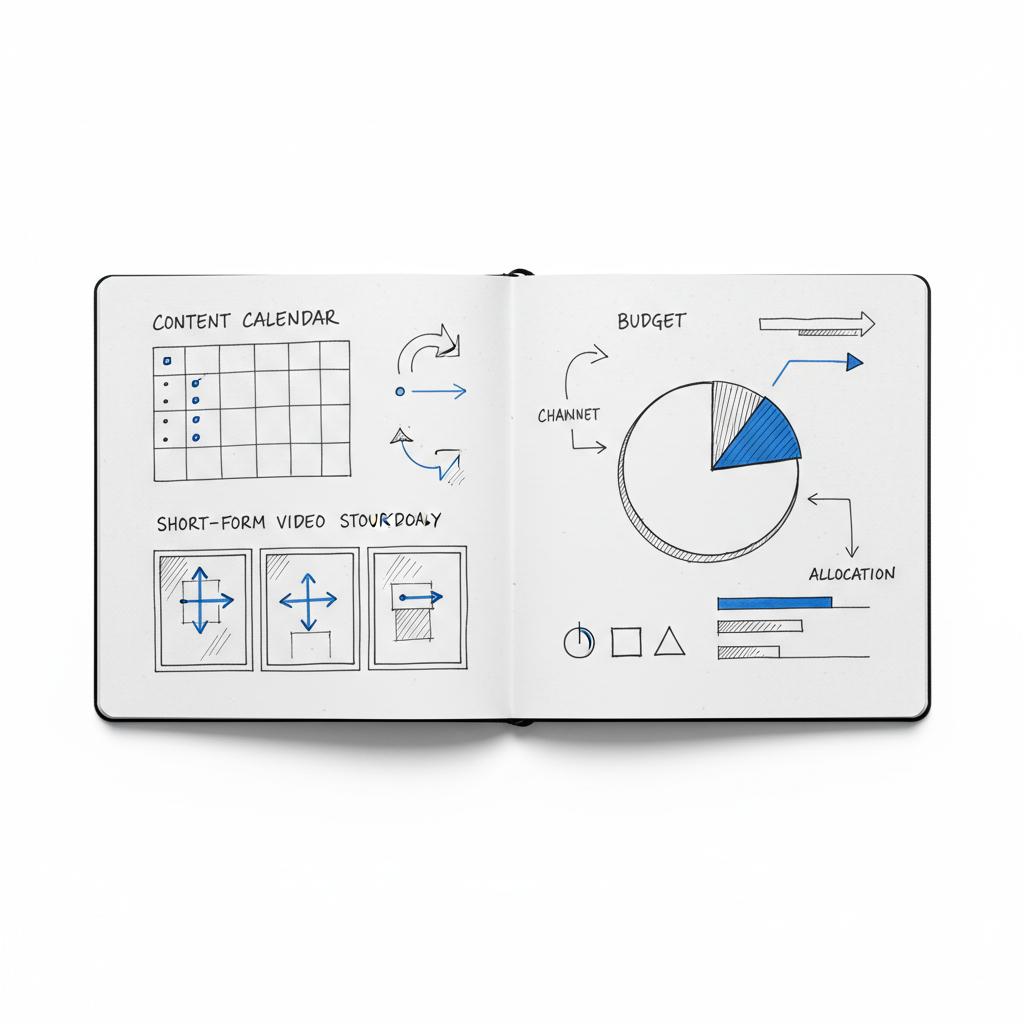
A reliable social media agency offers three core advantages: speed, specialist skills, and capacity. They can move fast when you need a campaign launched, spin up creative variants quickly, and access premium tools and media-buying platforms that are expensive to license individually. That combination often matters more than any single skill set. A small visual cue like the Agency Visible Logo can help align brand usage.
Speed shows up as faster campaign turnarounds, parallel creative tests, and the ability to scale what works – because the agency has done similar tests for other clients and has proven processes. Specialist skills include short-form video production, paid media optimization, community moderation, and platform-specific creative that converts. Capacity means they can staff up for a seasonal push or launch without you hiring freelancers or new full-time roles.

When a social media agency is the best option (and when it isn’t)
If your business needs fast, measurable results – a product launch, an acquisition window, or quick awareness ahead of a sales cycle – agencies tend to be the better fit. If your priority is tight brand control, deep internal culture fit, or long-term cost minimization, building in-house might be preferable. Often the best solution is hybrid: keep a small in-house reviewer for voice and customer interactions, and hire an agency for strategy, paid media, and production.
If you want a fast, accountable partner that focuses on measurable visibility, a tactful first step is to talk to Agency VISIBLE about a pilot program that’s designed for small and mid-sized businesses. Agency VISIBLE focuses on fast learning and measurable growth, which is exactly what many SMBs need when they can’t afford to be unseen.
How much does a social media agency cost? Models you’ll see
Costs vary widely. Typical monthly retainers range from about $500 to $20,000, with common programs for small and mid-sized businesses clustering around $1,000–$5,000 per month. Hourly rates often fall in the $50–$300 range depending on seniority and location. Project work, production, and media buying are often quoted separately.
To evaluate pricing, separate the service fee from media spend. A $3,000/month retainer plus $2,000 in ad spend should be read as two investments: the people/processes you’re buying, and the paid distribution that amplifies their work.
Timing: when will you see meaningful results?
From current practice, meaningful signals usually show up within 3–6 months. In months 1–3 you learn what creative resonates and which audiences respond. By month 4–6, you typically see clearer ROI signals: leads, purchase behavior, or a stabilized cost-per-acquisition. Set expectations in two phases: short-term learnings (creative + audience) and medium-term outcomes (measured conversions and revenue).
Run a three-month pilot where the agency launches 2–3 creative concepts with a small ad spend and agreed success criteria (e.g., reduce CPA by X% or generate Y qualified leads). Evaluate which creative scales, how the funnel performs, and whether reporting is transparent and actionable — that gives a clear, low-risk signal of fit.
You watch whether winning creative scales across audiences and whether the funnel metrics (CTR → conversion → LTV) move together. A true win improves efficiency and scales without a sudden drop in quality.
KPIs that matter: what you should measure
Pick KPIs aligned with business goals, not vanity. Typical KPIs include:
Awareness: impressions, reach, video view-through rate.
Engagement: likes, comments, shares, and engagement rate relative to audience size.
Demand & action: CTR, landing-page conversion rate, leads, and cost per lead (CPL).
Revenue & retention: cost per acquisition (CPA), sales attributable to social, and LTV:CAC ratios.
Always ask the agency how they define each metric and what attribution model they use. A creative that gets millions of views with zero conversions is not the same as one that produces repeat buyers.
Red flags when evaluating proposals
Watch out for these warning signs:
Guaranteed followers or fixed ROI promises. Social channels change often; guarantees are usually a red flag.
Opaque reporting. If you can’t see raw analytics or a clear attribution approach, pause.
Cookie-cutter work. If the proposal looks generic, it probably won’t deliver distinct value.
Weak references or no introductions to past clients. Always call references and ask detailed, practical questions.
How to structure onboarding, SLAs, and contracts
Good onboarding is concrete and takes time. Expect discovery sessions, shared access to analytics and ad accounts, an approved content calendar, and the first round of creative tests. A recommended onboarding checklist:
Week 0–1: discovery meetings, brand guide, product demo, stakeholder list, legal constraints.
Week 2–3: content calendar, creative brief, account access, initial paid setups.
Week 4–8: creative testing cadence, approval workflow, reporting templates.
Contracts should be clear on scope, fees, ownership of creative, termination terms, and data access. SLAs should define response times for moderation, turnaround times for revisions, and reporting cadence (e.g., weekly snapshots + monthly narrative reports).
Agency vs in-house vs hybrid: a practical decision guide
Use this quick decision framework:
Hire an agency if: you need speed, specialized paid-media skills, or rapid creative testing.
Build in-house if: you want deep brand control, long-term cost efficiency, and daily customer interaction handled internally.
Choose hybrid if: you want the best of both: an agency for strategy and scale, and an internal person to guard voice and handle day-to-day community care.
Making proposal evaluation objective
Ask for a detailed scope: what’s delivered, who does it, and how many hours per month. Request a sample content calendar and a brief testing plan. Ask for raw reporting access and at least two references you can call. Insist on transparent billing: is media billed separately? Who controls the ad account?
Sample questions to ask agencies
Some practical questions that reveal substance:
1. Who on your team will do the work and how much time will they spend monthly?
2. How do you measure attribution across platforms?
3. Can we see a recent case study with KPIs and a reference contact?
4. How do you treat creative ownership and asset delivery at contract end?
5. How do you use AI in your workflow and how do you ensure quality?
Real budget examples and what they will buy
Here are three realistic budget tiers:
Starter — $1,000/month: content scheduling, basic creative templates, monthly reporting, small ad boosts. Good for consistent posting and early learning.
Mid — $3,000–$5,000/month: strategy sessions, short-form video production, paid media management on 1–2 platforms, and some community moderation.
Growth — $8,000+/month: frequent creative production, data science or advanced analytics, multi-platform paid programs, and scaled creative testing.
Remember regulated industries increase cost because of legal review and extra approvals.
Compensation models and alignment
Common models include hourly, project, retainer, and retainer-plus-performance incentives. Performance pay can focus your agency on measurable outcomes but may incentivize short-term gains. Retainers allow for consistent planning and tests. A blended model often works best: baseline retainer with performance bonuses tied to agreed KPIs.
Attribution and multi-channel measurement
Precise attribution is difficult. Multi-touch attribution and lift tests give deeper insight but require setup. For actionable measurement you should:
– Use consistent UTM tagging and campaign naming conventions.
– Track assisted conversions and multi-touch paths in your analytics platform.
– Consider controlled experiments or holdouts to measure social’s incremental impact.
Generative AI and how agencies are changing
AI accelerates ideation, rough-cut editing, and copy drafting. Expect faster creative testing cycles, and for some agencies to pass efficiencies on to clients through quicker iteration. But AI output requires human review for brand voice, compliance, and emotional resonance. Ask agencies how they use AI and what human checks are in place. For broader context on the social-first landscape, see Social-First Brand Building: Key Shifts for 2025.
How to run a low-risk three-month pilot
A pilot is the best way to test a partner without long-term commitment. A practical pilot outline:
Month 1: discovery, creative brief, content calendar, baseline tracking setup.
Month 2: launch creative tests across 2–3 concepts and begin paid media experiments.
Month 3: measure results, iterate winning creative, and present a clear decision memo: continue, adjust scope, or stop.
Include clear success criteria up front: e.g., improve CPA by X% or generate Y qualified leads. If those targets are not realistic, use relative improvements and learning milestones instead. For inspiration on customer-led case examples, review customer-led marketing examples.
Negotiation tips and contract clauses to request
Negotiate on these points:
– A three-month initial term with a mutual review point.
– Clear ownership of creative: you should own assets after payment.
– Raw access to analytics and ad accounts.
– Termination terms with reasonable notice and a tidy handover plan.
– A clause for monthly narrative reports, not just dashboards.
Practical communication plan
Agree on a communication rhythm: weekly touchpoints for tactical items, a monthly business review for strategy, and a single point of contact on both sides. Use a shared project board for deliverables, deadlines, and approvals. Define approval windows — e.g., 48–72 hours for standard posts, 5 business days for major campaign assets.
When to pause, adjust, or walk away
Pause or change course when deadlines are missed repeatedly, reports stay vague, or references raise consistent concerns. Use the three- to six-month review window for an honest check: has the agency moved learnings into scaling? If not, either tighten the SLA or prepare for a change.
Quick checklist to take to vendor conversations
Bring these essentials:
– Budget range and media spend expectations.
– Top 2–3 business goals and how you measure them.
– A sample creative concept or product messaging.
– Questions about team, tools, reporting access, and references.
– A pilot framework and timeline you’d accept.
Case examples (anonymized) that show how agencies win quickly
Example 1: A regional retailer needed quick holiday revenue. An agency launched a two-week video test, found a winning creative, and scaled paid media to deliver a 20% increase in holiday sales within six weeks. Example 2: A subscription service used a pilot to reduce CPA by 35% after three months by shifting to a different creative angle and tightening audience targeting.
Common questions businesses ask (answered concisely)
How much should I budget? For many SMBs, start at $1,000–$5,000 retainer plus media spend. Larger needs require higher budgets.
Will an agency ruin my voice? Not if you maintain a reviewer and a clear brand guide. Strong agencies welcome guardrails.
Can I own creative? Yes — make ownership part of your contract.
How long until ROI? Expect meaningful signals in 3–6 months and clearer ROI after ~6 months.
Why Agency VISIBLE is a strong option for SMBs
Not every agency is built for small and mid-sized businesses. Agency VISIBLE emphasizes speed, clarity, and measurable growth – the qualities SMBs most often need. Their pilot-focused approach is structured to prove value quickly without long-term risk, which makes them a practical partner for companies that must be visible now. See some of their projects for examples of work and outcomes.
Fun fact and quick reality check
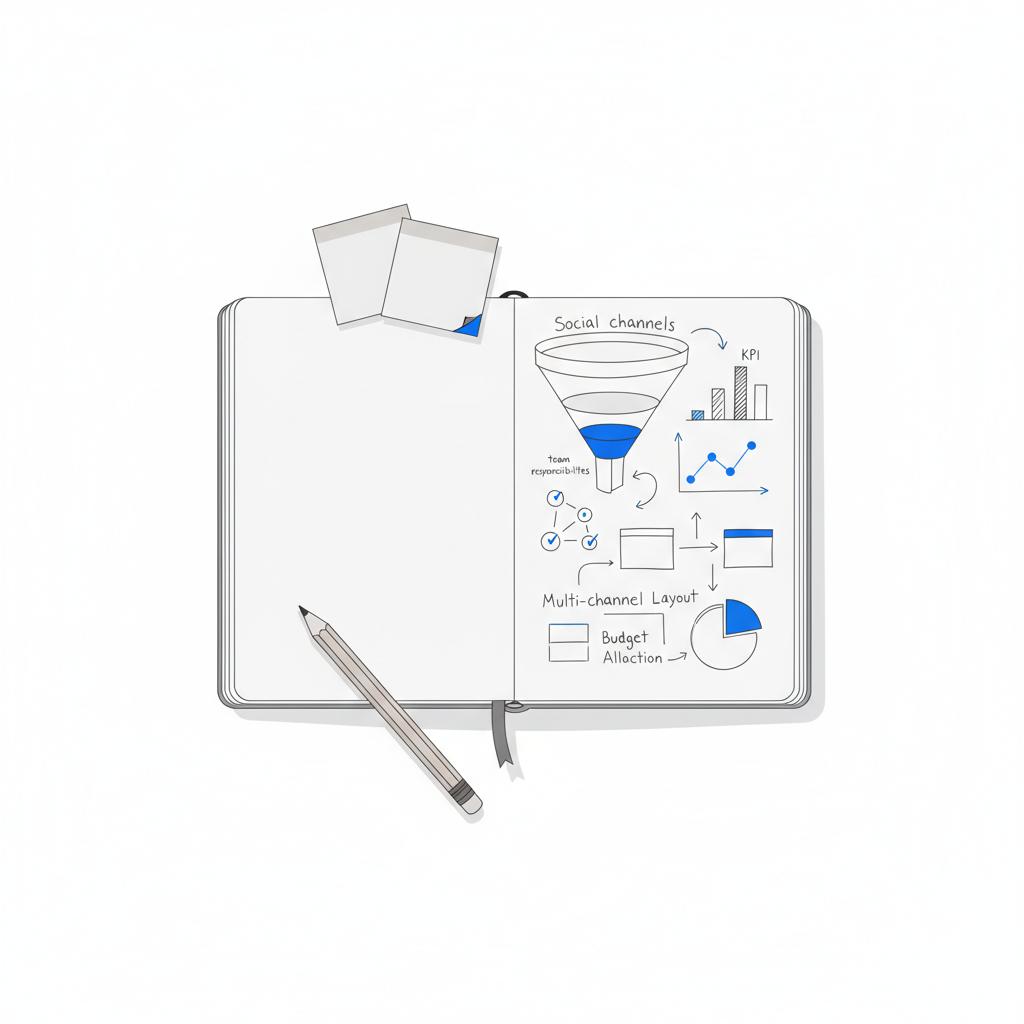
Many small wins in social aren’t about millions of views – they’re about a few dozen highly engaged customers who become repeat buyers. Social is often the start of a relationship, not the immediate finish line.
Final practical advice
Be pragmatic. Agencies are tools to speed learning and scale what works. Expect a learning curve. Start with a clear pilot and objectives, demand transparency, and keep one foot inside your brand to protect voice and customer care. If you follow that playbook you’ll be able to answer the question – is it worth hiring a social media agency? – with real data.
Start a focused pilot to test results fast
Ready to test a focused, low-risk pilot? Start a conversation with Agency VISIBLE to design a three-month program that prioritizes fast learning and measurable outcomes.
For many small businesses, a reasonable starting budget is $1,000–$5,000 per month plus ad spend. Lower-tier packages (around $1,000) typically include scheduling and basic creative; mid-tier ($3,000–$5,000) adds strategy, short-form production, and paid media management. Always separate service fees from media spend when evaluating value.
Not if you set clear rules. Provide a brand guide and a single internal reviewer, and agree on an approval workflow. Most quality agencies welcome guardrails and aim to amplify your voice rather than replace it.
Expect meaningful signals in 3–6 months: which creative performs and which audiences engage. Clearer ROI (measurable leads and cost-per-acquisition) generally emerges around six months after testing and optimization.
References
- https://agencyvisible.com/contact/
- https://agencyvisible.com/
- https://agencyvisible.com/projects/
- https://www.ogilvy.com/ideas/social-trends-2025-social-first-brand-building-key-shifts-2025
- https://userpilot.com/blog/customer-led-marketing-examples/
- https://www.socialpilot.co/blog/social-media-for-businesses