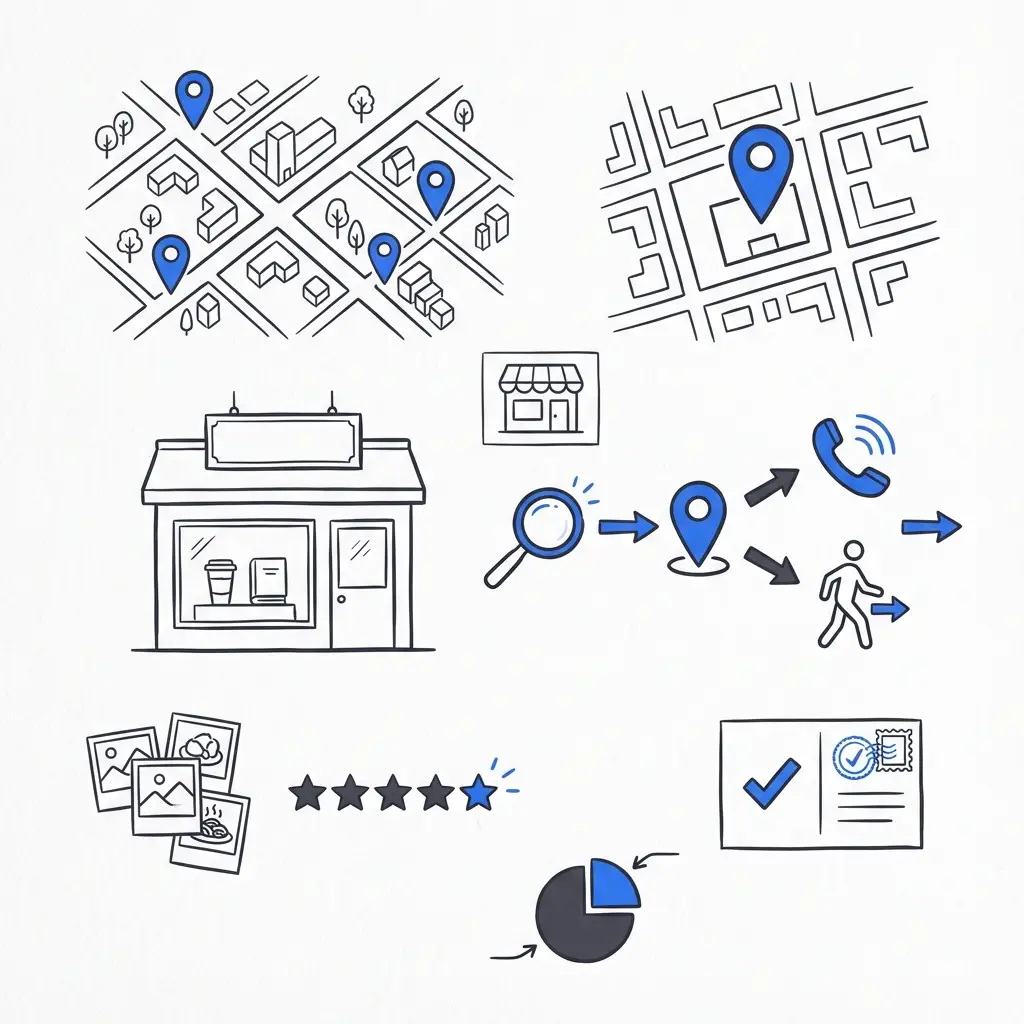
Why Nextdoor is worth a close look for local shops
When was the last time you asked a neighbor where to get the best coffee, plumber or after-school tutor? For many people the answer is: they asked a neighbor first. That instinct is why Nextdoor for small businesses matters. With millions of weekly users and a neighborhood-first design, Nextdoor is one of the few platforms built specifically to connect local people with local services.
Unlike broad social channels, Nextdoor for small businesses lets you aim at people who actually live near your shop – not just people who like the category. That change in intent is powerful: people on Nextdoor are often acting on real needs right away (a lost pet, a plumber, a recommendation for coffee), which makes neighborhood ads especially effective when they’re set up with clear goals and tracking.

How Nextdoor’s local structure changes marketing
Nextdoor organizes conversations by neighborhood. That sounds simple, but it changes how you reach people. You can pick specific neighborhoods, ZIP codes or a radius around an address. That means less wasted reach and a better chance your ads land in front of likely customers.
For a recent look at typical Nextdoor ad costs, see Taradel’s guide to Nextdoor ad costs. Also consider Nextdoor’s own post on hyperlocal advertising for perspective on intent and placements.
Two platform truths to remember
1) Targeting is hyperlocal. You don’t need city-wide reach if five nearby blocks contain most of your customers.
2) Tone is neighborhood-first. Posts that sound like a neighbor-helping-a-neighbor perform better than hard-sell copy.
Claiming your place: Business Page, verification and first posts
The first practical step is to claim and verify a Business Page. Verification usually asks for business name, address and phone number. Why it matters: a verified page builds trust with neighbors and unlocks ad options like Sponsored Posts and Local Deals.
Once your Business Page is live, start with organic content that feels local: a photo of your storefront, a friendly team note, or an announcement of holiday hours. These posts are where recommendations and neighbor comments can do heavy lifting – but keep them community-minded, not pushy.
Keep your first posts simple and neighbor-focused.
If you prefer a little help getting the set-up and tracking right, consider a friendly hand from a local-savvy team. You can talk with Agency VISIBLE about building a pilot that keeps your voice and measures what matters.
Paid formats: Sponsored Posts vs Local Deals
Nextdoor offers two self-serve options small businesses use most: Sponsored Posts and Local Deals.
Sponsored Posts
Think of these like boosted posts that push a message to specific neighborhoods. They’re good for awareness, event invites, or announcements.
Local Deals
These are trackable offers – coupons, discounts, or time-limited packages. Local Deals are great when you want direct redemptions you can count. If your goal is to measure walk-ins or coupon redemptions, Local Deals usually give cleaner data.
Set up a pilot that actually teaches you something
Here’s a simple pilot plan small businesses can run in one to two weeks.
Pilot checklist
1. Goal: decide what matters — calls, bookings, coupon redemptions, or website orders.
2. Targeting: pick 1–3 adjacent neighborhoods where your customers live.
3. Budget: start modest — many local advertisers run $5–$20 per neighborhood per day during a brief test.
4. Creative: use a local image (storefront, staff, product) and short, neighborhood-friendly copy.
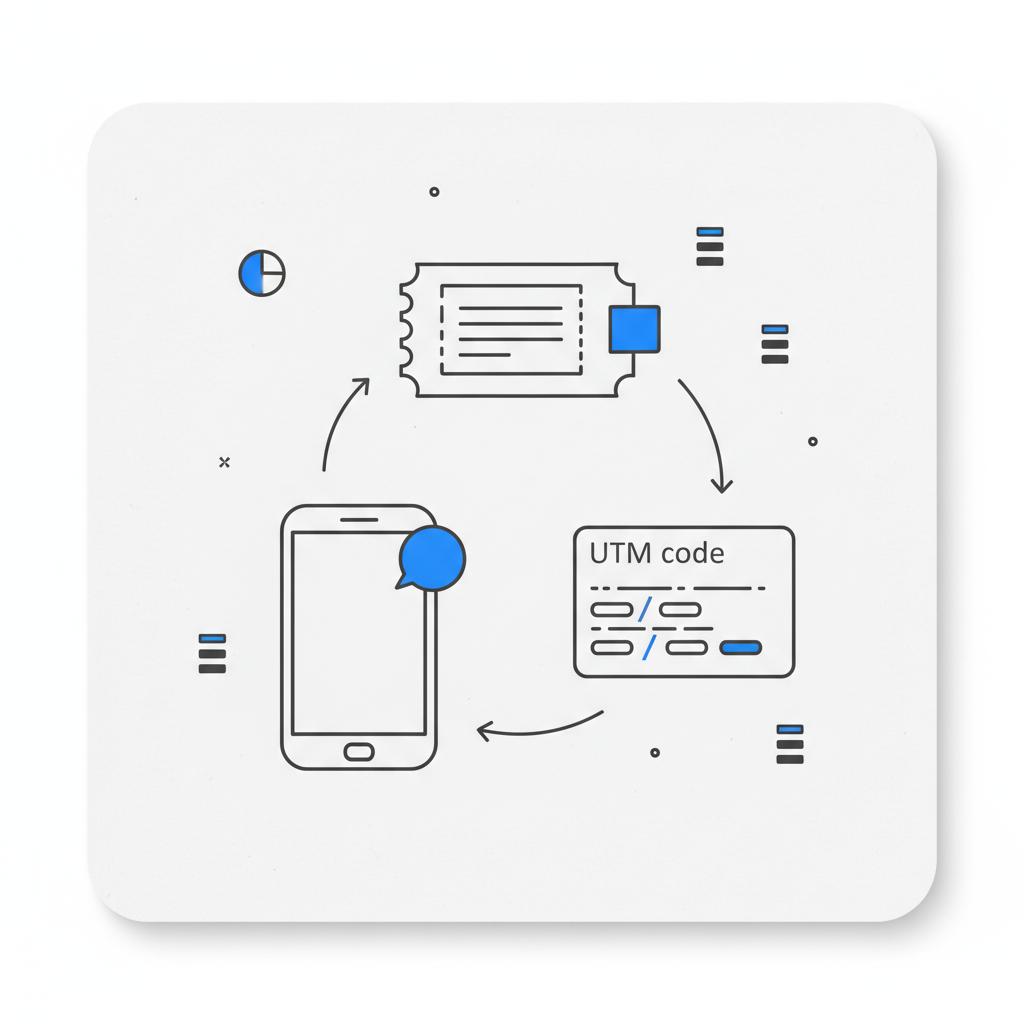
5. Tracking: add UTM tags, use a unique coupon code or call-tracking number, and set conversion goals in your analytics.
Run the pilot for 7–14 days and then judge by cost per meaningful action (call, booking, coupon redemption), not by impressions alone.
Pick 1–3 adjacent neighborhoods, set a clear goal (calls, redemptions or bookings), allocate a modest daily budget ($5–$20 per neighborhood), use Local Deals or Sponsored Posts with UTM-tagged links and a unique coupon or call-tracking number, run for 7–14 days, then review cost per meaningful action and repeat rate to decide whether to scale.
How to write creative that sounds like a neighbor
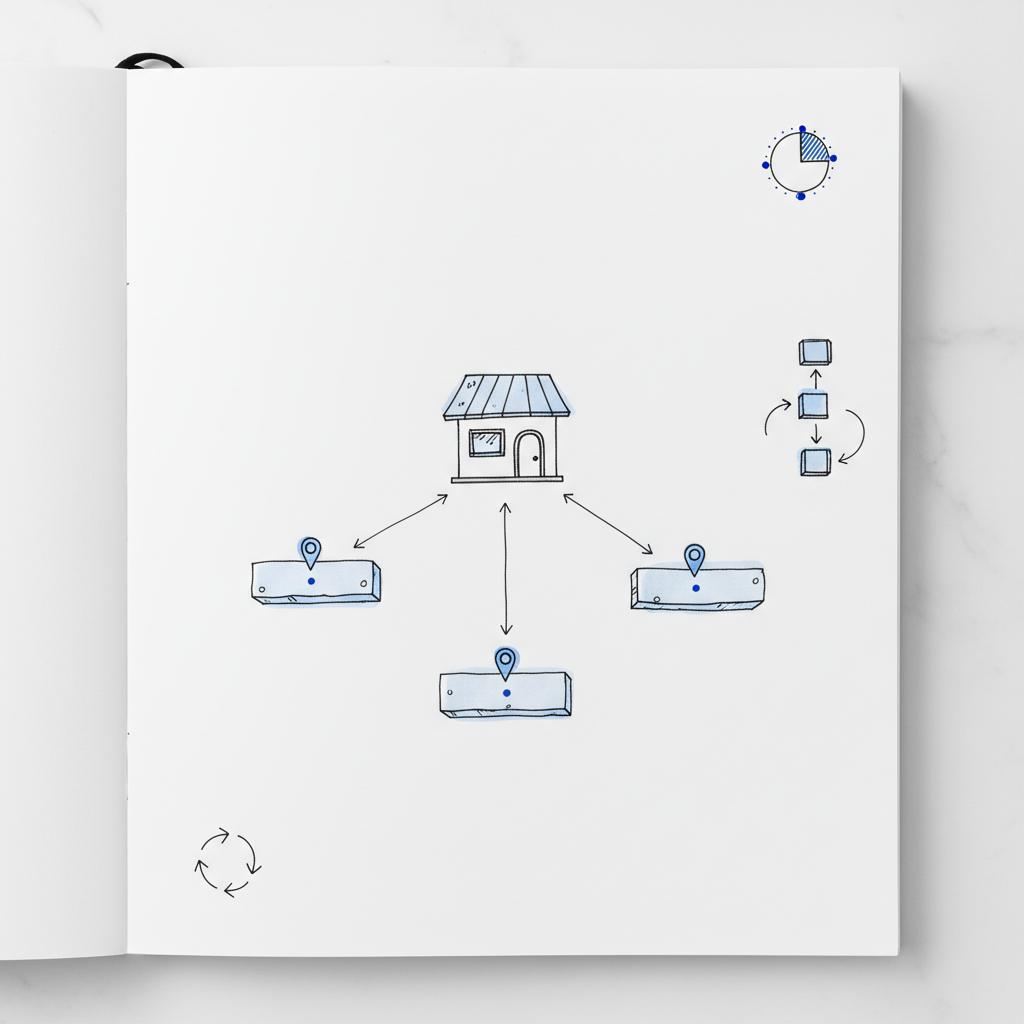
Neighbors respond to cues: a familiar storefront, a staff photo, or a reference to a nearby landmark. Keep copy short and conversational. Try a headline like: “Open late on Elm Street – weekday specials for neighbors”. A small local logo can help with recognition.
If your business is service-based, show a simple before-and-after or a testimonial from a local client. Above all, be clear about times, limits and how to redeem an offer.
Copy templates you can adapt
Short, ready-to-use lines you can paste and tweak:
Sponsored Post (awareness): “Hi neighbors — we’re Maplewood Coffee, open 6–3 on Elm. Pop in for 10% off your first drip — mention Nextdoor!”
Local Deal (trackable): “Weekday Lunch Deal: 15% off orders from 2–5pm. Redeem with code NEXT15 at checkout. Valid for Elm, Maplewood & Riverbend residents.”
How to set up tracking that tells the truth
Tracking is the difference between guessing and learning. Use UTM parameters for any links so your web analytics clearly separate Nextdoor traffic. For phone-driven businesses use a unique call-tracking number per campaign. For walk-ins use a coupon code or a printable voucher.
Example UTM for your landing page link: ?utm_source=nextdoor&utm_medium=sponsored_post&utm_campaign=elm_weekdays. That way Google Analytics will show sessions and conversions from the campaign separately.
Budgeting: a practical reality check
Costs vary by neighborhood, vertical and season. There aren’t universal benchmarks that cover every market. That’s why a pilot matters: it reveals your real cost-per-action in your market.
Start with a daily amount you can afford to lose as a test. For many small businesses, that’s a modest spend that buys enough clicks or redemptions to judge performance. If your margin supports it, scale from neighborhoods that perform well.
How to interpret pilot results
Focus on business outcomes. Useful metrics include:
- Cost per meaningful action (phone call, booking, redemption)
- Redemption rate for coupons
- Average order value from campaign customers
- Repeat rate within 30 days
If cost per action is higher than you hoped but new customers have higher average order value or return often, the campaign may still be a win. Combine short-term conversion metrics with longer-term value tracking to decide whether to expand.
Real-world example: the neighborhood pizza shop
A pizza shop launched a Local Deal aimed at three nearby neighborhoods. The owner set a $10 daily budget per neighborhood and ran the campaign for ten days. They tracked orders with UTM-tagged landing pages and a deal code for redemptions.
The result: modest impressions, strong redemptions and higher-than-normal average order value. The campaign’s initial cost per redemption was higher than expected, but repeat orders and larger checks made the effort profitable over time. The owner used that data to expand to two more neighborhoods with a slightly adjusted offer.
Testing neighborhoods and creative: one change at a time
Don’t change everything at once. Run side-by-side tests where only one element differs: two offers with identical creative, or the same offer in two neighborhoods. That approach surfaces patterns instead of noise.
Example A/B test ideas
Offer test: 15% off vs $5 off first order.
Format test: Local Deal vs Sponsored Post.
Copy test: short headline vs slightly longer neighborhood story.
Recommendations and reviews: neighborhood currency
On Nextdoor, recommendations are persuasive. Ask happy customers — politely and in-person if possible — to leave a recommendation on your Business Page. A few genuine, localized recommendations often outperform generic ads in trust and conversion.
When someone leaves a recommendation, reply with a short, warm note. That small gesture builds trust and shows neighbors you’re listening.
Creative pitfalls and moderation rules
Keep organic neighborhood posts helpful and local. Overtly promotional posts in community threads can be removed by moderators. Use your verified Business Page and the platform’s ad tools to publish offers. If you’re unsure what’s allowed in a particular neighborhood, err on the side of useful information and link to your Business Page for offers. For a practical set of tips on ad best practices, see Nextdoor Advertising: Best Practices.
How to measure long-term value
Track whether customers from Nextdoor become repeat buyers. Use your CRM or POS system to tag customers who redeem Nextdoor deals. Measure their average purchase value and frequency over 30, 60 and 90 days. If a customer returns multiple times, a high initial acquisition cost may still be justified.
When to scale — and when to pause
Scale spending when unit economics make sense: cost per action fits your margins and repeat rates look healthy. Pause when conversion rates fall or cost per action rises above what you can support. Because Nextdoor focuses on neighborhoods, you can expand or contract without major audience waste.
Sample campaigns by vertical
Here are a few small, targeted ideas you can adapt:
Café: morning commuter deal targeted to neighborhoods with high commute traffic.
Plumber: Sponsored Post promoting weekend emergency slots with a local call-tracking number.
Retail boutique: evening shopping invite for neighbors with an RSVP link and a small in-store perk.
Fitness studio: free first drop-in class with a follow-up discount for returning attendees.
Common mistakes and how to avoid them
Many small businesses make the same errors on Nextdoor:
- Posting overt ads in neighborhood threads (use Business Page instead)
- Not tracking conversions (no UTM, no call tracking)
- Running long campaigns without learning (too slow to iterate)
Avoid these by keeping organic posts helpful, tagging traffic properly, and running short tests that teach you something.
Deeper measurement: UTM examples and call tracking tips
UTMs are a simple way to know what Nextdoor sends you. Use consistent naming so analytics are clean. Example UTM structure:
?utm_source=nextdoor&utm_medium=local_deal&utm_campaign=may_weekdays_elm
For phone calls, services like call-tracking platforms let you assign a unique number to the campaign. That number forwards to your regular line but records calls as campaign-driven, so you can count phone conversions without guesswork.
Scaling the work: when an agency helps
Working with an agency can speed setup, test design and tracking. If you want to keep your voice and measure what matters without wrestling with the ad manager, a local-savvy agency can be a smart shortcut. They’ll help you choose neighborhoods, set up UTM tracking, and interpret pilot results to decide what scale makes sense. See our projects for examples and read our perspectives for deeper thinking on measurement and design.
Final tips and a practical two-week pilot
Two-week pilot checklist:
Week 1: Claim Business Page, post an organic welcome, and set up tracking (UTMs, call number). Launch a Local Deal in one neighborhood with a $10 daily budget.
Week 2: Review results after 7 days, check cost per redemption and average order value, then either tweak the offer or run the same deal in an adjacent neighborhood for comparison.
If you want help putting together the first pilot or reviewing results, an experienced partner like Agency VISIBLE can assist with discreet setup and measurement while keeping your brand voice intact.
Launch a neighborhood pilot that measures real results
Ready to test a neighborhood-first campaign and get clear results? Start with a short pilot and measure what matters – then scale what works. Contact Agency VISIBLE to plan your pilot.
Short checklist before you launch
Before you hit publish, confirm these items:
- Business Page verified
- UTM-tagged landing page
- Offer has clear terms and a unique code
- Call-tracking number or conversion tracking is in place
- Budget for at least 7–14 days
Keep the neighborhood tone
Speak like a neighbor. Show real images. Be clear and kind. Those simple rules go a long way.
Quick answers to common questions
Can small businesses advertise on Nextdoor? Yes — through a verified Business Page and paid products like Sponsored Posts and Local Deals, small businesses can reach neighborhood-level audiences.
How much will it cost? Costs vary by neighborhood, vertical and campaign objective. Run a short pilot to discover your local cost-per-action.
Should I focus on Local Deals or Sponsored Posts? Use Local Deals for trackable redemptions and Sponsored Posts for awareness. Test both.
Closing thought
Nextdoor’s neighborhood focus makes it a practical channel for small businesses that rely on local customers. Small pilots, precise tracking and neighborly creative are the simplest path from visibility to real revenue.
Thanks for reading – test local, measure well, and let your neighbors find you.
Yes. Small businesses can advertise on Nextdoor by claiming and verifying a Business Page and using paid products like Sponsored Posts and Local Deals. Self-serve campaigns allow neighborhood-level targeting and can run on modest budgets so you can pilot without a large minimum spend.
Sponsored Posts are boosted messages used for awareness or announcements targeted to specific neighborhoods. Local Deals are trackable offers (coupons or discounts) designed to drive measurable redemptions. Use Sponsored Posts for reach and Local Deals for direct, countable actions.
Measure actions that matter to your business: phone calls, bookings, coupon redemptions or online orders. Use UTM parameters to tag campaign links, set conversion goals in your analytics, and use call-tracking numbers or unique coupon codes to attribute offline actions. Compare cost per meaningful action and track repeat behavior to evaluate long-term value.
References
- https://agencyvisible.com/contact/
- https://www.taradel.com/blog/how-much-do-nextdoor-ads-cost-in-2025
- https://blog.nextdoor.com/the-new-era-of-hyperlocal-advertising-how-nextdoor-is-maximizing-roi-for-brands-of-all-sizes
- https://www.theadleaf.com/nextdoor-advertising-best-practices/
- https://agencyvisible.com/projects/
- https://agencyvisible.com/perspectives/