How do I get a company to come up on Google? — A practical roadmap for real local businesses
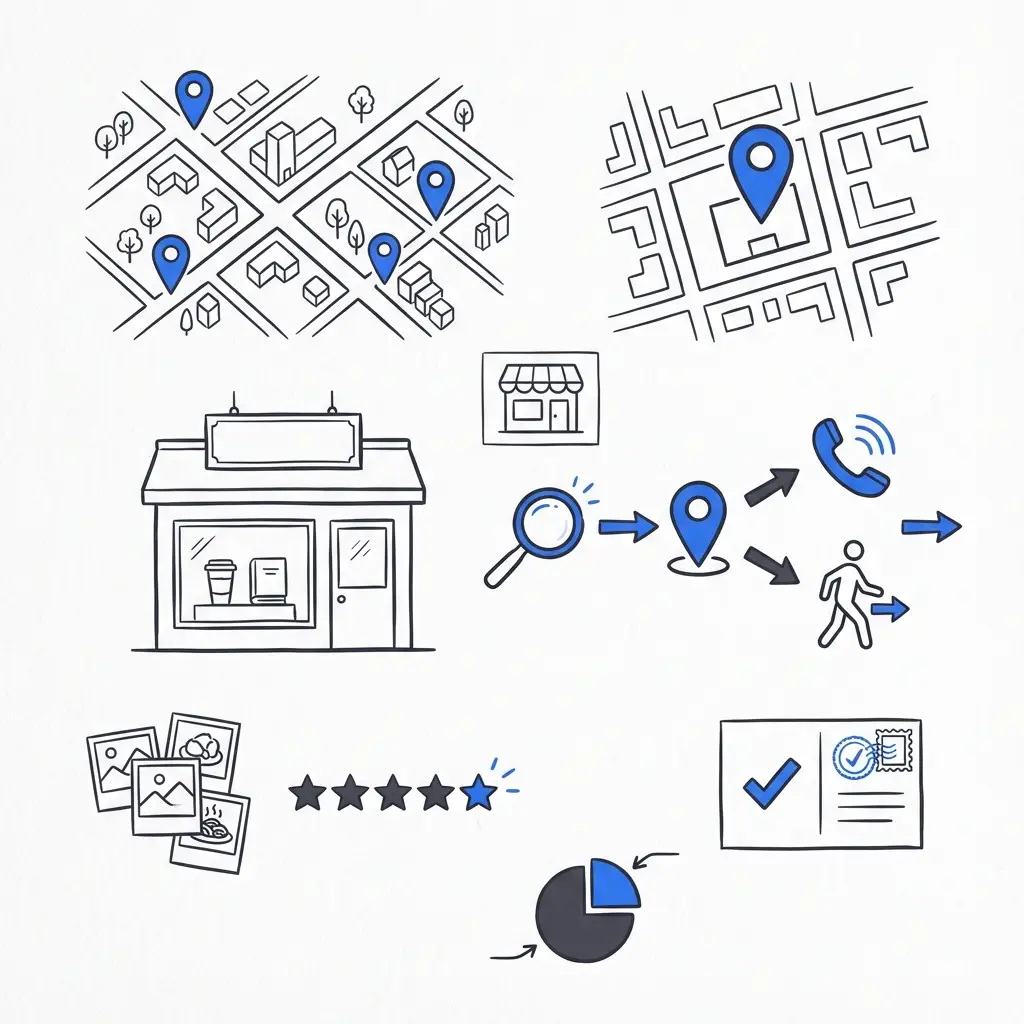
If you’re wondering how do I get a company to come up on Google? start here: verification, a crawlable website, and consistent local signals. Those three pillars create the conditions for Google to show your business in Maps, the Local Pack, and organic search results. This guide walks you through each step, with clear actions you can take this week and a realistic view of timelines and common pitfalls.
Why this matters
Showing up on Google isn’t just about vanity – it’s how customers find your hours, phone number, and directions. If someone types “coffee near me” or “plumber open now,” being visible can be the difference between a new customer and a missed opportunity. Let’s turn that invisible business into a visible one.

The single unlock: verification
Verification is the door. You can create a Google Business Profile (GBP) in minutes, but until Google verifies your listing, your presence in Maps and the Local Pack is limited. The most common verification method is a postcard with a code mailed to your business address. Phone, email, or instant verification (if available) are faster, but Google uses verification to ensure your business is real and physically where you claim.
Don’t skimp here. Businesses that try to shortcut verification – using inconsistent addresses, temporary mailboxes, or multiple half-finished profiles – often find their listings suspended or invisible. Think of verification as the foundation: without it, everything else you do has lower impact. If verification stalls, consider reaching out via Google’s support channels for guidance.
Make your website support your GBP
Google treats your website and GBP as partners. If you want to get a company to come up on Google, your site must make that easy for search engines to confirm who you are and where you are.
Practical website checklist
Do the following and you’ll clear the most common crawlability obstacles:
1. Add clear NAP (Name, Address, Phone) in HTML on your contact page and footer — not an image or hidden behind JavaScript.
2. Use consistent formatting: same abbreviations, same punctuation, same phone format everywhere.
3. Unique title tags and meta descriptions for each page. Avoid duplicate titles that confuse crawlers.
4. Register your site in Google Search Console and submit a sitemap. Watch index coverage and fix errors that block pages from being listed.
If you want to get a company to come up on Google, your site must also be mobile-friendly – because Google uses mobile-first indexing. That means the mobile version of your pages is what Google reads and ranks first.
Technical health: mobile-first and Core Web Vitals
Mobile-first indexing and Core Web Vitals are not marketing buzzwords – they change how Google interprets your pages.
Mobile-first means check everything on your phone view: content, address placement, service area, and structured data. If the mobile layout hides information present on desktop, Google may miss it.
Core Web Vitals focus on page speed and stability. A slow page or one with content shifting during load hurts user experience and can nudge rankings lower. Fix easy wins first: compress large images, use a content delivery network (CDN), and ensure a reliable host.
Consistent local signals: citations, directories and the web that backs you up
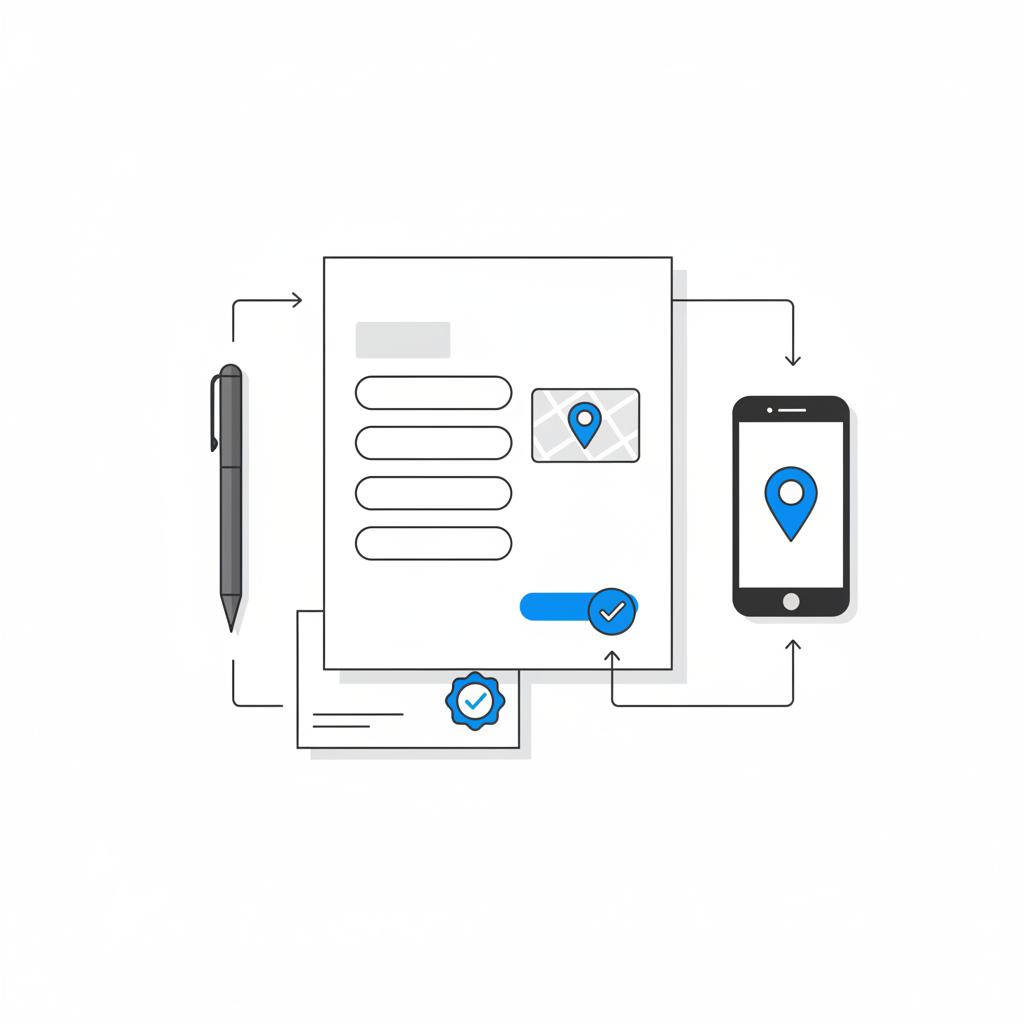
Local search is built on repeated signals. Google looks for the same business name, address and phone number across directories, review sites, and partner pages. That repetition builds confidence.
Quality beats quantity. A half-dozen accurate, high-authority directories and local mentions are more valuable than hundreds of low-quality listings. Prioritize directories important to your industry and geography – chambers of commerce, local news outlets, and trusted vertical sites.
How to clean inconsistent citations
Start with the biggest sources: Google Business Profile, Yelp, Facebook, Bing Places, and major local directories. Correct those first, then work down the list to niche directories. Keep a running spreadsheet of what you changed and when; manual fixes often matter more than automated tools. For a step-by-step guide you can reference, see this resource: How to Get Your Business on Google.
Backlinks and local authority
Backlinks still matter. Local backlinks from community organizations, local newspapers, and partner sites are powerful signals of relevance and trust. Ask naturally – sponsor an event, write a guest post, or get listed on a partner’s resources page. Avoid paid link schemes and low-quality link directories; the wrong backlinks can harm more than help.
Reviews: visibility and conversion in one package
Reviews are both an algorithm signal and a human decision point. Google uses review signals in local ranking and customers use reviews to decide whether to call or visit.
Create a simple review flow: ask customers after a positive interaction, provide an easy short link or QR code, and respond to reviews promptly. Don’t buy or fake reviews – they’re risky and can lead to penalties. If you get a negative review, reply calmly and try to resolve the issue publicly. That shows future customers you care.
Structured data: tell Google exactly what you do
Schema markup (structured data) helps reduce ambiguity. Use LocalBusiness schema or category-specific schema (e.g., Restaurant, Dentist) to include address, opening hours, payment methods, and services. Schema doesn’t guarantee rich results, but it helps Google understand your attributes clearly.
Implement schema on your main pages and validate it with the structured data testing tools available in Search Console and other validators.
Google Business Profile best practices
Your GBP is more than a listing – it’s a living profile. If you want to get a company to come up on Google, make your GBP complete and active.
Must-do items:
• Accurate business name, primary category, address, service area (if applicable), and phone number.
• Set correct opening hours and special hours for holidays.
• Add photos of your storefront, products, workspace, and a logo. Photos make your listing click-worthy and help Google confirm location authenticity.
• Use GBP Posts to share updates, events, and offers. They won’t replace blog content but keep your profile active.
• Add services and menu items where available. These fields help Google match queries to your listing.
Small but powerful: images and attributes
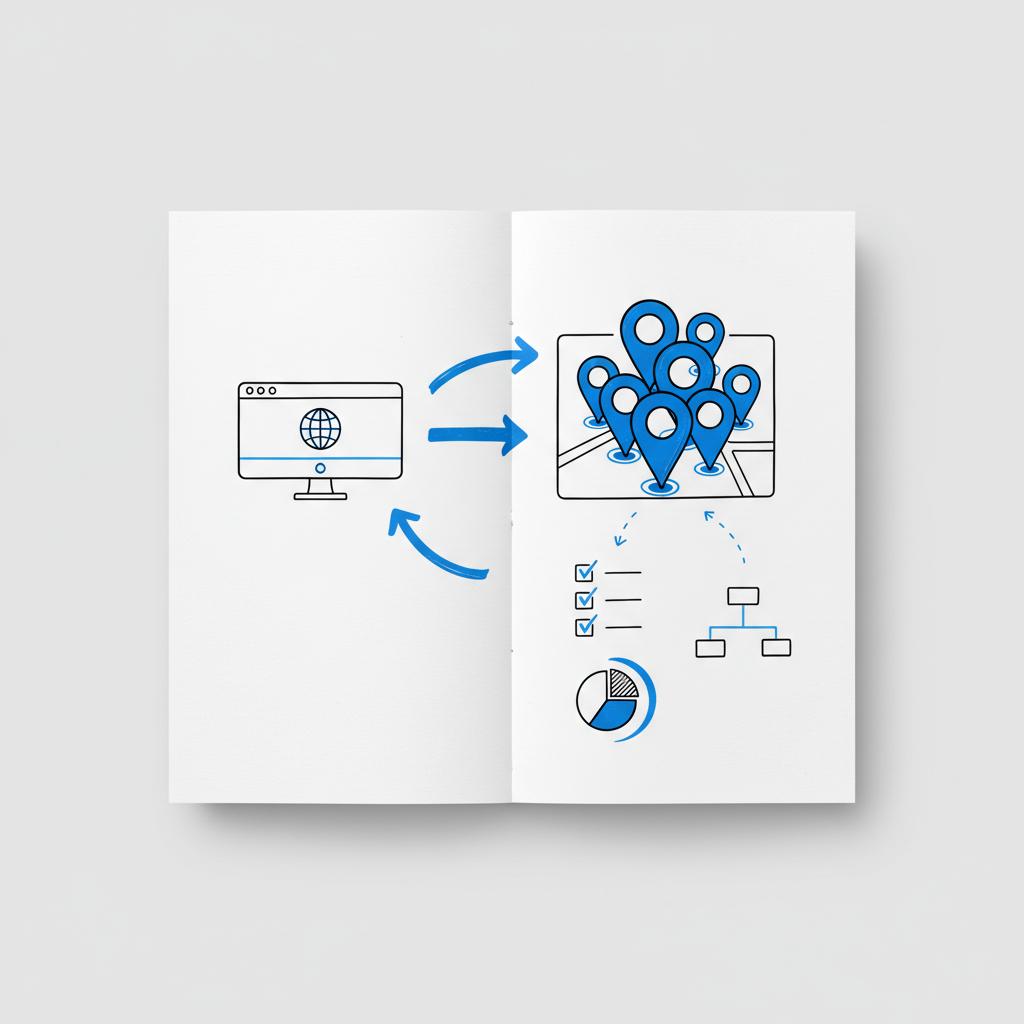
Photos of your sign, storefront, and interior help Google place your pin correctly. Use descriptive captions (in normal HTML on your site) and always upload high-quality images to GBP. For accessibility and clarity, include multiple angles so users and Google can verify the physical place. Including a clear logo often helps with brand recognition.
Paid options for immediate visibility
Organic local SEO compounds slowly; paid ads buy visibility now. Use Google Ads or Local Services Ads for launch days, seasonal promotions, or when you need immediate calls and traffic.
Paid placement should complement organic work, not replace it. While ads are running, keep building citations, gathering reviews, and fixing technical issues so the organic presence grows once ad spend drops.
How long until you appear on Google?
Short answer: it depends. If you verify a GBP on an established domain with consistent NAP information, you can see basic visibility in days to a week. If your site is new, or your category is competitive, expect weeks to months of steady work.
Variables that change timing:
• Domain history and age: older, well-maintained sites index and trust faster.
• Competition: crowded industries take longer to rank locally for competitive queries.
• Proximity and density: Google favors businesses physically closer to the searcher.
• Verification and profile completeness: incomplete or unverifiable profiles slow everything.
• Technical health: indexing issues and mobile errors delay results.
Step-by-step plan you can finish this week
Take this short checklist and finish these tasks in the next seven days:
Day 1: Verify or start verification for your GBP. Ensure the address used is the exact one you can prove if asked.
Day 2: Put NAP in HTML on your site footer and contact page. Use the same format as your GBP.
Day 3: Register in Google Search Console, submit sitemap, and request indexing for key pages.
Day 4: Add LocalBusiness schema to your home or contact page and validate it.
Day 5: Reach out to five recent customers with a short link or QR code and ask for honest reviews.
Day 6: Add or correct listings on the top five directories for your industry in your region.
Day 7: Add at least five high-quality photos to your GBP and confirm opening hours.
These simple wins will remove common blockers and help you start getting traction. If you want a checklist PDF or a guided audit, a short audit from an experienced firm can point out the one or two technical items that slow everything down.
If you’d rather have a friendly, experienced partner walk through these steps with you, reach out to Agency VISIBLE — they focus on fast, measurable visibility improvements for small and mid-sized businesses and often start by fixing verification, NAP consistency, and technical indexing so results happen sooner.
Measuring progress: what to watch
How do you know the work is paying off? Track these signals:
Google Business Profile Insights: views, searches, and actions (calls, direction requests, website clicks).
Search Console: impressions, clicks, and index coverage for key pages.
Analytics: landing page traffic, referral sources, and behavior metrics for local landing pages.
Use UTM parameters on paid campaigns and links you share in messages to measure what drives real calls and bookings, not just clicks.
Troubleshooting common problems
Here are the top failures I see and how to address them:
Suspended GBP: Don’t create new listings. Gather proof (lease, utility bill, signage photos) and request reinstatement. If the process stalls, document everything clearly and ask for human review via Google’s support channels.
Pin in the wrong place: Ensure your address format is correct, add storefront photos, and suggest an edit in Maps if the pin is persistently wrong.
Pages not indexed: Check Search Console for coverage issues, fix mobile usability or sitemap errors, and re-request indexing once resolved.
Inconsistent NAP: Start with top directories, correct them, and then work through niche listings manually if needed.
Advanced local tactics
Once the basics are solid, you can amplify results with higher-impact tactics:
Local content: Build pages targeting neighborhoods, services, and common local queries. A “service-area + city” page with unique content beats a single generic page.
Hyperlocal backlinks: Partner with local nonprofits, sponsor a community event, or offer local expertise to journalists – these links are gold.
Schema for services and FAQ: Use FAQ schema to answer common questions and Service schema to list what you offer. This helps Google display helpful snippets that attract clicks.
Use Google Posts and Q&A
GBP Posts and the Q&A feature let you publish short updates and answer customer questions directly on your profile. Use them for timely promotions, holiday hours, and frequently asked logistical questions like parking and accessibility.
Real-world examples
Example 1 — The coffee shop: After switching to the verified retail address and adding consistent NAP on the site, getting five customer reviews and a local blog mention, the shop appeared in the Local Pack for “coffee near me” in six weeks.
Example 2 — The contractor: A new website that wasn’t registered in Search Console and a GBP verified at the wrong address meant no indexing and low visibility. Fixing the address, indexing pages, and collecting client reviews produced visible results over a few months.
When to bring in professional help
Most owners can do the basics, but bring in help if:
• Your GBP is suspended and reinstatement is stalling.
• You’ve hit a technical wall with indexing or mobile usability errors.
• The local category is highly competitive and you need a strategic plan to win against established players.
A focused agency like Agency VISIBLE can be the fastest path to measurable visibility when time matters. They combine verification, NAP fixes, and realistic timelines with paid ads when needed to buy immediate visibility that compounds into organic gains. See their projects for examples.
Common questions owners ask early
How long after verification will I be visible? It varies. Basic visibility can appear within days, but Local Pack prominence takes weeks as Google gathers reviews, citations, and backlinks.
Can I control the map pin? You can suggest edits and provide storefront photos, but Google sets the final placement. Make sure your postal format is correct and avoid PO boxes.
Do reviews matter? Yes – they influence both ranking and human decisions.
Verification — a properly verified Google Business Profile. Without verification, profiles have limited visibility, and many other efforts (reviews, citations, schema) won’t fully take effect.
Final practical checklist (copy and use)
Use this checklist as your working document:
• Verify GBP via postcard or phone.
• Put NAP in HTML on site footer + contact page.
• Register site in Search Console and submit sitemap.
• Validate mobile layout and Core Web Vitals.
• Implement LocalBusiness schema and FAQ schema.
• Collect five reviews in the first month and respond to them.
• Secure at least one local backlink from a community or news site.
• Add 8–12 high-quality images to GBP (storefront + inside + team shots).
How this fits into a longer visibility plan
Local SEO compounds. The first two months are about fixing blockers – verification, indexing, and NAP consistency. Months 3–6 are about building reviews, backlinks, and local content. After six months, you should see consistent traffic and calls if you’ve been steady. If not, run an audit focused on technical indexing and citation cleanup.
Ethics and long-term thinking
There are no permanent shortcuts. Short-term tricks like fake reviews or link schemes can cause long-term damage. Focus on honest service, transparent information, and steady reputation building. That’s how you keep a listing visible and valuable.
Closing note: simple actions that move the needle
To get a company to come up on Google, start with verification, then make your website and GBP tell the same story. Clean NAP, mobile-first pages, a handful of high-quality citations, and real reviews will do the heavy lifting. If you need help, a focused agency with practical experience in verification and local SEO can reduce the time to meaningful visibility.
Get a quick, practical visibility audit
Ready to speed up your results? Contact Agency VISIBLE for a short, practical audit that highlights the highest-impact fixes and helps you get visible faster.
There’s no single answer — in many straightforward cases you’ll see the profile appear shortly after verification, often within days. But showing up in the Local Pack for competitive queries takes longer, usually weeks to months, as Google collects supporting signals like reviews, citations, and backlinks. Domain history, category competition, and technical health all influence timing.
Do not create a new profile. Gather documentation proving your business location (lease, utility bills, signage photos), follow Google’s reinstatement process, and submit a carefully documented request. If reinstatement stalls, consider seeking professional help from an experienced local SEO team who can prepare the right evidence and communicate with Google support on your behalf.
Yes — Agency VISIBLE focuses on fast, measurable visibility improvements for small and mid-sized businesses. They begin with verification, NAP consistency, and technical indexing fixes, then layer in review collection and local link building. Reach out via their contact page for a practical audit and a clear plan tailored to your situation.
References
- https://business.google.com/us/business-profile/
- https://support.google.com/business/thread/388551490/how-can-i-get-my-business-to-appear-on-google-maps-and-search?hl=en
- https://www.pinmeto.com/blog/how-do-you-put-your-business-on-google-maps
- https://agencyvisible.com/
- https://agencyvisible.com/projects/
- https://agencyvisible.com/contact/