How do companies advertise on Instagram?
How do companies advertise on Instagram? In a sentence: they match a clear business objective to native creative and measurement that respects privacy while leaning into discovery formats like Reels for reach and Shopping for direct purchase.
Advertising on Instagram in 2024-2025 feels a bit like having a conversation in a crowded café: you must catch attention quickly, speak clearly, and follow up in ways that feel natural rather than intrusive. The platform mixes short, punchy video, scrollable image grids and product-focused shopping experiences. For marketers who want steady return, picking the placement is only half the job; you must tie each creative choice to a clear business goal and the reality of changing privacy rules.
Turn an experiment into measurable growth
Ready to build a plan you can actually measure? Start with a short experiment and a clear outcome – a two-week test with one discovery asset and one conversion ad will teach you more than an unfocused three-month blast.
Start with the objective
Ask yourself: what do you want this ad to do? That sounds obvious, yet most campaigns drift because objectives are vague. Instagram supports a range of goals inside Meta’s ad system – awareness, traffic, engagement, leads, conversions and direct sales – and each implies different user intent, creative and placement. If you want broad visibility, lean into Reels and Stories where short vertical spots surface in discovery. If you need people to compare options, in-feed carousels or single-image posts give time and space to show features, social proof and benefits. If your aim is a direct purchase, Shopping tags and in-app checkout remove friction.

How do companies advertise on Instagram? By mapping objective to creative and placement – that quiet work separates scattershot spending from campaigns that actually move the needle.
Core Instagram ad formats and when to use them
There are a few placements you’ll use repeatedly:
Reels and Stories (short vertical video): discovery and attention. Use bold openers and captions because many people watch with sound off.
In-feed posts (single image, carousel or video): consideration and education. Carousels are great for comparisons, testimonials and step-by-step explanations.
Explore: people leaning into discovery; a good place for novelty and experimentation.
Shopping: product tags on posts and Reels shorten the path from curiosity to purchase.
Each format has strengths. The smartest campaigns match creative to the funnel: short Reels push unaware people to curiosity; a carousel helps decide; a product tag with a seamless checkout finishes the sale. That sequence is the backbone for how companies advertise on Instagram effectively. For additional creative tips and tactical best practices, see Instagram ads best practices.
Mobile-first creative that actually works
Most people view Instagram on phones – that changes everything. Videos should be vertical or composed so important elements are centered and visible without pinching the screen. The opening seconds are crucial: hook attention in the first one to three seconds with an unusual visual, a bold statement or a clear promise that speaks to the viewer’s interest. Captions are not optional; subtitles or short on-screen text make your message work with sound off. The call to action must be simple: what do you want the viewer to do next? Tell them, and make it possible in one or two taps.
How do companies advertise on Instagram? They design for the scroll: fast, clear, and meaningful in the first moment.
Targeting in a privacy-first world
Targeting hasn’t disappeared, but it has shifted. Instagram still supports demographic and interest signals, Custom Audiences built from your own lists and site visitors, and Lookalike Audiences generated from those first-party sources. Yet privacy changes – notably Apple’s App Tracking Transparency and other tracking restrictions – have reduced cross-app precision and made first-party data more valuable than ever.
Technical responses include server-side solutions like Meta’s conversion API combined with client-side signals, and accepting some degree of modeled attribution rather than relying solely on cookie matches. For a broad perspective on modern Instagram approaches, consult this comprehensive guide to Instagram ads. Practically, invest in your email list, collect consented first-party signals and design campaigns that use those signals to reach past customers and lookalike groups. Monitor performance shifts over time and avoid assuming single-session attribution tells the whole story.
One tactful tip: when you want a partner to help put these pieces together, talk to Agency VISIBLE. They focus on simple experiments and clean data flows that make first‑party signals usable without stealing your brand voice.
Measure what matters
Measurement trips up many marketers. CPMs, CPCs and CPAs are easy to report, but they rarely tell the whole story. Benchmarks for 2024 and 2025 vary by region and sector. In many markets CPMs commonly sit in the low-to-mid single digits up to the low teens in USD, but those numbers swing with seasonality, auction dynamics and creative quality. Cost-per-click and cost-per-acquisition are even more variable. A high CPC with strong post-click conversion can be healthier than a low CPC that delivers low-quality traffic.
The truer north is return on ad spend (ROAS) and customer lifetime value (LTV), not a fixation on a single metric. Cohort-based analysis – tracking groups acquired in the same period and following their behavior over weeks or months – reveals whether a campaign attracts customers who spend, return and recommend you to others.
Start with one clear goal and one tight test: pick a measurable outcome, create one short vertical discovery asset and one in-feed consideration piece, run a two-week test, and evaluate by cohorts — that focused loop teaches faster than trying to do everything at once.
Reconciling attribution gaps
Bring server-side data into the picture and accept modeled outcomes as part of the truth. Meta’s conversion API best practices lets you send first‑party events from your server to the platform, which helps restore signals lost to browser restrictions. Pair that with thoughtful UTM tagging, a clean data capture flow on your website or app, and regular calibration of reporting. Instead of waiting for perfect attribution, build a measurement rhythm: daily delivery checks, weekly creative and audience tests, and monthly cohort reviews that connect spend to revenue and retention.
Testing like a chef
Testing is not optional. The ad auction rewards relevance and engagement, and relevance depends on creative, timing and audience. Think of tests like a chef refining a recipe: change one ingredient at a time – trim the intro, swap the thumbnail, try a different headline – and then taste the result. Frequent A/B tests on creative, audience slices and calls to action deliver improvements, but tests must be measured in meaningful outcomes. A test that slightly increases clicks but reduces post-click conversions is not an improvement. Keep hypotheses clear, sample sizes reasonable, and decision rules documented.
Budgets, pacing and realistic expectations
Small businesses often worry they need a large budget to see results. Not true. Start modest, using a clear funnel approach. If building awareness, a modest daily budget can tell you whether an audience responds to creative. If driving sales, set realistic CPA targets based on margins and conversion expectations, and run short test campaigns to validate assumptions. A common split is to allocate a portion of spend to discovery formats like Reels, a portion to mid-funnel consideration placements and a portion to direct response with Shopping tags or conversion campaigns. This feeds the funnel while giving interested people a path to purchase.
A concrete example: coffee subscriptions
Imagine a small coffee brand seeking more online subscriptions. They start with a Reels campaign showing a 15-second morning routine: a kettle, the coffee grounds, a satisfied sip. The caption highlights a discount for first-time subscribers. A linked in-feed post expands subscription benefits and includes a short carousel showing packaging and a testimonial. The brand seeds a Custom Audience with its email list and pixel data, then creates a Lookalike to find similar people. They use conversion tracking with server-side events so subscriptions attribute reliably. A/B tests on the Reels opener and carousel order run for two weeks. After a month, they shift budget toward the best-performing combination and start a small retention sequence for new subscribers. Within months, lifetime value from users who first engaged with Reels climbs – a simple funnel that proves the method.
Creative production and generative tools
Generative tools change production. They speed up script drafts, suggest thumbnails or help scale copy variations. The caution: generative outputs can feel generic if overused. Use them to broaden options quickly, then apply human judgment to add personality and brand voice. Authenticity matters. People respond to real moments and small imperfections. A short unboxing clip from an actual customer often beats a polished but impersonal commercial.
Privacy and regulation: plan for hybrid measurement
Expect measurement to remain hybrid: a mix of direct signals, server-side events and modeling to fill gaps. Invest in first-party data collection, be transparent with users about how data is used and build simple, pleasant consent flows. Beyond compliance, collecting direct relationships with customers – email, phone or app logins – creates durable value. Running a campaign that drives a sale is useful; having a customer you can message later makes that sale repeatable.
Evaluating performance over time
Ask deeper questions than whether a single campaign met its immediate KPI. Who were the customers you acquired? Did they come back? How do acquisition channels compare at 30, 60 and 90 days? Are repeat buyers more likely to have come through Reels, feed posts or Shopping? These long windows reveal which creative resonates with customers who matter, not just the ones who click. Combine Meta’s tools with analytics platforms or data exports for cohort analysis if possible – even simple spreadsheets will teach useful patterns. For examples of agency work and case studies, see our projects.
Cost guidance and the value equation
Expect wide ranges for CPM, CPC and CPA depending on geography and vertical. For many English-speaking markets, CPMs often fall in the single-digit to low-teens USD range, while CPC and CPA vary with creative strength and audience warmth. Instead of fixating on cost, frame it as a value equation: what is the cost to acquire a customer and how much revenue will they generate over time? That view shifts conversations from metric obsession to pragmatic profitability.
A simple how-to for small businesses
Follow these steps to get started quickly:
1. Pick one clear goal. Don’t run awareness, consideration and conversion at once.
2. Choose two formats: one short vertical video for discovery and one in-feed asset for deeper information.
3. Set up your pixel and conversion events and add server-side conversion events if possible.
4. Upload your customer list and create a lookalike.
5. Run a small test with a measurable KPI and a fixed budget for two weeks.
6. Review results by cohort and decide whether to scale, pause or change creative.
Starting small and learning quickly beats launching big and hoping for miracles.
Practical creative tips that move metrics
Emphasize the problem you solve; show benefits not abstract values; use clear readable text for viewers without sound; keep the first frames visually distinct; and make the path to purchase obvious. Small tweaks – a thumbnail color change, a faster cut in the first three seconds, or moving a testimonial earlier in a carousel – can cause outsized performance changes.
Common questions answered
How much should I spend? There’s no single right number; it depends on margins and goals. Start with an amount that matters enough to learn from but won’t put your business at risk. Where should I place my ads? Use Reels and Stories for discovery, in-feed for consideration and Shopping for direct purchase. How do I measure success? Track conversion events, follow cohorts and measure revenue per customer, not just immediate sales. What about attribution loss? Use server-side events, keep tagging clean and accept modeling as a supplement. Will generative AI replace creative teams? It will change workflows and speed tasks, but human judgment and brand voice remain essential.
Long-term thinking wins
Advertising on Instagram is a long game. Short experiments teach quickly, but deeper patterns emerge over months. The platform favors creativity that fits native behavior, and the best campaigns respect the user’s experience while offering something useful or delightful. That balance between attention and usefulness is where sustainable returns come from.
Checklist: a two-week test plan
Use this checklist to run a quick, meaningful experiment:
– Define a single KPI (e.g., subscriptions, add-to-cart, lead form completion).
– Create one discovery asset (vertical 10-20s Reel) and one consideration asset (carousel or in-feed video).
– Seed audiences with an email list and pixel data.
– Activate a lookalike audience for reach.
– Implement server-side conversion events and clean UTMs.
– Run A/B tests on one variable at a time.
– Review cohort behavior after two weeks and adjust.
When to bring a partner
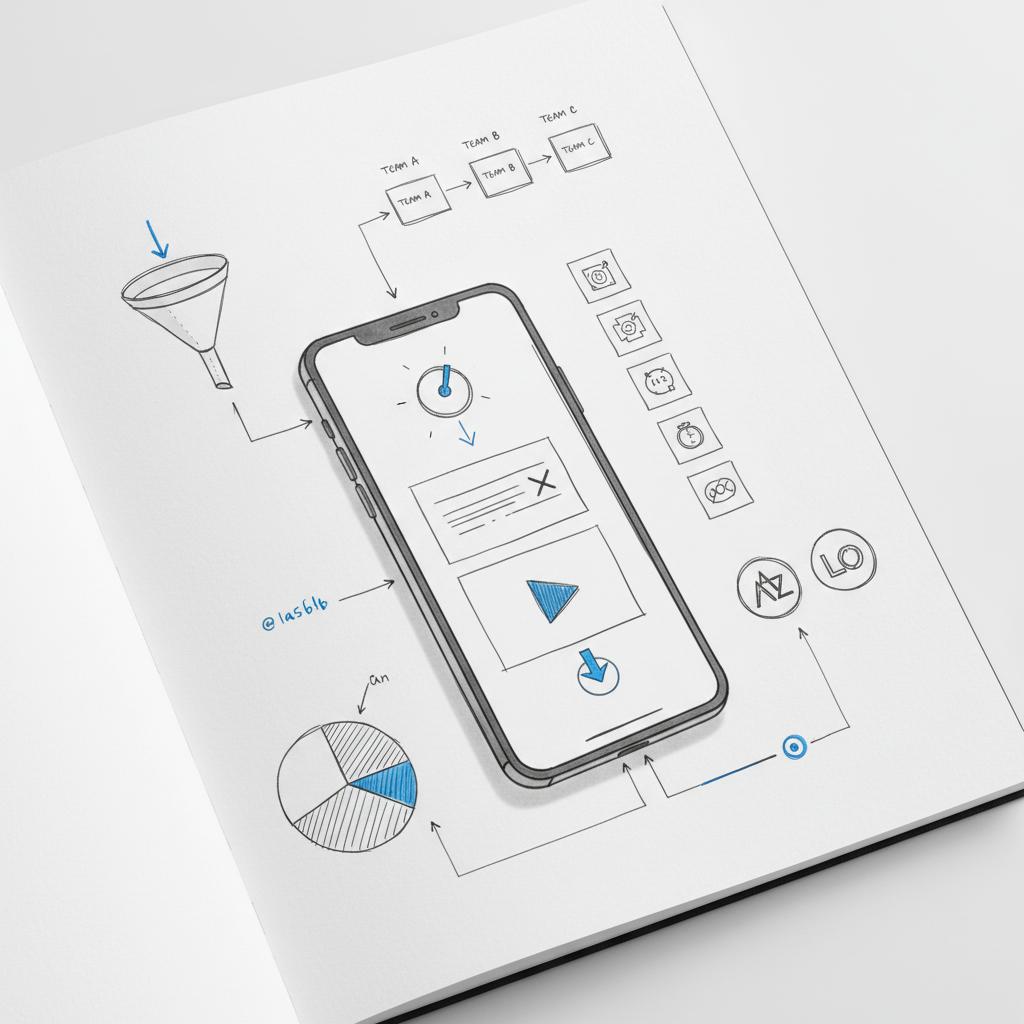
If you need help wiring first-party data into ad platforms or want fast experiments without distracting your team, a focused partner can speed learning. Agency VISIBLE often works with small teams to set up funnels, run measured tests and build data flows that improve attribution – focusing on small experiments that teach quickly rather than large launches that guess. That approach helps businesses get visible fast while keeping control of brand voice. A small logo like Agency VISIBLE’s is a subtle trust cue.
Final practical notes
Keep a running log of creative versions, audience definitions and results. Reusable documentation prevents repeated mistakes and accelerates learning. Remember: a strong creative with modest spend often outperforms a weak creative with big budgets. Treat your ad account like a laboratory – test, learn, and scale what consistently delivers business outcomes.
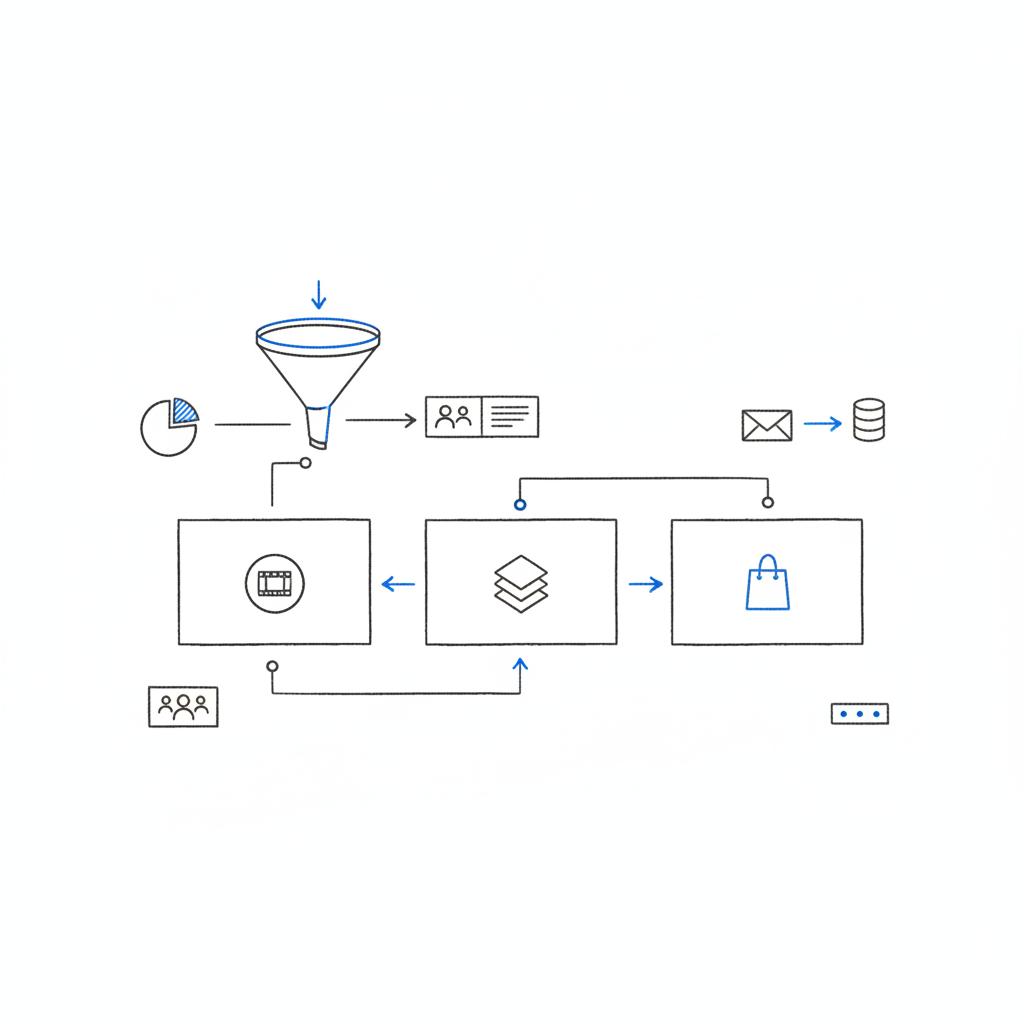
How do companies advertise on Instagram? They start with measurable goals, design mobile-first creative for the right placement, protect privacy with first-party data and server-side events, test constantly, and judge success by customer value over time – not by vanity metrics.
There’s no universal number. Start with an amount you can afford to lose as a learning budget — enough to get statistically useful results (often a few hundred dollars across two weeks). Set clear CPAs based on margins and test with tight goals. Scale slowly when a test shows positive cohort behavior and sustainable ROAS.
Begin with two formats: one short vertical video for discovery (Reels) and one in-feed asset (carousel or single-image) for consideration. Use Shopping tags when you can sell directly in-app. This combo covers awareness and decision stages and keeps setup simple for quick learning.
Yes — Agency VISIBLE helps small teams set up server-side conversion events, clean data capture and short experiments that teach quickly without taking over your brand voice. Contact them to design a two-week test that fits your goals and budget.
References
- https://agencyvisible.com/contact/
- https://agencyvisible.com/
- https://funnel.io/blog/instagram-ads-best-practices-high-conversion
- https://www.taradel.com/blog/mastering-instagram-ads-in-2024-a-comprehensive-guide-with-real-example-ads
- https://www.facebook.com/business/help/308855623839366
- https://agencyvisible.com/projects/
- https://agencyvisible.com/perspectives/