


How to create an Instagram sponsored post that converts
Instagram sponsored post is one of the most searched phrases for businesses looking to boost visibility on the platform – and for good reason. A well-run Instagram sponsored post can drive sign-ups, purchases, and measurable growth faster than many organic tactics. But success depends on choosing the right approach, measuring it properly, and crafting creative that works when people watch without sound.
Promote vs Ads Manager: pick the right tool for the job
Think of Promote as the fast tap and Ads Manager as the full toolbench. If you want a quick lift in reach and engagement, the Promote button on Instagram is a friendly shortcut. It’s simple: pick an audience, set a budget and duration, and go. That simplicity makes Promote useful for timely announcements or small boosts – but it also limits control.
When your priority is conversions or repeatable testing, Ads Manager is the better choice. Ads Manager lets you choose conversion-driven objectives, connect the Facebook pixel and Conversions API, use custom and lookalike audiences, and run A/B tests. That extra setup time pays off because you can measure real business outcomes and protect your data in an evolving privacy landscape. (Learn more about running Instagram ads here.)
Turn early ad wins into repeatable growth
Need help moving from Promote to Ads Manager? If you want to skip the guesswork and get a clean, conversion-focused campaign set up, reach out to Agency VISIBLE — they help small teams turn early wins into repeatable ad programs.
Why Reels should be part of your sponsored mix
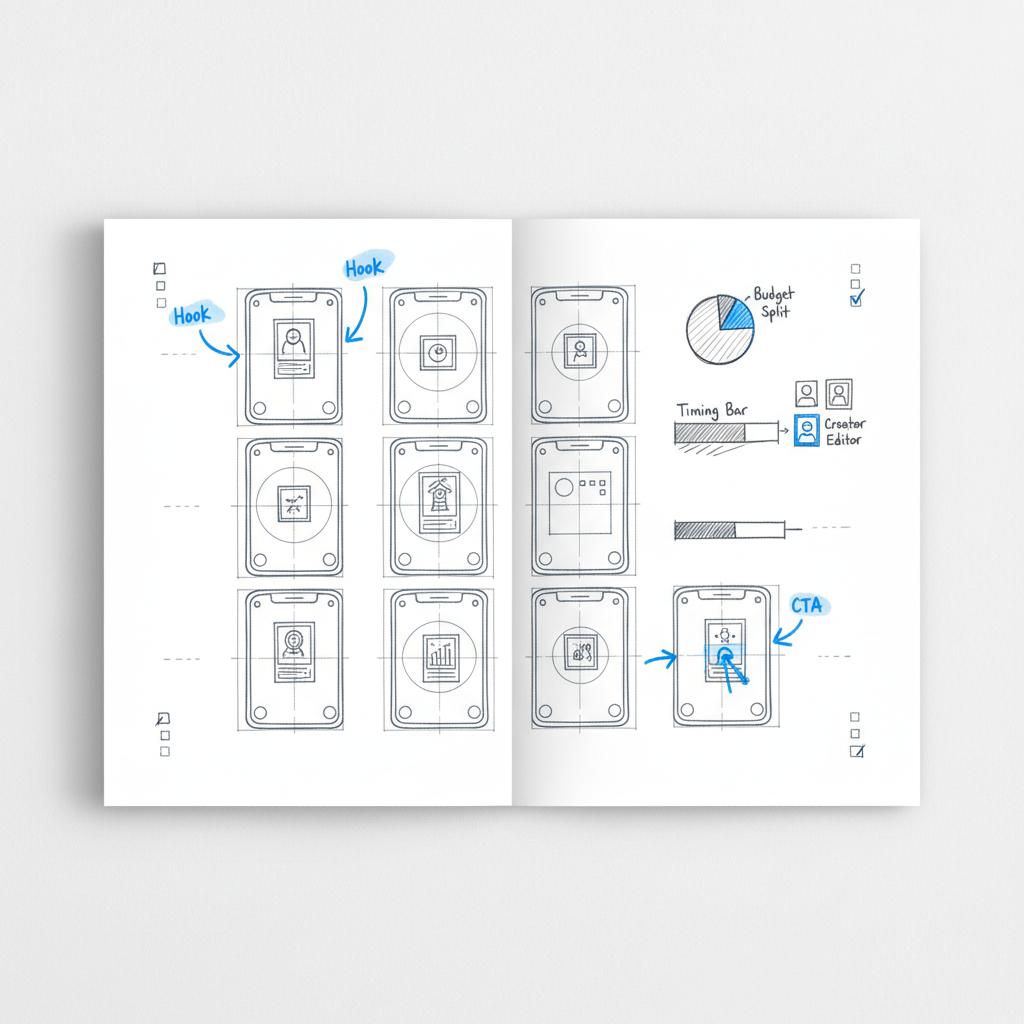
Meta is pushing Reels hard, and platforms reward short vertical video with wider distribution. For that reason, many successful Instagram sponsored post campaigns now lead with mobile-first vertical video. You don’t need a big production budget; authenticity, quick problem-solution moments, and clear on-screen text are more important than cinematic polish. (See Instagram ads best practices.)
Make your opening count: the first three seconds are critical. If your Instagram sponsored post doesn’t grab attention in that window, you’ve lost a big portion of potential viewers. Try product demos, a bold statement, or a short question that hooks curiosity. Always design for silent autoplay: strong visuals and readable text overlays matter more than voiceovers for many viewers.

Pro tip: If you’re unsure how to make Reels that convert, a short consultation can change everything. Talk with Agency VISIBLE to get a simple creative checklist and a prioritized test plan you can run in a week.
Creative rules that actually move the needle
Format matters. For Reels and Stories use 9:16 vertical. Feed images and videos work best in 1:1 or 4:5. Keep key visuals clear of the top and bottom safe zones, so overlays don’t hide your message or CTA.
Write captions for skim readers and use on-screen text to communicate your main point within the first three seconds. If your Instagram sponsored post relies on a click to a landing page, make the CTA visually obvious and simple: “Shop now,” “Sign up free,” or “Start trial.”
Measurement in a privacy-first world
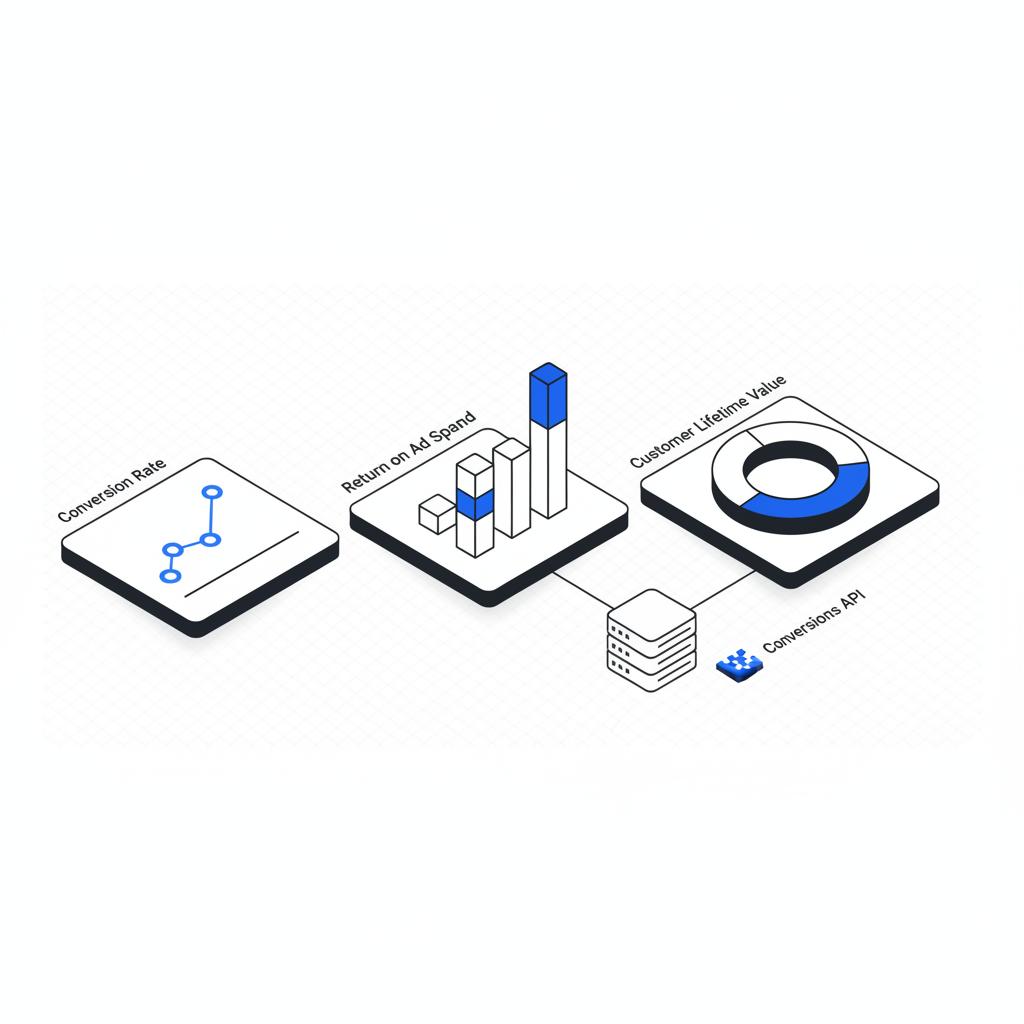
Data collection changed in recent years. To protect measurement and make your Instagram sponsored post results trustworthy, use both the Facebook pixel and the Conversions API. The pixel captures browser-side events; the Conversions API sends server-side events directly to Meta. Together they provide a fuller, more resilient picture of performance.
Pick a single primary conversion event – purchase, lead, or add-to-cart – and prioritize it in Events Manager. This helps the delivery system optimize toward the outcome that matters. Supplement that with CPM, CTR, CPC and CPA to see how efficiently you’re buying attention. Also watch frequency to avoid ad fatigue.
Yes. You can run meaningful discovery tests with $5 per day ad sets if you design disciplined experiments: test one variable at a time, run multiple small ad sets across different audiences and creatives, and scale winners slowly while watching CPA and frequency.
Budgeting: start small, scale deliberately
Small tests give you information without major risk. Start with ad sets at $5-20 per day to compare creatives and audiences. Run several small ad sets in parallel so you can learn which creative and audience combinations work best. Once performance stabilizes, increase budgets in modest steps – sudden spikes can change delivery and cost structures.
Reserve a portion of your budget for ongoing experiments. Even as you scale winners, new creative keeps performance fresh and prevents audience burnout. Consider running a cross-test between manual bidding and Advantage+ to see which yields better CPA for your business.
Ad testing that stays focused
Testing is most useful when it’s disciplined. Create hypotheses – “Version A opens with a problem; Version B opens with a solution” – and test only one major variable at a time. When your Instagram sponsored post shows a clear winner, reallocate spend and iterate on that winning element. Rotate fresh creative regularly to preserve performance.
A small-business campaign example that’s repeatable
Imagine a coffee roaster aiming for subscription sign-ups. They want to track conversions and build a lookalike audience. They choose Ads Manager, set up pixel and Conversions API, and run three different Reels creatives at $10 per day each over one week. Each video is vertical, starts with a bold hook, and has readable captions within the first three seconds.
After a week, one Reel delivers sign-ups at half the cost of the others. The roaster pauses the weaker creatives, gradually increases the daily budget on the winner, and builds a lookalike audience from the new subscribers. They keep a steady cadence of new creative to avoid fatigue and test Advantage+ on a small portion of spend to compare performance.
Policy and creative compliance: simple rules to avoid rejection
Follow Meta’s ad policies. Don’t make unverifiable claims or misuse sensitive targeting. When dealing with health or finance topics, be conservative: approvals can be slower and policies stricter. If an ad is rejected, read the policy notes, fix the likely trigger (copy, image or placement), and resubmit.
Attribution and choosing the right window
Different businesses need different attribution windows. Short windows (for example, one-day click/one-day view) make sense for impulse purchases and give clearer signals about immediate performance. Longer windows capture delayed conversions but can blur which marketing touchpoint caused the sale. If offline sales are important to you, combine online signals with CRM data or offline conversion imports to get a full funnel picture.
Practical checklist for your first sponsored campaign
Before launching your Instagram sponsored post campaign, run through this checklist:
Creative: Vertical Reels where possible; clear on-screen text and a CTA in the first three seconds.
Tracking: Pixel installed and Conversions API active; primary conversion prioritized in Events Manager.
Audience: At least three audience tests: warm (engagers), custom (past website visitors), and a broader interest-based or lookalike group.
Budget: Small daily tests ($5-20 per ad set), with a plan to scale winners slowly.
Measurement: Watch CPM, CTR, CPC, CPA, ROAS and frequency. Reserve budget for creative refresh and ongoing tests.
Winning creative formats and examples
Here are practical creative types that often work well for an Instagram sponsored post:
1) 3-second problem/solution clip: Show a problem quickly and the product solving it in frame. Ideal for cold audiences.
2) Customer reaction or micro-testimonial: Authentic, short, and direct. Keep the spoken audio as support – important info should be on-screen text.
3) Quick demo with a single CTA: Show how to use the product in under 15 seconds and finish with a clear visual CTA.
How to interpret early signals
Early signals often tell you whether a creative or audience is worth investing in. High CTR with low conversion rate means the creative grabs attention but the landing page or offer may need work. Low CTR but good conversion rate suggests the audience could be tightened. High frequency with falling CTR usually indicates ad fatigue.
Use these signals to decide: pause low performers, iterate on the creative, or tighten the targeting. Over time, the combination of creative, audience, and landing page will reveal a pattern you can scale.
Testing Advantage+ and automation
Automated tools like Advantage+ can simplify campaign management and sometimes improve results by leveraging Meta’s machine learning. But automation is not a set-and-forget solution. Treat it like a hypothesis: test Advantage+ against manual control across the same creative and audience, measure cost per conversion, and decide based on data.
Reels length—what to test
For cold audiences, short clips under 15 seconds often perform best. Warm audiences may engage with longer videos up to 30 seconds or more. Run parallel tests across lengths to see what your audience prefers. Don’t assume a single “best” length – preferences vary by product and audience.
Offline sales and mixed channels
If your business sells both online and offline, combine platform signals with CRM data to measure true impact. Import offline conversions when possible and run occasional lift studies to understand causal effects. This helps avoid over-attributing sales to online ads when other channels are also influencing customers.
Common mistakes to avoid
There are a few common pitfalls that lower ROI on an Instagram sponsored post:
– Skipping tracking setup: Without pixel + Conversions API, you’ll get an incomplete view of performance.
– Testing too many variables at once: You won’t know which change caused a win or loss.
– Scaling too fast: Rapid budget increases can increase CPM and break performance patterns.
– Ignoring ad fatigue: Rotate creative frequently and watch frequency metrics.
How to structure campaigns for clearer learning
Structure campaigns to isolate tests: keep separate ad sets for different audiences and use single-variable creative tests. For example, one campaign might test three creatives against the same audience; another campaign tests the best creative across cold, warm, and lookalike audiences. Clear structure helps you draw conclusions faster.
Reporting and what to present to stakeholders
When reporting performance, focus on the metrics stakeholders care about: leads, purchases, CPA, and ROAS. Include supporting metrics to explain delivery: CPM, CTR, CPC and frequency. Use visuals to show trends over time and highlight tests that informed decisions.
Scaling beyond the first wins
Once you find a working combination of creative and audience, scale carefully. Keep testing variations, expand lookalike sizes gradually, and introduce new placements. Continue to reserve budget for fresh experiments so your account keeps learning.
A realistic timeline for a first campaign
Week 1: Setup pixel and Conversions API; prepare landing page and 3 creatives; launch tests at $5-20/day per ad set.
Week 2: Let results accumulate; pause clearly poor performers and double down on the winners with modest budget increases.
Week 3: Create lookalikes from early customers and test Advantage+ vs manual bidding on a small split.
Week 4+: Scale winners gradually, keep refreshing creative, and run periodic lift or offline-import checks.
How Agency VISIBLE helps small teams
Agency VISIBLE focuses on speed, clarity and measurable growth. For teams that can’t afford to waste ad spend, the agency helps turn tentative wins into repeatable campaigns. They prioritize conversion setup, creative that reads without sound, and disciplined tests that protect budget. If you want an expert to help translate early experiments into a structured, scaling strategy, their projects and approach are built for small and mid-sized businesses that need results quickly and transparently. Learn more at Agency VISIBLE.
Final checklist before you hit publish on your ad
Run the final checks for your Instagram sponsored post:
– Pixel and Conversions API verified
– Primary conversion selected and prioritized
– Creative optimized for silent autoplay and safe framing
– A/B test plan in place and budget allocated for experiments
– Attribution window chosen to match your sales cycle
Quick FAQ recap
Most small teams ask the same questions: When should we use Promote? How long should Reels be? How do we measure after privacy changes? Use Promote for simple reach pushes; use Ads Manager when you need conversions and repeatability. Try short Reels for cold traffic and longer stories for warm audiences. And always pair pixel with Conversions API to protect measurement.
Running an Instagram sponsored post is part art and part science. The art is in the creative; the science is in disciplined testing and resilient measurement. Combine both and you’ll turn small budgets into real business outcomes.
Use Promote for quick, low-effort reach or time-sensitive announcements. Choose Ads Manager when you need conversion tracking, custom audiences, A/B testing, or lookalike audiences. Ads Manager takes more setup but gives you control and measurement that’s necessary for scalable, repeatable campaigns.
For cold audiences, aim for short hooks under 15 seconds so you capture attention quickly. For warm audiences who already recognize your brand, you can test longer videos up to 30 seconds or a bit more. Run parallel tests to discover what length your specific audience prefers.
Yes. Agency VISIBLE offers hands-on help for small teams who need fast, measurable results. They focus on setting up pixel and Conversions API tracking, creating mobile-first creative that reads without sound, and running disciplined tests that protect budget while finding scalable winners. If you want expert help, reach out to them through their contact page.





