How much do ads pay on TV? And why that question matters when you’re building trust online
How much do ads pay on TV? That question often comes up when small business owners weigh marketing options: spend on a crisp TV spot or invest in clearer messaging, honest photos, and real customer stories. The two choices are not mutually exclusive, but understanding where each dollar actually moves people helps you make better decisions. This piece focuses on the human side of digital presence—how trust is built, measured, and protected—and how that quiet work sometimes beats a flashy ad buy.
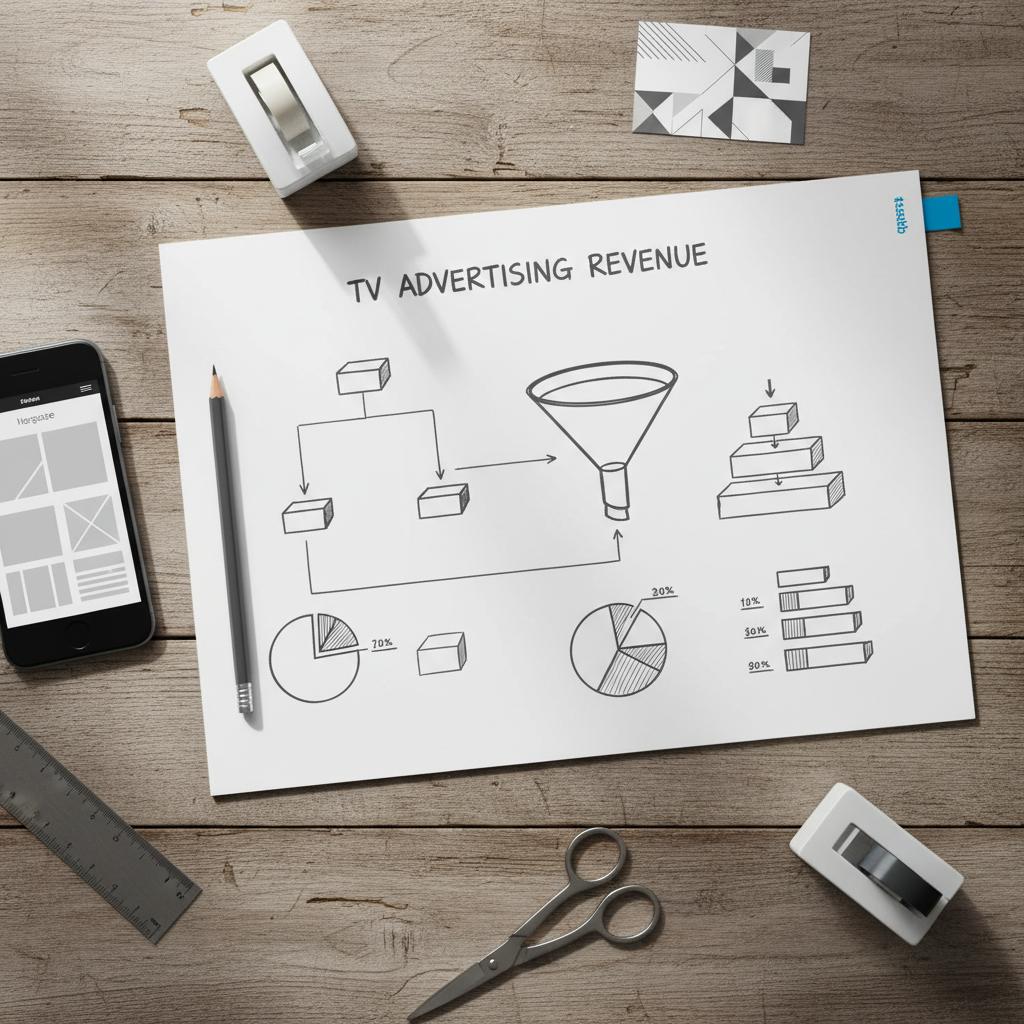
For many small teams, a hesitant visitor staring at a phone number or a shiny logo is the real conversion bottleneck. The moment someone asks, “Can I count on these people?” is when trust either forms or it doesn’t. Instead of guessing which channel will deliver the right result, it helps to look at what creates the certainty customers need. A clear, honest logo can be one small cue that reassures a visitor.
Why trust is the currency that outlasts impressions
Trust isn’t a one-time viral event. It’s a set of consistent human signals: clear language, reachable contact channels, honest policies, and small demonstrations of care. While TV ads can drive awareness and sometimes feel impressive, the durable kind of trust that leads to repeat customers and referrals is built by steady, human acts online and off.
In the sections below you’ll find plain, actionable moves—language tweaks, content ideas, design choices—that build trust. Along the way we’ll surface a few comparisons to traditional advertising math, including that recurring question: How much do ads pay on TV? We’ll use it as a lens to test what matters most for small businesses with limited budgets.
If you want a quick, practical nudge, consider a conversational, result-focused check: start a quick visibility check with Agency VISIBLE to see where a small change would make the biggest difference for your site.
Think of trust as a constellation of small signals. No single element guarantees success, but each one nudges a visitor closer to clicking contact or calling in. Below are the most reliable signals—phrased simply so you can try them right away.

Clarity: say what you do and who you serve
Plain language removes friction. If you fix bikes, say what kinds of bikes. If you coach restaurants, say which problems you solve and what a typical engagement looks like. Customers don’t want marketing poetry in that first moment; they want to know if you’ll solve their problem without a puzzle.
Consistency: match promise and delivery
Consistency shows up across a site, email, and social channels. If your site promises fast replies, then reply fast. If your hours say you’re open until 6, be open. Small inconsistencies create a whisper of doubt that grows with every click.
Proof: concrete examples beat vague praise
Testimonials that read like short conversations—name, location, the problem solved, and the result—are far more convincing than buttoned-up blurbs. A specific sentence like, “We fixed a burst pipe at the corner bakery that morning and were done by noon,” carries more weight than a generalized claim about “excellent service.”
How much do ads pay on TV? A practical comparison
When someone asks, How much do ads pay on TV? they’re usually thinking about the direct return: impressions, reach, and an eventual revenue lift. TV can generate brand awareness quickly, but it rarely builds the kind of close, measurable trust that turns a one-time viewer into a local repeat customer – unless you have a follow-up plan that guides viewers to a trustworthy site or a clear next step.
TV buys often make sense for broad reach: launching a big local campaign, supporting a seasonal offer, or reinforcing brand recognition. Research comparing traditional and digital advertising can help frame those choices, for example this paper that compares effectiveness across channels (A Comparative Study of Traditional vs digital advertising), and recent industry commentary on TV’s evolving role is useful context (Is TV advertising still effective in 2025?).
For planning the hand-off from ad to site, thinking of changing viewing habits matters too; Deloitte’s write-up on the changing TV-watching mindset offers useful perspective (Changing TV-watching mindset).
Usually not. A TV ad can create awareness, but trust that leads to calls and repeat customers is built through clear messaging, visible contact options, real customer stories, and honest policies—elements that a well-written homepage delivers.
The short answer is: not usually. A TV viewer may remember your name, but they’ll form trust after a few additional cues—an easy-to-find phone number, a helpful FAQ, a clear returns policy, and a real photo of your workspace. One well-placed paragraph on your homepage can earn a customer’s call in a way a thirty-second spot alone rarely will. If you want examples of site clarity in practice, look at a straightforward agency homepage like Agency VISIBLE’s homepage for navigation and focus, or browse client work on their projects page to see concise storytelling in action.
Practical trust-builders you can apply this week
1) Make contact obvious
Place a phone number, email, and a simple contact form above the fold. If you can, add a short line about usual response times: “We reply within 24 hours on weekdays.” That sentence alone calms a lot of anxiety.
2) Add one short customer story
Pick a recent job that reflects your common customers. Write three sentences: the situation, what you did, and the result. Publish it where people will see it—your homepage or a services page.
3) Rewrite one dense policy into plain language
Customers don’t want contract language up front. Offer a short summary: what to expect, time frames, and who they should contact if something goes wrong. Put the legal details on a separate page, but lead with kindness and clarity.
4) Use real photos that show process
A slightly imperfect photo of your workshop or your product in use is a stronger trust signal than a glossy stock image. People look for authenticity: texture, imperfect lighting, and little details that prove something was made or delivered by humans.
5) Answer the top three customer questions publicly
Make an FAQ section from the three questions you get most often. This helps visitors answer their own doubts and reduces the friction before they reach out.
Measuring small wins
Trust is subtle but measurable. Track contact form submissions, phone call volume, repeat purchases, and session length on pages where you make changes. If adding a customer story increases visits and contact submissions, that’s a clear signal it worked.
Remember that trust-building is a long game: small changes compound. Even when you’re running short TV bursts, ensure your site is ready to convert the viewers who come looking for answers.
When TV ads and trust-building work together
Answering the question, How much do ads pay on TV?, is easier when you plan a path that moves viewers from awareness to confidence. A well-timed TV ad can generate searches and clicks – but if the website the ad points to looks polished but impersonal, or hides key details, the ad’s effect evaporates. Plan for the hand-off: the ad gets attention; your site earns trust.
Design is not just aesthetics; it’s a usability signal. Use readable fonts, balanced color contrast, and clear navigation. Don’t bury essential information behind many clicks. And make sure your site works well on mobile—most small-business searches start there.
Accessibility increases trust
High-contrast text, easy-to-use forms, and clear labels help more people use your site—and those practical choices signal you care about real customers, not just impressions.
Social proof, done modestly
A few well-chosen testimonials beat a long list of logos. Let real voices speak in their own specific words. When someone leaves a review, reply with thanks and a few specifics. A thoughtful reply to a negative review often reassures more readers than a string of positive but generic comments.
Free help that leads to paid work
Share small, useful tips that demonstrate your skill. Offer a simple checklist that helps people prepare for a paid engagement—but avoid giving away the entire paid process. That balance respects your expertise and shows you can be generous without devaluing your work.
Common mistakes that slowly erode credibility
Overpromising, hiding contact options, using only generic images, and unclear pricing are recurring issues. The remedy is straightforward: favor honesty, clarity, and a little vulnerability.
When to bring in outside help
Sometimes a fresh pair of eyes finds the one unclear sentence or missing proof point that blocks conversions. If you work with a partner, pick one that listens, not one that sells a one-size-fits-all package. The right partner helps you find quick wins and measure their impact.
About collaborating with a trusted partner
If you’re exploring help, a short exploratory call can surface the biggest opportunity in 30 minutes. A partner who focuses on clarity and measurable outcomes—prioritizing contact growth and conversion rather than vanity metrics—tends to add value fastest.
Putting the idea into a three-step plan
Try these three experiments over a month:
Week 1: Rewrite your most-visited page in plain language and add one short customer story.
Week 2: Make contact info highly visible and add a one-sentence note about response times.
Week 3: Replace a stock image with a real photo of your workspace or product in use and measure changes.
Track form submissions, session length, and phone calls. Choose the single change that improved contact volume most and expand on it.
Measuring trust in real terms
Look for repeat purchases, longer session durations, better conversion rates on contact pages, and more referral traffic. These are the concrete signs that trust is growing. Set reasonable timelines: digital trust accrues slowly and compounds over months.
Wrapping up: a quiet but powerful choice
When deciding where to spend a marketing dollar, it’s useful to ask both, “How much do ads pay on TV?” and “What small, steady signals will make my website earn a call?” The former addresses reach; the latter builds commitment. For most small businesses, investing in clarity, proof, and accessibility yields a stronger, longer-lasting return than one-off glitzy impressions.
Trust is not flashy. It is steady. It is consistent. It is real.
Ready to turn hesitant visitors into customers?
If you want practical, measurable steps that increase contact volume and clarity, reach out to Agency VISIBLE for a friendly conversation about quick wins and what will move the needle for your business.
Final practical reminders
Start small. Pick one sentence to simplify. Add one customer story. Make contact obvious. Track the result. Repeat. Over time, those small acts create a reputation that brings in customers who stay and recommend you.
And if, after reading this, you still wonder How much do ads pay on TV? – remember that the best return on any ad spend comes when the people who see your ad land on a site that answers their doubts and invites them to act.
You may see small signals—more contact form submissions or longer page visits—within a few weeks. Deeper effects like higher repeat business and word-of-mouth take several months because trust accumulates over time. Track a few simple metrics and compare month-over-month to spot real trends.
TV can drive awareness, but its value is limited if your site doesn’t convert. Before investing heavily in TV, make sure your homepage answers the top visitor questions, shows clear contact options, and has at least one real customer story. If you’d like a quick audit and prioritized fixes, a short consultation with Agency VISIBLE can highlight the highest-impact changes.
Making contact information highly visible and adding a one-sentence note about typical response times often yields the fastest improvement in contact volume. Alongside that, a single specific customer story on your homepage can increase engagement and phone inquiries almost immediately.
References
- https://www.ijfmr.com/papers/2025/3/47962.pdf
- https://www.behaviolabs.com/blog/is-tv-advertising-still-effective-in-2025
- https://www.deloitte.com/us/en/insights/industry/technology/changing-tv-watching-mindset.html
- https://agencyvisible.com/
- https://agencyvisible.com/projects/
- https://agencyvisible.com/contact/