


How to get noticed on Yelp?
Quick note: the most reliable path to better visibility on Yelp is not shouting louder – it’s being clearer, more consistent, and more human. Below you’ll find practical steps, templates, and a realistic 30/60/90-day plan to start seeing results.
Start with the essentials: claim, complete, and connect
Yelp optimization begins before you write a single word on the profile. Claiming your listing gives you control, and control is where improvement starts. If the name, address, or phone number on Yelp doesn’t match your website, Google Business Profile, and other directories, you lose trust – from both customers and search systems.

Follow a simple checklist when you claim your profile: consistent NAP, current hours, clear primary and secondary categories, and an accurate business description. Make sure the phone number you list is the one your staff answers during business hours. If you track calls, use a consistent number so you can attribute leads properly. For a quick reference, see Yelp’s own page checklist (Yelp Page checklist).
Why categories and hours matter as much as NAP
Choose the single primary category that best describes what you want to be found for, then add additional categories to capture adjacent searches. Don’t treat categories as clerical details – they are central to good Yelp optimization. Also, list holiday hours, late-night openings, delivery options, and any other service details that customers care about.
Make visuals work for you
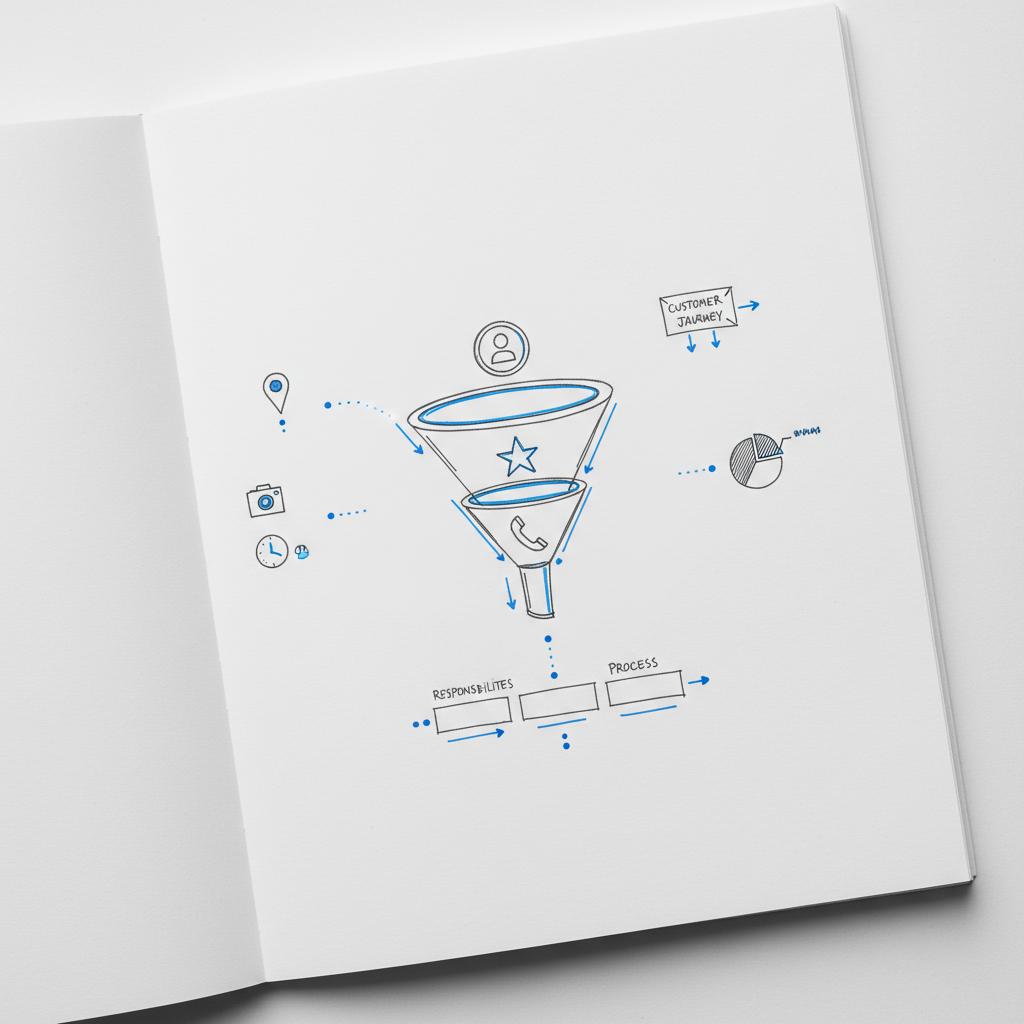
Photos stop people mid-scroll. High-quality images of your storefront, signature product, menu highlights, or service setup tell a story faster than any paragraph. Upload multiple images and refresh them seasonally or whenever you change your offering. A steady photo cadence signals activity and increases click-throughs.
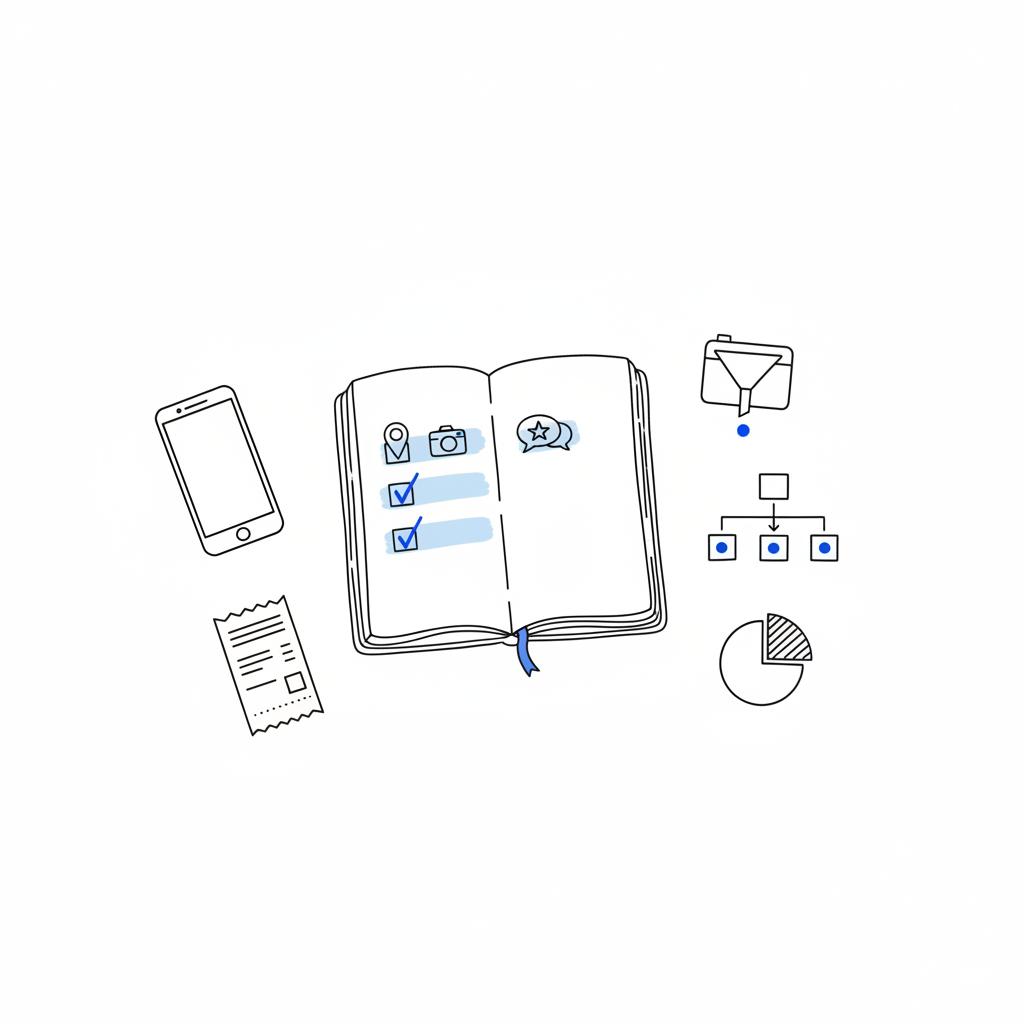
Image checklist
Use well-lit, in-focus images that show scale and context. For restaurants, include a clear photo of a best-selling dish. For retail, show a product in context on the shelf. For service businesses, show the interior or a clear tool/environment shot that communicates trust.
Write a clear, human description
Your business description should answer the question visitors have the moment they land on the page: what do you do, who do you serve, and why should someone pick you? Avoid hollow marketing speak. Good descriptions are short, keyword-friendly, and human.
Include natural phrases people use when searching, but don’t stuff keywords. A well-written description supports Yelp optimization by helping Yelp and searchers understand your business quickly.
If you want a quick, no-pressure review of your Yelp listing, consider Agency Visible’s profile audit — it’s a practical way to spot quick wins and get a prioritized to-do list without a heavy engagement. The audit focuses on accuracy, conversion points, and review workflows so you can see improvements in weeks, not months.
Reviews: why they’re your social currency (and how to earn them)
Reviews remain the single most influential factor in turning a profile view into a call or visit. But earning authentic reviews requires tact. Yelp’s rules prohibit offering discounts or freebies in exchange for reviews – and that policy is actively enforced. Instead, make it easy and natural for customers to share their experience.
Simple tactics that work: add a Yelp link to receipts and follow-up emails, train staff to ask at the right moment, and place unobtrusive signage in your space. Keep the request neutral: “If you enjoyed this, a quick note on Yelp helps others find us.” Timing and tone matter; a sincere, casual ask beats any canned script. For additional guidance on review strategies, BrightLocal’s guide to Yelp reviews is useful (BrightLocal – Yelp reviews guide).
Review workflow examples
– Receipt footer: short Yelp link with a neutral ask.
– End-of-transaction ask: staff mention Yelp after a positive interaction.
– Follow-up email: a short thank-you with a direct Yelp link.
– Signage: tasteful invitation to share feedback (no incentives).
Responding to reviews: the difference between damage control and reputation building
How you reply to reviews shapes what future customers believe about your service. That means responses should be prompt, polite, and specific. For praise, thank the reviewer and mention something they said. For criticism, acknowledge the issue, note what you’ll do, and invite further conversation offline.
Short, human replies help your Yelp optimization. Avoid defensive language, don’t get dragged into arguments, and keep replies factual. If you need to look into something, say so and offer to follow up privately.
Templates you can use
Five-star reply: “Thanks so much for the kind words, [name] — we’re glad you loved the [item/service]. We can’t wait to welcome you back.”
Negative review reply: “Thanks for sharing this. I’m sorry we missed the mark. We take feedback seriously — please email [email] or call [phone] so we can make this right.”
Yelp features and paid options: use them carefully
Yelp offers advertising options that can deliver immediate leads for appointment-driven or high-margin businesses, but ads are not a replacement for organic effort. Invest in the basics first – profile completeness and review generation – then run small, measured ad tests with clear conversion tracking.
Note: Yelp removed Deals and Gift Certificates as of October 27, 2024. If you used those features, plan alternatives via events, check-in offers (where available), or off-platform promotions that link to your Yelp profile without incentivizing reviews.
Measure what matters — weekly cadence, 30/60/90 rhythm
A simple measurement routine turns activity into learning. Track impressions, profile views, clicks-to-call, website clicks, and the tone and volume of new reviews. Check these weekly and analyze 30-day and 90-day trends.
30/60/90 plan (practical checklist)
Days 1–30 — Foundation: Claim your profile, confirm NAP consistency across your site and Google Business Profile, set hours and categories, write a concise description, and upload multiple photos. Record baseline metrics: impressions, views, calls, and reviews per week.
Days 31–60 — Build habits and test: Start a steady review-generation workflow, add Yelp links to receipts and emails, train staff to mention Yelp naturally, and run a short ad test if your business model supports quick conversions. Track conversions and ask customers how they found you.
Days 61–90 — Analyze and scale: Review what worked: double down on the most effective photos, refine response templates, continue to monitor NAP, and decide whether to scale or pause paid tests. Make successful tactics repeatable.
Common mistakes that cost visibility (and how to avoid them)
1. Inconsistent NAP — fix it first.
2. Incentivizing reviews — don’t do it.
3. Neglecting photos and categories — small changes, big impact.
4. Using ads before the basics — pay only after your profile converts.
Advanced tips and small experiments worth trying
– Use UTM tags or dedicated landing pages to measure whether Yelp ads or links drive bookings.
– Refresh photos around seasonal changes or menu updates.
– Encourage reviewers to mention specifics — not by asking for a star count, but by training staff to point out details people loved (e.g., “If they enjoyed the flat white, they might mention it when leaving feedback”).
For deeper Yelp SEO tactics, see this practical guide (Yelp SEO – LachiMedia).
Practical examples and a short case study
A neighborhood bakery wanted more weekday traffic. We claimed the profile, aligned hours and phone number, uploaded fresh photos of weekday pastry assortments, and trained staff to mention Yelp at checkout. In six weeks the bakery saw more profile views and a handful of genuine new reviews. A one-month geo-targeted ad test produced measurable mentions in-person and helped the owner decide whether to continue ads. See similar case studies on Agency Visible projects.
Dealing with a scathing review
First, breathe. Respond with a calm, factual reply: acknowledge the issue, apologize when warranted, explain corrective steps, and invite private contact. Often, a thoughtful reply not only comforts the reviewer but also signals to other readers how you handle issues.
Fix the public error quickly — update inaccurate hours, phone numbers, or menus — and post a short public reply that notes the change and invites further contact. Action plus communication prevents small mistakes from growing into credibility issues.
Testing paid campaigns the smart way
Run short, focused paid tests with a clear conversion metric (phone calls, form fills, or booked appointments). Use UTM tags and landing pages to attribute results. If a campaign delivers a positive return, scale slowly; if not, iterate on creative and audience rather than just increasing spend.
Content and signals Yelp likely values
Recency and overall rating clearly matter. Fresh reviews and new photos act as signals that your business is active. The nuances of review text and velocity may shift over time, but a steady stream of authentic activity beats sporadic bursts.
Templates for real replies that build trust
Polite acknowledgement: “Thanks for the feedback — we’re sorry to hear this and appreciate you telling us. We’ll review what happened and reach out to make it right.”
Invite offline: “We’d like to learn more so we can improve. Please email [email] or call [phone] and reference this review.”
Measurement examples to track weekly
– Impressions and profile views: reach.
– Click-to-call and website clicks: intent.
– Number and sentiment of new reviews: social proof.
– Conversion by source (UTM): ad attribution.
Keeping your profile fresh and honest
Don’t treat your Yelp page like a static directory entry. Regularly update photos, review hours, and change descriptions when your offering changes. Small, regular upkeep prevents discoverability drift and keeps your page relevant.
Final checklist before you walk away
– Claim and verify your profile.
– Confirm NAP consistency across web and directories.
– Choose the best primary category and add reasonable secondary categories.
– Add several strong photos and refresh them seasonally.
– Write a short, clear description using natural phrases.
– Implement a neutral review workflow (receipt link, staff ask, follow-up email).
– Respond to reviews with human, specific replies.
– Run short, measured ad tests only after basics convert.
Get a quick, practical Yelp audit and prioritized plan
Ready to make your Yelp profile work for you? If you want a friendly, practical review of your listing and a prioritized plan that focuses on measurable lifts, get in touch with Agency Visible to schedule a short audit and next steps – no pressure, just a clear path forward.
Long-term mindset: be deliberate, not desperate
Yelp optimization is a practice – a set of simple, repeatable habits that compound. Quick fixes rarely last. Accuracy, authentic reviews, thoughtful replies, and weekly measurement build durable visibility that delivers consistent leads.
Resources and next actions
Today’s single, practical step: open your Yelp listing and compare every detail to your website and Google Business Profile. If even a character differs, fix it. That tiny correction often unlocks a chain of improvements in discoverability and trust. For further reading, check BrightLocal and LachiMedia guides linked above, and consider reviewing your site hub at Agency Visible for related resources.
Parting thought
Getting noticed on Yelp is a marathon of attention, not a one-time sprint. Start with the basics, keep the human touch, and measure what matters.
Yes — you can ask customers to leave a Yelp review, but do so without offering incentives or asking for a specific star rating. Make the request neutral and timely (for example, at checkout or in a brief follow-up email). Add a direct Yelp link to receipts or emails to reduce friction.
No. Ads can drive quick leads, but they work best after you’ve fixed the basics: consistent NAP, accurate hours and categories, good photos, and an easy review workflow. Run short, measurable ad tests only once your profile converts reliably.
You can often see improved impressions and profile views within a few weeks after making key changes and starting a review workflow. Expect clearer lead patterns in 30–90 days as new reviews accumulate and your profile activity compounds.
References
- https://business.yelp.com/resources/articles/yelp-page-checklist/?domain=local-business
- https://www.brightlocal.com/learn/yelp-business-reviews/
- https://lachimedia.com/blog/local-seo/yelp-seo-how-to-optimize-your-yelp-profile-to-rank-higher-in-local-search/
- https://agencyvisible.com/contact/
- https://agencyvisible.com/projects/
- https://agencyvisible.com/





