


What’s the best way to advertise my small business?
Every small business owner asks this at some point: what’s the best way to advertise my small business? The short answer is: it depends – on your customers, your budget, and the clear outcome you need. The long answer is what follows: a practical, step-by-step framework that helps you choose the right channels, plan affordable tests, measure what matters, and scale what works without wasting time or money.
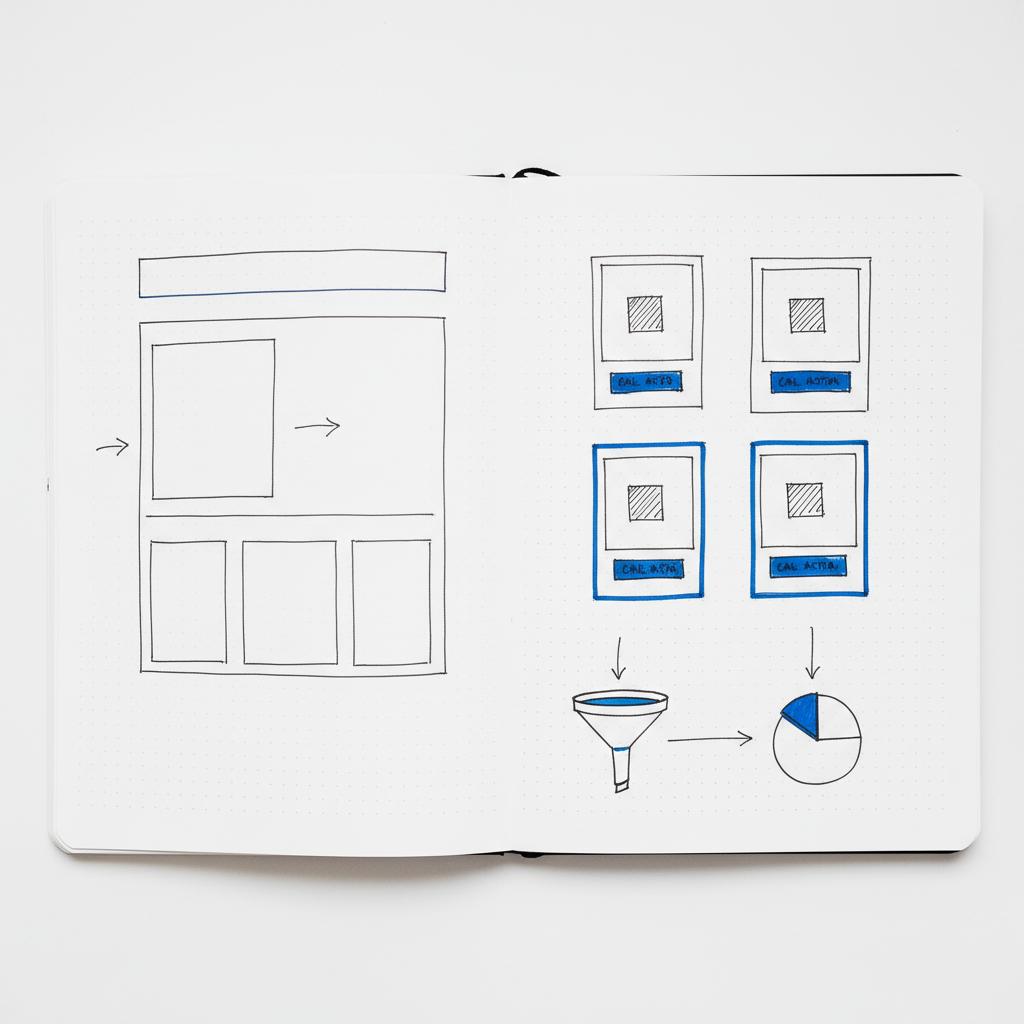
Start here: advertising is not an island. Your ads, website, listings, and follow-up are a system. If one part is weak, your whole effort loses power. This guide focuses on building a visible, measurable system that treats advertising as both creative outreach and a routine you can repeat. A clear, consistent logo helps build quick recognition.
Why clarity beats noise on day one
Clarity about who you serve and what success looks like is the most reliable advertising advantage a small business can have. When you know who you’re trying to reach and what action you want them to take, buying ads becomes a series of targeted choices instead of random splashes of spend. That clarity keeps ad creative sharper, landing pages cleaner, and budgets smaller for better results.
Answer these three quick questions before you start spending: Who is the customer? What specific action do you want them to take? How will we measure success? Put those answers at the top of your plan and use them like a compass.

Step 1 – Choose the right mix: where to advertise
The best channels for a small business usually mix visibility, intent and repeat exposure. Below are the most reliable options and when to use each. For an up-to-date look at advertising types and strategies, see the AMA guide to advertising strategies for 2025: AMA advertising guide.
Local SEO (organic visibility where customers search)
Local SEO is often the highest-return channel for small businesses with a physical location or a defined service area. It means optimizing your Google Business Profile, website pages, and local citations so you appear when people search for services nearby. Benefits: low ongoing ad spend, credibility boost, and leads that are often ready to buy.
How to start: claim and fully complete your Google Business Profile, ask for reviews, ensure your NAP (name, address, phone) is consistent everywhere, and create a simple service page that answers the questions customers actually type into search.
Google Search Ads (intent-driven leads)
When people search, they often have purchase intent. Running small, targeted Google Search campaigns gives you immediate visibility for keywords that matter. For many small businesses, even modest budgets focused on a few high-intent queries generate bookings or calls within days.
Pro tip: start with exact and phrase match keywords, write ad copy that mirrors the searcher’s intent, and send traffic to a dedicated landing page that makes conversion obvious.
Facebook & Instagram Ads (reach and retargeting)
Social ads are powerful for building awareness and retargeting website visitors. They work best when you already have a clear message and a reason for someone to follow up — a lead magnet, discount, event or appointment offer.
Use social ads to build an audience, then retarget people who visited your site or engaged with your content. The combined funnel – awareness, interest, retarget – is often where small budgets can stretch far.
Content Marketing & SEO (long-term traffic)
Content marketing — useful articles, how-to pages, local guides — helps small businesses rank for questions customers ask and provides assets you can promote with ads. It’s not instant, but it compounds: a single useful article can continue to bring leads for months or years.
Email & SMS (highest ROI for repeat business)
Owning contact details is one of the best investments you can make. Email and SMS let you reach customers directly, announce offers, and recover abandoned purchases. For many businesses, an automated welcome and a simple monthly update produce the best ROI of all channels.
Partnerships, Community & Events (trust and referrals)
Sometimes the most effective advertising is a neighbor, a local event, or a referral program. Partnerships with complementary businesses and presence at community events create trusted introductions that advertising alone cannot buy.
Step 2 – Pick a test you can measure
Good advertising for a small business starts with a test that is small, measurable, and short. Choose one channel and run a 2–6 week experiment with a clearly defined goal and a way to track it.
Example test: run a Google Ads campaign targeting three high-intent keywords, send traffic to a landing page that asks for bookings, and measure cost per booking. If cost per booking fits your business model, scale. If not, iterate.
Keep tests simple
Too many moving parts make it hard to know what worked. Hold the creative, landing page and CTA constant when testing keywords or audiences. Change one variable at a time and give each test enough time to gather meaningful data.
Step 3 – Basics of compelling ad creative
Even with perfect targeting, weak creative kills results. Good creative speaks directly to one kind of customer, highlights the single most important benefit, and makes the next step easy.
Follow this formula:
Headline: capture the problem or outcome
Benefit: what changes for the customer
Proof: a short credibility signal
CTA: exactly what to do next
For example: “Sick of clogged drains? Same-day plumbing in [City]. 4.9★ reviews. Book online in 60 seconds.” That gives problem, outcome, social proof and a clear action.
Step 4 – Landing pages that convert
Drive ad traffic to pages built for conversion, not your homepage. A focused landing page reduces friction: a clear headline, one compelling image, the offer, proof points, and a single conversion action (call, booking form, sign-up).
Remove navigation and extra links that might distract. If you run multiple campaigns, create multiple landing pages tuned to each message and audience.
Step 5 – Tracking, measurement and attribution
If you can’t measure it, you can’t improve it. Use simple measurement tools: Google Analytics, conversion tracking in ad platforms, and call-tracking if phone calls are important. For a broader look at current marketing benchmarks and tools, see HubSpot’s 2025 State of Marketing report: HubSpot State of Marketing.
Decide on a primary metric (leads, sales, bookings) and secondary metrics (cost per click, click-through rate, conversion rate). Track cost per lead and lifetime value (LTV) when possible – LTV helps you understand how much you can afford to spend to acquire a customer.
Budgeting for small business advertising
Small businesses should treat advertising budgets like experiments with expected returns. A common starting framework is:
Phase 1 – Learn: small, focused tests for 2–6 weeks.
Phase 2 – Optimize: increase spend on winners and improve creative/landing pages.
Phase 3 – Scale: expand channels and audiences while protecting unit economics.
There is no one-size-fits-all percentage of revenue to spend – instead, base your budget on the cost per acquisition you can profitably support, and scale when the math works.
Low-budget tactics that still work
If your budget is tiny, prioritize high-intent channels (local SEO, Google Search Ads on a tight set of keywords) and social retargeting. Use organic content and email to nurture early leads without ongoing ad spend.
How to advertise my small business: a simple 8-week plan
Here’s a practical starter plan you can follow in two months.
Week 1 – Clarify
Define your ideal customer, the single conversion action, and a simple value proposition that solves a pain point.
Week 2 – Foundations
Update your Google Business Profile, create or optimize one landing page, set up analytics and conversion tracking.
Week 3–4 – Test
Run a Google Search or Facebook campaign with a small budget. Measure cost per lead and conversion rate.
Week 5 – Improve
Adjust creative and the landing page based on data. Add retargeting ads for visitors who didn’t convert.
Week 6–8 – Scale or pivot
Double down on what works. If the test fails, try a different channel or adjust your offer.
This schedule is intentionally light and repeatable: run cycles of tests and optimisations every 6–8 weeks.
For a small business owner who wants a tactical partner to get visible quickly, a discreet strategy session can be a game-changer. If you’d like a short, no-pressure consultation, check out the Agency VISIBLE contact page and see how they help small teams get clarity and measurable results: Agency VISIBLE contact.
How to measure success that matters
Avoid vanity metrics. Instead of counting every social impression, measure things that tie directly to revenue: leads, converted customers, average order value, and repeat purchase rate.
Fix the funnel bottleneck: if you have traffic but low conversions, optimise your landing page and offer clarity; if you have leads but poor follow-up, set up simple email/SMS sequences and a clear sales script. Address the weakest stage first and iterate.
Where to place your attention if everything feels urgent? Prioritize the funnel bottleneck. If you have traffic but poor conversions, fix your landing pages. If you have leads but poor follow-up, invest in email automations and a clear sales script. If you have neither traffic nor leads, start with a tight paid search test and a local SEO sweep.
Creative examples and templates
Here are simple, copy-ready templates you can adapt.
Ad headline templates
• [Problem]? [Service] in [City] — Book today. • Save X% on [Service] this month — Limited spots. • New to [City]? Try [Product] with free [offer].
Landing page checklist
• Clear headline that matches the ad • One supporting subheadline • 2–4 short proof points (reviews, numbers, trust badges) • The offer and clear CTA • A simple, short form (name, phone/email) • Visible phone number for immediate calls
How to advertise my small business on social without wasting money
Social platforms reward relevance. Small businesses get the best returns by using social ads to seed interest and then retarget the people who engaged. Use a two-step funnel: a low-cost engagement or lead magnet followed by a retargeted conversion ad with a time-limited offer.
Tip: keep creative native — short video or carousel that feels like helpful content rather than a hard sell. People respond better to useful, not noisy.
Local advertising and community-first tactics
Local advertising is still one of the most efficient ways to reach customers who can buy today. Use neighborhood papers, local sponsorships, flyers in cafes, and partnerships with complementary businesses. These moves cost less than broad digital campaigns and often deliver higher trust.
Referral programs that actually work
Offer a clear, meaningful reward to customers who refer friends — a discount, a free service, or account credit. Make the process easy to share and track. People refer businesses they trust; referrals bring higher conversion rates and lower acquisition costs.
When to hire help
If these tasks feel like too many plates to spin, hiring help can be the right move. Hire for specific outcomes: a Google Ads specialist to get immediate search traffic, a content writer to build evergreen pages, or a fractional marketer to build and run tests.
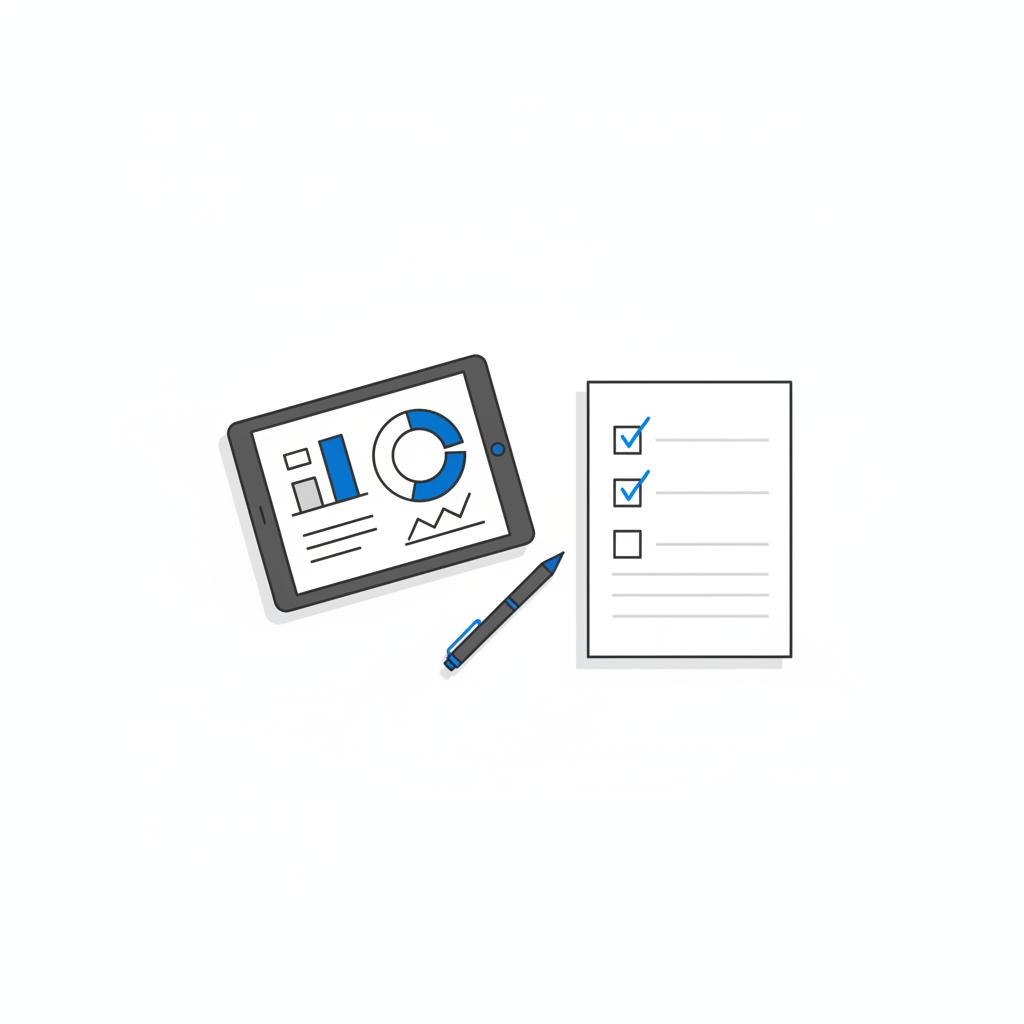
If you hire an agency, look for someone who treats advertising as a partnership and builds measurable plans rather than simply buying media. A small, focused agency with experience in your industry can often move faster and cost less than a larger firm. See examples of work on the Agency VISIBLE projects page: Agency VISIBLE projects.
How to keep advertising costs under control
Control costs by improving conversion rates, tightening audience targeting, and focusing spend on high-intent keywords. Use negative keywords to avoid irrelevant clicks. Pause poor-performing ads quickly and reallocate that budget to winners.
Common mistakes small businesses make (and how to avoid them)
1. Chasing every shiny channel — pick a handful and run repeatable tests.
2. No clear conversion path — build landing pages for each campaign.
3. Measuring the wrong things — track revenue-related metrics.
4. Ignoring follow-up — use email/SMS to nurture leads.
5. Giving up too early — allow enough test time to get reliable data.
Language that builds trust in advertising
Advertising that sounds like a real person will perform better. Use plain language, avoid marketing fluff, and show clear benefits. Include small proof points — reviews, numbers, or real customer lines like “We saved 30% on energy bills” — to add credibility quickly.
Example budgets and expected outcomes
Small-business budgets vary wildly, but here are three sample scenarios to illustrate what’s realistic.
Micro-budget ($200–$500/month)
Focus on local SEO and 1–2 small Google Search keywords plus a small retargeting social campaign. Expect a few leads per week depending on category; focus on conversion rate improvements.
Starter budget ($1,000–$2,500/month)
Run broader Google Search and social campaigns, produce one piece of content per month, and automate email follow-ups. Expect a steady stream of leads and enough data to optimise.
Growth budget ($3,000+/month)
Test multiple channels concurrently, invest in video/social creative, and scale winning campaigns. Expect to accelerate growth and capture more market share with careful optimisation.
Hiring an agency vs DIY: the right choice
If you compare options, keep this in mind: an agency buys expertise and time. For many small businesses, the best choice is a hybrid: start DIY to learn the business, then hire an agency when you need scale or specialised skills. If you want a partner focused on visibility and revenue — and you prefer clear, direct guidance — an experienced boutique agency is often the smoother path.
Real-world example: a small bakery that doubled morning foot traffic
A local bakery wanted to increase morning customers. They optimized their Google Business Profile, ran a targeted Google Search campaign for queries like “fresh pastries near me,” and used Instagram stories to showcase daily specials. A simple offer — 10% off a morning pastry with a quick sign-up — created a measurable lift. Within two months, morning foot traffic increased 40% and repeat customers rose after adding email follow-up with weekly specials.
Tools that help small business advertising
Useful, budget-friendly tools:
• Google Business Profile (free) • Google Ads • Facebook Ads Manager • Mailchimp or Klaviyo for email • Simple landing page builders (Unbounce, Leadpages, or a focused page in your CMS) • A basic analytics setup (Google Analytics / GA4)
How to scale advertising when it works
Once a test performs profitably, scale carefully. Increase budgets on winners by 20–30% every few days while monitoring CPA. Expand audiences gradually and replicate winning creative across similar channels. Keep an eye on conversion rates — if they drop, investigate whether you’ve exhausted the most responsive audience.
Maintaining trust while advertising
Trust matters in advertising, too. Honest claims, accurate availability, and clear refund policies reduce disputes and returns. Ads that overpromise erode trust quickly; steady, accurate messaging builds lifetime value.
FAQ section
Q: How quickly will advertising results show up?
A: Paid search can drive traffic and leads within days. Organic search and content will take weeks to months. Email and referral tactics often show results within weeks depending on list size and offer.
Q: How much should I spend to see meaningful results?
A: Start with a test budget you can afford for at least 2–6 weeks. For many categories, a $500–$1,000 test can reveal whether a channel is viable.
Q: Do I need a website to advertise?
A: Yes — a simple, focused landing page is essential. If you don’t have a full site, create a dedicated landing page with a clear conversion action.
How Agency Visible helps (a light touch)
Some small businesses simply want a fast path to clarity: one prioritized plan, an initial test, and clear reporting. That’s where a focused partner can save time and reduce costly mistakes. If you’d rather not manage ads yourself, a small agency like Agency VISIBLE specializes in quick, measurable work tailored to small and mid-sized businesses — keeping things practical, not complicated.
Checklist before you launch any ad
• One clear goal (bookings, sales, sign-ups)
• A focused landing page
• Tracking in place (conversions, calls)
• A test budget and timeline
• A plan for follow-up (email/SMS)
• A simple way to measure ROI
Final tips: practical habits that compound
• Keep a weekly 30-minute review of ad performance.
• Capture and reuse creative that works across channels.
• Ask happy customers for referrals and reviews.
• Treat advertising as ongoing experiments—document results and decisions.
Closing thoughts
Advertising a small business is less about chasing every new channel and more about consistent, measurable experiments that connect to real customer needs. Start small, test fast, measure clearly, and scale the things that help your business grow.
Get a simple, measurable advertising plan
Ready to get visible with a clear plan and a test that matters? Book a short consultation to map your first 6-week advertising experiment and stop guessing: Contact Agency VISIBLE.
Paid search and social ads can produce leads within days, while organic tactics like SEO and content take weeks to months to build momentum. Expect initial signals in 2–6 weeks for small tests, and use clear conversion tracking to judge performance.
Local SEO combined with a tightly targeted Google Search campaign usually gives the best cost-to-value ratio. Claim and optimize your Google Business Profile, gather reviews, and run a small search ad test for high-intent keywords to see quick, affordable results.
Hire an agency when you need scale, specialist skills, or you’re spending time on ads that distract from running the business. A small, focused agency like Agency VISIBLE can set a clear test, manage campaigns, and report outcomes so you can decide with confidence.
References
- https://agencyvisible.com/contact/
- https://agencyvisible.com/
- https://agencyvisible.com/projects/
- https://www.ama.org/marketing-news/the-ultimate-guide-to-advertising-types-strategies-and-best-practices-for-2025/
- https://www.hubspot.com/state-of-marketing
- https://www.forbes.com/councils/forbescommunicationscouncil/2025/03/04/2025-marketing-trends-small-businesses-can-use-to-get-ahead/





