


How to set CPA in Google Ads? That question pops up in marketing conversations like a reflex — even when the real work is about trust, clarity, and steady delivery. In this article we treat that technical question as a useful metaphor: tactics (like bidding strategies) matter, but they succeed only when your brand is clear, predictable, and trusted by customers.
How to set CPA in Google Ads? A sharp promise starts everything
A clear promise is not a slogan; it’s a simple sentence that explains what you do and how life is different after someone uses your service. Say it where people land first: your homepage, about page, and social profiles. For many businesses a single sentence makes the rest of your experience feel easier to understand.
Think of this sentence like a target CPA in a campaign: it gives direction. You won’t hit a target you haven’t named. Similarly, visitors won’t choose you if they can’t answer “What do you do?” quickly. For a technical reference on how Target CPA bidding works, see the Target CPA guide.
If you need help turning a messy message into one crisp line, teams like Agency Visible specialize in clarifying brand promises and positioning so your first impression actually works. A short session can save weeks of confused copy and missed conversions.
Make your site a friendly place to land
First impressions are made in seconds. Clean typography, simple navigation, and fast load times create a welcoming storefront online. Use plain language — imagine explaining your offer to a neighbor over coffee. If pricing varies, provide ranges or example packages. Predictability eases anxiety and makes visitors more likely to click the call to action.
Clarify your message and start converting today
Ready to clarify your message and convert more visitors? Reach out and schedule a short review — one clear sentence can change the whole site.
When building pages, imagine a visitor asking, “How do I start?” then answer that question immediately. A short roadmap on the homepage — contact, sample work, pricing, timeline — reduces friction massively.
Write a single, plain sentence that explains what you do and how a person’s life is different because of it. Put that sentence at the top of your homepage and your social profiles — the clarity removes friction and answers the most common buyer question instantly.
Tell stories that show, not tell
Stories build context. A brief case study that explains the problem, the choice you made, and the result is far more convincing than vague claims of “expertise.” Concrete detail — the constraints, the decision, the outcome — builds credibility. Small, honest numbers are often more persuasive than dramatic exaggerations.
Even technical talk benefits from narrative. If a client asks “How to set CPA in Google Ads?” as a way of seeking predictable ROI, a story about one campaign that set a sensible target, tested creatives, and improved lead quality will answer more clearly than jargon-filled instructions. For practical tactics, see a straightforward Google Ads CPA marketing strategy.
Photos, voices, and the human touch

People connect with people. Candid photos of your workspace, tools, or hands at work feel more real than staged, generic stock imagery. In writing, use your natural voice. If you’re warm and a little wry, let that come through. If you’re calm and precise, that’s fine too. Consistency in tone across your site and emails signals reliability.
Transparent processes reduce friction
Outline the customer journey: what happens after they say “yes”? A simple bullet list — call, proposal, timeline, delivery — reduces anxiety. When customers know the next step, they’re likelier to move forward. This is the same logic behind a good CPA approach: define the goal, explain the steps, measure the result.
When customers ask “How to set CPA in Google Ads?” they want predictability. Show them the roadmap you use to reach that predictability: discovery, hypothesis, test, optimize, repeat. Pairing those steps with a site that focuses on design that converts makes technical changes more effective.

Demonstrate competence without jargon
Expertise earns trust, but jargon can repel. Use metaphors and plain language to describe what you do. If you publish case studies, frame them by problem and solution, not by feature lists. When you present data, state the takeaway in one clear sentence and explain why it matters to the reader.
Social proof that feels authentic
Testimonials and reviews are persuasive when they’re specific. A short quote that names the problem and result is stronger than a generic compliment. Include names and photos when possible. If anonymity is required, explain why. Press mentions and awards help when you add context: what was the story behind the recognition?
People often ask “How to set CPA in Google Ads?” hoping a badge or a statistic will solve conversion problems. The truth: better social proof improves conversion at the landing page level, which makes technical optimizations like CPA bidding more effective. See our case studies for examples.
Consistency beats frequency
It’s better to publish a thoughtful post once a month than shallow updates every week. Consistency builds expectations; readers learn when you show up and gradually build trust. Choose formats you can sustain — whether short videos, photo stories, or weekly notes — and stick to them.
Handle mistakes with honesty
Mistakes happen. When they do, be honest, explain the fix, and follow through. A timely, genuine apology paired with corrective action often strengthens relationships more than silence or deflection. When clients worry about outcomes — including campaign performance and questions like “How to set CPA in Google Ads?” — transparency about trade-offs is everything.
Security, privacy and trust signals
People care about how their data is handled. Use clear, plain-language privacy statements and reputable payment processors. Displaying security badges or short notes about encryption helps reassure customers. A simple line describing what you collect, why, and how you protect it reduces guessing and increases trust.
Accessibility is practical fairness
Design for accessibility: clear headings, good color contrast, readable fonts, and simple navigation. These changes help more people, including older users and those on slow connections. Start small, iterate, and invite feedback. Stating your commitment to accessibility on your site shows humility and responsibility.
Manage expectations around response times
Set a realistic response window and aim to beat it. If you promise replies within 48 hours, try to answer sooner. An automated acknowledgement saying when to expect a detailed reply reduces anxiety and improves perception of reliability. Small promises kept consistently create a reputation for dependability.
Pricing: clarity over persuasion
Price is information. Be clear about what’s included and what might cost extra. If your projects vary, offer packaged examples or starting ranges. Hidden fees erode trust more quickly than any other mistake. When offering promotions, be honest about the reason and limits; false urgency frustrates customers.
Marketers often treat questions like “How to set CPA in Google Ads?” as purely technical; in reality, pricing clarity and honest offers make campaign performance easier to evaluate because everyone understands the commercial baseline.
Balance personality with reliability
Personality makes your brand memorable, but only if it’s backed by reliable delivery. A playful voice is delightful when deadlines are met; without follow-through, personality looks like a mask. Keep personality consistent and pair it with dependable processes.
Every touchpoint matters
Trust accumulates from many small moments: voicemail tone, email subject clarity, download speed, packaging care. Audit touchpoints and ask, “Does this feel like someone who keeps promises?” Small fixes often yield outsized improvements.
A simple anecdote: a candle maker who added a one-line shipping note reduced pre-sales questions and saw more completed purchases. That single sentence was honest and practical — it removed doubt.
Practical daily habits that build trust
Small habits add up: replying within a stated window, keeping records tidy, and following up when you say you will. A weekly review of open requests and timelines prevents slip-ups and keeps commitments realistic.
When teams discuss metrics like “How to set CPA in Google Ads?” remind them that clean processes and predictable offers make CPA targets meaningful and easier to reach. For practical ideas on scaling without breaking CPA, review advice on how to scale Google Ads in 2025.
When to ask for help
You don’t have to handle everything. Outsource tasks outside your strengths — bookkeeping, tax prep, complex development — to reliable partners. Vet partners with references and trial projects. A good collaborator multiplies trust.
Measuring trust: useful signals
Trust shows up in repeat customers, referrals, fewer pre-sale questions, and smoother onboarding. Track simple metrics: response time, customer return rate, and conversion from inquiry to paid work. Use feedback tone to spot trends and prioritize changes.
People often focus on optimization questions like “How to set CPA in Google Ads?” without watching the softer signals that make those optimizations work. Measure both technical and relational indicators.
Address skepticism without defensiveness
Not everyone trusts you immediately. When concerns arise, listen, reflect, and offer clear steps to resolve the issue. Avoid defensiveness. Thoughtful responses to negative reviews often demonstrate care and can win future clients.
Brand work as a subtle multiplier
Branding is more than logos and colors; it’s the signals that make you recognizable and memorable. A coherent name for your process, a thoughtful domain, and consistent visuals make your promise credible. But brand follows substance: polish should reflect real capability.
If you need help refining identity, consider a small agency like Agency Visible to help clarify messaging and position your offer so that the first glance makes sense. That clarity is often the fastest route to better conversion – the same conversion that makes technical efforts (and questions like “How to set CPA in Google Ads?”) actually pay off.
Concrete checklist: 12 steps to build trust and improve conversion
1. Write one sentence that explains what you do and how lives change. Put it where visitors land first.
2. Make contact options obvious: phone, email, or a short form; promise a reply window and keep it.
3. Add a short roadmap for your process so clients know what to expect.
4. Show real photos or behind-the-scenes images — candid beats generic stock.
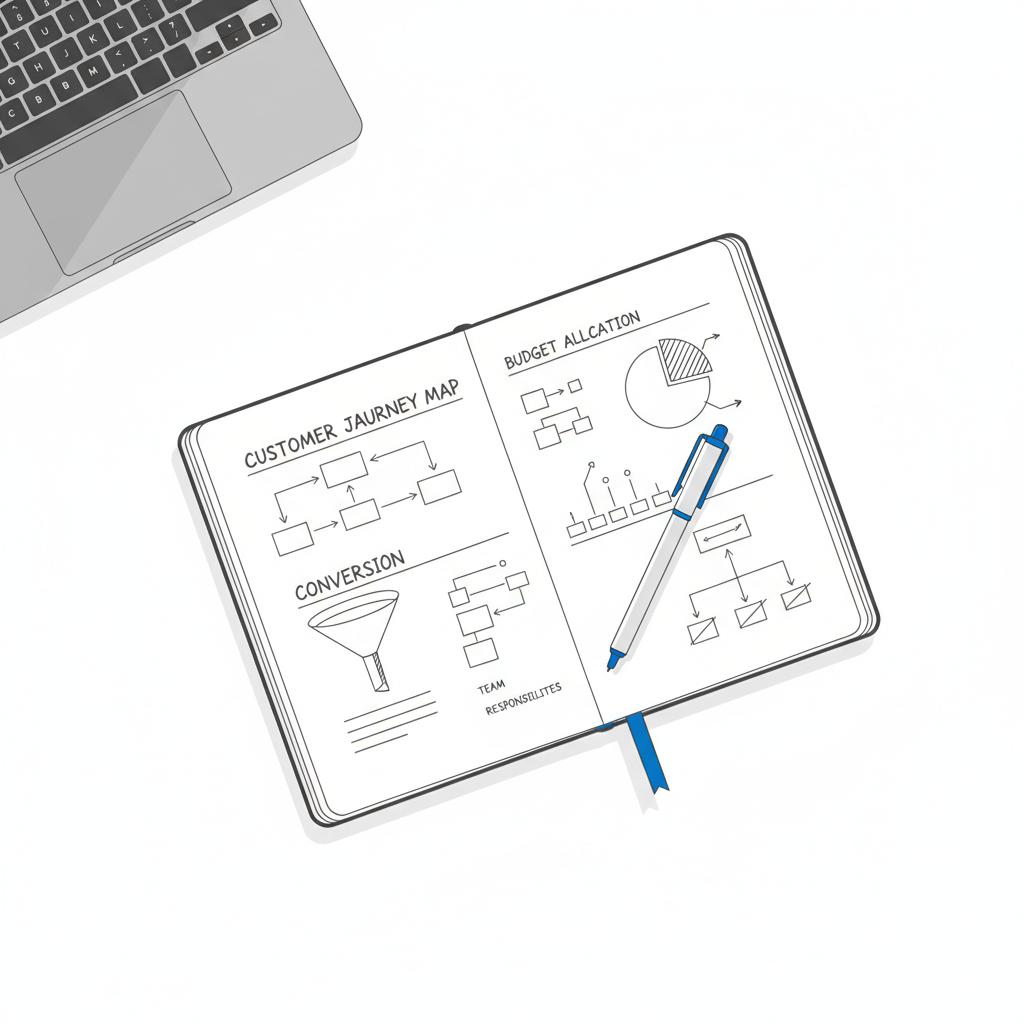
5. Publish one clear case study that frames a problem, decision, and measurable result.
6. Offer transparent pricing guidance or example packages.
7. Create an accessible and fast website with readable fonts and clear headings.
8. Keep privacy and security explanations short and visible.
9. Set consistent content rhythms you can maintain.
10. Respond within your stated window and use confirmations to reduce anxiety.
11. Measure simple trust signals: repeat business, referral rate, and response times.
12. When in doubt, get a second pair of eyes — a trusted partner can often fix message friction quickly.
Ten small moves that often have big results
• Add a pricing example to one product page.
• Publish a two-paragraph case study with a single chart.
• Add a short shipping note where customers ask about delivery.
• Put a process timeline on your service pages.
• Publish a privacy summary in plain language.
• Use candid photos on your about page.
• Send one proactive project update each week.
• Create an automated reply that says when you’ll reply more fully.
• Include client initials, role, and result on testimonials to add credibility.
• Run a simple A/B test for your main call to action and measure which phrasing reduces hesitation.
Long-term maintenance and review
Trust is tended, not created overnight. Schedule quarterly reviews of client feedback and annual updates to your process notes. Refresh your site content to reflect what’s current and retire pieces that no longer match your work. These small rhythms keep your promises aligned with your capacity and prevent reputational drift.
Example: aligning technical setup with human clarity
Consider ad performance: a campaign can be well optimized but fail to convert if the landing page confuses visitors. When teams ask “How to set CPA in Google Ads?” the best answers often include both the bid settings and the landing page clarity. Put simply: better human clarity makes technical optimization effective.
Wrapping up: a practical habit to start
If you take one practical step this week, write a single sentence that explains what you do and how a person’s life is different because of it. Place that sentence where people see it first. It will reduce questions, save explanations, and slowly make your presence feel dependable.
Remember, technical fixes and ad settings like “How to set CPA in Google Ads?” are useful tools — but they work best when your brand is clear, consistent, and trusted. Focus on the small, steady choices: clarity in promises, reliability in process, and kindness in communication. Those are the changes that compound into a strong reputation.
Trust builds gradually; many small businesses see measurable improvements after 3–6 months of consistent effort. Improvements in response times, fewer pre-sale questions, and early repeat customers are often the first signals. The key is steady habits—consistent replies, clear messaging, and predictable processes produce noticeable results faster than sporadic bursts of activity.
Start with specific project stories. Describe the problem you solved, the steps you took, and the outcome. Offer a pilot or discounted first engagement in exchange for feedback and a review. Early honesty and a small incentive can help you gather initial social proof while you build a track record.
Reliable service comes first. A basic, clear website that honestly represents what you do will outperform a polished site that overpromises. Prioritize predictable delivery—clear timelines, transparent pricing, and consistent communication—then invest in polish that reflects your real capability.
References
- https://agencyvisible.com/
- https://agencyvisible.com/people/
- https://agencyvisible.com/contact/
- https://agencyvisible.com/projects/
- https://agencyvisible.com/design-that-converts-our-approach/
- https://www.storegrowers.com/target-cpa/
- https://powerhouseaffiliate.com/google-ads-cpa-marketing-strategy/
- https://growmyads.com/how-to-scale-google-ads-in-2025/





