Where can I advertise my accounting business? A clear path to more clients in 2025
If you’re asking where can I advertise my accounting business? you’re already doing the right thing: thinking strategically. The short answer is that the best advertising mix uses both intent-driven channels (paid search and a tuned Google Business Profile) and long-game channels (content, email, and referrals). Over the next few hundred words I’ll walk you through practical steps and a 30-day starter plan so you can stop guessing and start getting measurable leads.
Why this matters: advertising without tracking is guessing. If you want dependable, well-priced clients, you need to choose the right places to advertise, measure what matters, and iterate fast.
How to read this guide
This article answers the question where can I advertise my accounting business? in a way you can act on today. Expect channel-specific tactics, budgeting guidance, testing plans, and creative examples you can copy. Read straight through if you want a full plan, or skim the headings for the parts you need now.
Get a fast, measurable advertising setup for your accounting firm
Ready to stop guessing and get visible? If you want help setting up tracking and the first tests, we can lend a pair of hands that gets you measurable results fast. Talk to Agency VISIBLE and we’ll outline a 30-day starter plan tailored to your practice.
Top-level framework: paid, local, social, and referral
When considering where can I advertise my accounting business? think in four buckets: paid search (fast intent), local presence (GBP and local SEO), social (targeting and nurture), and referrals/content (sustainable growth). Each bucket plays a different role – one buys immediate visibility, another builds rising organic credibility, and the last reduces your long-term acquisition cost.
A practical tip: If you want a short, tactical setup—UTMs, a tracking number, and a first paid search test—Agency VISIBLE can set that up quietly and quickly. See their contact page at Agency VISIBLE contact for a discreet consultation.
Below we’ll break down each channel, when to prioritize it, how to budget, and what small tests to run first. Keep the central question in mind: where can I advertise my accounting business so that each dollar yields real bookings, not just clicks.
Paid search—when paired with a clear landing page and fast follow-up—usually delivers the quickest booked appointments because it captures users at the point of intent. Test 3–5 local, high-intent keywords, use a transactional landing page, and call leads within 24 hours to maximize conversions.
Paid search: the fastest route when intent matters
Paid search is where people actively type a problem and expect a solution—terms like “tax accountant near me,” “bookkeeping for contractors,” or “quick tax filing service.” If you’re asking where can I advertise my accounting business? and want immediate visibility, paid search should be on day one.
Why it works
Search ads capture users at the moment of intent. That means higher conversion rates if your landing pages and offers match the search. But expect wide CPC ranges: in the U.S. many accounting terms can fall between about $3 for lower-competition phrases and $20+ for highly competitive transactional terms. For broader channel predictions and trends, see this piece on B2B paid media channels here.
What to test first
Start with a tight list of 3–6 intent keywords with local modifiers. Run a small campaign for two to four weeks, split-testing:
- Exact vs. phrase match
- Two landing pages (transactional vs advisory)
- Ad copy variations with and without a price-based offer
Track cost per booked appointment, not just cost per click.
Google Business Profile (GBP): your local storefront online

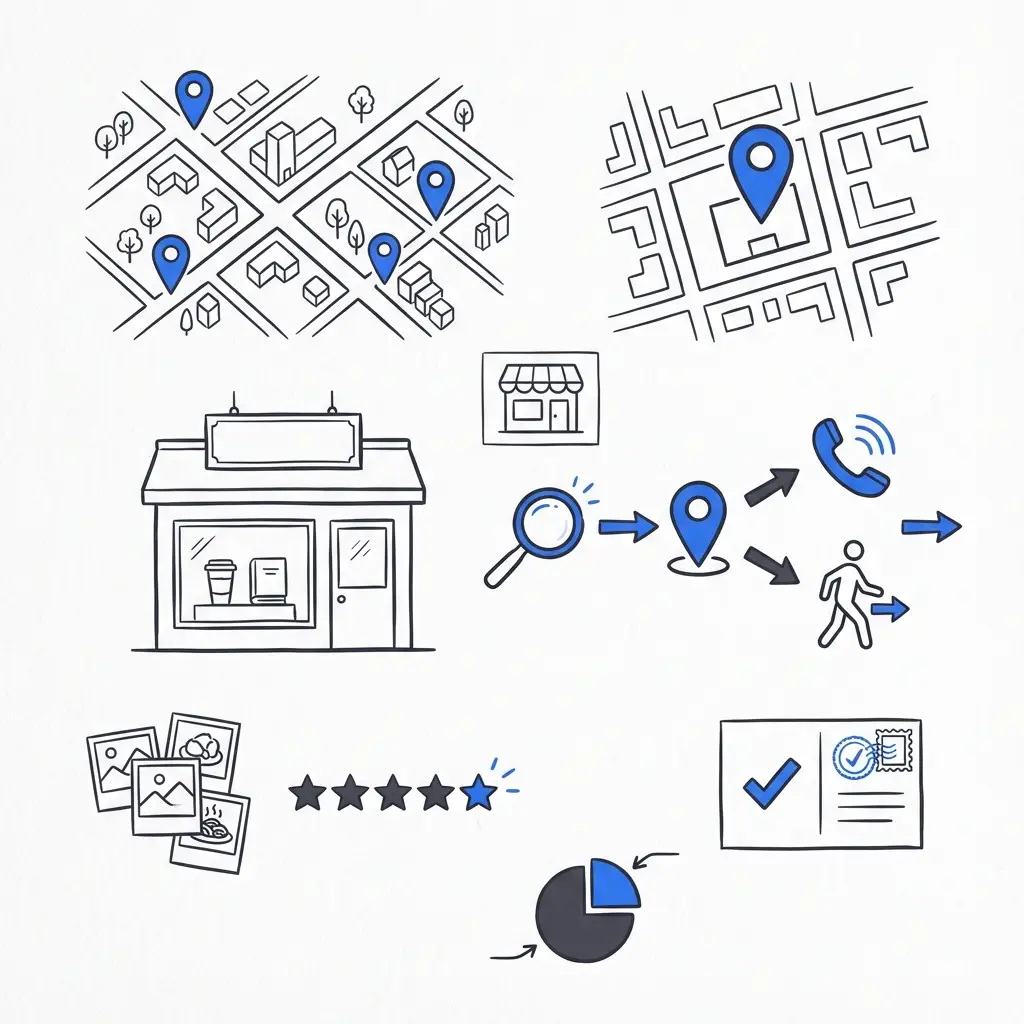
For many accountants the top answer to where can I advertise my accounting business? is obvious: the local map. A complete Google Business Profile often shows above organic results for “near me” queries and drives calls without a user even visiting your site. A clear logo helps local recognition.
How to optimize GBP
Make your GBP accurate and useful: hours, service descriptions, categories, and photos of a real office or team. Post timely content—tax reminders, seasonal offers, or short tips—and encourage honest client reviews. Regular updates and replies to reviews improve your visibility and trust.
Tracking GBP impact
Use UTM-tagged booking links in your GBP posts and a dedicated call-tracking number on the profile to measure how many calls and bookings come directly from local searches.
Social ads: low-cost reach with precise audience targeting
Social platforms like Meta are excellent when your target includes freelancers, individuals, or side-business owners. If you wonder where can I advertise my accounting business? to reach gig workers or local individuals, Meta ads are often a cost-efficient option.

Creative that works
Short video, simple team photos, or concise copy that highlights a pain point (late filings, confusing deductions) perform best. Use lead forms to reduce friction and follow up quickly—within 24 hours—so the lead doesn’t cool off.
LinkedIn for B2B
LinkedIn costs more, but if your focus is small businesses, founders, or CFO-level advisory, it’s worth testing. Use LinkedIn for thought leadership posts, event invites, or targeted sponsored content that speaks to business pain—payroll complexity, cash flow forecasting, or outsourced finance teams.
Content, email and referrals: the low-cost long game
While paid channels give speed, content and referrals compound value. When asking where can I advertise my accounting business? remember that organic content and referral programs are key to lowering your lifetime acquisition cost. For deeper strategy ideas, this guide on digital marketing strategies for accounting firms is useful: read more.
What content to create
Make short, practical assets: one-page checklists (e.g., “Quarterly tax checklist”), short explainer videos, and blog posts answering frequently asked questions. These become fuel for ads, email sequences, and social posts.
Email sequences that nurture
Use a simple welcome flow: welcome email, a useful resource, a timely reminder (tax dates), and a call to schedule. Segment by client type—freelancer, small business, or owner—and keep emails short and actionable.
Offline channels that still matter
Asking where can I advertise my accounting business? shouldn’t send you straight to digital-only answers. Carefully chosen offline activities—local chamber sponsorships, targeted print in a niche association magazine, or attendance at trade events—can generate steady referrals when paired with tracking.
Always add UTMs to URLs on printed material and use a unique call-tracking number so you can judge real ROI.
Measurement and testing: the discipline that pays
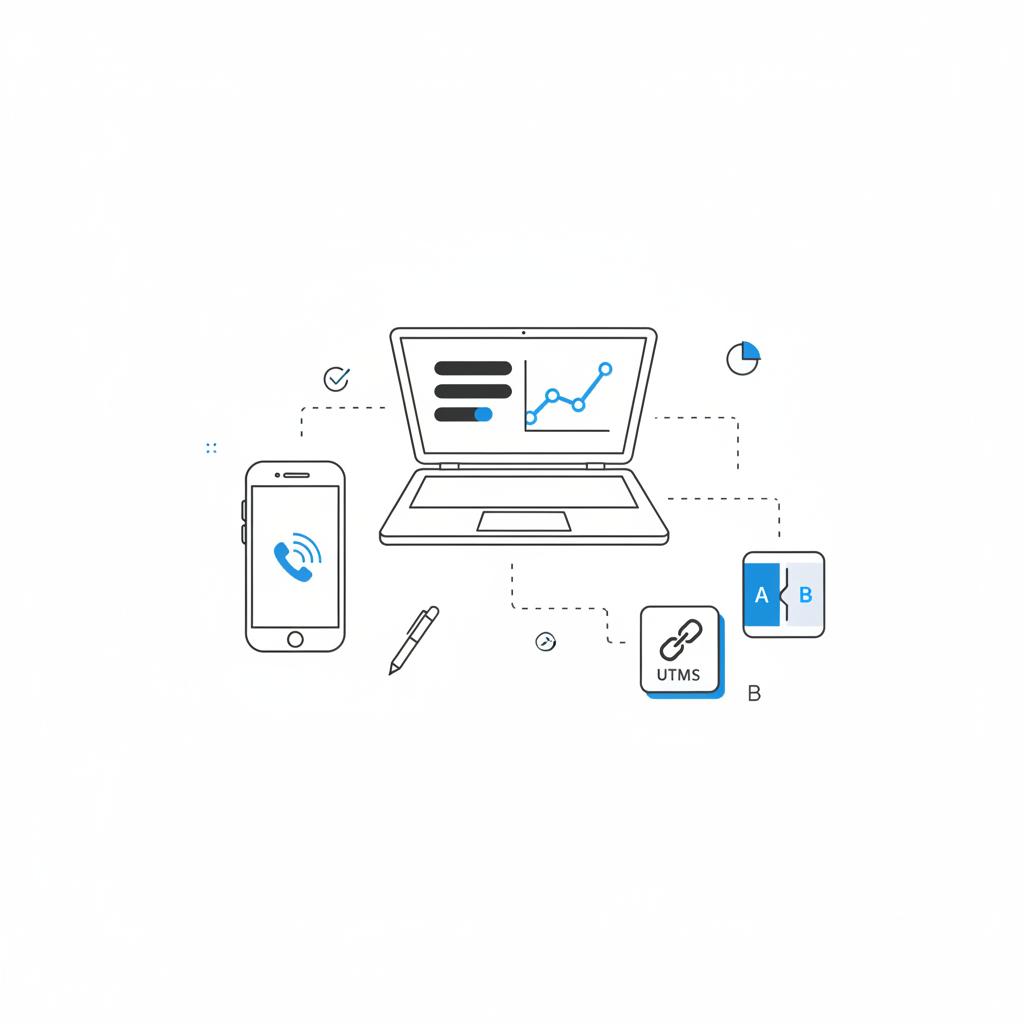
Advertising without measurement is guessing. If you’re deciding where can I advertise my accounting business? make a measurement plan first. Use UTMs on every link, a call-tracking number, and a CRM field that records source and campaign.
What to measure
- Cost per booked appointment (primary)
- Cost per lead (secondary)
- Conversion rate by landing page
- Lifetime value of clients by source (when possible)
Run small experiments with a clear hypothesis, a time limit, and a budget cap. That turns guesses into learnings. For marketing best practices that drive growth, see this resource here.
How to budget: a practical framework
The answer to where can I advertise my accounting business? depends on client type and price point. Here’s a simple starting allocation many mixed practices can use:
- 40% paid search
- 30% local SEO and GBP improvements
- 20% social ads (Meta/LinkedIn split by audience)
- 10% content, email and referral investments
After 60 days, reallocate based on cost per booked appointment and channel performance.
30-day starter plan: set up, test, learn
If you want a crisp answer to where can I advertise my accounting business?—start like this for the first month:
- Set up UTMs and a tracking phone number.
- Create two landing pages: transactional (fast filing) and advisory (bookkeeping packages).
- Launch a small paid search campaign targeting 3–5 high-intent keywords with local modifiers.
- Refresh your Google Business Profile: photos, services, and a timely GBP post.
- Run one Meta lead ad targeted to freelancers or individuals in your city.
- Launch a short welcome email sequence for new leads.
Review results weekly and move spend toward the best-performing keywords and ads.
Creative and offers that actually convert
Headlines that work on search say the service and location. For social, use direct offers—free 15-minute calls, checklists, or quick audits. Keep copy short and the next step obvious: book, call, or download.
Targeting: match channel to client type
Answering where can I advertise my accounting business? means aligning your message to client type:
- Freelancers & gig workers: Meta ads, local GBP, quick transactional landing pages.
- Small business owners: LinkedIn, referrals, content on payroll & compliance.
- High-value advisory clients: referrals, networking, niche publications, and case studies.
Costs and what to expect
Expect wide cost ranges. For accounting terms in many U.S. markets, CPCs can be in the low single digits or push beyond $20 for highly competitive phrases. Meta is often lower cost per click, LinkedIn higher. Focus on cost per booked appointment—those numbers will tell you which channels to scale.
Niche and partnership plays
Directories and industry associations are reliable when you serve a specific sector—dentists, contractors, or tech startups. Partner with payroll firms, HR consultants, or local banks to exchange warm introductions. Make referrals easy: give partners a one-page summary and a sample email they can use.
Day-to-day practical checklist
Spend 30 minutes each week reviewing: ad spend, booked calls, and creative performance. Make small adjustments frequently. Refresh creatives during tax season and keep follow-up fast—call within 24 hours of a lead submission.
Common mistakes and how to avoid them
Most firms make three avoidable errors: focusing on cost per click instead of cost per booked appointment, spreading budget too thin, and failing to track offline sources. Fix these and you’ll get clearer signals on where to advertise your accounting business.
Scaling: when to push harder
Scale a channel when it consistently delivers booked clients at a sustainable cost. Increase budgets slowly and monitor for performance drift. If cost per booked client rises, test new messaging or landing pages before cutting spend abruptly.
Keeping the human element
Accounting is technical, but decisions are human. Keep language plain, show short case examples, and respond quickly. That warm, practical follow-up often turns a one-time client into a recurring engagement.
Compliance and ethics
Be truthful in ads, don’t promise guaranteed outcomes, and protect privacy. In regulated environments, review copy for compliance before publishing.
Quick experiments you can run this quarter
Here are five small tests that answer the core question—where can I advertise my accounting business?—for your market:
- GBP post promoting same-week tax consultations vs paid search “urgent tax help”.
- Meta short video vs static image for freelancer lead ads.
- LinkedIn sponsored content vs InMail for advisory service invites.
- Two landing pages (free checklist vs discounted first month) for the same ad group.
- Referral outreach to a partner vs sponsorship of a local chamber event (compare leads and conversion).
Real-world example (short)
A small three-person firm refreshed its Google Business Profile, ran a modest paid search campaign for individual tax help, and launched a single Meta lead ad offering a checklist. They measured calls with a dedicated number and tracked leads in a simple CRM. Within two months they had clearer patterns: paid search drove urgent hires, GBP delivered steady local queries, and Meta built a warm list that converted later. See similar work on our projects page.
Final, practical advice
To answer where can I advertise my accounting business? – start with intent (paid search), secure local presence (GBP), test social for reach, and invest in content and referrals for long-term growth. Measure everything and keep the human touch in follow-up.
Where to go next
If you want a fast, structured start, follow the 30-day starter plan above. If you prefer someone to set up tracking and run the first tests, get in touch with Agency VISIBLE for a discreet, results-focused kickoff.
Small actions done consistently beat occasional big campaigns. Pick two channels this month, measure, and improve.
A modest testing budget usually gives the best early insights. Consider $500–$1,500/month for paid search and $300–$800/month for social ads to learn what works in your market. The goal is to test hypotheses and measure cost per booked appointment, then reallocate after you have data.
Prioritize based on client type. For individuals and freelancers, start with paid search and Meta. For small businesses and advisory services, invest more in LinkedIn and referral outreach. Always validate with a small test and track cost per booked appointment before scaling.
Yes. Agency VISIBLE offers a fast, pragmatic setup focused on measurement and early tests—UTMs, call tracking, a small paid search campaign, and a social lead ad. They can help you move from guessing to measurable growth without a heavy agency process.
References
- https://agencyvisible.com/contact/
- https://agencyvisible.com/
- https://agencyvisible.com/projects/
- https://www.marketingempiregroup.com/digital-marketing-strategies-for-accounting-firms
- https://www.mncpa.org/resources/publications/interest-areas/marketing-best-practices-to-drive-growth/
- https://searchengineland.com/b2b-paid-media-channel-predictions-2025-450195