How much does it cost to run an ad on TikTok? Quick overview
If you’re asking about the cost of advertising on TikTok, you’re not alone — founders and marketing leads ask this weekly. The honest short answer: it depends. The practical answer: there are clear benchmarks, platform rules and creative levers that drive most of the variation. Below you’ll find the numbers you need to budget, the scenarios that fit most businesses, and step-by-step tactics for lower costs and faster learning.
Top-line benchmarks right now
Recent industry benchmarks for 2024–2025 put typical TikTok CPMs roughly between $3 and $10. Cost-per-click frequently ranges from $0.10 to $2 for many advertisers, though in competitive verticals or tight conversion campaigns it can climb into the $2–$4 zone. These are global averages — your actual cost of advertising on TikTok will depend on region, industry and audience.
Platform-level minimums shape what small advertisers can do: campaign minimums commonly sit around $50 and ad-group or daily minimums often land near $20. Those floor values determine the absolute lower bound for experimenting with the cost of advertising on TikTok.

Two pricing worlds: Auction vs. Reserved inventory
TikTok runs two distinct pricing worlds. The first is auction-based formats (mainly In-Feed placements) where you can start small and iterate. The second is reserved or managed inventory — premium placements like TopView, Branded Hashtag Challenges and Branded Effects sold as managed deals. Reserveds commonly start in the tens of thousands of dollars: Branded Hashtag Challenges are frequently quoted between $50,000 and $150,000, and Branded Effects often exceed six figures. For many small and medium businesses, those premium packages are out of reach without enterprise budgets or agency-managed bundles. Tip: keep your visual branding consistent across formats, for example with a clear Agency Visible logo.
How the two worlds change the cost picture
When you compare auction buys to reserved buys you’re comparing flexibility and testability with scale and cultural reach. Auction-based buys let small teams control and learn their cost of advertising on TikTok more tightly. Reserved formats buy mass attention at a price – useful for launches or awareness moments, but not ideal for early-stage testing.
If you’d like a quick, tactical review of your first campaign plan, talk with Agency Visible — we help small and mid-sized teams set realistic budgets and design fast creative tests that reduce waste and improve early results.
Practical budgeting scenarios (what most teams follow)
Practical experience and benchmarks suggest three tidy scenarios for monthly budgets. These are guidelines, not rules, but they help you map expectations for reach, learning speed and conversion volume:
Small test budget: $500–$2,000 per month — run In-Feed experiments, find creative winners, and collect learning data. This is where a careful focus on native creative and quick iteration matters most for lowering the cost of advertising on TikTok.
Growth budget: $5,000–$25,000 per month — scale winners, expand targeting and run simultaneous creative tests and retargeting. This range buys faster learning cycles and more reliable delivery.
Enterprise/premium: $50,000+ per month or reserved buys — used for mass reach, launches, and cultural moments where scale and premium placements are central. These buys dramatically change the expected cost of advertising on TikTok because you’re paying for premium placement and high frequency.
For examples of our work and approaches that help reduce waste, see our projects page.
What moves costs — the key levers
There are a handful of predictable levers that move your TikTok pricing:
- Audience targeting: Narrow, specific audiences usually cost more per impression and click than broad ones.
- Industry vertical: Competitive verticals (finance, insurance, some B2B) see higher bids because conversion values are high.
- Creative performance: TikTok’s auction rewards engaging ads. Higher watch-through and engagement often lower your effective CPM and CPA.
- Seasonality: Costs spike during major shopping or cultural seasons as demand rises.
- Campaign objective: Traffic, conversions, and app installs use different bidding logic and show different typical costs.
Understanding those levers helps plan experiments: the same ad in two different targeting sets can produce very different cost of advertising on TikTok outcomes. See external benchmark reports like the TikTok Ads CPM Cost guide, a recent TikTok benchmarks roundup, and a practical pricing overview at Influencer Marketing Hub for more context.
Two advertisers with the same product — an example
Imagine two US advertisers selling the same product. Advertiser A targets broadly and optimizes for traffic with several creative hooks. Advertiser B targets a tight lookalike audience, uses a heavy-conversion creative and optimizes for purchases. Advertiser A may see lower CPCs but higher CPA because traffic doesn’t convert. Advertiser B may pay more per click but achieve a lower cost per acquisition. The lesson: raw CPM or CPC numbers don’t equal cheaper customers.
Creative relevance — because TikTok’s auction rewards engaging ads, a native creative that holds attention usually lowers CPM and CPA faster than narrow targeting or higher bids.
Creative matters — how to keep costs down
Creative performance is where small budgets can outcompete big ones. On TikTok, movement, sound and story matter — *native* content that looks like platform posts tends to win. An ad that matches user patterns — short, attention-grabbing, authentic — will usually cost less per result than polished ads that feel out of place.
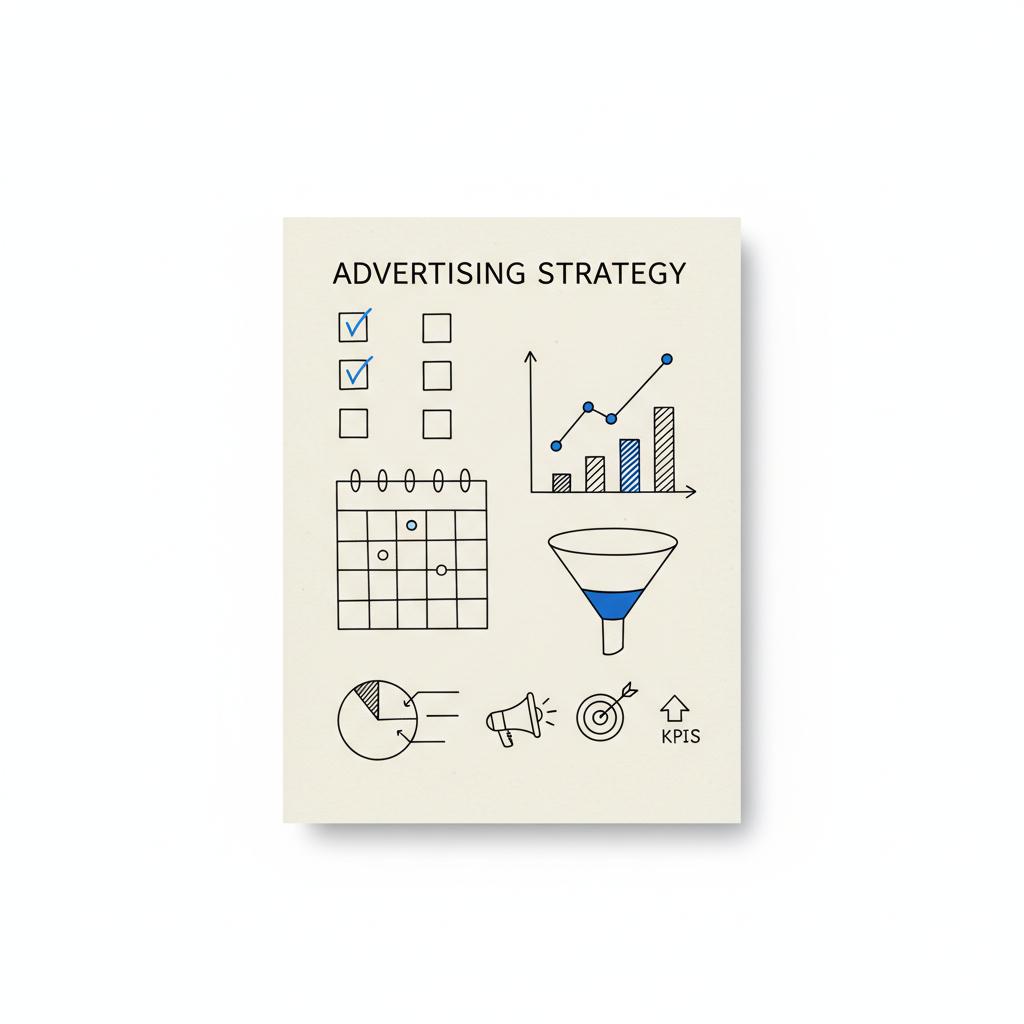
That doesn’t mean low-effort content; it means smart, rapid testing. A/B tests that compare a joke, a product demo, and a micro-testimonial often reveal winners quickly. Many small advertisers lower their cost-per-purchase by 20–50% simply by iterating creative over a few weeks.
Quick creative checklist to lower the cost of advertising on TikTok
- Start with a strong hook in the first 1–3 seconds.
- Use sound — whether music, ambient noise, or natural speech.
- Keep cuts quick; avoid long static shots.
- Show the product in real use or in a short story.
- Test multiple openings — you’ll often find the first two seconds determine engagement.
Targeting, bidding and practical delivery tips
Your setup — audiences, bids, and pacing — affects both spend predictability and results. Tightening audiences can raise CPC but lower CPA. Bid caps and cost controls help predict spend but can reduce delivery. Conversion-optimized bidding performs best when you have enough events for TikTok to learn from; if you have sparse conversions, consider broader goals or a traffic-to-conversion funnel that collects more events.
For small advertisers learning the cost of advertising on TikTok, start with these practical settings:
- Daily ad-group budgets around $20–$50 for initial tests.
- Use broad interest groups early, refine with lookalikes once you have data.
- Set realistic bid caps tied to your target CPA, but allow some flexibility to let the auction find efficient bids.
- Use pixel and server-side events to capture off-platform conversions when possible.
Can a small advertiser compete with a large one?
Yes — but it’s not only about money. TikTok’s auction includes ad relevance and engagement, so a well-targeted, highly engaging creative can win competitive bids. That said, large budgets buy sustained reach and premium placements that small advertisers can’t match. The typical win for small teams is smarter creative, faster iteration and focused funnel design rather than trying to outspend competitors.
Measurement: what to track and how to set it up
Clicks and impressions matter, but conversions matter most. Decide early what a conversion is for you — add-to-cart, newsletter signup, purchase, or app install — and align your pixel and event tracking accordingly. TikTok supports conversion windows and multiple attribution models; choose windows that fit your sales cycle. For long sales cycles, short attribution windows can make your cost metrics look worse than reality.
Key metrics to monitor for cost control:
- CPM — early signal of auction competitiveness.
- CPC — indicates how much attention you’re buying per click.
- CTR and watch-through rate — early creative health signals.
- CPA / Cost per desired event — the business metric that matters.
- ROAS — when purchase tracking is accurate.
Practical plan to run your first campaign
Follow a short, repeatable path many teams use to learn quickly and control the cost of advertising on TikTok:
Week 0 — define goals and setup: choose your conversion event, ensure pixel and server events are installed, and set a realistic learning budget (e.g., $500–$2,000 for two weeks).
Week 1–2 — test creatives: run 3–5 creative variants in parallel, measure CTR, watch-through and cost per event. Keep tests short and defined so signals are clear.
Week 3 — scale winners: increase budgets on winning combinations by 2x–3x, introduce a new variable (broaden/tighten audience, try conversion bidding, or test a new landing page).
Week 4+ — optimize and expand: add retargeting, push high-performing audiences, and set monthly pacing tied to business goals.
Budget pacing and avoiding accelerated losses
Scaling too fast on a poorly performing creative accelerates losses. Instead, raise budgets on winners gradually and always hold a control group. Use pacing controls to smooth spend, and consider dayparting if your audience behaves predictably (for example, shoppers in the evening or B2B audiences during work hours).
When premium buys make sense
Reserved inventory like Branded Hashtag Challenges or TopView can be transformational for mass reach or major launches. Expect these items to dramatically raise your cost baseline; they’re production plus media packages. Consider these only if:
- You need instant, large-scale awareness tied to a date or event.
- You have the creative and activation resources to make the format feel native and shareable.
- Your ROI targets can justify the large upfront spend.
Branded Hashtag Challenges often range from $50,000 to $150,000, and Branded Effects frequently start above six figures. For many businesses the regular auction and measured scaling strategy provide a stronger path to efficient growth.
Case study — small brand, big improvement
I worked with a local outdoor gear brand that started with a $1,200 monthly trial. Their initial ads were polished product shots with voiceover — pretty, but out of place on the platform. Their first CPCs were $1.80–$2.50 and conversions were low. After switching to quick, user-style clips showing boots in real trails and short customer micro-stories, engagement rose, CPC dropped to ~ $0.40 and CPA nearly halved. They reinvested savings into a second creative round and scaled gradually. Creative that feels native changed the economic picture fast.
Common mistakes that raise costs
Watch for these frequent errors that increase the cost of advertising on TikTok:
- Using non-native creative that doesn’t fit the feed.
- Overly narrow targeting without enough events to learn.
- Ignoring attribution mismatches (e.g., a long sales cycle with a short conversion window).
- Ramping budgets on unproven creative.
Advanced tips for lower CPA
For teams ready to optimize beyond basic testing, these tactics help reduce CPA:
- Use creative sequenced ads — show awareness creative, then remarket with conversion-focused creative.
- Build lookalike audiences from high-value customers rather than broad site visitors.
- Experiment with different attribution windows for longer-sale products and compare results.
- Use server-side event tracking to improve conversion signal quality.
How often should you refresh creative?
Replace low-performing creative quickly — often within two weeks of poor signals — and keep a rolling pipeline of new ideas. The more you refresh with high-quality variations, the more likely you are to keep CPAs stable or declining over time.
FAQ preview and practical answers
Below are answers to common questions advertisers ask. If one of these matches your situation, use the guidance to adjust budgets or strategy and reduce the cost of advertising on TikTok.
Can you run TikTok ads with only $100?
Technically yes, but meaningful learning usually needs mid-hundreds across two weeks. Tiny budgets can run a single ad and collect impressions, but they rarely produce reliable signals for creative or targeting decisions.
Will TikTok ads guarantee sales?
No platform guarantees sales. Ads buy attention and traffic; conversions depend on product-market fit, pricing, creative and the post-click experience.
Should you hire an agency?
That depends. Agencies can help with premium buys and creative production and often move faster on large investments. For controlled experiments, many teams learn faster in-house and call in agency support for scaling and premium formats.
Checklist before you launch (fast scan)
Run this quick checklist before switching campaigns live:
- Pixel installed and conversion events mapped.
- Attribution windows matched to sales cycle.
- 3–5 creatives ready for testing.
- Realistic daily budgets (e.g., $20–$50 per ad group for initial tests).
- Plan for 2–4 weeks of data collection before major scale.
Final thoughts — a balanced view of cost
The cost of advertising on TikTok is rarely a single number. It’s a range influenced by targeting, creative, industry and seasonality. Small advertisers can compete with smart creative and fast iteration. Larger advertisers buy scale, frequency and premium placements that change the economics. With careful testing, realistic budgets and good measurement, TikTok can become a predictable channel for growth rather than a cost center.
Want a quick review of your TikTok plan?
Plan your TikTok campaign with practical steps — book a quick review
Ready to map a realistic TikTok plan that fits your budget? Book a short review and get practical steps for testing and scaling.
Measurement and next steps
Measure what matters: track CPA, ROAS, engagement metrics and the post-click funnel. Revisit campaign structure every 7–14 days during tests and be ready to pivot creatives or audiences quickly. Keep a log of wins and losses so you can replicate top performers and stop wasting spend on duds.
Closing note (friendly)
If you’re planning your first TikTok campaign, start small, keep creative native, measure carefully and scale only once you see reliable results. The platform rewards relevance and engagement — not just budgets — which is great news for smaller teams who do the work.
Yes — technically you can start with a small daily budget, even under $100, but meaningful learning and reliable signals usually require mid-hundreds over a couple of weeks. Aim for $500–$2,000 for initial tests so you can run multiple creatives and gather conversion data.
Branded Hashtag Challenges are premium packages often priced between $50,000 and $150,000 depending on scale, creative production and included support. These buys include production, influencer seeding and moderation and are best when you need mass awareness at a specific moment.
It depends on your budget and internal skills. Agencies like Agency Visible can plan budgets, create native creative and manage premium buys efficiently — useful for teams that need speed and extra creative resources. For small experiments, many teams learn faster in-house and bring agencies in to scale.