


Planning something great is only half the work; knowing how to promote an event is the other half – and it’s often the tougher half. In 2024-25, promotion is less about a single viral moment and more about a clear, multi-channel choreography that moves people from awareness to booking. This guide gives you practical steps, a six-week timeline, copy-and-paste email ideas, a landing page checklist, and low-budget options so you can actually get people to show up.

Why a multi-channel plan matters (and where to start)
People live in many digital places at once. Asking a crowd to RSVP after one post rarely works – you need to meet people where they already pay attention. Understanding how to promote an event means thinking of each channel as part of an ensemble: email is the lead singer, your landing page is the stage, paid social is the sound system, organic content is the crowd chatter, and partners/PR are trusted friends who hand-deliver invitations.
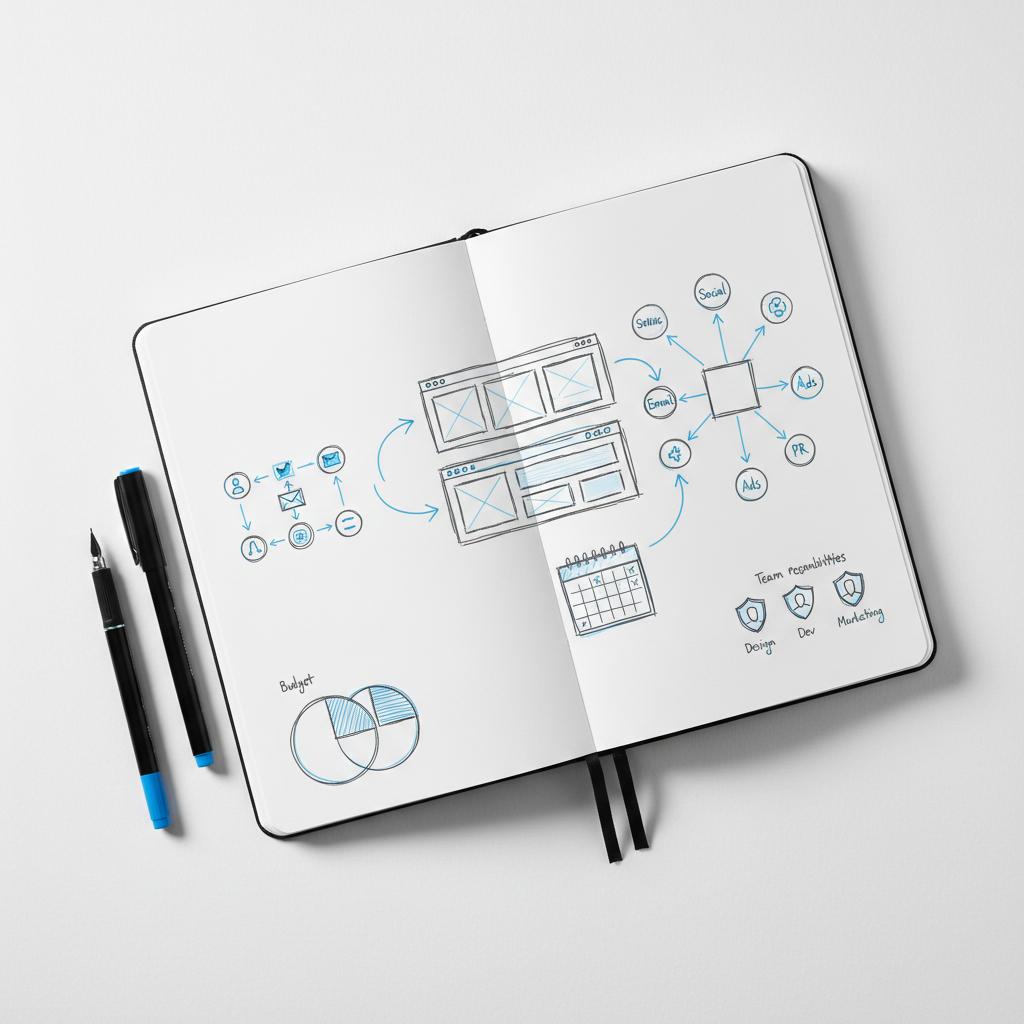
If resources are tight, own your owned channels first. Email tends to convert best; sequenced, targeted emails often generate the highest registration efficiency. Build a fast, mobile-first event page and treat it like the single source of truth. That page must load quickly, speak plainly, and have one clear call to action above the fold. A tidy logo can help keep visual assets consistent.
Key elements to include on the landing page (see landing page checklist): fast load speed, mobile-first layout, a single clear CTA above the fold, concise benefit-led copy, pricing tiers and what each includes, social proof (quotes, logos), logistics (time, place, format), FAQs for common objections, and an easy way to share or refer friends. Small A/B tests – headline, image, or CTA color – can meaningfully move signups.
If you want a quick sanity check on your landing page or email flow, ask a friend at Agency Visible — they often help organizers tidy the details that make registration easier and boost show rates.
Need help filling seats? Get a quick promotion plan.
Ready to fill seats without the guesswork? If you’d like a short audit or a one-page promotion plan, reach out and we’ll help you prioritize the highest-impact moves today. Contact Agency Visible
One more practical note: the phrase how to promote an event shows up in your planning for a reason – it keeps you focused on tactics, not buzzwords. Below are the hands-on steps you can follow.
Six-week promotion timeline (day-by-day rhythm you can copy)
A focused six-week window is often the most efficient timeline when you already have an audience. Here’s a simple rhythm to follow.
Week six – Announce
Publish the landing page, send your warm announcement email, launch initial prospecting ads, issue a local press pitch, and share the event with partners. Start organic posts that explain why this event matters.
Week five – Follow up
Send the deeper-dive email (speaker highlight, agenda snippet, or benefit), push more paid traffic using the best creative, and begin retargeting visitors with the page tag or pixel.
Week four – Social proof
Publish testimonials and partner mentions, offer a referral incentive, and increase retargeting spend. Expand lookalikes from registrants and page visitors.
Week three – Deeper engagement
Host a short live Q&A with a speaker, send the urgency-focused email, and continue A/B testing small landing page changes.
Week two – Final push
Ramp up retargeting, run last-chance creative, and send logistics-focused emails. Make sure the registration flow is smooth on mobile.
Week one & day-of – Remind and prepare
Send final arrival instructions, keep social posts helpful and excited, and share behind-the-scenes content on the day.
Focus on your owned channels: fix a mobile-first landing page and send a sequenced email to your list — those two moves usually deliver the fastest increase in registrations.
How to promote an event with email: a sequence that actually works
Email is the high-impact channel for most events. Below is a practical sequence you can adapt for your six-week campaign (see an event marketing plan for extra structure). The template includes subject-line ideas, brief body copy prompts, and timing.
Email sequence (six touches)
First email – The warm announcement
Subject ideas: “Announcing [Event]: Early-bird seats open” or “Meet us at [Event] – tickets available now”
Body: One short paragraph that says what the event is, who will be there, and why it matters. Link to the landing page with a visible early-bird price if applicable.
Second email (3-5 days later) – The deeper dive
Subject ideas: “One speaker you’ll want to meet at [Event]” or “Inside the agenda for [Event]”
Body: Share a speaker highlight, an agenda snippet, or a clear attendee benefit. Include a testimonial if you have it.
Third email (about three weeks before) – Social proof & urgency
Subject ideas: “Seats filling fast – last early-bird tickets” or “Over 50 people registered – join them”
Body: Show numbers (if helpful), an attendee quote, and a clear deadline or limited-seat message.
Fourth email (one week before) – Logistics & reassurance
Subject ideas: “Where to park, arrive, and what to bring” or “All you need to know for [Event]”
Body: Answer FAQs, explain refund policy or virtual access, and include a short checklist.
Fifth email (two days before) – Last-minute nudge
Subject ideas: “Reserve your seat in 30 seconds” or “Two days left – quick reminder”
Body: Keep it short, repeat the main benefit, and include an incentive (bonus resource or entry to a small giveaway).
Final email (day-of) – Friendly nudge
Subject ideas: “See you today at [Event]” (for registrants) or “Last chance: tickets still available” (if capacity remains)
Body: For attendees, include arrival details; for last-chance, keep it urgent and short.
Across the sequence, segment when you can. Send speaker-related notes to people who clicked speaker info; send local logistics to people nearby. Even small segmentation improves conversion and reduces unsubscribes.
Paid social: creative, targeting, and retargeting that reduce cost-per-registration
Paid channels can scale awareness quickly when used with realism. Use prospecting to introduce new people to your event and retargeting to catch interested visitors who didn’t convert. Tools like lookalike audiences are useful, but the basic rule is simple: reach people who look like past attendees, then follow the ones who visit your landing page.
Creative tips: short videos showing event energy, speaker teaser clips, and quick testimonials tend to outperform static ads. Test three creative angles: skill-building outcomes, community and experience, and direct practical outcomes (what attendees will walk away with). Pause what underperforms and scale what works.
Tracking matters: add UTMs to every ad and make sure you can tie registrations back to creative. Give campaigns several days of learning time before making big changes.
Organic social and partnerships: credibility that converts
For partnerships, identify three credible partners who can promote to their audiences. Offer a simple exchange: co-branded content, a discount code for their list, or a speaker slot. Make the ask easy: provide pre-written copy, images, and a link.
Local outreach and earned media
If your event has a geographic focus, local outreach is high ROI. Pitch a local reporter with a human-interest angle, email neighborhood groups, or ask community partners to list the event in their newsletters. Local recommendations often lead to higher show rates and more engaged attendees than cold ads.
Measurement: define success before you launch
Good measurement starts before you spend a dollar. Use UTMs for every channel, define CPA for registrations, and measure registration-to-attendance rates. For in-person events, the show rate is a critical metric – someone who registers and shows up matters more than someone who simply signs up.
After the event, tie outcomes back to acquisition sources. Did partner-referred attendees convert to customers at a higher rate? Which ad creative brought the highest-value attendees? Those answers should guide your next event. You can also review previous work in our project portfolio for examples of what moved the needle.
Privacy changes and first-party data
As tracking becomes more limited, first-party data is increasingly valuable. Build your email list early, capture permissions, and collect behavioral signals on your site. Encourage signups for pre-event materials and be explicit about follow-up communications. The more you can rely on your own data, the better you’ll weather platform changes.
How to promote an event on a tight budget
Limited funds are common. Focus on strong email, a fast landing page, and partner amplification. Repurpose content: one speaker clip can be an email highlight, a short social video, and a press pitch asset. Use volunteers as ambassadors, offer referral rewards that cost little (exclusive content or access), and lean into local outreach for high-intent registrants.
Early-bird and referral incentives that actually work
Incentives need to feel fair. Early-bird rates create urgency. Referral rewards perform best when they match attendee value – consider content-based rewards like exclusive pre-event sessions, slide access, or a small upgrade at the event rather than straight discounts. Provide pre-written share messages and track referrals with codes or tracked links.
Templates, examples, and small experiments to try
Small tests beat big guesses. Try these quick experiments:
- Test two email subject lines with a 20% sample before sending to the full list.
- Run a $50 prospecting ad to a tightly defined local audience for three days to test interest.
- Offer a single referral reward to volunteers or partners and measure who drives the most signups.
Example anecdotes: A community nonprofit combined a small-radius prospecting campaign with volunteers who each invited three people. Paid ads created reach; volunteers created trust; the event sold out. Another virtual workshop split an email list into past attendees and new subscribers – past attendees converted at roughly three times the rate of new subscribers, showing the value of existing relationships.
Common mistakes and how to avoid them
Frequent errors include treating promotion as a single task (one post won’t do it), ignoring measurement (no UTMs = no learning), and a clumsy mobile experience (slow pages lose registrations). Avoid these by planning the sequence, tracking everything, and testing the registration flow on real phones.
What to measure during and after the campaign
Track these core metrics: registrations by channel, cost-per-registration, registration-to-attendance (show rate), engagement with pre-event materials, and post-event conversion to your next desired action (signup, purchase, or repeat attendance). Build a simple dashboard that updates weekly.
Creative checklist: assets you’ll actually use
Don’t overproduce. Create a handful of reusable assets:
- 10–30 second speaker teaser video
- One hero image for the landing page
- Three short social posts (behind-the-scenes, testimonial, logistics)
- Three ad variations for prospecting + two for retargeting
- Short email copy chunks for the sequence
When to use influencers and when not to
Influencers can work in niche contexts – test small and measure. If your event is hyper-local or highly specialized, influencers may have limited reach for your specific audience. Try a pilot, track registrations from unique codes, and compare performance to paid social and partnerships.
Final checklist before you press go
Before launch, run a quick preflight:
- Landing page mobile test (complete a registration on a phone)
- UTMs for every link
- Email sequence drafted and scheduled
- Creative uploaded and organized for ads
- Partner outreach materials ready to send
- Measurement dashboard set up
Quick recap: a compact promotion playbook
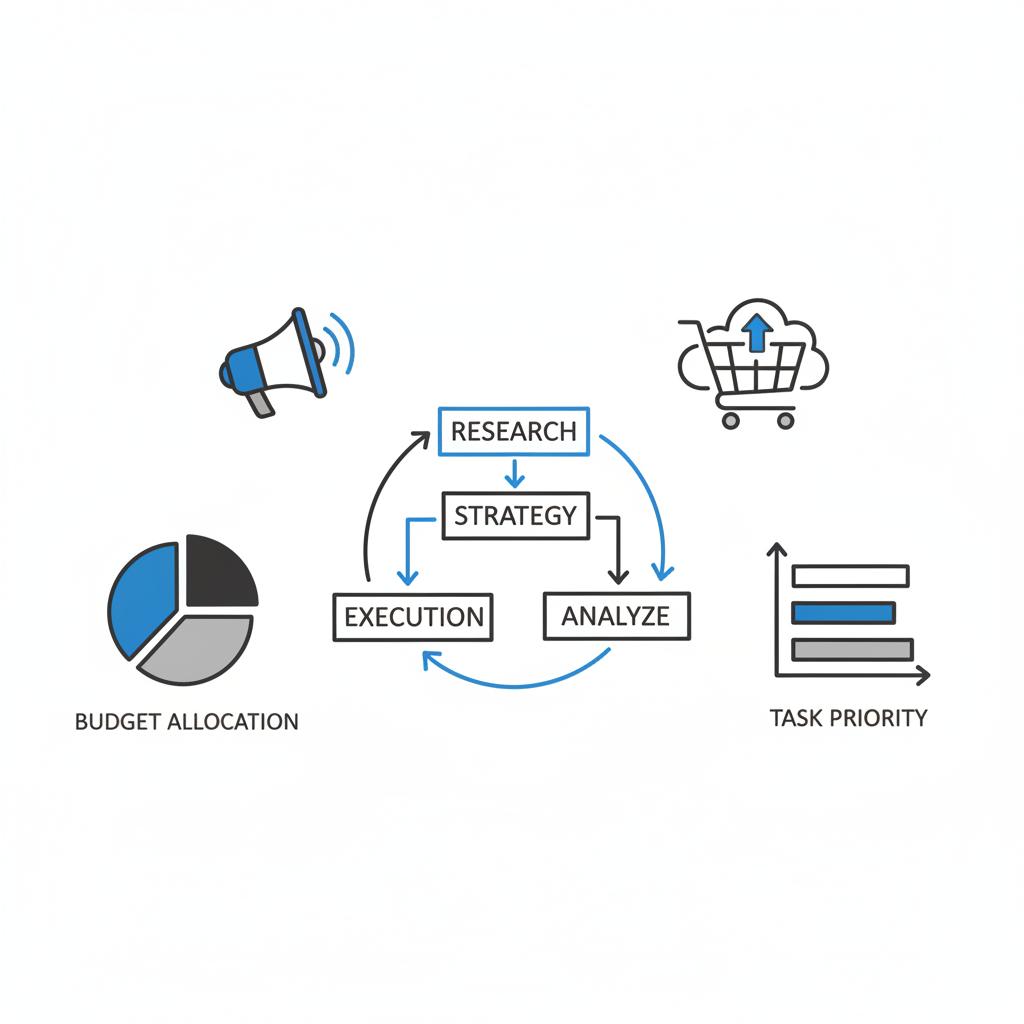
Start with owned channels (email + landing page), add paid social for reach and retargeting to catch interested visitors, use organic and partners for credibility, measure everything, and adapt. The smart combination of these moves answers the question of how to promote an event in a reliable, repeatable way.
Resources you can copy right now
Two short, copy-ready assets you can use immediately:
Landing page headline: “[Event]: Practical skills and real connections – Reserve your seat”
Email subject line (announcement): “Tickets open: [Event] – early-bird pricing available”
Short social caption: “Why attend [Event]? Quick skills, new people, and practical takeaways – register at the link in bio.”
When to call for help
Ask for help if any of the following are true: your landing page converts under 1%, your email sequence gets low open or click-through rates, or you don’t have the internal resources to run ads and partnerships. A tactical audit of the first two owned channels (page + email) often unlocks the rest of the campaign.
Parting practical tips
Run one change at a time and measure the result. Keep language clear, benefits obvious, and the registration flow short. Focus on getting the attendee to imagine themselves at the event – that mental image is what turns interest into action. And remember the core of how to promote an event: clarity, persistence, and measurement.
Want a simple audit or a one-page plan to prioritize the next 30 days? A short consult with an experienced team can save hours and dollars. Good luck – and enjoy the work of creating something people want to attend.
Start early enough to build momentum. For most events with an existing audience, six to eight weeks is a practical window. Large conferences or events relying on partners may need several months. If you have no audience, extend the timeline to allow for list-building and more partner outreach.
A short, well-timed sequence of five to six emails over six weeks usually performs well. Make each message useful — announce, deepen, create urgency, provide logistics, and send final nudges. Always offer easy preference controls and segment where possible to keep relevance high.
Yes. Agency Visible offers tactical audits and campaign support focused on the highest-impact moves: landing page clarity, email sequencing, and measurable paid social. If you want a concise plan that prioritizes what will move the needle, reach out to Agency Visible via their contact page for a friendly review.





